The whispers of change were subtle at first, carried on winds that shifted with unsettling irregularity. For the hunter-gatherers of the Stone Age, life was a delicate dance with the environment, a rhythm dictated by the predictable ebb and flow of seasons, the migrations of prey, and the availability of resources. They were masters of their world, their survival intricately woven into the fabric of the natural order. Yet, as the Earth’s climate began its slow, inexorable transformation, this ancient equilibrium faced its most profound test. While the term “climate change” might conjure images of modern industrial societies, its origins are as old as the planet itself, and its impacts, though perhaps less dramatic in its initial stages, were deeply felt by our Stone Age ancestors, forcing them to adapt or perish. Understanding these ancient challenges offers a unique perspective on humanity’s enduring resilience and our deep connection to the planet’s climate systems.
The Pre-Anthropogenic Climate Shifts and Their Early Echoes
The Stone Age, a vast epoch stretching from roughly 2.5 million years ago to about 3,300 BCE, was not a period of climatic stasis. It was characterized by significant, albeit slower, natural climate fluctuations, most notably the glacial-interglacial cycles of the Pleistocene epoch. These cycles, driven by variations in Earth’s orbit and axial tilt, brought about dramatic shifts in global temperatures, sea levels, and vegetation patterns. For early hominins, these were not abstract phenomena but the very forces shaping their existence.
The Grand Cycles of Ice and Thaw
The Pleistocene epoch witnessed repeated expansions and contractions of vast ice sheets. During glacial periods, large swathes of the Northern Hemisphere were covered in ice, leading to lower sea levels as water was locked up in glaciers. This exposed land bridges, connecting continents and allowing for the dispersal of flora and fauna, including early human populations. Conversely, interglacial periods saw the retreat of ice, rising sea levels, and the expansion of forests and grasslands. These cycles fundamentally dictated the available habitable zones, the types of game animals that roamed the landscape, and the plant life that could be gathered. Early Stone Age populations, particularly those migrating out of Africa, would have encountered and adapted to a succession of vastly different environments driven by these Milankovitch cycles. The ability to track animal migrations, understand seasonal plant cycles, and find shelter in diverse climatic conditions would have been paramount for survival.
Impacts on Migratory Patterns and Resource Availability
The predictable, albeit cyclical, nature of these ancient climate changes shaped the migratory patterns of both humans and their prey. During colder periods, megafauna like mammoths, woolly rhinoceroses, and cave bears were abundant in certain regions, providing a rich source of food and materials. As the climate warmed and glaciers receded, these large herbivores might have shifted their ranges, forcing human groups to follow or find new food sources. Conversely, the expansion of forests in interglacial periods would have favored different types of prey, such as deer and smaller game, and altered the availability of edible plants and nuts. The very survival of Stone Age communities was contingent on their keen observation of these environmental cues and their capacity to adjust their hunting strategies and gathering practices accordingly. This necessitated a deep, embodied knowledge of their local ecosystems, passed down through generations.
Early Evidence of Human Response to Environmental Stress
Archaeological evidence offers glimpses into how early Stone Age people responded to these climatic shifts. Sites dating to different glacial and interglacial periods show variations in tool technologies, settlement patterns, and the faunal remains found. For instance, the development of more sophisticated hunting tools, such as the spear thrower (atlatl), may have been an adaptation to hunting larger or more elusive prey that became prevalent during certain climatic phases. The abandonment of some regions and the colonization of others, indicated by the geographical distribution of archaeological sites, directly reflects the movement of human populations in response to changing habitability and resource availability. This suggests an innate human drive to seek out favorable conditions, a behavioral adaptation honed over millennia.
Climate change had a profound impact on Stone Age people, influencing their migration patterns, hunting practices, and the development of early agriculture. As the climate shifted, many groups were forced to adapt to new environments and resources, leading to significant changes in their lifestyles. For a deeper understanding of how ancient civilizations responded to environmental changes, you can explore the article titled “Lost Ancient High Tech: What Happened?” available at this link.
The Shifting Landscapes: How Climate Redrew the Map of Survival

As the Earth’s climate continued its dynamic evolution, the very landscapes upon which Stone Age peoples depended underwent profound transformations. These changes were not merely cosmetic; they directly impacted the availability of food, water, and shelter, influencing settlement choices, migratory routes, and the technological innovations that enabled survival.
From Frozen Tundras to Lush Forests: Ecological Repercussions
The Pleistocene’s glacial-interglacial cycles had a dramatic impact on vegetation. During colder, drier glacial periods, vast areas that are now temperate forests were replaced by open grasslands, steppes, and tundras. This favored the dominance of grazing megafauna. As the climate warmed and became more humid, forests would have expanded, transforming the landscape and favoring different types of animal and plant life. This ecological dynamism meant that the resources available to Stone Age groups could change dramatically over relatively short geological timescales. A hunting band that relied on the open plains for large game might find their traditional territories becoming dense woodland, requiring a complete reassessment of their hunting strategies and potentially forcing them to move.
Water: The Lifeline Under Pressure
Water availability is a fundamental constraint on human survival, and climate change directly impacts hydrological cycles. During glacial periods, much of the world’s water was locked up in ice sheets, leading to lower sea levels and potentially drier inland regions. Conversely, interglacial periods with warmer temperatures could lead to increased evaporation and altered precipitation patterns. The creation and disappearance of lakes, rivers, and wetlands, as well as shifts in rainfall, would have dictated where Stone Age communities could establish themselves. They would have needed to possess an intimate knowledge of seasonal water sources, underground aquifers, and the ability to travel to find reliable water during dry spells. The development of tools for water storage or management, though perhaps rudimentary, could have been a crucial adaptation.
Coastal Adaptations and the Rise and Fall of Land Bridges
Changes in global temperature significantly influence sea levels. During glacial periods, extensive ice sheets caused sea levels to drop considerably, exposing land bridges that connected continents. These were vital corridors for human migration and the movement of animals. The Bering Land Bridge, connecting Asia and North America, is a prime example. As interglacial periods began and the ice melted, sea levels rose, submerging these land bridges and isolating populations. Coastal environments themselves would have changed, with shorelines advancing and retreating. Stone Age groups living in coastal areas would have had to adapt to these shifts, either by moving inland or developing strategies to exploit changing marine resources. The ability to build rafts or boats, however simple, might have been crucial for navigating altered coastlines or reaching newly isolated islands.
The Ingenuity of Survival: Technological and Social Adaptations
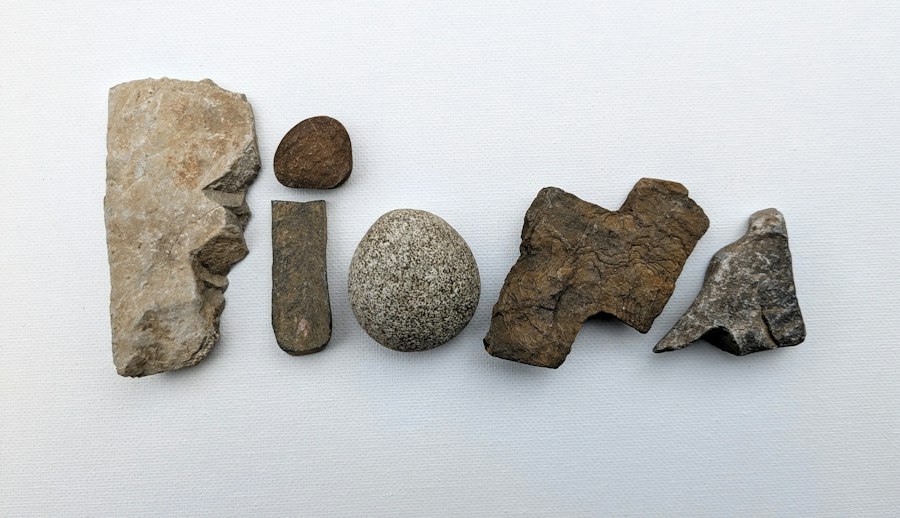
Faced with a world in flux, Stone Age peoples did not passively endure climatic shifts. Instead, they exhibited remarkable ingenuity, developing new technologies and social structures to navigate the challenges and opportunities presented by a changing environment. These adaptations were not always immediate but evolved over long periods, reflecting a trial-and-error process of survival.
Toolmaking as a Response to Environmental Niches
The archaeological record is replete with evidence of evolving Stone Age toolkits, and many of these innovations can be linked to environmental pressures. The development of more refined stone tools, such as the Mousterian toolkit of the Neanderthals, or the Upper Paleolithic blade industries of Homo sapiens, suggests increasing sophistication in hunting and processing resources. For instance, the development of finely flaked points for spears, or scrapers for processing hides, would have been essential for exploiting the diverse fauna available in different climatic zones. The creation of tools for woodworking or bone working also speaks to the need to process a wider range of materials for shelter, tools, and clothing, all crucial for survival in varying climates.
The Power of Fire: A Climate Control Technology
The controlled use of fire was arguably one of the most significant adaptations of early humans, and its importance would have been amplified by climatic variability. Fire provided warmth in colder periods, allowing humans to inhabit regions that would otherwise be too cold. It could be used for cooking food, making it more digestible and safer, thus expanding the range of edible resources. Fire also played a role in landscape management, used to clear vegetation for easier hunting or to encourage the growth of desirable plants. Furthermore, it offered protection from predators and could be used to harden wooden tools. The mastery of fire would have been a vital tool for mitigating the harsh effects of cold climates and even for shaping environments to human needs.
Social Organization and Knowledge Transmission
Survival in a dynamic environment also depended on sophisticated social organization and the effective transmission of knowledge. Smaller, mobile bands might have been more adept at following migrating herds or finding dispersed resources. Larger, more sedentary groups might have developed during periods of greater resource abundance. The ability to share information about resource locations, successful hunting techniques, and potential dangers would have been critical for the survival of the group. This knowledge was passed down through generations via oral traditions, apprenticeships, and the imitation of elders. The development of more complex social structures, such as kin-based groups or larger tribes, could have facilitated collective action in resource management, defense, and the sharing of burdens during times of scarcity.
Adapting to the Extreme: Case Studies from Prehistory
Examining specific archaeological contexts provides tangible examples of how Stone Age peoples grappled with and adapted to significant climatic shifts. These snapshots in time reveal the strategies they employed to not only survive but to thrive in environments that were vastly different from today.
Neanderthals and the Last Glacial Maximum
The Neanderthals, who inhabited Europe and parts of Asia, were contemporaries of the last glacial maximum. Archaeological evidence suggests they were highly adapted to cold climates. Their robust physique, thick body hair, and large nasal cavities (potentially for warming inhaled air) are often cited as physical adaptations. Their toolkits, like the Mousterian, were sophisticated and allowed them to hunt large game that roamed the open, cold steppes. Evidence of their use of fire, construction of shelters (often in caves), and careful butchery of animals points to a deep understanding of their environment and how to extract maximum benefit from it. However, their specialized adaptations to cold may have ultimately made them vulnerable to rapid warming events or competition from the more adaptable Homo sapiens.
Early Homo sapiens and the Post-Glacial World
The emergence and expansion of Homo sapiens coincided with the end of the last glacial period and the subsequent warming. This period saw the retreat of ice sheets, the rise of sea levels, and the expansion of forests. Homo sapiens demonstrated a remarkable flexibility in their adaptations. Their toolkits became even more diverse, including bone, antler, and ivory tools, along with projectile weapons like the spear-thrower and, later, the bow and arrow. This allowed them to exploit a wider range of food sources, from small game to fish and birds. Their ability to adapt to varied environments, from coastal regions to forested interiors, and their capacity for complex social organization and symbolic expression, likely contributed to their success in colonizing new territories and outcompeting other hominin species.
The Mesolithic Transition: A Response to a Warming Planet
The Mesolithic period, often seen as a transition between the Paleolithic (Old Stone Age) and Neolithic (New Stone Age), is a testament to adaptation in a rapidly changing post-glacial world. As the climate warmed, forests expanded, and large Pleistocene megafauna declined. Mesolithic peoples shifted their subsistence strategies to focus on a wider array of smaller game, fish, shellfish, and plant foods. They developed new tools suited to this new environment, such as microliths (small, sharp stone blades used in composite tools) and boats for navigating rivers and coastlines. Settlement patterns also changed, with more people living in smaller, more mobile groups, exploiting diverse resources within a territory. This period highlights a significant behavioral and technological flexibility in response to a dramatically altered climate and ecosystem.
Climate change had a profound impact on Stone Age people, shaping their migration patterns, hunting practices, and social structures. As the climate shifted, many groups were forced to adapt to new environments, leading to innovations in tool-making and shelter construction. For a deeper understanding of how environmental changes influence human behavior, you might find it interesting to read about modern strategies in adapting to challenges, as discussed in this article on security strategies. You can explore it further by visiting this link.
The Enduring Legacy: Lessons from Ancient Climatic Resilience
| Aspect | Impact of Climate Change on Stone Age People | Evidence / Metrics |
|---|---|---|
| Habitat Changes | Shifted habitats due to changing temperatures and vegetation zones | Fossil pollen analysis showing vegetation shifts; archaeological site relocations |
| Food Availability | Altered availability of plants and animals, leading to dietary adaptations | Changes in animal bone assemblages; isotopic analysis of human remains |
| Migration Patterns | Forced migrations to more hospitable areas due to resource scarcity | Distribution of stone tools and settlements over time |
| Technological Innovation | Development of new tools and hunting strategies to cope with environmental changes | Emergence of specialized tools in archaeological layers |
| Population Dynamics | Fluctuations in population size linked to climate stress | Demographic estimates from site densities and burial counts |
| Health and Nutrition | Periods of malnutrition and stress during harsh climate phases | Analysis of skeletal remains showing signs of nutritional deficiencies |
While the scale and pace of modern climate change are unprecedented, the experiences of Stone Age peoples offer invaluable insights into humanity’s capacity for adaptation. Their struggles and triumphs in the face of natural climatic fluctuations underscore fundamental principles that remain relevant today.
The Interdependence of Humanity and Environment
The lives of Stone Age people were a constant, visceral reminder of their profound interdependence with the environment. Their very existence was dictated by the predictable, yet ultimately capricious, rhythms of the natural world. This deep ecological awareness, honed over millennia of close observation and interaction, stands in stark contrast to some modern disconnects from nature. The understanding that changes in climate directly translated to changes in food availability, shelter, and safety instilled a respect for natural systems that is a crucial lesson for our own time.
The Power of Innovation and Behavioral Plasticity
The archaeological record reveals a species that consistently innovated and adapted its behavior to meet new challenges. From the development of sophisticated lithic technologies to the mastery of fire and the formation of complex social structures, Stone Age humans demonstrated a remarkable capacity for problem-solving in the face of environmental stress. This inherent behavioral plasticity, the ability to learn, modify behaviors, and develop new strategies, is a cornerstone of human resilience and has been critical to our species’ survival and success throughout history.
A Long-Term Perspective on Climate and Human History
Studying climate change in the Stone Age provides a vital long-term perspective on the relationship between climate and human history. It demonstrates that climatic shifts are a constant force shaping human migration, technological development, and societal evolution. While the drivers and speed of change may differ, the fundamental challenge of adapting to altered environmental conditions remains. Understanding how our ancestors navigated these challenges can inform our own efforts to build a more resilient and sustainable future, reminding us that adaptation, innovation, and a deep understanding of our planet are essential for our continued existence. The legacy of the Stone Age is not just one of survival, but of an enduring capacity to learn from our environment and to forge a path forward, even when the winds of change blow fiercely.

Life 20,000 Years Ago: The Ultimate Ice Age Fight to Survive
FAQs
1. How did climate change impact the food sources of Stone Age people?
Climate change affected the availability and distribution of plants and animals that Stone Age people relied on for food. Changes in temperature and precipitation patterns led to shifts in the habitats of various species, making hunting and gathering more challenging.
2. Did climate change influence the migration patterns of Stone Age communities?
Yes, climate change likely played a role in the movement of Stone Age communities as they followed the shifting locations of resources. Changes in temperature and sea levels may have forced some groups to relocate in search of more hospitable environments.
3. How did extreme weather events impact Stone Age settlements?
Extreme weather events such as droughts, floods, and storms could have damaged or destroyed Stone Age settlements, leading to displacement and loss of resources. These events may have also disrupted food production and storage systems.
4. Were Stone Age people able to adapt to changing climatic conditions?
Stone Age people demonstrated resilience and adaptability in the face of changing climatic conditions. They developed new technologies, adjusted their hunting and gathering strategies, and possibly even modified their settlements to better withstand environmental challenges.
5. What evidence suggests that climate change had an impact on Stone Age societies?
Archaeological findings, such as changes in tool use, diet, settlement patterns, and artwork, provide clues about how Stone Age societies responded to climate change. Additionally, studies of ancient climate data and environmental reconstructions help researchers understand the relationship between climate change and human behavior during this time period.