The Great Chill: Unveiling Ancient Ice Ages and Glacial Eras
The Earth’s journey through time has been punctuated by periods of profound frigidity, eras where vast ice sheets sculpted landscapes and challenged the very survival of nascent human populations. These were the Ice Ages and glacial periods, epochs that dramatically reshaped our planet and, by extension, the trajectory of human evolution. Understanding these ancient cold snaps offers invaluable insights into the resilience of our ancestors, their remarkable adaptations, and the powerful geological and climatic forces that have governed our world for millennia. Far from being mere footnotes in prehistory, these frozen epochs represent pivotal chapters in the human story, a testament to the unyielding influence of climate on biological and cultural development. The scale of these events is almost incomprehensible, with ice sheets meters thick blanketing continents, altering sea levels, and fundamentally transforming ecosystems. The remnants of these colossal glacial events are still visible today in the U-shaped valleys, the moraines, and the scattered erratics that dot the landscapes of many continents, silent monuments to a time when much of the world lay under a mantle of ice.
The study of ancient human history reveals fascinating insights into the coldest eras that shaped our ancestors’ lives and survival strategies. For a deeper understanding of how climate fluctuations influenced human development, you can explore a related article that discusses the economic importance of Mexico for the U.S., which indirectly touches on how historical climate events have long-lasting effects on societies. Check out the article here: The Economic Importance of Mexico for the U.S..
Understanding the Glacial Cycle: More Than Just Cold
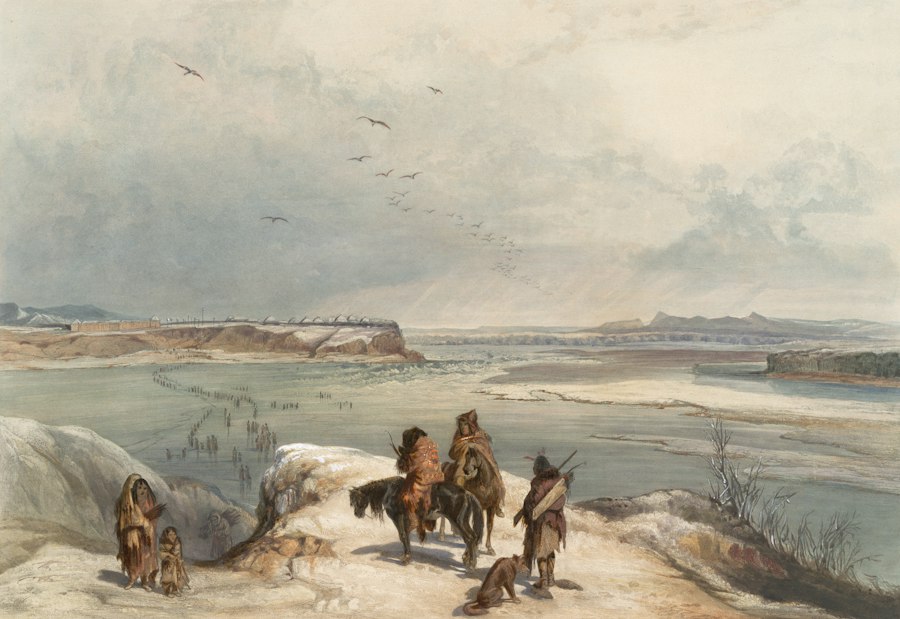
The term “Ice Age” is often used colloquially to describe any period of significant cooling, but scientifically, it refers to a much longer, more complex phenomenon. Glacial periods are characterized by extensive ice sheets, typically covering polar and temperate regions, while interglacial periods are warmer interludes where ice recedes. The Earth’s climate has oscillated between these states numerous times over millions of years, with the Quaternary glaciation, the most recent Ice Age, beginning around 2.6 million years ago and continuing, albeit with fluctuating intensity, to the present day. The precise mechanisms driving these grand climatic shifts are multifaceted, involving a delicate interplay of astronomical, geological, and atmospheric factors.
The Astronomical Orchestra: Milankovitch Cycles and Their Influence
The most widely accepted theory for the long-term cyclicity of glacial and interglacial periods centers on the Milankovitch cycles. These are predictable variations in Earth’s orbit and orientation relative to the sun, named after Serbian astrophysicist Milutin Milankovitch. These cycles operate on different timescales, influencing the amount and distribution of solar radiation received by Earth.
Eccentricity: The Wobbling Shape of Our Orbit
The eccentricity of Earth’s orbit describes how much it deviates from a perfect circle. Over a period of roughly 100,000 years, Earth’s orbit oscillates between being nearly circular and slightly more elliptical. When the orbit is more eccentric, the difference in solar radiation received between perihelion (closest to the sun) and aphelion (farthest from the sun) is more pronounced. This variation can contribute to more extreme seasonal temperature differences, potentially triggering or reinforcing glacial and interglacial states.
Obliquity: The Tilt of Our World
Earth’s axial tilt, or obliquity, varies between approximately 22.1 and 24.5 degrees over a cycle of about 41,000 years. A greater tilt means more extreme seasons, with hotter summers and colder winters, particularly at higher latitudes. Conversely, a lesser tilt leads to milder seasonal variations. The obliquity cycle plays a crucial role in determining the extent of snow and ice cover, as it affects the amount of summer insolation at high latitudes – a key factor in whether winter snow can survive the summer melt and accumulate into glaciers.
Precession: The Earth’s Own Slow Spin
Axial precession refers to the “wobble” of Earth’s axis, similar to a spinning top. This wobble changes the timing of the seasons relative to Earth’s position in its orbit. The combination of eccentricity and precession is particularly important. For instance, if Earth’s orbit is eccentric, and the Northern Hemisphere experiences summer when it is closest to the sun, this leads to warmer summers that can melt more ice, potentially initiating a warming trend and interglacial conditions. Conversely, if Northern Hemisphere summers occur when Earth is farthest from the sun, colder summers allow snow to accumulate, potentially leading to glacial expansion.
Geological Triggers: Volcanoes, Continents, and Ocean Currents
While Milankovitch cycles provide the rhythmic pulse, geological factors act as powerful amplifiers and regulators. Plate tectonics, volcanic activity, and the configuration of continents and oceans all profoundly influence long-term climate.
Continental Drift and Mountain Building
The arrangement of continents significantly impacts ocean and atmospheric circulation patterns. The formation of large landmasses in polar regions, for instance, provides a stable foundation for ice sheet growth. The uplift of mountain ranges, such as the Himalayas, can alter atmospheric circulation and also serve as high-altitude regions where glaciation can begin. The opening and closing of seaways can dramatically change ocean currents, redistributing heat around the globe and influencing the onset or termination of glacial periods.
Volcanic Eruptions and Atmospheric Aerosols
Massive volcanic eruptions, particularly those that inject large amounts of sulfur dioxide into the stratosphere, can lead to temporary global cooling. Sulfur dioxide forms aerosols that reflect solar radiation back into space. While individual eruptions are short-lived phenomena, a sustained period of heightened volcanic activity could potentially contribute to longer-term cooling trends. Conversely, periods of reduced volcanic activity might allow for warmer conditions to prevail.
Ocean Circulation: The Great Heat Distributor
Ocean currents are vital for transporting heat from the equator towards the poles. Changes in ocean circulation patterns, such as the shutdown or intensification of the Atlantic Meridional Overturning Circulation (AMOC), can have drastic regional and global climatic consequences. These changes can be triggered by factors like the influx of freshwater from melting ice sheets, which can alter ocean salinity and density, thereby disrupting the currents.
The Pleistocene Epoch: Our Recent and Intense Ice Age
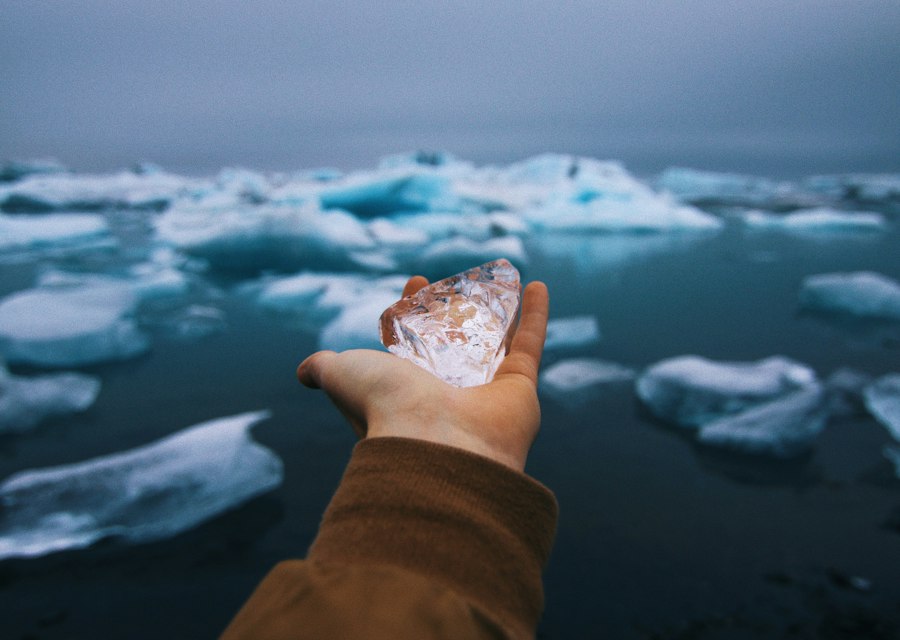
The Pleistocene Epoch, spanning from approximately 2.6 million to 11,700 years ago, is the most recent and arguably the most significant glacial period in Earth’s history for understanding early human development. This epoch was not a monolithic block of ice but rather a series of alternating glacial and interglacial periods, often referred to as “glacial-interglacial cycles.” During the glacial phases, massive ice sheets, known as continental glaciers, covered vast swathes of North America, Europe, and Asia, pushing human populations to the brink and forcing them to adapt in remarkable ways.
Stages of Ice Sheet Advance and Retreat
Within the Pleistocene, geologists have identified numerous distinct glacial and interglacial substages, each with its own unique characteristics and impact on the environment. The naming conventions for these stages can vary geographically, but they generally reflect periods of intense glaciation (e.g., the Wisconsin Glaciation in North America, the Weichselian Glaciation in Europe) followed by warmer interglacial periods (e.g., the Eemian interglacial).
The Build-up of Continental Glaciers
The process of glaciation was not instantaneous. It involved a gradual accumulation of snow over thousands of years in high-latitude and high-altitude regions. As snow piled up, its weight compressed the lower layers into ice. This ice, under immense pressure, began to flow outwards under its own weight, carving out valleys and shaping the landscape. These continental ice sheets could reach thicknesses of over a kilometer, exerting enormous pressure on the Earth’s crust.
Sea Level Fluctuations: The Rise and Fall of Oceans
One of the most dramatic consequences of glacial and interglacial cycles is the significant fluctuation in global sea levels. During glacial periods, vast amounts of water were locked up in the form of ice sheets, leading to a substantial drop in sea level. This exposed continental shelves, creating land bridges that allowed for the migration of animals and early humans across continents. For instance, the Bering Land Bridge connected Asia and North America during several glacial periods, facilitating human dispersal into the Americas. Conversely, during interglacial periods, as ice sheets melted, sea levels rose, inundating coastal areas and fragmenting landmasses.
Periglacial Environments: The Frozen Fringe
Beyond the immediate reach of the ice sheets lay periglacial environments. These were regions that, while not covered by ice, experienced extremely cold climates, permafrost (permanently frozen ground), and frost-related processes. These areas were characterized by tundra vegetation, windswept plains, and harsh, unpredictable weather. Many early human populations would have lived in or near these periglacial zones, adapting to their unique challenges and resources.
Human Adaptations to the Great Cold: Survival in a Frozen World
The Ice Ages presented formidable challenges for early humans. The drastically altered environments, scarcity of resources, and extreme cold demanded innovative adaptations in terms of technology, behavior, and even physiology. Our ancestors’ ability to thrive in these frigid conditions is a testament to their remarkable ingenuity and resilience.
Technological Innovations for Survival
The development and refinement of tools were paramount for survival during glacial periods. Lithic technology, the creation of stone tools, underwent significant advancements, enabling early humans to exploit new resources and overcome environmental obstacles.
The Mastery of Fire
The control of fire was a transformative development, offering warmth, protection from predators, and the ability to cook food, making it more digestible and nutritious. Fire also allowed for the processing of certain materials, like bone and wood, for toolmaking. Evidence of controlled fire use dates back hundreds of thousands of years, with its importance undoubtedly amplified during the colder eras.
Sophisticated Toolkits and Hunting Strategies
As glacial periods intensified, so did the sophistication of human toolkits. The Middle and Upper Paleolithic periods, in particular, saw the development of more specialized tools for hunting large game, butchering carcasses, and processing animal hides. This included the invention of projectile weapons like spears and, later, the bow and arrow, which allowed hunters to engage prey from a safer distance and more efficiently. The development of hafting techniques, attaching stone points to wooden shafts, further enhanced the effectiveness of their tools.
Clothing and Shelter: Staying Warm and Protected
The creation of clothing from animal hides and fur was a crucial adaptation for surviving in sub-zero temperatures. Archaeological evidence, though often fragmentary, suggests the use of bone needles for sewing and the crafting of fitted garments that provided essential insulation. Similarly, shelters evolved from simple natural caves and rock overhangs to more complex constructed dwellings. Evidence of mammoth bone huts and pit houses in regions like Siberia indicates sophisticated engineering for surviving extreme cold, offering protection from wind and snow and providing a stable environment for heat retention.
Behavioral and Social Adaptations
Beyond technology, behavioral and social strategies played a vital role in human survival during the Ice Ages. Cooperation, knowledge sharing, and efficient resource management were essential for overcoming the challenges of these harsh environments.
Mobility and Migration Patterns
Human populations during the Ice Ages were often nomadic or semi-nomadic, following migratory game herds or moving to find more favorable conditions. The creation of land bridges during low sea level stands facilitated long-distance migrations, leading to the peopling of new continents. Understanding these migration routes is a critical aspect of studying human prehistory.
Diet and Resource Exploitation
The available food sources changed drastically with the onset of glacial periods. While plant life was more limited in many areas, large mammal populations, such as mammoths, woolly rhinoceros, and bison, became crucial food sources. Early humans developed specialized hunting techniques and butchering practices to efficiently exploit these animals, utilizing every part for sustenance, clothing, and tools. The ability to store and preserve food, such as through smoking or drying, would have been invaluable for surviving lean periods.
Social Cooperation and Knowledge Transmission
The demanding nature of Ice Age survival likely fostered strong social bonds and a high degree of cooperation within human groups. Cooperative hunting, sharing of resources, and collective defense against predators would have been essential. Furthermore, the complex technologies and survival strategies required must have been passed down through generations via oral traditions and practical instruction, ensuring the continuity of knowledge and skills necessary for life in a frozen world.
In exploring the coldest eras in ancient human history, researchers have uncovered fascinating insights into how early civilizations adapted to extreme climate conditions. These periods, marked by significant drops in temperature, forced communities to innovate in their survival strategies, leading to advancements in technology and social organization. For a deeper understanding of how environmental factors shape human development, you might find it interesting to read about the ongoing geopolitical struggles for resources in space, as discussed in this article on the new space race. The connections between climate challenges and resource competition are more relevant than ever, highlighting the enduring impact of environmental changes on human society. You can read more about it here.
Legacies of the Ice: How Glacial Eras Shaped Our World and Us
| Era | Time Period | Average Global Temperature | Key Characteristics | Impact on Human History |
|---|---|---|---|---|
| Last Glacial Maximum | 26,500 – 19,000 years ago | Approximately 4-7°C cooler than today | Extensive ice sheets covering North America, Europe, and Asia | Forced human migration and adaptation; development of new survival strategies |
| Younger Dryas | 12,900 – 11,700 years ago | Drop of about 5-6°C in the Northern Hemisphere | Rapid return to near-glacial conditions after initial warming | Delayed the start of agriculture in some regions; influenced human settlement patterns |
| Neoproterozoic Snowball Earth | 720 – 635 million years ago | Global temperatures possibly below freezing | Planet-wide glaciation, ice sheets reaching equator | Preceded the rise of multicellular life; set stage for Cambrian explosion |
| Little Ice Age | 1300 – 1850 AD | Approximately 1°C cooler than 20th-century average | Colder winters and shorter growing seasons in Europe and North America | Impacted agriculture, led to famines and social unrest |
The impact of the Ice Ages extends far beyond the immediate challenges faced by ancient humans. These epochs have left an indelible mark on our planet’s geology, ecosystems, and even our own biology and cultural development. Understanding these lasting legacies provides a deeper appreciation for the profound influence of climate on the course of life on Earth.
Geological Scars and Resources
The most visible legacies of the Ice Ages are etched into the very landscape. The immense power of glaciers carved out dramatic geological features that continue to shape our world.
Landforms Shaped by Ice
Glacial erosion sculpted majestic U-shaped valleys, fjords, and cirques. The movement of ice sheets deposited vast quantities of sediment, forming moraines, drumlins, and eskers. Glacial meltwater rivers deposited vast outwash plains. These landforms are not just aesthetically striking; they influence modern drainage patterns, soil types, and the distribution of resources. For example, the fertile loess soils found in many regions were formed from wind-blown glacial flour.
The Formation of Lakes and Waterways
As glaciers retreated, the depressions they carved out filled with meltwater, creating countless lakes, including the Great Lakes of North America and the vast lake systems of Northern Europe. These lakes have been vital sources of freshwater and have supported human settlement and economic activity for millennia.
Mineral Deposits and Fossil Fuels
While not directly a product of glacial ice, the geological processes associated with glaciation have indirectly influenced the formation and accessibility of certain mineral resources. Furthermore, the burial and preservation of organic matter during interglacial periods, followed by geological compression over vast timescales, contributed to the formation of fossil fuels, a legacy of past life that has profoundly shaped human civilization, for better or worse.
Biological and Genetic Echoes
The pressures of Ice Age survival have also left their mark on the human genome and the diversity of life on Earth.
Genetic Adaptations
The extreme conditions of the Ice Ages likely drove the selection of specific genetic adaptations in human populations. While direct evidence is challenging to find, these might have included traits related to thermoregulation, metabolism, and immune responses, allowing those with advantageous genetic variations to survive and reproduce more successfully. The isolation of populations in refugia during glacial periods also led to increased genetic diversity in some regions.
Shaping Biodiversity
The cyclical advance and retreat of glaciers dramatically altered habitats, leading to extinctions and the emergence of new species. The creation of land bridges facilitated gene flow between previously isolated populations, while the fragmentation of habitats during glacial periods led to speciation. The current distribution of many plant and animal species is a direct consequence of the climatic shifts and geographic rearrangements caused by the Ice Ages.
Cultural and Technological Legacies
The innovations and adaptations developed by our ancestors during the Ice Ages laid the groundwork for subsequent human cultural and technological advancements.
The Foundations of Civilization
The sophisticated toolmaking, shelter construction, and resource management strategies honed during the Paleolithic were the bedrock upon which later developments in agriculture, metallurgy, and settled societies were built. The ability to adapt to challenging environments and to innovate in response to necessity are fundamental aspects of the human journey that were powerfully tested and refined during the Ice Ages.
Enduring Human Ingenuity
The story of human survival through the Ice Ages is a profound narrative of resilience, ingenuity, and the capacity for adaptation. It reminds us that Homo sapiens is a species forged in adversity, capable of overcoming seemingly insurmountable environmental challenges. This legacy of innovation and perseverance continues to inform our approach to contemporary environmental challenges, offering a long-term perspective on our relationship with the planet and the forces that shape it. The echoes of these ancient chills continue to resonate, shaping our present and guiding our future.

20,000 Years Ago | The Coldest Journey in Human History
FAQs
1. What were the coldest eras in ancient human history?
The coldest eras in ancient human history were the Last Glacial Maximum (LGM) which occurred around 19,000 to 26,500 years ago, and the Younger Dryas period which occurred around 12,900 to 11,700 years ago.
2. How did ancient humans adapt to the cold during these eras?
Ancient humans adapted to the cold during these eras by developing various survival strategies such as creating warm clothing from animal hides, building shelters, and utilizing fire for warmth and cooking.
3. What impact did the cold eras have on ancient human populations?
The cold eras in ancient human history had significant impacts on human populations, leading to migration to warmer regions, changes in diet and hunting practices, and the development of new technologies to cope with the harsh conditions.
4. How did the cold eras affect the environment and ecosystems?
The cold eras in ancient human history had a profound impact on the environment and ecosystems, causing changes in vegetation patterns, the expansion of ice sheets, and the extinction of certain species that were unable to adapt to the cold temperatures.
5. What evidence do we have of the coldest eras in ancient human history?
Scientists have gathered evidence of the coldest eras in ancient human history through various methods such as studying ice cores, analyzing fossil records, and examining ancient artifacts and settlements that provide insights into how ancient humans lived during these cold periods.