Colonization and Cultural Burning: A Complex Relationship
The practice of cultural burning, a cornerstone of Indigenous land management for millennia, stands in stark contrast to the historical forces of colonization. This relationship is not one of simple opposition, but rather a deeply complex and often tragic interplay of power, environmental knowledge, and cultural survival. Colonization, with its imposition of foreign systems and values, profoundly impacted the ability of Indigenous peoples to practice cultural burning, leading to ecological degradation, loss of traditional knowledge, and enduring cultural trauma. Understanding this relationship requires delving into the historical context, the nature of cultural burning itself, the motivations behind its suppression, and the ongoing efforts towards its revival.
Before the advent of colonization, Indigenous communities across the globe, and particularly in Australia, had developed sophisticated systems of land management intrinsically linked to the practice of fire. These were not haphazard or destructive fires, but rather carefully orchestrated burns that served a multitude of ecological and cultural purposes.
Understanding Indigenous Fire Regimes
Cultural burning, often referred to as Indigenous fire management or traditional ecological knowledge (TEK) applied to fire, is a holistic approach. It recognizes fire not as an enemy to be eradicated, but as a vital tool for maintaining biodiversity, promoting healthy ecosystems, and supporting cultural practices. Indigenous peoples understood the fire cycles of their country, the specific weather conditions conducive to safe burns, and the precise ecological outcomes they sought to achieve.
Ecological Benefits of Controlled Burning
The ecological benefits of cultural burning are extensive and well-documented. Indigenous fire management practices helped to:
- Promote new growth: Low-intensity fires clear out undergrowth and leaf litter, allowing sunlight to reach the forest floor and stimulating the germination of seeds for a diverse range of plant species. This regeneration is crucial for maintaining food sources for both wildlife and humans.
- Control invasive species: Regular burning can suppress the growth of invasive plants that outcompete native flora, thereby preserving the natural biodiversity of the landscape.
- Reduce fuel loads: By strategically burning smaller areas at specific times of the year, Indigenous peoples prevented the accumulation of large amounts of dry fuel, significantly reducing the risk of catastrophic wildfires. This created a mosaic of burnt and unburnt patches, acting as natural firebreaks.
- Enhance habitat for wildlife: The mosaic burning pattern created diverse habitats, offering shelter, food, and breeding grounds for a wide array of animal species. Certain plants, like some grasses, require fire to release their seeds or break dormancy, making them vital food sources for grazing animals.
- Improve soil fertility: Ash from controlled burns returns nutrients to the soil, enriching its fertility and supporting the growth of a healthy plant community.
Cultural and Spiritual Significance
Beyond its ecological functions, cultural burning is deeply woven into the fabric of Indigenous cultures. Fire is often seen as a sacred element, a living entity that holds spiritual significance.
- Connection to Country: The practice of burning is an expression of a deep spiritual and physical connection to the land, known as ‘Country’. It is a way of caring for Country, nurturing it, and maintaining its health and vitality for future generations.
- Transfer of Knowledge: The act of burning is a communal activity, involving the passing down of vital knowledge from elders to younger generations. This knowledge encompasses not only the technical aspects of fire management but also the stories, songs, and lore associated with the land and its use.
- Ceremonial and Social Practices: Fire played a role in various ceremonies, from providing warmth and light during gatherings to its use in specific rituals. The responsible use of fire was a demonstration of respect for the land and its inhabitants.
- Resource Management: Cultural burning also facilitated access to traditional foods and resources. For example, burns could be used to flush out game for hunting or to promote the growth of edible plants and tubers.
Colonization has had profound impacts on indigenous practices, including cultural burning, which is a traditional method used to manage landscapes and promote biodiversity. This practice has been largely overlooked in favor of industrial land management techniques, leading to detrimental effects on ecosystems. For a deeper understanding of the consequences of such practices, you can explore the article on the deforestation crisis and its implications for the environment by visiting this link.
The Imposition of Colonial Fire Regimes
The arrival of European colonizers marked a dramatic and often destructive shift in land management practices. The imposition of Western ideologies, particularly those centered on land ownership and resource exploitation, disregarded and actively suppressed Indigenous knowledge systems, including cultural burning.
The Colonial Mindset and ‘Wilderness’
A key aspect of the colonial mindset was the perception of Indigenous lands as “untamed wilderness” or “unused territory” ripe for exploitation. This perspective fundamentally devalued Indigenous stewardship and their intricate understanding of the land.
Disregard for Indigenous Knowledge
Colonizers often viewed Indigenous peoples as primitive or uncivilized, and their knowledge as superstition or ignorance. This ethnocentric viewpoint led to the outright dismissal of TEK, including the sophisticated science behind cultural burning. The very notion that Indigenous peoples could actively manage and shape their environment through fire was often incomprehensible or intentionally ignored by colonial administrators.
The Fear of Fire and ‘Hazard Reduction’
In contrast to the Indigenous understanding of fire as a tool, colonial authorities often developed a singular, fearful perception of fire as a destructive force to be controlled and eradicated. This fear was amplified by the European experience with forest fires in more densely wooded environments, which differed significantly from the fire-adapted landscapes of many Indigenous territories.
- “No Fire” Policies: Many colonial governments implemented strict “no fire” policies, prohibiting Indigenous peoples from practicing their traditional burning methods. These policies were often justified under the guise of “fire prevention” or “hazard reduction,” but in reality, they served to dispossess Indigenous peoples of their land management rights and further marginalize their cultural practices.
- Penalties and Enforcement: Indigenous individuals caught practicing cultural burning faced severe penalties, including fines, imprisonment, and even violence. This created a climate of fear and discouraged the transmission of traditional knowledge.
- Creation of Fuel Loads: The cessation of cultural burning led to the unchecked accumulation of vast amounts of dry vegetation. This created a tinderbox effect, making the landscape far more susceptible to intense and uncontrollable wildfires, ironically leading to the very destruction that colonial authorities claimed to be preventing.
Land Alienation and Loss of Access
Colonization was fundamentally about the acquisition of land and resources. This process directly impacted Indigenous peoples’ ability to practice cultural burning by severing their connection to their Country.
- Dispossession of Traditional Territories: Indigenous peoples were forcibly removed from their ancestral lands, often confined to reserves or missions. This physical displacement meant they lost access to the land necessary for practicing their traditional fire management techniques.
- Imposition of Private Property: The introduction of private land ownership disrupted communal land management systems. Boundaries were imposed, and the notion of shared, managed landscapes was replaced by individual ownership, often with little regard for traditional practices.
- Restriction of Movement: Colonial authorities often restricted Indigenous peoples’ movement across the land, further limiting their ability to conduct burns or access sacred sites where knowledge was passed down.
The Ecological and Cultural Consequences of Suppression
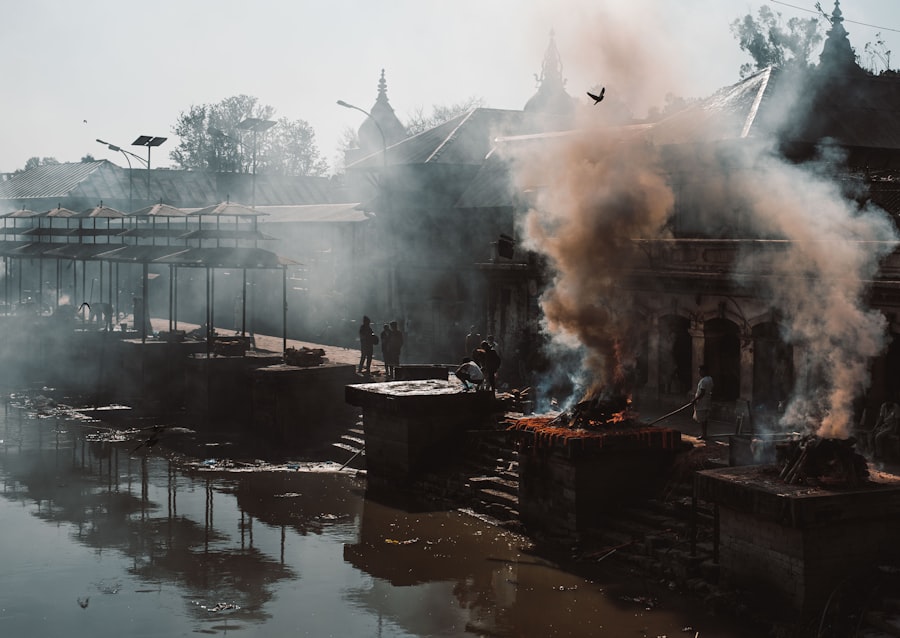
The suppression of cultural burning by colonial powers had devastating and long-lasting consequences for both the environment and Indigenous cultures.
Environmental Degradation and Increased Fire Risk
The absence of traditional fire regimes led to significant ecological imbalances.
- Altered Biodiversity: The natural mosaic of vegetation was lost as certain species that relied on fire for regeneration declined, while others that benefited from the lack of fire proliferated. This led to a decrease in overall biodiversity.
- Increased Wildfire Intensity: The accumulation of fuel loads, as previously mentioned, resulted in more frequent and intense wildfires. These fires were far more destructive, damaging ecosystems, killing wildlife, and posing a significant threat to human settlements.
- Soil Erosion and Water Quality: Uncontrolled wildfires could lead to severe soil erosion, impacting water quality in rivers and streams. The loss of vegetation cover also affected the water cycle.
- Loss of Traditional Food and Resources: The decline in native plant and animal populations directly impacted Indigenous peoples’ ability to access traditional foods and medicinal resources, further exacerbating the effects of dispossession.
Cultural Erosion and Loss of Identity
The suppression of cultural burning was not merely an ecological issue; it was a profound attack on Indigenous identity and cultural continuity.
- Erosion of Traditional Knowledge: When elders were unable to practice burning, the intergenerational transmission of this vital knowledge was disrupted. This led to the erosion and eventual loss of invaluable ecological wisdom.
- Severing of Spiritual Connections: The inability to care for Country through fire meant a weakening of the spiritual connection Indigenous peoples had with their land. The land, no longer actively managed through traditional practices, could feel neglected and disconnected from its custodians.
- Cultural Trauma and Disempowerment: The forced abandonment of cultural practices, coupled with the violence and discrimination faced by Indigenous peoples, resulted in significant cultural trauma and a deep sense of disempowerment. The loss of the ability to practice something so central to their identity had profound psychological effects.
- Loss of Language and Lore: The stories, songs, and ceremonies associated with cultural burning often contained crucial ecological information and cultural narratives. The disruption of burning practices led to the erosion of this associated knowledge, impacting language and lore.
The Path Towards Revitalization and Reconciliation
In recent decades, there has been a growing recognition of the immense value of Indigenous knowledge systems, including cultural burning. This has paved the way for a movement towards revitalization and reconciliation.
Renewed Interest in Indigenous Fire Management
Across the globe, there is a burgeoning appreciation for the effectiveness and sustainability of Indigenous fire management practices.
- Scientific Validation: Western science is increasingly validating the ecological principles behind cultural burning, recognizing its efficacy in managing landscapes and reducing wildfire risk.
- Indigenous Leadership: Indigenous communities themselves are at the forefront of this revitalization, reasserting their rights and responsibilities to care for their Country.
- Partnerships and Collaboration: Increasingly, land management agencies and researchers are collaborating with Indigenous peoples, recognizing them as vital partners in fire management. This involves sharing knowledge, co-designing management plans, and supporting Indigenous-led initiatives.
- Community-Based Initiatives: Grassroots movements and community-led projects are emerging, where Indigenous elders and younger generations are working together to relearn and re-implement cultural burning practices.
Challenges and Opportunities in Revitalization
The journey towards revitalizing cultural burning is not without its obstacles, but it also presents significant opportunities.
- Rebuilding Capacity: Decades of suppression have led to a loss of capacity and the need to rebuild the skills and knowledge base. This requires dedicated training programs and mentorship.
- Navigating Bureaucracy: Indigenous communities often face bureaucratic hurdles and complex regulations when seeking to implement cultural burning practices on their ancestral lands, particularly where those lands are now managed by government agencies.
- Securing Funding and Resources: Adequate funding and resources are crucial for supporting Indigenous fire management initiatives, including the employment of fire practitioners, the purchase of equipment, and the development of necessary infrastructure.
- Addressing Ongoing Colonial Legacies: The deep-seated impacts of colonization, including trauma and systemic discrimination, continue to present challenges. Reconciliation efforts are essential to address these ongoing issues.
- Opportunities for Education and Awareness: The revitalization of cultural burning offers a powerful opportunity to educate the wider public about Indigenous cultures, their connection to Country, and the importance of sustainable land management practices.
The complex relationship between colonization and cultural practices such as burning is highlighted in various discussions about indigenous land management. For instance, an insightful article explores the geopolitical implications of resource extraction in Antarctica, shedding light on how colonization impacts environmental stewardship and indigenous rights. You can read more about this topic in the article on the geopolitical race for Antarctic resources here. This connection emphasizes the importance of recognizing traditional ecological knowledge in the face of modern exploitation.
The Future of Cultural Burning: A Vision for Coexistence
| Country | Colonization Period | Cultural Burning Practices |
|---|---|---|
| Australia | Late 18th century to early 20th century | Aboriginal people have been practicing cultural burning for thousands of years |
| United States | 17th century to 19th century | Native American tribes have a long history of cultural burning |
| Canada | 15th century to 19th century | Indigenous peoples in Canada have used cultural burning for centuries |
The future of cultural burning lies in its integration and recognition as a vital tool for contemporary land management, alongside Western scientific approaches. This represents a paradigm shift from a history of suppression to one of collaboration and respect.
The Interplay of Traditional and Modern Fire Management
The most effective approach to fire management in the future will likely involve a synergistic blending of Indigenous knowledge and modern scientific techniques.
- Complementary Approaches: Cultural burning can complement and enhance existing fire management strategies by providing a more nuanced and holistic approach to landscape health.
- Adaptive Management: Both traditional and modern approaches emphasize adaptive management – the ability to learn from experience and adjust strategies accordingly. This shared principle forms a strong foundation for collaboration.
- Integrated Fire Planning: The development of integrated fire management plans that incorporate the principles of cultural burning alongside hazard reduction and ecological restoration efforts can lead to more resilient and sustainable landscapes.
- Empowering Indigenous Landholders: Supporting Indigenous peoples in their inherent right and responsibility to manage their Country through cultural burning is a crucial step towards self-determination and effective land stewardship.
The Role of Reconciliation in Fire Management
Reconciliation, in its broadest sense, involves acknowledging the wrongs of the past and working towards a more equitable future. In the context of fire management, this translates to a genuine partnership with Indigenous peoples.
- Recognition of Sovereignty: Acknowledging Indigenous sovereignty over their traditional lands and their inherent right to practice cultural burning is fundamental.
- Restitution and Reparation: This can involve not only financial and material restitution but also the active support and facilitation of cultural practices that were suppressed.
- Truth-Telling and Education: Open and honest conversations about the history of colonization and its impact on Indigenous land management are essential for fostering understanding and empathy.
- Building Trust: The long history of broken promises and systemic discrimination requires a concerted effort to build trust between Indigenous communities and government agencies. This is achieved through genuine engagement, consistent support, and shared decision-making.
The relationship between colonization and cultural burning is a somber testament to the destructive power of imposed systems and the resilience of Indigenous knowledge. By understanding this complex history, embracing the wisdom of cultural burning, and committing to genuine reconciliation, a future can be forged where fire is once again a tool for healing, regeneration, and the continued flourishing of both people and Country. The suppression of cultural burning was a wound inflicted upon the land and its custodians; its revitalization is a vital act of healing and a path towards a more sustainable and respectful coexistence.

The Wilderness Was Engineered
FAQs
What is colonization?
Colonization refers to the process by which a country or group of people establish control over a foreign land and its inhabitants, often through settlement, exploitation, and imposition of their own culture and beliefs.
What is cultural burning?
Cultural burning is a traditional practice of land management by Indigenous peoples, involving controlled burning of vegetation for various purposes such as promoting biodiversity, reducing fuel load, and maintaining cultural and spiritual connections to the land.
How has colonization impacted cultural burning practices?
Colonization has disrupted and suppressed traditional cultural burning practices of Indigenous peoples by imposing Western land management policies and restricting their access to and use of land. This has led to ecological imbalances and loss of traditional knowledge.
What are the benefits of cultural burning?
Cultural burning has numerous benefits, including reducing the risk of catastrophic wildfires, promoting biodiversity, improving soil health, and preserving cultural and spiritual connections to the land. It also supports the transmission of traditional ecological knowledge.
What efforts are being made to revive and support cultural burning practices?
Efforts are being made to revive and support cultural burning practices through collaborations between Indigenous communities, government agencies, and conservation organizations. This includes recognizing and integrating traditional knowledge into land management policies and practices.