The dawn of humanity was a precarious existence, a constant dance with the unforgiving forces of nature. Survival was not a guarantee, but a hard-won victory achieved through an intricate tapestry of cooperation, resourcefulness, and mutual reliance. In the vast expanse of primitive history, where individual strength alone was often insufficient against the myriad threats, the collective spirit of community emerged as the bedrock of human persistence. This article explores the multifaceted ways in which community cooperation served as the indispensable key to survival for our earliest ancestors.
The Imperative of Collective Action
The very essence of survival in primitive societies revolved around shared endeavors. The challenges faced by early humans were not solitary problems but collective threats that demanded unified responses. From securing sustenance to defending against predators and navigating the complexities of early social structures, the power of the group was paramount. The individual hunter, however skilled, could rarely bring down the largest game or effectively fend off a pack of predators. It was the coordinated efforts of a hunting party, each member playing a specific role, that maximized the chances of success and minimized the risks.
Sustenance Through Shared Foraging and Hunting
The acquisition of food was perhaps the most immediate and pressing concern for primitive communities. Foraging for edible plants, nuts, and berries required extensive knowledge of the local flora, often passed down through generations. While some individuals might possess exceptional skills in identifying and gathering specific resources, a cooperative approach ensured a more consistent and diverse food supply. Different members of the group could specialize in particular foraging areas or techniques, contributing to a shared larder that benefited everyone.
Hunting, a more dangerous yet potentially more rewarding pursuit, absolutely necessitated teamwork. Early humans likely developed sophisticated hunting strategies that involved tracking, ambushing, and driving prey towards prepared traps or into advantageous positions. This required intricate communication, precise timing, and a shared understanding of individual roles. A lone hunter might scare away potential prey or fall victim to the very animal they sought to capture. Conversely, a coordinated group could bring down larger, more dangerous animals, providing a significant and sustained source of protein and other vital nutrients. The success of a hunt was not merely a personal triumph but a collective achievement that sustained the entire community.
Protection from Predators and Environmental Hazards
Beyond the quest for food, primitive humans faced constant threats from predators. The savanna, the forests, and the early landscapes were home to formidable creatures that saw humans as potential prey. A single individual, especially the young, the old, or the infirm, would have been incredibly vulnerable. The formation of cohesive groups provided a formidable deterrent. A larger number of individuals, especially when armed with rudimentary tools, could present a united front, making them less appealing targets for predators.
Furthermore, communities developed shared strategies for defense. This might have involved establishing communal shelters, organizing sentry duty, or developing alarm systems to warn of approaching dangers. The collective vigilance of the group, where each member contributed to the safety of all, significantly reduced the risk of individual demise. Environmental hazards, such as harsh weather conditions, floods, or droughts, also posed significant threats. Cooperative efforts were essential for building sturdy shelters that could withstand the elements, for finding and transporting water during dry spells, and for migrating to safer locations when necessary.
The Role of Specialized Skills and Knowledge Sharing
Within any primitive community, a natural division of labor and a sharing of specialized skills would have arisen. While not formalized in the way modern societies understand it, individuals would have gravitated towards tasks where they possessed natural aptitude or had acquired particular expertise. Some might have been exceptionally skilled toolmakers, others adept at fire-making, while others still possessed a profound understanding of medicinal plants.
The key to survival lay not just in individual skill but in the willingness to share this knowledge and expertise. A skilled flintknapper could teach others the basics of tool creation, ensuring that the community had a steady supply of essential implements for hunting, defense, and daily tasks. Those with knowledge of edible and medicinal plants could guide others in their gathering, preventing accidental poisoning and providing remedies for common ailments. This intergenerational transfer of knowledge, facilitated by a cooperative spirit, was crucial for adapting to changing environments and overcoming new challenges.
In examining the significance of community cooperation in primitive history, one can draw valuable insights from the article on ancient technologies and the collaborative efforts that likely facilitated their development. This article highlights how early human societies relied on collective knowledge and shared resources to innovate and thrive. For a deeper understanding of these dynamics, you can read more about it in the article titled “Forbidden Ancient Technology: Secrets Unearthed” available at this link.
The Foundations of Social Cohesion
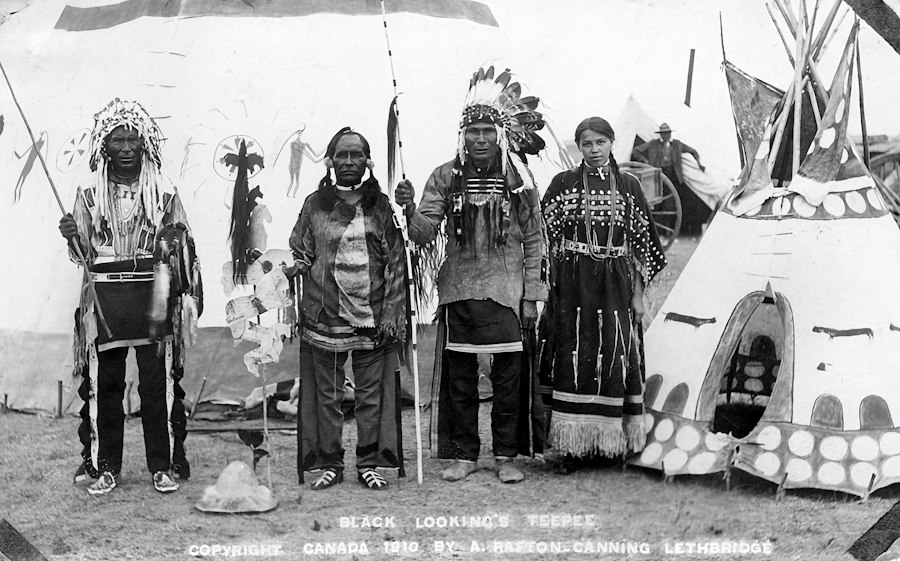
The survival of primitive communities was not solely a matter of practical necessity; it was also deeply rooted in the development of social bonds and structures that fostered trust, reciprocity, and a sense of belonging. These intangible elements, forged through shared experiences and mutual obligations, provided the emotional and psychological resilience needed to face the harsh realities of their existence. Cooperation was not merely a strategic advantage but an intrinsic part of their social fabric.
Establishing Trust and Reciprocity
In a world where betrayal could have fatal consequences, the establishment of trust was paramount. The constant interaction and interdependence within a community fostered an environment where individuals learned to rely on one another. Acts of kindness, support, and shared sacrifice were likely rewarded with reciprocal behavior, creating a cycle of mutual aid that strengthened social bonds. This principle of reciprocity, where giving and receiving were balanced, formed the bedrock of cooperation. If one member was injured or unable to contribute, others would step in to ensure their well-being, with the understanding that this support would be reciprocated in times of need.
The Development of Communication and Shared Norms
Effective communication, even in its most rudimentary forms, was essential for coordinating actions and conveying vital information. Gestures, vocalizations, and eventually, early forms of language, allowed individuals to alert others to danger, share information about resources, and plan collective activities. The development of shared norms and expectations, even if unwritten, guided behavior and minimized conflict within the group. These norms likely revolved around principles of fairness, sharing, and mutual respect, ensuring that individuals understood their roles and responsibilities within the community.
Rituals, Storytelling, and the Transmission of Culture
Beyond the practical aspects of survival, communities also developed rich cultural traditions that served to unite them and transmit essential knowledge. Rituals, whether related to hunting, birth, or death, provided a sense of continuity and shared identity. Storytelling played a vital role in educating younger generations about the history of their people, the dangers of their environment, and the values that underpinned their society. These shared narratives reinforced group cohesion, fostered a sense of belonging, and instilled a common purpose, all of which contributed to collective resilience.
Overcoming Individual Limitations Through Collaboration

The primitive world was a place where individual limitations could quickly become fatal. A single person might be ill, injured, or simply lack the strength or skill to perform a vital task. It was within the cooperative framework of the community that these individual vulnerabilities were mitigated, allowing the group as a whole to thrive and endure.
Care for the Vulnerable: The Young, the Old, and the Injured
In many animal species, the young, the old, and the infirm are often left to fend for themselves or are simply abandoned. However, human societies distinguished themselves through their remarkable capacity for caring for their most vulnerable members. The presence of elders, for instance, was invaluable. They possessed a wealth of accumulated knowledge and experience, acting as living repositories of survival strategies, environmental wisdom, and social customs. Their guidance was essential for younger generations, and their survival was ensured through the communal provision of food and shelter.
Similarly, injured individuals, while unable to actively contribute to hunting or defense, were often cared for by the community. This might have involved providing them with food, tending to their wounds, and offering protection. This commitment to the well-being of all members, even those who were temporarily or permanently unable to contribute directly, demonstrated a sophisticated understanding of long-term survival. A healthy and supported community, with all its members cared for, was a stronger and more resilient community.
The Power of Collective Problem-Solving
When faced with new and unexpected challenges, primitive communities benefited immensely from collective problem-solving. The diversity of perspectives and experiences within a group allowed for a more comprehensive approach to finding solutions. A problem that might stump an individual could be readily overcome by the combined intellect and ingenuity of the community. This iterative process of observation, discussion, and experimentation, facilitated by cooperative interaction, led to the development of new tools, techniques, and strategies for survival.
Building and Maintaining Infrastructure
Even in its most basic forms, the construction and maintenance of communal infrastructure required cooperation. This could range from the simple act of clearing an area for a campsite to the more complex task of building communal shelters that offered protection from the elements. The collective effort involved in tasks such as gathering materials, preparing the site, and constructing the dwelling ensured that these essential resources were available to all members of the group. This shared investment in infrastructure fostered a sense of ownership and responsibility, further strengthening community bonds.
The Evolutionary Advantage of Cooperation
From an evolutionary perspective, cooperation was not merely a social nicety but a powerful selective force that shaped the trajectory of human development. Communities that excelled in cooperation were demonstrably more successful at surviving and reproducing than those that did not, leading to the proliferation of cooperative behaviors and social structures.
Increased Survival Rates and Reproductive Success
As previously discussed, cooperative communities experienced higher survival rates due to their enhanced ability to secure food, defend themselves, and care for their vulnerable members. This directly translated into greater reproductive success. More individuals survived to adulthood and were able to contribute to the continuation of the gene pool. The evolutionary advantage of cooperation meant that traits and behaviors associated with it were more likely to be passed down to future generations.
Adaptation to Diverse and Changing Environments
The ability to cooperate allowed early human groups to adapt to a wide range of environments, from the frigid tundras to the scorching savannas. The collective knowledge and resourcefulness of a cooperative group enabled them to develop specialized strategies for survival in each unique setting. Furthermore, when environmental conditions changed, cooperative communities were better equipped to respond. Their shared learning and problem-solving abilities allowed them to innovate and adjust their behaviors and technologies to meet new challenges, a crucial factor in long-term species survival.
The Precursor to Complex Societies
The cooperative foundations laid in primitive history were the essential building blocks for the development of increasingly complex human societies. The principles of shared responsibility, mutual aid, and collective action that enabled survival in the face of immediate threats also paved the way for the emergence of more sophisticated social organizations, division of labor, and specialized roles that characterized later civilizations. The human capacity for large-scale cooperation, honed over millennia of primitive existence, is arguably our species’ most defining and enduring trait.
The significance of community cooperation in primitive history is underscored by various studies that highlight how early human societies thrived through collaboration and shared resources. This aspect of social interaction not only fostered survival but also laid the groundwork for the development of complex cultures. For instance, an intriguing article discusses the intricate mapping techniques of the Ottoman Empire, which illustrates how collective knowledge and cooperation were essential in navigating and understanding the world. You can read more about this fascinating topic in the article on Ottoman cartography.
The Enduring Legacy of Primitive Cooperation
| Aspect | Metric/Data | Significance |
|---|---|---|
| Group Size | 20-50 individuals | Optimal for resource sharing and protection |
| Food Sharing | Up to 70% of food shared within group | Ensured survival during scarcity |
| Hunting Cooperation | 70-90% of successful hunts involved group effort | Increased efficiency and safety |
| Child Rearing | Alloparenting by multiple adults | Improved child survival rates |
| Defense Against Predators | Group vigilance reduced attacks by 50% | Enhanced protection for members |
| Resource Management | Shared knowledge of seasonal resources | Optimized resource use and sustainability |
The challenges faced by our earliest ancestors were immense. The world was a dangerous and unpredictable place, and individual existence was a fragile affair. Yet, humanity not only survived but thrived, a testament to the profound power of community cooperation. The lessons learned in those distant epochs continue to resonate today, reminding us that our greatest strengths often lie not in solitary endeavors, but in our ability to work together, to support one another, and to build something greater than the sum of our individual parts.
From Hunter-Gatherer Bands to Global Interdependence
The transition from small, nomadic hunter-gatherer bands to the sprawling metropolises and interconnected global networks of the present day is a direct lineage traceable to the cooperative impulses of our primitive past. The fundamental principles of shared effort, mutual reliance, and collective problem-solving that ensured survival in the Stone Age have been scaled up and adapted to meet the demands of increasingly complex societal structures. Whether it is a village working together to build a community garden or nations collaborating on global health initiatives, the spirit of cooperation remains an indispensable force.
The Continuing Importance of Social Bonds
In an era often characterized by individual pursuits and technological isolation, the enduring importance of social bonds cannot be overstated. The challenges of modern life, from economic instability to environmental concerns, still demand collective action and a strong sense of community. The lessons from primitive history remind us that our well-being, both individually and collectively, is inextricably linked to the strength of our social connections and our willingness to cooperate for the common good. The survival of our species, in the face of contemporary challenges, will undoubtedly continue to hinge on our capacity for effective and compassionate cooperation, a legacy forged in the crucible of primitive history.
➡️Life 20,000 Years Ago | When Strangers Claim Your Winter Shelter 🚨
FAQs
What role did community cooperation play in the survival of primitive societies?
Community cooperation was essential for the survival of primitive societies as it allowed individuals to pool resources, share knowledge, and work together to hunt, gather, and protect against threats. This collaboration increased efficiency and ensured that basic needs such as food, shelter, and safety were met, which was crucial for the survival of early human groups.
How did community cooperation influence social structures in primitive history?
Community cooperation led to the development of social structures based on mutual aid and shared responsibilities. As individuals worked together, they formed bonds and established roles within the group, which contributed to the emergence of leadership, division of labor, and social hierarchies. These structures helped maintain order and facilitated the functioning of the community.
What were some examples of community cooperation in primitive societies?
Examples of community cooperation in primitive societies include collective hunting expeditions, where groups would coordinate their efforts to track and capture large game, and communal gathering of food resources, such as fruits and nuts. Additionally, many tribes practiced shared childcare and communal living arrangements, which fostered a sense of belonging and support among members.
How did community cooperation contribute to cultural development in primitive history?
Community cooperation facilitated cultural development by enabling the sharing of ideas, traditions, and practices among group members. As individuals collaborated, they exchanged knowledge about tools, techniques, and survival strategies, which led to innovations and the establishment of cultural norms. This exchange of information helped shape the identity and cohesion of the community.
What impact did community cooperation have on conflict resolution in primitive societies?
Community cooperation played a significant role in conflict resolution by promoting dialogue and consensus-building among group members. When disputes arose, cooperative communities often relied on mediation and collective decision-making to address grievances, which helped maintain harmony and reduce the likelihood of violence. This approach fostered a sense of unity and reinforced social bonds within the group.