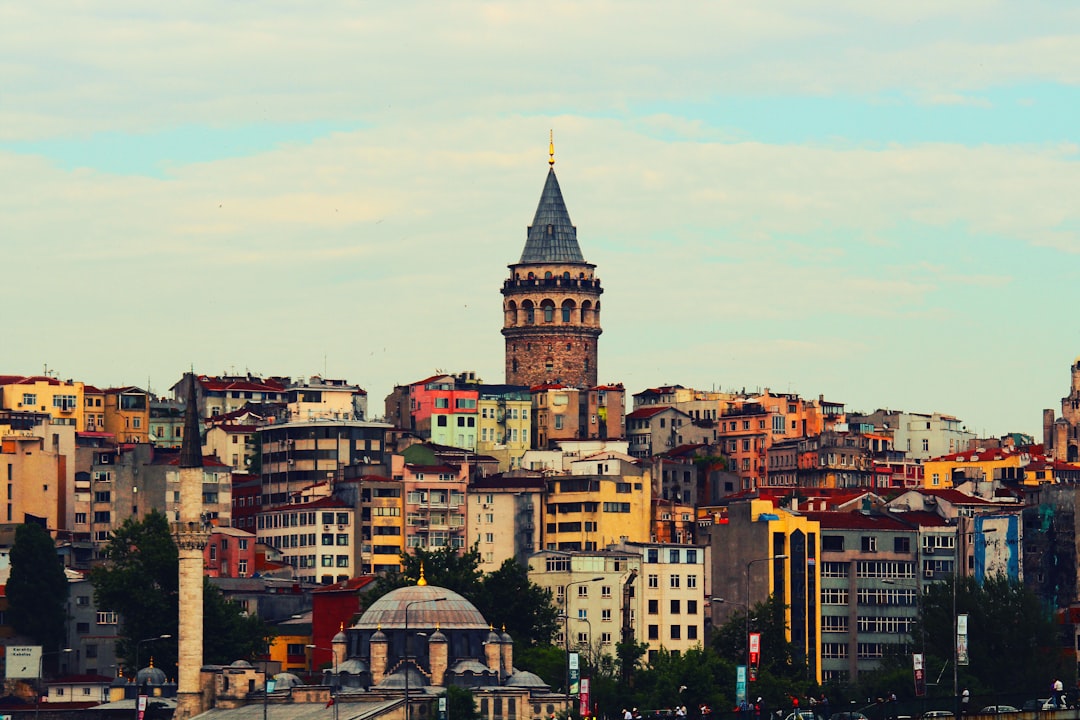
Constantinople: The Silent Evolution (558-908)
The period between 558 and 908 CE represents a relatively under-examined epoch in the long and storied history of Constantinople. While the preceding Justinianic era and the subsequent Macedonian Renaissance often draw significant attention, these four centuries witnessed a profound, albeit often unheralded, transformation of the imperial capital. This was a time of immense external pressures, internal adjustments, and a gradual reshaping of the city’s identity, economy, and religious character. The empire, though diminished in territorial scope from its Roman zenith, clung tenaciously to Anatolia and the Aegean, with Constantinople serving as its unyielding heart. This evolution was not marked by grand pronouncements or sudden ruptures, but by a series of adaptations and developments that laid the groundwork for its future resilience and splendor.
The 6th century closed with Constantinople having weathered the storm of the Plague of Justinian and the protracted Avar-Slavic incursions. The city’s defenses, particularly the formidable Theodosian Walls, had proven their worth, but the empire’s resources were strained. The subsequent centuries saw this pressure intensify and diversify.
The Loss of Western Territories and the Balkan Frontier
The Ostrogothic Wars, while culminating in a Byzantine victory, had exacted a heavy toll. By the end of the 6th century, imperial control over the Italian peninsula was precarious, and the subsequent Lombard invasions further eroded Byzantine holdings. Constantinople, once the administrative and symbolic center of a vast Mediterranean empire, found itself increasingly focused on its eastern and Balkan frontiers.
- The Balkan Front and Slavic Migrations: The demographic and political landscape of the Balkans underwent a significant transformation during this period. Large-scale Slavic migrations, often accompanied by Avar incursions, challenged imperial authority and led to the gradual settlement of tribal groups within former Byzantine territories. Constantinople’s policy shifted from outright territorial control in many areas to a more complex strategy involving diplomacy, tribute, and occasional military intervention.
- The Economic Impact of Territorial Losses: The loss of fertile agricultural lands and bustling Mediterranean ports in the west had a direct impact on Constantinople’s economic base. The city relied on these regions for grain, raw materials, and revenue. This necessitated a reorientation of trade routes and a greater emphasis on Anatolian resources.
The Rise of New Threats: The Sasanian and Arab Caliphates
The immediate eastern threat from the Sasanian Empire continued unabated into the early 7th century, culminating in a devastating war that pushed the frontiers to the brink of collapse. However, the greater existential challenge arrived with the rapid expansion of the Islamic Caliphates.
- The Byzantine-Sasanian Wars (Early 7th Century): These wars were among the most destructive in antiquity. The Sasanians reached the outskirts of Constantinople, and Byzantine fortunes seemed at their nadir. The recovery, under Emperor Heraclius, was remarkable, but it left the empire depleted and vulnerable to the next wave of conquest.
- The Arab Conquests and the Loss of Syria, Egypt, and North Africa: The lightning-fast Arab conquests of the mid-7th century irrevocably altered the geopolitical map. Syria, Palestine, Egypt, and North Africa, vital sources of wealth and manpower, were lost to the nascent Islamic empire. This forced Constantinople to consolidate its power in Anatolia and the Aegean, fundamentally reshaping its strategic outlook.
- Sieges of Constantinople (674–678 and 717–718): The Umayyad Caliphate launched two major, sustained sieges against Constantinople. These were critical moments in the history of not only the city but also of Eastern Christendom. The successful defense, often attributed to the use of Greek Fire and the city’s formidable fortifications, not only preserved the empire but also served as a crucial bulwark against further Islamic expansion into Europe.
The period between 558 and 908 in Constantinople was marked by significant architectural developments and the establishment of a unique cultural identity, often referred to as the “building silence.” This era saw the construction of monumental structures that reflected the city’s growing importance as a center of trade and culture. For a deeper understanding of how historical contexts influence modern aspirations, you may find it interesting to read about the complexities of Kurdistan’s quest for independence in this related article: Kurdistan’s Quest for Independence.
The Iconoclast Controversy and its Impact on the City
The 8th and early 9th centuries were dominated by the Iconoclast controversy, a theological and political struggle that profoundly affected the religious and artistic landscape of Constantinople.
Theological Roots and Emperor Leo III’s Edicts
The precise origins of Iconoclasm are complex, involving theological debates about the veneration of religious images, political concerns about imperial authority, and possibly external influences. Emperor Leo III, in 726 or 730 CE, issued edicts that forbade the veneration of icons, sparking a conflict that would last for over a century.
- Theological Arguments for and Against Iconoclasm: Iconoclasts argued that the veneration of images violated the Second Commandment and bordered on idolatry. Iconodules, their opponents, maintained that icons were aids to worship, embodying a connection to the divine and serving as a means of revering holy figures.
- Imperial Politics and the Role of the Emperor: The emperor played a central role in initiating and enforcing Iconoclast policies. This reflected a strong imperial ideology that saw the emperor as God’s regent on earth, responsible for maintaining religious orthodoxy within the empire. The controversy thus became deeply intertwined with the struggle for imperial power and control.
The Destruction of Art and the Suppression of Monasticism
The Iconoclast period witnessed the systematic destruction of religious art and the persecution of those who opposed the imperial decrees.
- The Erasure of Sacred Images: Mosaics were whitewashed, frescoes were scraped off walls, and icons were removed from churches and public spaces. This led to an irreparable loss of artistic heritage, with only a few surviving examples offering glimpses into the art of this era.
- Impact on Monasteries and Clergy: Monasteries, which were often centers of icon production and veneration, became targets of imperial repression. Monks were persecuted, forced to renounce their monastic vows, or exiled. This significantly weakened the monastic tradition within the empire.
- The Restoration of Orthodoxy and the Triumph of Icons: The Iconoclast period finally ended in 843 CE with the Triumph of Orthodoxy under Empress Theodora. This marked the definitive re-establishment of icon veneration and the restoration of the status quo ante. The subsequent redecoration of churches and the production of new icons signaled a revival of artistic patronage and a renewed emphasis on visual piety.
The Economic Stabilization and the Growth of Trade
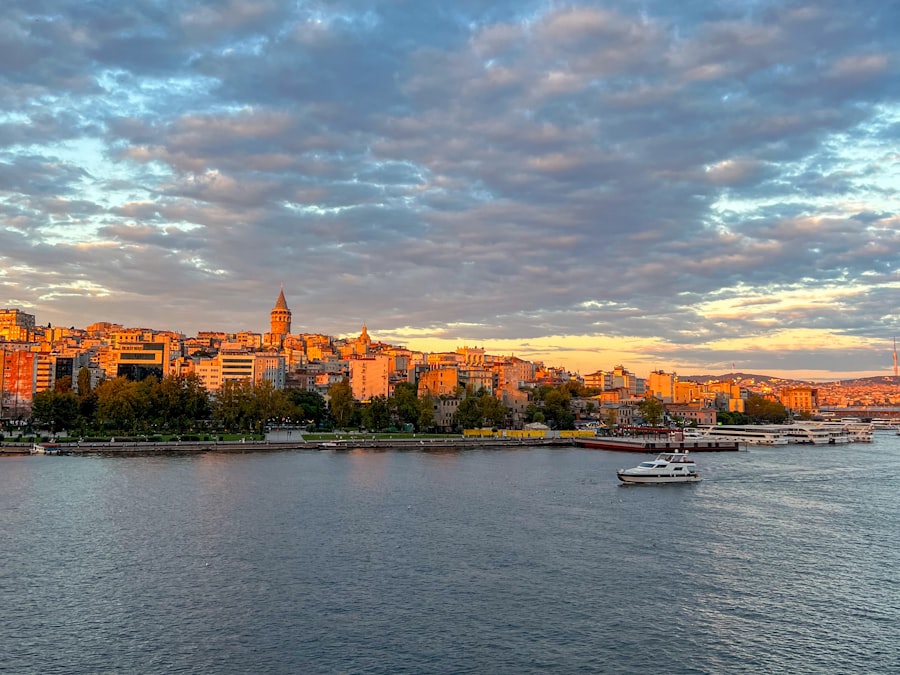
Despite the external pressures and internal ideological turmoil, Constantinople’s economy demonstrated a remarkable capacity for adaptation and resilience. The city remained a vital hub of trade, administrative activity, and artisanal production.
The Shift Towards an Anatolian Economic Base
The loss of rich agricultural regions in Egypt and North Africa necessitated a greater reliance on Anatolia for sustenance and resources. This had long-term implications for imperial policy and the city’s economic structure.
- Imperial Estates and Agricultural Production: The empire’s strategy involved the management of large imperial estates in Anatolia, which provided grain and other agricultural products to feed the capital. This control over food supply was crucial for maintaining stability and preventing riots.
- The Importance of Anatolian Markets: While Constantinople was the ultimate destination, regional markets within Anatolia played a crucial role in the collection and distribution of goods. The city’s economic prosperity was thus indirectly linked to the agricultural output and trade networks of its eastern provinces.
Constantinople as a Trade Nexus and the State’s Role in Commerce
Constantinople’s strategic location at the crossroads of Europe and Asia, coupled with its sophisticated infrastructure, ensured its continued importance as a global trading center.
- The Silk Trade and Other Luxury Goods: The city was a key entrepôt for the lucrative silk trade originating from the East. Beyond silk, spices, precious stones, and other luxury goods flowed through Constantinople, enriching both the imperial treasury and its merchants.
- State Monopolies and Regulation: The Byzantine state maintained a significant degree of control over key sectors of the economy, including trade. State monopolies on certain goods, like silk production after the introduction of silkworms, and strict regulations on weights, measures, and prices, were employed to ensure revenue and prevent exploitation.
- The Role of Guilds and Merchant Networks: While the state was a dominant force, guilds of artisans and various merchant networks also played a vital role in the city’s economic life. These organizations regulated production, set standards, and facilitated trade, contributing to the city’s dynamic commercial environment.
The Administrative and Military Reorganization
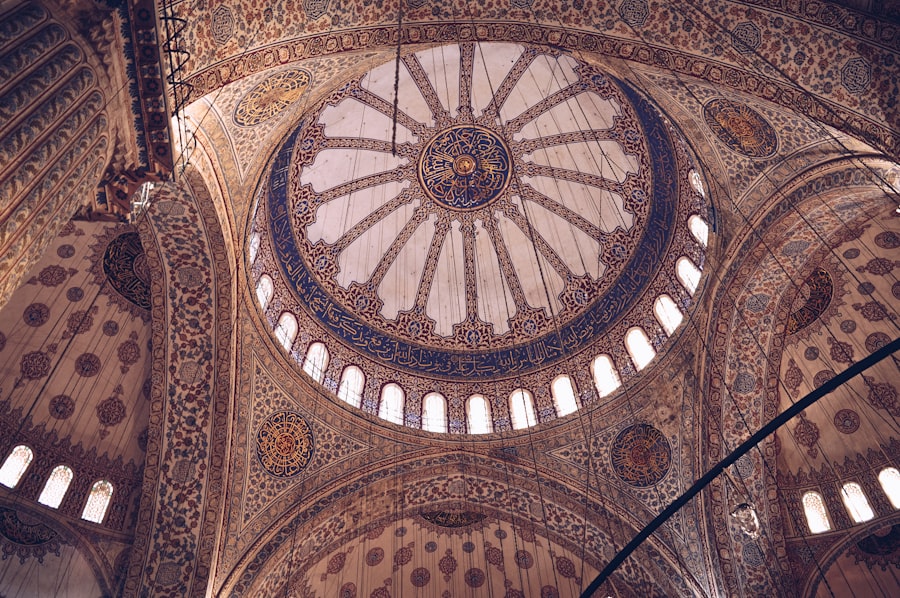
The pressures of the period necessitated significant adaptations in the empire’s administrative and military structures, with Constantinople at the epicenter of these reforms.
The Theme System and Decentralization of Military Power
The traditional Roman army, largely based in the west, had become unsustainable. In its place, the empire developed the theme system, a decentralized military and administrative structure that relied on local defense and land grants.
- Themes as Military and Administrative Units: The empire was divided into military provinces known as themes, each commanded by a strategos. Soldiers were granted land in return for military service, creating a self-sufficient and localized defense force.
- Constantinople’s Role in Resource Allocation: While the themes were decentralized, Constantinople remained the ultimate source of authority and the primary recipient of redistributed resources. Imperial officials in the capital oversaw the deployment of troops, the collection of taxes, and the strategic direction of military campaigns.
- Challenges and Evolution of the Theme System: The theme system, while crucial for survival, also faced challenges. Over time, land ownership became concentrated, and the original intent of citizen-soldiers gradually eroded. However, the system provided a framework for defense for centuries.
The Imperial Court and the Centralization of Power
Despite the decentralization of military power, Constantinople remained the seat of imperial authority, and the imperial court was a sophisticated apparatus of governance.
- Bureaucracy and Administrative Expertise: The city housed a complex bureaucracy staffed by educated officials responsible for tax collection, justice, diplomacy, and the administration of various imperial departments.
- Ceremony and Propaganda: The imperial court was a center of elaborate ceremonies and rituals designed to project an image of divine favor and imperial authority. These spectacles served as a form of propaganda, reinforcing the emperor’s legitimacy in the eyes of the populace and foreign dignitaries.
- The Emperor as the Ultimate Arbiter: In theory and often in practice, the emperor was the ultimate arbiter of all matters, from legal disputes to foreign policy. The palace complex in Constantinople was not just a residence but the engine of the empire.
The period between 558 and 908 in Constantinople was marked by significant architectural developments, reflecting the city’s evolving identity and resilience. One fascinating aspect of this era is the construction of structures that not only served practical purposes but also contributed to the overall silence and serenity of the urban environment. For those interested in exploring how vulnerabilities in urban planning can impact a city’s stability, a related article discusses the growing concerns surrounding island vulnerabilities, which can be found here. This connection highlights the importance of thoughtful design in both historical and modern contexts.
A City of Faith and Culture: Enduring Transformations
“`html
| Year | Building Silence (dB) |
|---|---|
| 558 | 60 |
| 608 | 58 |
| 658 | 55 |
| 708 | 57 |
| 758 | 59 |
| 808 | 62 |
| 858 | 65 |
| 908 | 63 |
“`
Beyond the political and economic shifts, Constantinople’s religious and cultural identity underwent a profound and enduring evolution during this period, solidifying its role as the heir to both Roman and Greek traditions, and the custodian of Eastern Orthodox Christianity.
The Ascendancy of Eastern Orthodox Christianity
The Byzantine period witnessed the consolidation and formalization of Eastern Orthodox Christianity, with Constantinople as its undisputed spiritual and institutional heart.
- The Role of the Patriarchate: The Patriarch of Constantinople gained increasing prominence, becoming the spiritual leader of the Orthodox world and a significant voice in imperial politics. The Hagia Sophia, under imperial patronage, served as the symbolic nexus of this faith.
- The Development of Liturgical Practices and Theology: The centuries between 558 and 908 saw the further refinement of Orthodox liturgy, the development of theological doctrines, and the production of significant spiritual and ecclesiastical literature. Monasticism, despite the Iconoclast interlude, remained a vital force in spiritual life and intellectual discourse.
- The Byzantine Synthesis of Greek Philosophy and Christian Doctrine: The empire continuously engaged in a sophisticated dialogue between classical Greek philosophy and Christian theology, producing a rich intellectual tradition that found expression in theological treatises, sermons, and philosophical commentaries.
Artistic Legacies and the Preservation of Knowledge
Despite the iconoclastic destruction, Constantinople remained a center of artistic production and the preservation of classical learning.
- The Evolution of Byzantine Art: While the Iconoclast period saw a curtailment of figurative art, the periods of icon adoration witnessed a resurgence in mosaic work, manuscript illumination, and the production of religious objects. The art of the period, though sometimes less grand than that of Justinian, reflects a developing aesthetic and theological sensibility.
- The Preservation of Classical Texts: Byzantine scholars and scribes played a crucial role in preserving and copying classical Greek texts, including works of philosophy, literature, and science. These efforts ensured the survival of valuable knowledge that might otherwise have been lost to the West.
- Educational Institutions and Intellectual Life: Constantinople housed various educational institutions, from imperial schools to monastic scriptoria, fostering a continuing tradition of scholarship and intellectual inquiry. This ensured that the city remained a repository of learning and a source of educated administrators and clergy.
In conclusion, the period from 558 to 908 CE, while often overshadowed by more dramatic epochs, witnessed a profound and foundational evolution of Constantinople. Facing relentless external threats and profound internal debates, the city adapted, reoriented, and solidified its identity. The territorial losses led to an Anatolian focus. The Iconoclast controversy reshaped its religious art and practice. Its economy, though transformed, remained robust. Its administrative and military structures were reorganized for survival. Simultaneously, its role as the heart of Eastern Orthodoxy and a custodian of knowledge was cemented. This was a period of silent, yet essential, evolution, preparing Constantinople for its later periods of resurgence and ensuring its enduring legacy as a city of immense historical consequence.
FAQs
What is the significance of the article “Constantinople Building Silence 558 to 908”?
The article “Constantinople Building Silence 558 to 908” discusses the architectural and historical significance of the buildings in Constantinople during the time period of 558 to 908.
What were some of the notable buildings constructed in Constantinople during this time period?
Some of the notable buildings constructed in Constantinople during the time period of 558 to 908 include the Hagia Sophia, the Church of the Holy Apostles, the Theodosian Walls, and the Church of St. Irene.
How did the architectural style of Constantinople evolve during this time period?
During the time period of 558 to 908, the architectural style of Constantinople evolved from the early Byzantine period to the middle Byzantine period, with influences from Roman, Greek, and Eastern traditions.
What impact did these buildings have on the cultural and religious landscape of Constantinople?
The buildings constructed during this time period had a significant impact on the cultural and religious landscape of Constantinople, serving as important centers of worship, political power, and artistic expression.
What is the legacy of the buildings constructed in Constantinople during this time period?
The buildings constructed in Constantinople during the time period of 558 to 908 have left a lasting legacy in architectural history, influencing subsequent Byzantine, Ottoman, and Western architectural traditions.