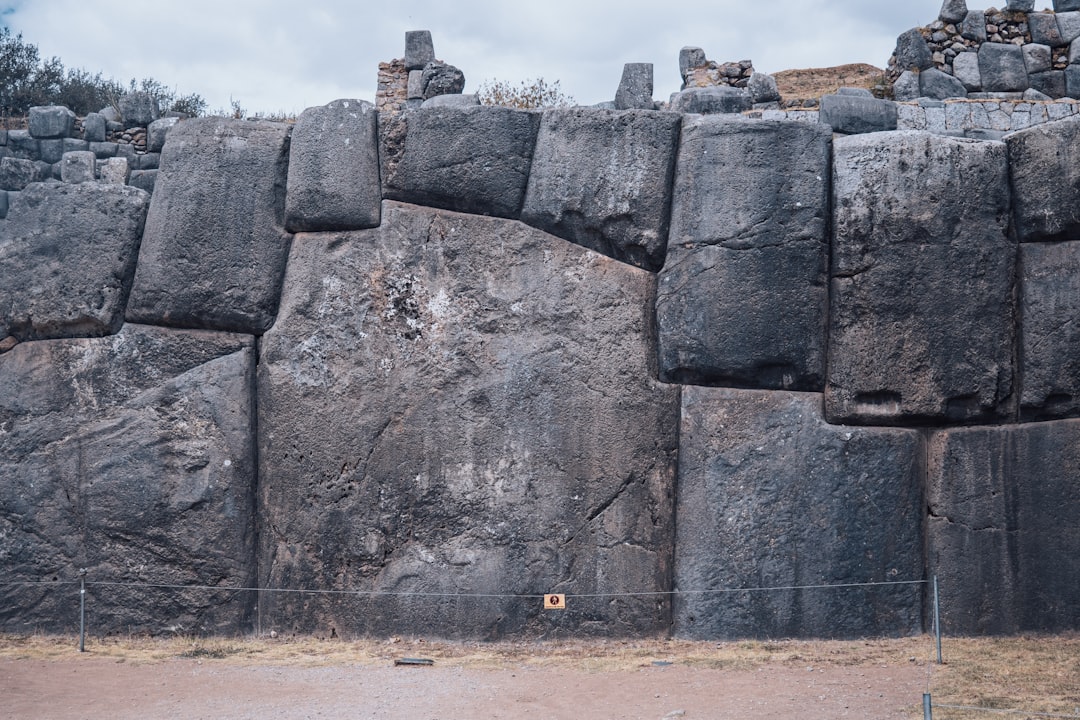
The enduring strength and aesthetic appeal of polygonal masonry have captivated builders and observers for millennia. Characterized by the precise fitting of irregular, multi-sided stones, this ancient construction technique stands as a testament to the ingenuity and skill of early civilizations. Unlike the more common ashlar masonry where stones are cut into regular rectangular blocks, polygonal masonry embraces the natural, often angular, forms of quarried stone, meticulously shaping and interlocking them to create remarkably stable and visually striking structures. From the cyclopean walls of Mycenaean Greece to the sophisticated terraces of the Inca Empire, polygonal masonry represents a sophisticated approach to stonework that prioritized strength, durability, and a harmonious integration with the landscape. This article delves into the ancient techniques employed in constructing polygonal masonry, exploring the methods of stone selection, shaping, fitting, and the underlying engineering principles that allowed these remarkable structures to withstand the test of time.
The foundation of any impressive polygonal masonry structure lies in the careful selection and preparation of the raw materials. Ancient builders understood that not all stone was suitable for this demanding technique, and significant effort was invested in choosing the right types of rock and preparing them for their intended purpose.
Identifying Suitable Stone Types
The choice of stone was paramount for polygonal masonry. Builders favored types of rock that possessed inherent qualities conducive to shaping and interlocking.
Durability and Weather Resistance
The most crucial factor in stone selection was durability. Materials that could withstand the erosive forces of weather, seismic

The Walls That Shouldn’t Still Be Standing
FAQs
1. What is polygonal masonry?
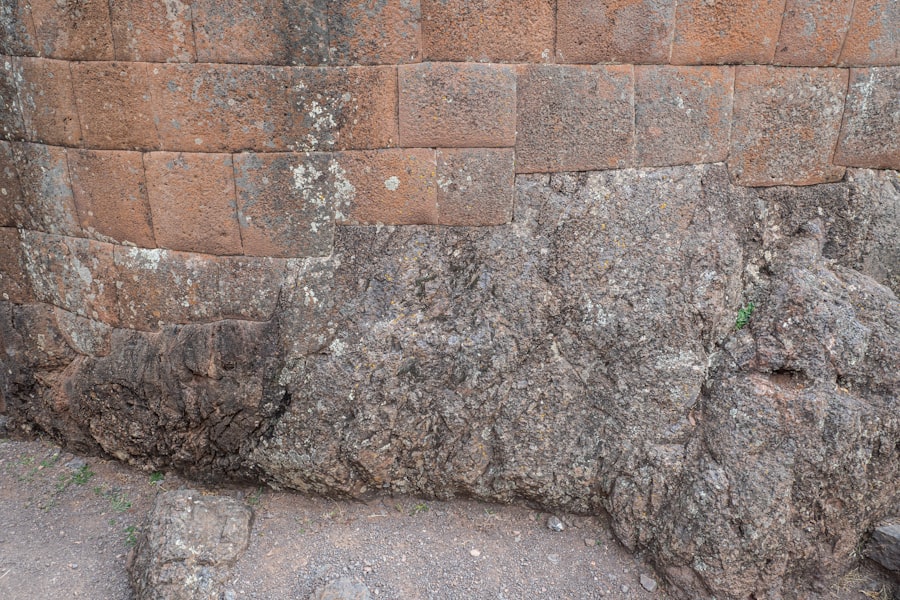
Polygonal masonry is a construction technique where stones are cut and fit together in irregular, polygonal shapes without the use of mortar. This method was commonly used in ancient civilizations such as the Inca, Greek, and Roman cultures.
2. How were the stones cut for polygonal masonry?
The stones used in polygonal masonry were typically cut using primitive tools such as hammers, chisels, and wedges. The irregular shapes were achieved by carefully shaping the stones to fit together tightly without the need for mortar.
3. What was the purpose of polygonal masonry?
Polygonal masonry was used to create strong and durable structures that could withstand seismic activity and other natural forces. The tight fitting stones provided stability and resilience to the buildings, making them long-lasting.
4. How were the stones assembled in polygonal masonry construction?
The stones were carefully fitted together by skilled craftsmen who would shape each stone to interlock with the surrounding stones. The precision of the fitting allowed for the construction of walls and structures without the need for mortar.
5. Where can examples of polygonal masonry be found today?
Examples of polygonal masonry can be found in ancient ruins and archaeological sites around the world. Some famous examples include the walls of the ancient city of Cusco in Peru, the Temple of Jupiter in Baalbek, Lebanon, and the Mycenaean walls in Greece.