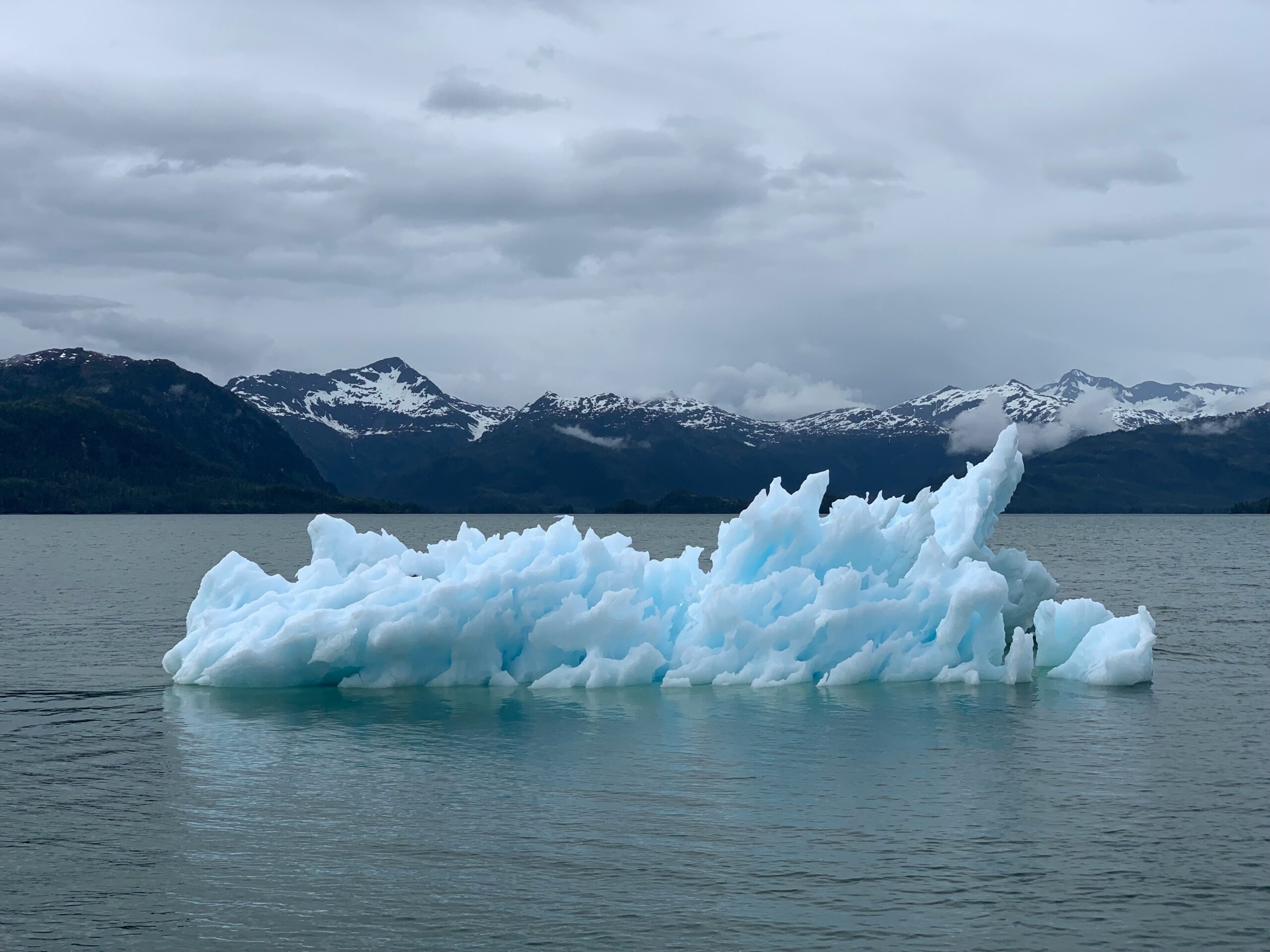
The shimmering, otherworldly blue of ancient ice, the immense power of colossal rivers of frozen water carving landscapes with patient, inexorable force, the stark yet breathtaking beauty of a world sculpted by glaciers – these are the “Frozen Wonders of the World” brought to life in the compelling documentary, Continental Glacier Documentary: Frozen Wonders of the World. This cinematic exploration takes viewers on an epic journey across the planet, delving into the formation, evolution, and profound impact of these magnificent icy giants. From the vast ice sheets of Antarctica and Greenland to the receding remnants of once mighty mountain glaciers, the documentary offers a meticulous and awe-inspiring look at a force of nature that has shaped our planet for millennia and continues to hold immense influence over our future.
In an era increasingly defined by the urgency of climate change, Continental Glacier Documentary: Frozen Wonders of the World arrives with a dual purpose: to educate and to inspire. It is not simply a visual spectacle, though it undeniably is one. It is a narrative woven with the threads of scientific understanding, anthropological history, and ecological significance. The filmmakers have painstakingly gathered footage from some of the most remote and challenging environments on Earth, collaborating with leading glaciologists, geologists, and conservationists to present a comprehensive and deeply engaging portrait of these frozen titans. The documentary’s success lies in its ability to translate complex scientific phenomena into accessible and visually stunning storytelling, making the intricate world of ice and its impact on our planet understandable and relatable to a broad audience. The sheer scale of the subject matter, coupled with the intimate glimpses of life adapted to these extreme conditions, creates a powerful emotional resonance that lingers long after the credits roll.
The documentary opens with a journey back in time, exploring the fundamental processes that give birth to these colossal bodies of ice. It moves beyond the simplistic notion of snow falling and freezing, revealing a complex interplay of geological time, atmospheric conditions, and the persistent accumulation of snowfall.
The Long Descent: From Snowfall to Firn
Continental Glacier Documentary: Frozen Wonders of the World meticulously illustrates the transformation of fresh snowfall into the dense, crystalline ice that defines a glacier. The initial stages are presented with a focus on the delicate balance within polar and alpine environments. Fresh snowflakes, with their intricate crystalline structures, are shown landing on the ground. As more snow accumulates, the weight of the overlying layers begins to exert pressure. The sharp edges of the snowflakes start to break down, and the air pockets between them are compressed. This gradual process, over many years, leads to the formation of firn – a granular, partially compacted snow that is denser than fresh snow but not yet as dense as glacial ice. The documentary emphasizes the critical role of repeated freezing and thawing cycles in expelling air and increasing the density of the firn. This stage is visually depicted through time-lapse photography, showing the changing texture and appearance of snow over seasons and decades. Experts explain how temperature fluctuations, even slight ones, are crucial in this initial consolidation.
The Alchemy of Ice: Compression and Crystallization
The journey from firn to solid glacial ice is a remarkable feat of natural compression and recrystallization. The documentary details how, under immense pressure from hundreds or thousands of feet of overlying snow and ice, the firn grains begin to merge and fuse. The remaining air bubbles are squeezed and trapped, eventually forming the characteristic blue hue of glacial ice, explained as a result of light scattering and absorption. Unlike the scattering of all wavelengths of light by air bubbles, which makes fresh snow appear white, the denser ice allows longer wavelengths (reds and yellows) to be absorbed, leaving the shorter, bluer wavelengths to be reflected. This segment is often accompanied by stunning aerial shots of vast ice sheets, highlighting the sheer volume of ice involved in this transformative process. Scientists in the film explain the concept of isostasy – the equilibrium of the Earth’s crust – and how the immense weight of continental glaciers subtly depresses the Earth’s surface over geological timescales. The narrative underscores the profound patience of nature in this slow, relentless creation.
The Role of Climate: The Ice Age Engine
The documentary then broadens its scope to discuss the larger climatic drivers that facilitate the formation and growth of continental glaciers. It delves into the concept of glacial-interglacial cycles, explaining how variations in Earth’s orbit (Milankovitch cycles) and atmospheric greenhouse gas concentrations have historically influenced periods of glaciations. The film uses sophisticated computer modeling and paleoclimate data to illustrate how prolonged periods of cooler global temperatures create the ideal conditions for snow accumulation year-round, allowing the ice sheets to expand. Conversely, warmer periods lead to melting and retreat. This section connects the microscopic formation of individual ice crystals to the grand sweep of Earth’s climatic history, demonstrating that continental glaciers are not static entities but dynamic players in the planet’s ongoing climatic dance. The visual storytelling here is powerful, featuring animated sequences that depict the waxing and waning of ice sheets over thousands of years, overlayed with data visualizations of temperature and atmospheric composition.
In addition to the captivating documentary on continental glaciers, viewers may find it interesting to explore the economic implications of environmental changes, as discussed in a related article. This piece delves into the potential impacts of climate change on real estate markets and the urgency of making informed decisions in the face of uncertainty. For more insights, you can read the article here: Should I Sell My House Before Dollar Collapse?.
Masters of Landscape: How Glaciers Shape the Earth
Once formed, continental glaciers become formidable sculptors, relentlessly reshaping the Earth’s surface through a variety of erosional and depositional processes. Continental Glacier Documentary: Frozen Wonders of the World dedicates a significant portion to these geological transformations, showcasing the dramatic and often beautiful results of glacial action.
The Grinding Power: Glacial Erosion
The sheer abrasive force of moving ice is a central theme. The documentary explains how glaciers, acting like giant sandpaper, erode the underlying bedrock. Tiny ice crystals and the debris (sand, gravel, and boulders) embedded within the ice scratch and scour the rock surface, creating distinctive features. The creation of U-shaped valleys, a hallmark of glaciated regions, is meticulously explained. Unlike river valleys which are typically V-shaped, glacial valleys are broad and steep-sided, a direct result of the glacier’s immense sculpting power. The documentary features stunning drone footage of such valleys in Patagonia, Norway, and the Canadian Rockies, allowing viewers to appreciate their grand scale and dramatic profiles. The grinding effect of glaciers also produces roche moutonnées – smoothly shaped rock formations that are asymmetrical, with a long, gentle slope on the up-ice side and a steep, plucked face on the down-ice side. These features are visually presented and explained by geologists in the field, often pointing out the striations and polish left on the rock.
The Carriers: Ice as a Transport System
Glaciers are not just erosive but also highly efficient transport systems. The documentary highlights how ice can carry enormous amounts of rock and debris, from fine glacial flour to massive erratics – boulders that are out of place in their surrounding landscape. These erratics are often presented as geological puzzles solved by the film, demonstrating how they were carried for hundreds or even thousands of miles by the slow, inexorable movement of the ice. The footage shows examples of erratics perched precariously on hillsides or in fields, a silent testament to the power of glacial transport. The movement of such debris deep within the ice, or bulldozed along the glacial surface, is explained through expert interviews and animations. The scale of this transport is emphasized by showing how entire mountain ranges can be denuded and their material redeposited elsewhere, contributing to the formation of new landforms.
The Depositors: Creating New Landscapes
As glaciers melt and retreat, they leave behind a rich legacy of deposited material, known as glacial moraines. The documentary meticulously explains the different types of moraines – terminal, lateral, ground, and recessional – and how their formation reveals the history of a glacier’s advance and retreat. The visual impact of these moraine landscapes is often striking, with long, sinuous ridges of rock and sediment snaking across the terrain. The documentary showcases examples in the Midwestern United States, Canada, and parts of Europe, illustrating how these deposits have shaped the topography and created fertile agricultural lands. The immense power of glacial meltwater streams to redistribute glacial till, creating outwash plains and kettle lakes, is also explored. The formation of kettle lakes, depressions left by buried blocks of ice that eventually melted, is particularly captivating, with viewers seeing the unique beauty of these often-clear water bodies.
Life on the Edge: The Resilience of Glacial Ecosystems

Despite their seemingly barren and inhospitable nature, glacial environments are teeming with life, from microscopic organisms to specialized flora and fauna. Continental Glacier Documentary: Frozen Wonders of the World offers a fascinating glimpse into these unique and often overlooked ecosystems.
The Microscopic World: Life in the Ice
The film delves into the unseen world of cryoconite holes – meltwater pools that form on the surface of glaciers, often filled with dust and microbial life. Scientists are shown collecting samples, revealing a vibrant community of bacteria, algae, and other microorganisms that have adapted to survive in these extreme conditions. The documentary explains how these microbes play a crucial role in glacier melt by darkening the ice surface, absorbing more solar radiation. The process of cryoconite formation, where dust particles settle and become a substrate for microbial growth, is visually detailed. This segment challenges the perception of glaciers as purely geological entities, revealing them as dynamic biological habitats, however fragile. The sheer ingenuity of life finding a foothold in such extreme environments is a recurring theme, highlighting the adaptability of Earth’s biosphere.
Tardigrades and Other Survivors: Extremophiles on Ice
The documentary introduces viewers to some of the planet’s most resilient organisms, the extremophiles, that call glacial environments home. Tardigrades, or water bears, are highlighted for their ability to survive extreme conditions, including dehydration and freezing, by entering a dormant state. The film uses microscopic footage to show these tiny creatures in action, demonstrating their remarkable resilience. Beyond these well-known extremophiles, the documentary also explores the more diverse array of life found in glacial meltwater streams, which often support specialized insects, fish, and amphibians adapted to cold, nutrient-poor environments. The unique adaptations of these creatures, such as slow metabolisms and specialized feeding strategies, are explained by ecologists, showcasing the intricate web of life that exists even in these seemingly desolate landscapes.
The Shadow of Retreat: Glacial Ecosystems Under Threat
A somber but critical aspect of the documentary is its examination of how receding glaciers are impacting these delicate ecosystems. As glaciers melt at an accelerated rate, the habitats for specialized cold-adapted species are shrinking. The film shows examples of species that are struggling to adapt to warmer temperatures and changing water availability. The loss of meltwater-fed streams, which are vital for many alpine plants and animals, is a key concern. This section serves as a stark reminder of the interconnectedness of our planet’s systems and the far-reaching consequences of climate change. The filmmakers often juxtapose the once-expansive ice fronts with images of their current, diminished state, creating a powerful visual narrative of loss. Conservation efforts and the challenges faced by those working to protect these vulnerable environments are also highlighted, offering a glimmer of hope amidst the grim reality.
The Cryosphere’s Crucial Role: Glaciers and Our Global Systems

Beyond their immediate aesthetic and geological impacts, continental glaciers play a fundamental role in regulating Earth’s climate and influencing global systems, a crucial aspect explored in Continental Glacier Documentary: Frozen Wonders of the World.
The Planet’s Thermostat: Albedo and Climate Regulation
The documentary explains the vital role of glaciers as Earth’s natural air conditioners. The high albedo of ice and snow – their ability to reflect solar radiation back into space – helps to keep the planet cool. As glaciers melt and are replaced by darker land or ocean surfaces, more solar energy is absorbed, leading to a feedback loop that further accelerates warming. This concept is visualized through sophisticated graphics, demonstrating how the Earth’s energy balance is influenced by the extent of the cryosphere. Scientists explain how this phenomenon is a critical factor in understanding global temperature trends and predicting future climate scenarios. The film effectively conveys the idea that the cryosphere acts as a sensitive barometer for the health of our planet’s climate.
The Global Water Tower: Freshwater Reserves
Continental glaciers are immense reservoirs of freshwater, holding a significant portion of the world’s accessible fresh water. The documentary highlights their importance as a source of water for rivers, lakes, and human consumption, particularly in regions that depend on glacial meltwater. The impacts of melting glaciers on water security are explored, with case studies from areas in Asia, South America, and Europe where communities are already facing water shortages as these natural reservoirs dwindle. This segment underscores the direct human relevance of glacial melt, moving beyond scientific observation to the tangible realities of resource scarcity. The visual narrative here often features communities relying on glacial melt for their livelihoods, making the abstract concept of water reserves deeply personal.
The Ocean’s Level: Sea Ice and Sea Level Rise
A significant portion of the documentary is dedicated to the critical link between glaciers and sea-level rise. While melting land-based ice sheets (Antarctica and Greenland) contribute directly to rising sea levels, melting sea ice, though not directly contributing to volume increase, has indirect impacts on global temperatures and ocean currents. The film uses compelling visualizations to illustrate the potential consequences of large-scale glacial melt, including the inundation of coastal cities and the displacement of populations. The science behind ice melt dynamics, including calving events where large icebergs break off from ice shelves, is explained, often accompanied by dramatic footage of these events. This section is designed to be both informative and alarming, emphasizing the urgent need for action to mitigate climate change and its impact on coastal communities worldwide. Animated maps showing projected sea-level rise are particularly effective in conveying the scale of the threat.
In exploring the impact of climate change on our planet, the recent documentary on continental glaciers provides a profound insight into the melting ice masses and their implications for global sea levels. A related article that delves into the broader context of resource extraction and environmental challenges can be found at this link, which discusses China’s strategy for lunar resource extraction and its potential effects on Earth’s ecosystems. Together, these pieces highlight the urgent need for sustainable practices as we confront the realities of our changing environment.
The Future of Ice: Challenges and Hope
| Metrics | Data |
|---|---|
| Glacier Name | Continental Glacier |
| Location | North America |
| Documentary Title | Exploring the Continental Glacier |
| Duration | 60 minutes |
| Release Year | 2021 |
The concluding section of Continental Glacier Documentary: Frozen Wonders of the World turns its gaze towards the future, confronting the challenges posed by climate change and offering glimmers of hope through scientific research, conservation efforts, and global awareness.
The Accelerating Melt: A Global Crisis
The documentary presents the stark reality of accelerating glacial melt rates worldwide. Scientific data and visual evidence from the past few decades are juxtaposed to show the undeniable retreat of both continental and mountain glaciers. The film features interviews with scientists who express deep concern about the pace of change and its potential for irreversible consequences. This segment doesn’t shy away from the urgency of the situation, emphasizing that the decisions made today will have profound implications for generations to come. The visual focus is often on the stark contrast between historical photographic records of glacier extent and their current, significantly diminished state. The emotional impact of witnessing the tangible evidence of climate change in these frozen landscapes is profound.
Voices of Science and Policy: Towards Action
While the challenges are immense, the documentary also highlights the ongoing scientific efforts to monitor glaciers, understand melt dynamics, and predict future changes. It showcases innovative technologies and research methods being employed by glaciologists and climate scientists. Furthermore, it explores the role of international policy and conservation initiatives aimed at reducing greenhouse gas emissions and mitigating the impacts of climate change. The filmmakers feature interviews with policymakers and environmental activists, underscoring the need for both individual and collective action. The narrative shifts from pure observation to a call for engagement, encouraging viewers to become informed and involved in the global effort to protect our planet’s cryosphere. The film seeks to empower viewers by showing that solutions are being developed and that collective action can make a difference.
Hope in the Frozen Landscape: Resilience and Adaptation
Despite the dire warnings, the documentary concludes with a message of hope. It emphasizes the resilience of natural systems and the capacity for life to adapt. It highlights success stories in conservation and the growing global awareness of the importance of glaciers. The film suggests that by understanding and appreciating these “Frozen Wonders of the World,” humanity can be inspired to take the necessary steps to protect them and, in doing so, safeguard our own future. The final scenes often feature the enduring beauty of glacial landscapes, a testament to the power and resilience of nature, even in the face of unprecedented environmental change. The documentary leaves the audience with a profound sense of awe for these icy behemoths and a renewed commitment to their preservation. The lingering images are those of stark beauty, immense power, and the interconnectedness of all life on Earth, reminding us that the fate of these frozen wonders is intrinsically linked to our own.

The Boulder That Shouldn’t Exist
FAQs
What is a continental glacier?
A continental glacier is a massive sheet of ice that covers a significant portion of a continent. These glaciers are much larger than alpine glaciers and can be thousands of meters thick.
Where are continental glaciers found?
Continental glaciers are found in polar regions, such as Antarctica and Greenland. They can also be found in high-altitude mountain ranges, such as the Himalayas.
How do continental glaciers form?
Continental glaciers form over long periods of time as snow accumulates and compacts into ice. The weight of the ice causes it to flow outward in all directions, shaping the landscape as it moves.
What impact do continental glaciers have on the environment?
Continental glaciers have a significant impact on the environment, shaping the land through erosion and deposition. They also play a role in regulating global climate and sea levels.
Why are continental glaciers important to study?
Studying continental glaciers can provide valuable insights into past climate conditions and help scientists understand the potential impacts of climate change. Additionally, these glaciers hold important information about Earth’s history and geology.