The Dawn of Shared Endeavor: Prehistoric Cooperation as the Bedrock of Humanity
The story of humanity is inextricably linked to its capacity for cooperation. Long before the grand civilizations, elaborate laws, and complex economies we recognize today, our prehistoric ancestors were forging the very foundations of social life through intricate webs of collaboration. These early forms of cooperation, born out of necessity and evolving through shared experience, were not merely opportunistic alliances but represented a profound shift in evolutionary strategy, enabling survival, growth, and the eventual flourishing of our species. From the intimate bonds of family units to the broader networks of tribal affiliations, these cooperative endeavors laid the groundwork for everything that followed, shaping not just the trajectory of human development but the very essence of what it means to be human. Understanding these early cooperative structures offers a vital glimpse into the primal instincts and adaptive strategies that continue to influence human societies today.
Cooperation among prehistoric families and tribes played a crucial role in the survival and development of early human societies. By working together, these groups were able to share resources, protect one another from threats, and enhance their chances of successful hunting and gathering. This collaborative spirit laid the foundation for more complex social structures and cultural exchanges in later civilizations. For a deeper understanding of how cooperation can shape societal dynamics, you might find the article on shifting space geopolitics insightful, as it explores modern cooperation in a different context. You can read it here: Shifting Space Geopolitics.
The Family Unit: The Primal Cooperative Cell
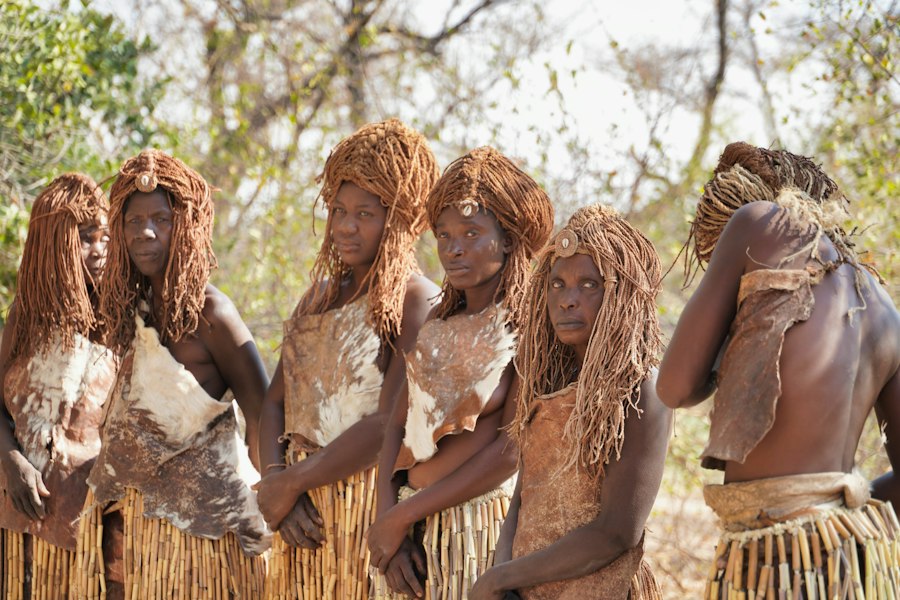
The most fundamental unit of cooperation in prehistoric societies was undoubtedly the family. This small, tightly knit group provided the immediate environment for social learning, emotional development, and the transmission of essential survival skills. Within the family, individuals learned to rely on each other, share resources, and contribute to the collective well-being. The inherent biological drive for kin selection, a cornerstone of evolutionary theory, strongly favored cooperation among closely related individuals. This familial interdependence was a powerful engine for survival, ensuring the protection and nurturing of the vulnerable, and the efficient acquisition and distribution of resources.
Nurturing and Protection: The First Bonds of Mutual Aid
The earliest forms of cooperation were most pronounced within the immediate family circle. Infants and young children were utterly dependent on their caregivers for survival. This dependency fostered a deep and innate sense of responsibility and mutual care. Mothers, and often fathers and other elder relatives, dedicated significant energy to feeding, protecting, and teaching the young. This involved constant vigilance against predators, ensuring access to safe shelter, and the slow, painstaking process of educating children about the dangers and opportunities of their environment. The shared burden of childcare not only increased the chances of offspring survival but also solidified the bonds between adults, creating a powerful incentive for continued cooperation. The act of sharing food, often scarce and hard-won, was a critical element of this early familial cooperation, ensuring that no member, especially the young and elderly, went without.
Resource Sharing and Division of Labor: Efficiency in Early Life
Within the family unit, a rudimentary division of labor often emerged, based on factors such as age, physical ability, and gender. While the precise roles may have varied depending on the specific environment and the challenges faced, a general pattern of specialization likely existed. For instance, stronger individuals might have focused on hunting larger game, while others were responsible for gathering plant-based foods, maintaining the hearth, or crafting tools and shelters. This division of labor, though not as rigid as in later societies, allowed for greater efficiency in resource acquisition and processing. The successful hunts of a few men could sustain the entire family, and the diligent gathering of roots and berries by women provided essential sustenance and variety. The knowledge and skills associated with these tasks were passed down from one generation to the next, a crucial aspect of cooperative learning and cultural transmission. Sharing the spoils of these endeavors was not just an act of altruism but a pragmatic necessity, ensuring that everyone benefited from the collective effort.
Expanding Circles: Tribal Alliances and Collective Security

As human populations grew and individuals ventured beyond the immediate confines of the family, larger cooperative structures began to form. These were often based on kinship ties extending beyond the nuclear family, forming clans or bands, and eventually coalescing into more substantial tribal units. These larger groups offered distinct advantages, particularly in terms of defense against larger predators and competing human groups, as well as enabling more ambitious collective endeavors like large-scale hunts or the construction of more permanent settlements. The ability to coordinate actions across a larger group amplified their power and resilience.
The Strength in Numbers: Defense Against Common Threats
The savanna and other prehistoric landscapes were fraught with dangers. Large predators, territorial disputes with other human groups, and environmental hazards all posed significant threats to individual survival. Cooperative efforts on a tribal scale provided a crucial layer of defense. A larger group could present a more formidable deterrent to predators, allowing for the defense of territory and the protection of individuals. Furthermore, organized defense against rival tribes was essential for territorial integrity and the securing of vital resources. The development of coordinated hunting strategies, often involving the strategic cornering or trapping of prey, also relied heavily on the ability of multiple individuals to act in concert, communicating and responding to each other’s actions. This collective security fostered a sense of shared identity and mutual reliance, transcending the immediate family unit and creating a broader social fabric.
The Collective Hunt: Amplifying Success Through Collaboration
The hunt, a central activity for many prehistoric peoples, provides a compelling example of large-scale cooperation. The pursuit of large game, such as mammoths, bison, or deer, often required the coordinated efforts of many individuals. These hunts were complex operations involving planning, strategy, and the synchronization of movements. Hunters would work together to track prey, drive it into ambushes or traps, and then bring it down. This required sophisticated communication, often through vocalizations, gestures, and perhaps early forms of symbolic signaling. The success of such a hunt meant a substantial food surplus, which could sustain the tribe for an extended period, supporting not only the hunters but also the non-hunting members of the group, such as the elderly, children, and those injured. The shared success of a collective hunt fostered a powerful sense of group cohesion and reinforced the value of cooperation for the benefit of all.
Beyond Subsistence: Rituals, Storytelling, and Shared Beliefs
Cooperation in prehistoric societies extended beyond the purely practical concerns of survival and resource acquisition. The development of shared rituals, the transmission of oral traditions through storytelling, and the emergence of common belief systems were also fundamentally cooperative endeavors. These activities helped to forge a shared identity, reinforce social norms, and transmit cultural knowledge across generations. Gatherings for ceremonies, storytelling sessions around the campfire, and communal participation in early forms of art or music all served to strengthen social bonds and foster a sense of belonging. These shared experiences, while not directly tied to immediate material needs, were crucial for the psychological and social cohesion of the group, laying the groundwork for the development of more complex cultural practices.
The Evolution of Reciprocity and Trust
The sustained cooperation observed in prehistoric families and tribes was not simply a matter of instinct; it was a learned behavior that evolved through repeated interactions and the development of social norms. The concept of reciprocity – the expectation that favors will be returned – and the gradual establishment of trust were essential for the maintenance of these cooperative relationships. Without the assurance that others would reciprocate their efforts and act in good faith, individuals would have been hesitant to invest their energy and resources in collective endeavors.
The Foundation of Reciprocity: Give and Take in Early Societies
Reciprocity is a fundamental principle that underpins much of human social behavior. In prehistoric societies, this principle likely manifested in a variety of ways. For example, if one family shared a successful hunt’s bounty, it created an unspoken obligation for that family to receive similar support in the future. This “generalized reciprocity,” where immediate repayment is not expected but a general sense of mutual obligation exists, is thought to have been prevalent in small, kin-based groups. Over time, as groups grew and interactions became more complex, more direct forms of reciprocity, where specific favors were exchanged for specific returns, would have also emerged. The ability to engage in these reciprocal exchanges fostered a sense of fairness and mutual benefit, making cooperation a more appealing and sustainable strategy than individualistic pursuits.
Building Bridges of Trust: The Social Glue of Reliability
Trust, the bedrock of any successful cooperative venture, was painstakingly built and maintained in prehistoric societies. A reputation for reliability, honesty, and willingness to contribute to the group was highly valued. Individuals who consistently acted in ways that benefited the collective were likely to be rewarded with greater social standing and access to resources. Conversely, those who were perceived as selfish, unreliable, or exploitative would have faced social ostracism or even expulsion from the group, a severe penalty in such a precarious environment. The development of trust allowed for more complex and ambitious cooperative projects, as individuals felt more secure in their reliance on others. This trust was not a passive phenomenon but an active construction, reinforced through repeated positive interactions and the shared experience of overcoming challenges together.
Recent studies have shed light on the intricate dynamics of cooperation among prehistoric families and tribes, revealing how these early communities worked together for survival and resource sharing. This fascinating exploration of social structures can be further understood through related research, such as the article on ancient innovations found in the Archimedes’ Death Ray, which discusses how collaborative efforts in technology and strategy played a crucial role in the development of early civilizations. Understanding these connections helps us appreciate the importance of cooperation in shaping human history.
The Seeds of Future Societies: Communication, Learning, and Social Norms
| Aspect | Description | Evidence | Impact on Survival |
|---|---|---|---|
| Resource Sharing | Families and tribes shared food and tools to ensure group survival. | Archaeological findings of communal food storage and shared hunting tools. | Increased food security and reduced risk of starvation. |
| Collective Hunting | Groups cooperated in hunting large animals using coordinated strategies. | Bone remains showing multiple individuals’ involvement and hunting weapons. | Improved hunting success and access to larger prey. |
| Childcare and Education | Shared responsibilities in raising and teaching children within the tribe. | Ethnographic analogies and burial sites indicating communal care. | Enhanced knowledge transmission and social cohesion. |
| Defense and Protection | Cooperation in defending territory and members from external threats. | Fortified settlements and weapons found in group contexts. | Increased safety and territorial control. |
| Trade and Exchange | Exchange of goods and materials between different families and tribes. | Artifacts made from non-local materials found in prehistoric sites. | Access to diverse resources and strengthened alliances. |
The cooperative endeavors of prehistoric families and tribes were not isolated events but laid the crucial groundwork for the development of more complex social structures and the unique characteristics of human civilization. The need for effective communication, the continuous process of social learning, and the gradual codification of social norms were all intrinsically linked to cooperative living. These elements provided the essential scaffolding upon which future societies would be built.
The Evolution of Language: Facilitating Complex Coordination
The development of sophisticated communication, particularly the emergence of language, was a critical enabler of complex cooperation. While the exact timeline and evolutionary path of language are still debated, it is undeniable that the ability to share abstract ideas, coordinate actions, and transmit complex information was revolutionized by increasingly sophisticated forms of communication. Simple grunts and gestures evolved into nuanced vocalizations and symbolic representations, allowing for detailed planning of hunts, the sharing of warnings, and the transmission of cultural knowledge. The ability to communicate effectively allowed for the coordination of larger groups, the sharing of intricate strategies, and the development of shared understandings that were essential for collective success. Without effective communication, the intricate dance of prehistoric cooperation would have been severely limited.
Transmitting Knowledge: The Cooperative Inheritance of Skills and Traditions
Cooperation was not just about immediate action; it was also about the intergenerational transmission of vital knowledge and skills. The survival of a prehistoric group depended on its ability to pass down knowledge about tool-making, plant identification, hunting techniques, and social customs. This process of knowledge transfer was inherently cooperative. Elders taught the young, experienced hunters mentored novices, and mothers shared their expertise in gathering and food preparation. This constant stream of learning and teaching ensured that each new generation was equipped to face the challenges of their environment. The development of shared stories, myths, and rituals further facilitated this process, embedding cultural values and practical knowledge within engaging narratives that were collectively experienced and remembered.
The Emergence of Social Norms: Governing Behavior for Collective Good
As cooperative groups grew in size and complexity, informal mechanisms for governing behavior began to emerge – the precursors to formal social norms and eventually laws. These norms, often reinforced through social approval or disapproval, ostracism, or even more severe forms of punishment, guided individual actions to promote the collective good. Behaviors that benefited the group, such as sharing, mutual assistance, and adherence to established hunting protocols, were encouraged and rewarded. Conversely, behaviors that threatened group cohesion, such as selfishness, aggression towards in-group members, or violation of established rules, were discouraged. These emergent social norms provided a framework for predictable interactions, reducing conflict and fostering a sense of order within the community, which was vital for sustained cooperative success.
The Enduring Legacy: Cooperation as the Human Superpower
The cooperative spirit that characterized prehistoric families and tribes was not a fleeting phenomenon but an evolutionary advantage that propelled our species to dominance. These early examples of collaboration, born out of necessity and honed through generations of shared experience, instilled in humans a deep-seated capacity for mutual aid, trust, and collective action. The intricate social bonds forged around hearths and hunting grounds laid the essential groundwork for the complex societies that would eventually emerge. The lessons learned in these primal cooperative settings continue to resonate today, informing our understanding of human nature and the enduring power of working together to achieve common goals. The ability to cooperate, to extend beyond the self and engage in shared endeavors, remains one of humanity’s most defining and powerful attributes.

Life 20,000 Years Ago: How Humans Survived the Ice Age
FAQs
1. How did prehistoric families and tribes cooperate with each other?
Prehistoric families and tribes cooperated through sharing resources, such as food and tools, and working together on tasks like hunting and gathering.
2. What were some benefits of cooperation between prehistoric families and tribes?
Cooperation allowed for increased efficiency in tasks, better chances of survival, and the ability to defend against external threats.
3. Did prehistoric families and tribes have specific roles within their cooperative groups?
Yes, individuals within prehistoric families and tribes often had specific roles based on age, gender, and skill set, which helped in the division of labor and efficient functioning of the group.
4. How did communication play a role in the cooperation between prehistoric families and tribes?
Communication was essential for coordinating activities, sharing knowledge, and resolving conflicts within prehistoric families and tribes, leading to better cooperation and group cohesion.
5. Were there any challenges faced by prehistoric families and tribes in maintaining cooperation?
Challenges such as resource scarcity, competition with other groups, and internal conflicts could threaten the cooperation between prehistoric families and tribes, requiring effective problem-solving and conflict resolution mechanisms.