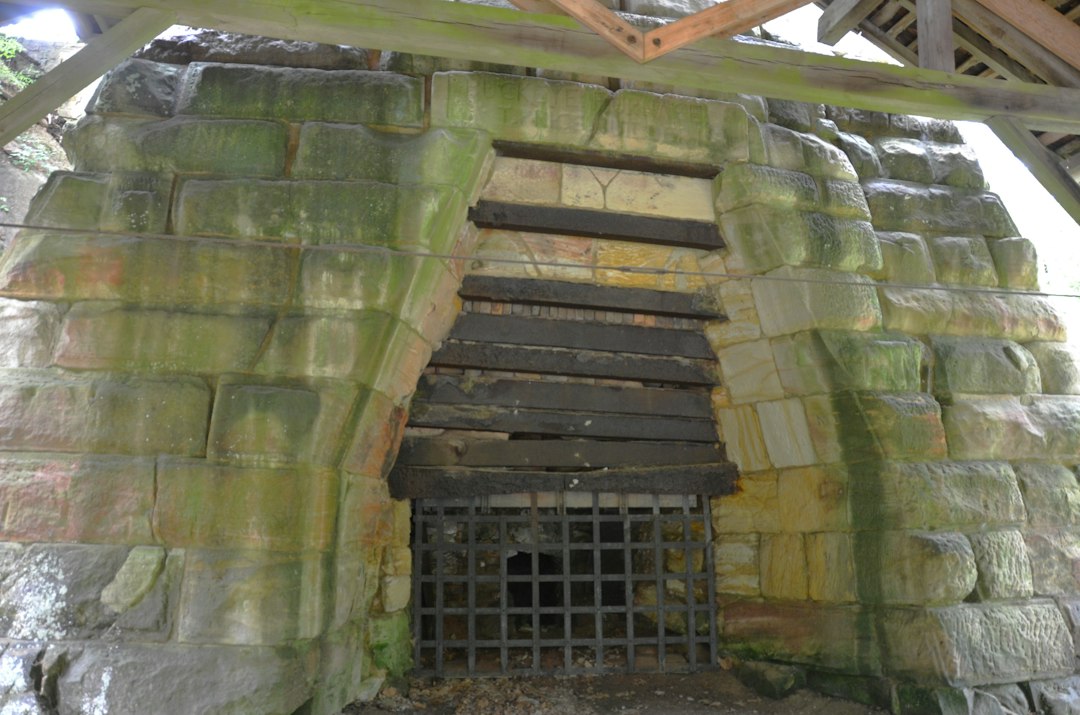
The crackling of logs, the gentle glow of embers, and the comforting warmth radiating outwards – a fireplace is the quintessential heart of any home, and for a charming primitive dwelling, it takes on an even more profound significance. It’s not just a source of heat; it’s a focal point of gathering, a repository of memories, and an embodiment of rustic simplicity. Achieving that cozy hearthstone ambiance in a primitive home involves more than just installing a firebox; it’s about embracing materials, embracing history, and embracing the unpretentious beauty of nature. This article will delve into various fireplace ideas that perfectly complement a primitive aesthetic, from the foundational materials to the decorative touches that truly bring the warmth and charm to life.
The Foundation of Rustic Warmth: Choosing Primitive Materials
The very essence of a primitive home lies in its connection to the earth and its reliance on natural, often locally sourced, materials. For a hearthstone fireplace, this principle is paramount. The choice of materials not only dictates the structural integrity and safety of the fireplace but also profoundly influences its visual appeal and its ability to seamlessly integrate with the primitive aesthetic. Think of the rugged beauty of uncut stone, the warmth of aged wood, and the simplicity of hand-hewn elements. These are the building blocks of a truly charming primitive hearth.
Embracing the Unrefined: Stone as the Ultimate Hearth Material
Stone is, without a doubt, the most iconic and fitting material for a primitive hearth. Its natural variations in color, texture, and form lend an unparalleled authenticity. For a primitive home, the less processed the stone, the better. Imagine the charm of rough-hewn fieldstone, with its irregular shapes and earthy tones, forming the very backbone of the fireplace. This type of stone evokes a sense of age-old craftsmanship and a direct connection to the landscape.
Fieldstone: The Quintessential Primitive Choice
Fieldstone, gathered from local fields and pastures, offers a kaleidoscope of colors – from warm greys and browns to subtle hints of moss green and rust. Its inherent unevenness creates a visually dynamic surface that feels both sturdy and organic. When laid with a mortar that complements its natural tones, fieldstone fireplaces become living sculptures within the home. The key is to embrace the imperfections, the natural cracks, and the varied sizes. This isn’t about achieving perfect symmetry; it’s about celebrating the beauty of the wild.
River Rock: Smoothness with an Earthy Soul
River rock, smoothed by years of water’s embrace, offers a slightly different, yet equally compelling, primitive aesthetic. Its rounded forms and often more uniform sizes can create a visually softer, more flowing appearance. The colors of river rock can range from pale greys and whites to deeper blacks and earthy reds. When incorporated into a fireplace surround, river rock brings a sense of tranquility and a subtle nod to the natural waterways that have shaped the land.
Sandstone: Warm Hues and Gentle Texture
Sandstone, with its warm, earthy hues, can also be a beautiful choice for a primitive hearth. It often possesses a softer texture than granite or fieldstone, which can lend a welcoming and less imposing feel. Sandstone can be found in various shades of tan, ochre, and even reddish-brown, all of which contribute to a warm and inviting atmosphere. For a primitive look, opt for sandstones that retain their natural grain and color variations rather than overly polished or uniformly cut slabs.
Wood: The Warm Counterpoint to Stone
While stone forms the robust core of many primitive fireplaces, wood plays a crucial supporting role, adding warmth, texture, and a distinctly rustic charm. The integration of wood elements needs careful consideration to ensure both aesthetic appeal and fire safety. Think of reclaimed timbers, hand-hewn beams, and simple wooden mantels.
Reclaimed Timber Mantels: History Carved in Wood
A reclaimed timber mantel is more than just a shelf; it’s a piece of history. Imagine a sturdy beam, salvaged from an old barn or industrial building, now gracing your fireplace. The knots, the saw marks, the weathered patina – all contribute to its authentic primitive character. These mantels often have a rich, dark color from age and exposure, which provides a beautiful contrast to the stone surround. Ensuring the timber is properly treated for fire resistance is paramount, but once addressed, it becomes an irreplaceable element of charm.
Hand-Hewn Beams: Strength and Character
In some primitive designs, hand-hewn beams can be incorporated into the fireplace structure itself, perhaps as decorative lintels or framing elements. The visible tool marks from the hewing process tell a story of human effort and traditional craftsmanship. These beams, often made from sturdy hardwoods, add a sense of solidity and enduring strength, perfectly aligning with the primitive ethos.
Simple Wooden Shelving: Displaying Rustic Treasures
Beyond the mantel, simple wooden shelves above or beside the fireplace can provide a stage for displaying primitive treasures. Think of hand-carved wooden figures, antique pottery, dried botanicals, or vintage lanterns. The wood for these shelves should be natural, unvarnished, or finished with a simple oil to maintain its rustic appeal.
A hearth stone fireplace can serve as a stunning focal point in a primitive home, evoking a sense of warmth and nostalgia. The use of natural materials like stone and wood not only enhances the aesthetic appeal but also connects the space to ancient traditions of living. For those interested in how such elements have been influenced by historical climates and civilizations, you may find the article on uncovering ancient civilizations through paleoclimate data insightful. It explores how our understanding of past environments can inform modern architectural choices. You can read more about it here: Uncovering Ancient Civilizations Through Paleoclimate Data.
Designing the Primitive Fireplace Envelope: Form and Function

The shape and structure of a primitive fireplace are as important as the materials used. The design should reflect a sense of purpose and an unpretentious beauty, often favoring simplicity and robust construction. This isn’t about elaborate moldings or intricate carvings; it’s about honest materials forming honest shapes.
Chimney Styles: A Rustic Ascent
The chimney is the vertical extension of the fireplace, and its design can significantly contribute to the primitive aesthetic. Traditional designs often feature a simpler, more straightforward construction, allowing the materials to speak for themselves.
Stone Chimneys: A Seamless Continuation
A stone chimney, built from the same materials as the fireplace surround, creates a visually harmonious and imposing presence. This approach emphasizes the monolithic nature of the structure, blending seamlessly with the natural surroundings. The mortar used should be a complementary color to the stone, further enhancing the organic feel.
Brick Chimneys: Aged and Humble
While stone is often the primary choice, a well-aged brick chimney can also fit a primitive aesthetic, particularly if the bricks are of a rustic variety and show signs of wear and tear. A whitewashed or limewashed finish can soften the look of brick, giving it a more aged and primitive feel, reminiscent of older European farmhouses.
Firebox and Hearth Details: Grounding the Flames
The firebox itself and the immediate hearth area are critical functional and aesthetic elements. Here, practicality meets primitive charm.
Simple Firebox Construction: Built for Burning
The interior of the firebox should be constructed from firebrick, the standard for heat resistance and durability. However, the visible façade of the firebox opening can be framed with rough-hewn stone or simple brickwork. The opening should be proportionate to the overall fireplace size, creating a welcoming cavity for the flames.
Stone Hearth: A Durable Foundation
The hearth, the floor area in front of the fireplace, should be made of a durable material that can withstand heat and sparks. Thick flagstone or large, flat stones are ideal for a primitive hearth. These should be laid closely together, creating a solid and visually grounded base. The hearth should extend sufficiently outwards to protect the surrounding flooring.
Accents and Embellishments: The Primitive Touch

Once the core structure of the primitive fireplace is in place, the details come into play to enhance its charm and imbue it with a sense of lived history. These are the elements that elevate a fireplace from functional to truly enchanting.
The Mantel’s Role: More Than Just a Shelf
The mantel is a prime opportunity to showcase primitive artistry and personal treasures. It’s the focal point above the fire, a place for display and reflection.
Displaying Found Objects: Nature’s Artistry
A primitive mantel is the perfect place to display items that evoke the natural world. Think of smooth, weathered driftwood, interesting pieces of bark, polished stones, or even a collection of antique iron tools. These objects, unpretentious and full of character, speak to a life lived in harmony with the environment.
Handmade Pottery and Ironware: Functional Beauty
Handmade pottery with its earthy glazes and imperfect forms, or simple, robust ironware like cast-iron candle holders or trivets, are perfect additions to a primitive mantel. These items are both functional and aesthetically pleasing, adding layers of texture and history.
Beyond the Mantel: Surrounding Details
The area surrounding the fireplace also offers opportunities to enhance the primitive aesthetic.
Textured Wall Finishes: Complementing the Stone
The walls around the fireplace can feature textured finishes that complement the stone. Consider lime plaster, which offers a subtle, breathable texture and can be tinted in earthy tones. Exposed wooden beams or wattle and daub can also contribute to a truly primitive feel.
Primitive Artwork and Tapestries: Adding Softness and Story
Simple, rustic artwork – perhaps a landscape painting in muted tones, a framed piece of antique fabric, or a hand-stitched sampler – can add a touch of softness and narrative to the fireplace wall. Avoid overly ornate frames; opt for simple wooden or unadorned styles.
Lighting the Primitive Hearth: Ambiance and Practicality
The way a primitive fireplace is lit and the surrounding lighting elements play a crucial role in creating the desired ambiance. It’s about embracing the warmth and glow of real flame and supplementing it with appropriate primitive-inspired lighting.
Traditional Fire Starters: The Ritual of Flame
The act of lighting a fire in a primitive hearth should feel like a ritual. Consider the tools used and the fuels themselves.
Fireplace Tools: Simple and Sturdy
Primitive fireplace tools are often made of wrought iron, with simple, functional designs. Think of sturdy pokers, shovels, and tongs with hammered finishes and wooden handles. These tools are not just practical; they are decorative elements in themselves, reflecting a bygone era of craftsmanship.
Natural Firewood: The Essence of the Glow
The type of wood burned can also influence the ambiance. Hardwoods like oak, maple, and ash produce a long-lasting, radiant heat and a beautiful, consistent flame. The scent of burning wood is an intrinsic part of the primitive hearth experience.
Complementary Lighting: Enhancing the Glow
While the fireplace provides the primary source of light, complementary primitive-inspired lighting can amplify the cozy atmosphere.
Candlelight: The Softest of Glows
Candles are the quintessential primitive light source. Strategically placed on the mantel, on nearby shelves, or in wall sconces, they cast a soft, flickering glow that perfectly complements the firelight. Opt for beeswax or natural tallow candles for an authentic touch.
Lanterns: Portable and Atmospheric
Vintage-style lanterns, made of iron or simple glass and metal, can be used both indoors and outdoors to enhance the primitive ambiance. Hung from beams or placed on tabletops, they provide a warm, diffused light that enhances the feeling of rustic comfort.
A hearth stone fireplace can serve as a stunning focal point in a primitive home, blending rustic charm with functional warmth. For those interested in enhancing their living space with such features, exploring various design ideas and inspirations can be incredibly beneficial. One related article that delves into the importance of creating inviting atmospheres in homes is available at this link, where you can find insights that may help you appreciate the role of traditional elements in modern living.
Embracing the Spirit of Simplicity: The Overarching Philosophy
| Feature | Description | Typical Dimensions | Materials Used | Estimated Heat Output | Maintenance Frequency |
|---|---|---|---|---|---|
| Fireplace Type | Hearth stone primitive fireplace | 3-5 feet wide, 2-4 feet tall | Natural stone, clay mortar, wood | 15,000 – 30,000 BTU/hr | Annual cleaning and inspection |
| Construction Style | Primitive, hand-built with local materials | Varies by design | Fieldstone, river rock, mud mortar | N/A | Check for cracks seasonally |
| Chimney Type | Stone or clay flue chimney | 1-2 feet diameter, 10-15 feet height | Stone, clay, brick | N/A | Annual soot removal |
| Fuel Type | Wood logs | Standard firewood size (16-18 inches) | Hardwood preferred | Varies by wood type | As needed |
| Heat Distribution | Radiant heat from stone hearth | N/A | N/A | Moderate, depends on stone mass | N/A |
Ultimately, the success of a primitive hearthstone fireplace lies in embracing a philosophy of simplicity, authenticity, and a deep appreciation for natural materials. It’s about creating a space that feels lived-in, functional, and deeply connected to its surroundings.
The Hearth as a Gathering Place: The Soul of the Home
In a primitive home, the fireplace is more than just a decorative feature; it is the undeniable soul of the dwelling. It is where families gather to share stories, where meals are warmed, and where the simple act of watching the flames can provide profound comfort. The design and materials should actively encourage this communal use, fostering a sense of belonging and connection.
Authenticity Over Ostentation: The Primitive Aesthetic Defined
The primitive aesthetic shuns anything overly ornate or manufactured. Instead, it celebrates the inherent beauty of natural materials, the marks of time, and the evidence of human handiwork. When designing a primitive fireplace, always ask: does this element feel honest? Does it contribute to a sense of rugged, unpretentious beauty? If the answer is yes, then it belongs.
Storytelling Through Materials: A Legacy of Craftsmanship
Every stone, every beam, every tool in a primitive fireplace can tell a story. It speaks of the land from which it came, the hands that shaped it, and the generations who have found warmth and solace beside its flames. By carefully selecting and showcasing these elements, one can create a fireplace that is not just a structure, but a living legacy of craftsmanship and connection to the past, truly embodying the charm of a primitive home.