So, how did our earliest ancestors make life a little cozier for their little ones? It turns out, even without plush toys or central heating, prehistoric parents were ingenious at creating warmth and comfort for their children. Think less about sophisticated gadgets and more about practical, life-saving innovations born out of necessity and a deep understanding of their environment.
Sheltering from the Elements: Early Homes for Little Ones
The most fundamental aspect of keeping children warm and safe was providing shelter. This wasn’t just about finding a dry spot; it was about creating a microclimate that protected vulnerable young bodies from harsh weather. Early humans were masters of their surroundings, utilizing natural features and learning to modify them.
Caves as Cozy Sanctuaries
Caves were prime real estate for prehistoric families, offering a ready-made roof and walls that shielded them from wind, rain, and snow. The ScienceDaily report from June 2026 about humans bringing fire into caves as far back as 1.79 million years ago is a significant clue. This wasn’t just for light or cooking; imagine the impact of a controlled fire in a dark, drafty cave. It would have transformed a potentially dangerous space into a relatively warm and secure haven for infants and toddlers. The residual heat from the fire would have radiated outwards, creating a central zone of comfort.
Improvised Dwellings for Protection
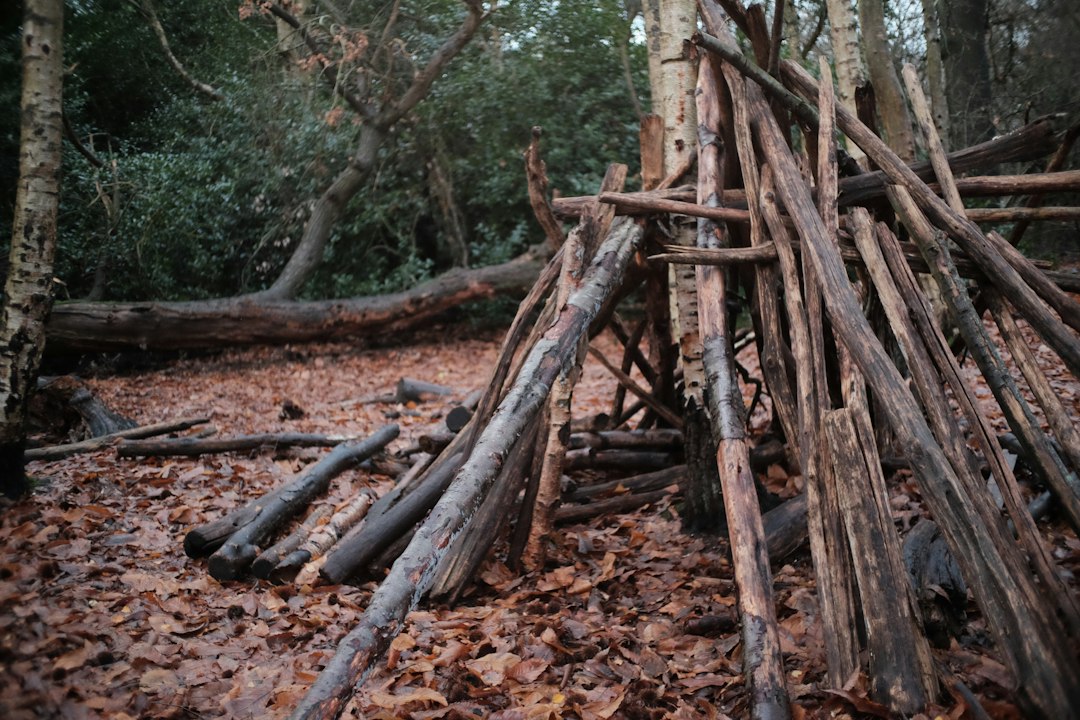
When caves weren’t available, or perhaps for more mobile groups, temporary shelters were essential. These might have been simple windbreaks constructed from branches, animal hides, and earth. The key would have been to block the wind and trap body heat. A small, enclosed space, even a rudimentary one, would have been significantly warmer than being exposed to the elements. These shelters would have been situated in locations that offered natural advantages, like being protected by a rock overhang or nestled amongst dense vegetation.
Hiding Spots for Young Ones
Beyond just general shelter, specific areas within these dwellings would have been designated for the youngest members of the group. Think of a corner of a cave, or a specially prepared spot within a hut, lined with soft materials. This provided a sense of security and a dedicated space where infants could rest and be cared for without being overly exposed to the general activity of the camp. The La Basura Cave discovery, where children were found with adults and a canid around 15,000 years ago, suggests a communal approach to safety, with younger ones likely kept in the most protected areas.
Creating a warmer place for prehistoric children is a fascinating topic that ties into the broader understanding of ancient technologies and their impact on daily life. For those interested in exploring how ancient civilizations harnessed natural resources and developed innovative solutions for their communities, a related article can be found at The Lost Power of Ancient Technology. This article delves into the various methods and tools used by our ancestors to improve their living conditions, providing valuable insights into the ingenuity that shaped their environments.
The Power of Fire: A Prehistoric Comfort System

Fire was arguably the single most important invention for prehistoric comfort, especially for children. Its impact extended far beyond just providing light and a means to cook food.
Warmth for Little Bodies
The most direct benefit of fire was warmth. In cold environments, hypothermia would have been a constant threat to infants and young children, whose bodies are less efficient at regulating temperature. A well-maintained fire in a sheltered location, like a cave, would have provided a crucial source of radiant heat. Parents would have actively managed the fire to ensure it provided consistent warmth, especially during the coldest parts of the day and night. The NHM Vienna’s “Ice Age Children and their World” exhibition, with its focus on family life and the environments of the past, likely highlights the central role of fire in creating a habitable space.
Drying and Comforting
Beyond direct warmth, fire also played a role in drying wet clothing or bedding. Imagine a baby who has had an accident, or clothing that has become damp from rain or snow. Being able to dry these items near a fire would have been a significant comfort, preventing chills and discomfort. The gentle heat could also have been used to warm soft bedding materials, further enhancing the comfort of a sleeping child.
Psychological Comfort and Security
The flickering flames of a fire would have also offered a sense of psychological comfort and security. In a world filled with unknown dangers, the light and warmth of a fire would have pushed back the darkness and the perceived threats lurking within it. For young children, who are more susceptible to fear of the dark, the presence of a fire would have been incredibly reassuring. The communal aspect of gathering around the fire would have also fostered a sense of togetherness and safety.
Soft Landings: Bedding and Bundling
Keeping a child warm wasn’t just about the ambient temperature; it was also about what they were lying on and what they were wrapped in. Prehistoric parents were resourceful in finding and utilizing materials that provided insulation and softness.
Natural Bedding Materials
The ground itself could be cold and hard. To mitigate this, early humans would have gathered soft, insulating materials. Think dried grasses, leaves, and perhaps even moss. These would have been layered thickly to create a comfortable and warm surface to lie on. The goal would have been to create a barrier between the child’s body and the cold earth or stone. In caves, these bedding materials might have been accumulated in particular hollows or depressions, further enhancing the sense of a designated, comfortable sleeping area.
Animal Hides for Warmth
Animal hides were invaluable resources. Once prepared, they would have served as excellent blankets and bedding. A thick, fur-lined hide would have provided significant insulation, trapping body heat effectively. These hides could have been layered for added warmth, or wrapped directly around a sleeping child. The process of preparing these hides, though rudimentary by modern standards, would have been a crucial skill for survival and comfort.
Swaddling and Bundling Techniques
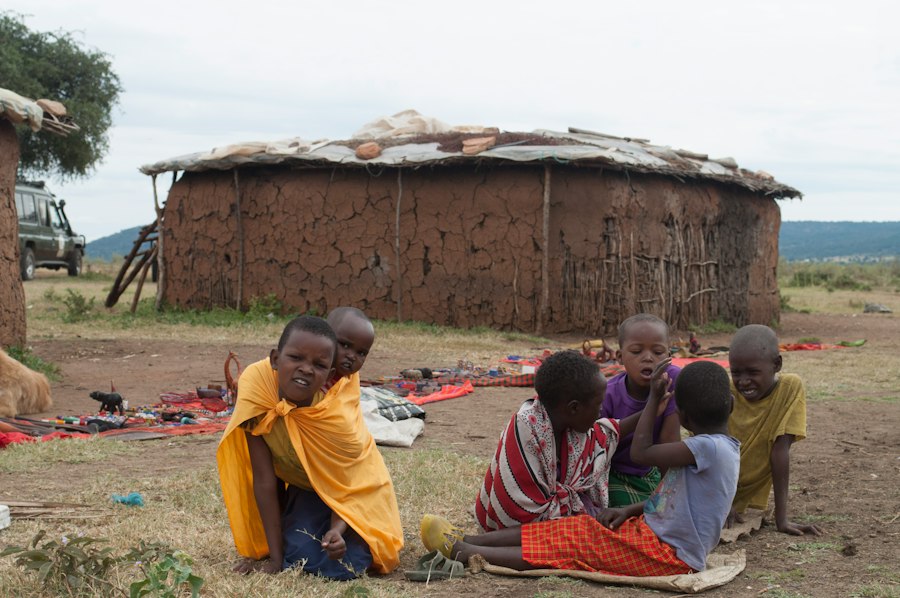
Similar to modern-day practices of swaddling infants, early humans likely used materials like prepared hides or woven fabrics to wrap their babies tightly. This not only provided warmth but also a sense of security, mimicking the feeling of being held. Bundling a child in soft materials would have been a key strategy to keep them warm and protected when being carried or when sleeping. This technique would have been particularly important for infants who were too young to generate much body heat on their own.
Caring for Helpless Infants: Parenting Challenges and Solutions
The fundamental challenges of parenting haven’t changed much over millennia. The 2026 fossil study highlighting “modern-day parenting struggles” with helpless infants underscores this point. Prehistoric parents faced the same anxieties and demands, and their solutions, while different in execution, were driven by the same motivations.
Constant Vigilance and Protection
Prehistoric infants were incredibly vulnerable. They were dependent on adults for every need, from feeding to protection. This meant constant vigilance. Parents would have had to be acutely aware of their surroundings, always shielding their children from potential dangers, whether it was predators, falling rocks, or extreme weather. The presence of children in the La Basura Cave suggests a high level of trust and safety within that group, implying a coordinated effort to protect the youngest.
Communal Child-Rearing
It’s likely that child-rearing was a communal effort. While mothers would have had the primary role, other members of the group, including fathers, older siblings, and other adults, would have contributed to the care and protection of infants and young children. This shared responsibility would have allowed for more consistent care and provided a network of support for the primary caregivers. The Macao’s “Erth’s Dinosaur Zoo” event, emphasizing family-focused prehistoric adventures and warm, memorable experiences, subtly hints at the enduring importance of family and communal care in connecting with these ancient concepts.
Adapting to Environmental Demands
Prehistoric parents had to be incredibly adaptable. They lived in environments that could change rapidly and unpredictably. Their strategies for keeping children warm and comfortable would have had to evolve with the seasons and the available resources. This might have meant migrating to warmer areas during winter, or developing specific techniques for bundling children for travel in colder weather. Their success in raising children meant they were effectively navigating these demanding environmental pressures.
Creating a warmer place for prehistoric children is essential for their development and well-being, as it can significantly influence their growth and social interactions. For a deeper understanding of how environmental factors shape communities, you might find it interesting to explore the impact of economic changes on societal structures. An insightful article on this topic can be found here: the impact of nearshoring on global trade frameworks, which discusses how shifts in trade can affect living conditions and community dynamics.
Beyond Basic Survival: Prehistoric Play and Comfort
| Metric | Description | Estimated Value | Unit |
|---|---|---|---|
| Average Ambient Temperature | Temperature inside prehistoric shelters | 15-20 | °C |
| Body Heat Retention | Effectiveness of clothing and shelter in retaining warmth | 70-85 | % |
| Fire Usage Frequency | Number of times fire was used daily for warmth | 3-5 | times/day |
| Insulation Material Thickness | Thickness of animal skins or plant materials used for insulation | 5-10 | cm |
| Child Survival Rate in Cold Seasons | Percentage of children surviving harsh winters | 60-75 | % |
| Heat Source Proximity | Average distance of children from fire or heat source | 1-2 | meters |
While survival was paramount, it’s not a stretch to imagine that prehistoric children also experienced moments of comfort and even play. Creating a “warmer place” for them wasn’t solely about avoiding the cold; it was also about fostering well-being.
Simple Playthings and Sensory Stimulation
Even with limited resources, children are naturally inclined to explore and play. Prehistoric children might have used smooth stones, interesting sticks, or animal bones as simple toys. The warmth of a fire could have facilitated indoor play, keeping children occupied and content within the safety of their shelters. Sensory stimulation was also important; the feel of soft furs, the warmth of the fire, and the sounds of the group would have all contributed to a child’s experience.
The Warmth of Social Interaction
Perhaps the most significant form of “comfort” was the warmth of social interaction and affection. Being held, cuddled, and spoken to by caregivers would have provided immense emotional security. The communal nature of prehistoric life, with constant close contact and shared activities, would have naturally provided a high level of social warmth. The NHM Vienna’s exhibition likely aims to evoke this sense of connection and shared experience, reminding us that human needs for belonging and comfort are ancient.
Learning and Exploration in a Secure Environment
The NHM Vienna’s new Children’s Ice Age Room, offering a dedicated space for young visitors, implicitly acknowledges the need for children to learn and explore in environments tailored to their needs. Prehistoric parents would have sought to provide safe spaces for their children to observe, learn, and begin to explore their world. This might have involved observing adults at work, or venturing short distances from the main living area under close supervision. A warm, secure environment would have made these explorations more feasible and less daunting for young children.

Life 20,000 Years Ago | When Your Ice Age Family Can’t Feed the Dog
FAQs
What were the living conditions like for prehistoric children?
Prehistoric children lived in environments that varied greatly depending on the region and climate. Many lived in caves or simple shelters made from natural materials like wood, animal hides, and stones. These living conditions often lacked warmth and protection from the elements, making it essential for families to create a safe and warm environment for their children.
How did prehistoric families keep their children warm?
Prehistoric families used various methods to keep their children warm, including building fires for heat and cooking. They also utilized animal skins and furs as clothing and bedding to provide insulation. Additionally, families often huddled together for warmth during cold nights.
What role did community play in the upbringing of prehistoric children?
Community played a crucial role in the upbringing of prehistoric children. Extended families and groups often worked together to provide care, share resources, and teach survival skills. This communal approach helped ensure that children received the support and protection they needed to thrive in harsh environments.
What types of activities did prehistoric children engage in?
Prehistoric children engaged in various activities that were essential for their development and survival. They participated in play that mimicked adult tasks, such as hunting and gathering, which helped them learn important skills. Additionally, they were involved in social activities that fostered community bonds and cultural traditions.
How did the environment influence the development of prehistoric children?
The environment significantly influenced the development of prehistoric children by shaping their daily experiences and survival strategies. Factors such as climate, available resources, and geographical location determined the types of shelter, clothing, and food that families could provide. These environmental conditions also impacted social structures and cultural practices, which were essential for children’s growth and learning.