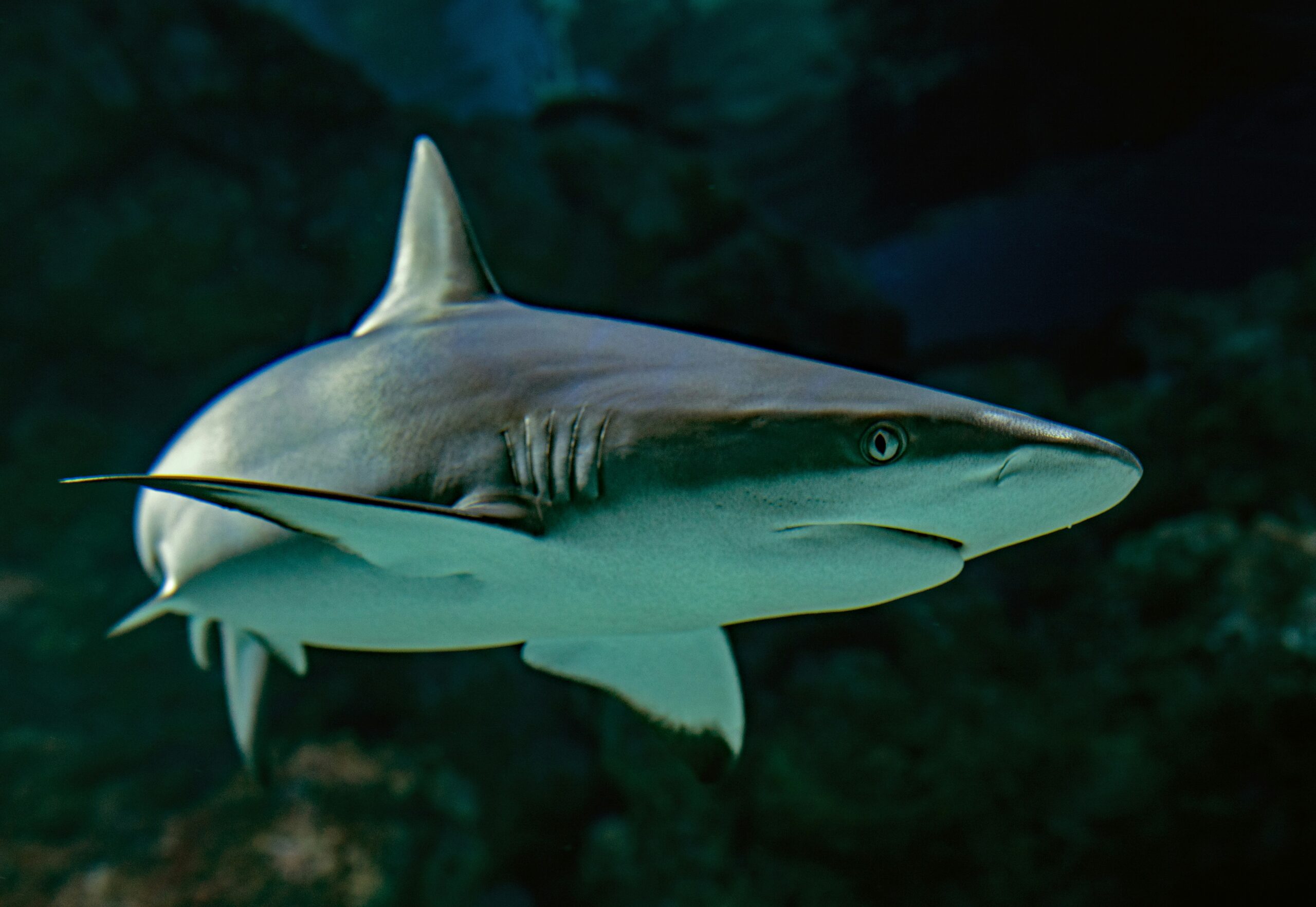
The Cretaceous period, a vast epoch spanning approximately 145 to 66 million years ago, was a time of dramatic transformation in the Earth’s history. This era witnessed the rise of flowering plants, the reign of the dinosaurs, and significant shifts in marine ecosystems. Within these ancient oceans, a formidable group of predators patrolled the waters: the lamniform sharks. These ancient cartilaginous fish, belonging to the order Lamniformes, were the apex predators of their time, a lineage that would eventually give rise to some of the most iconic and fearsome sharks we know today. Their fossilized remains offer a tantalizing glimpse into the complex food webs and the evolutionary pressures that shaped life in the Mesozoic seas.
The early Cretaceous marked a crucial period for the diversification of sharks, and the lamniform lineage began to emerge from its more primitive ancestors. While the fossil record from this period is less complete than for later epochs, it provides evidence of early lamniform forms that laid the groundwork for the dominant predators of the late Cretaceous. These early species were already displaying adaptations that would characterize their more advanced descendants, hinting at their predatory prowess.
Origins and Primitive Features
The lamniforms trace their lineage back to the Jurassic period, but it was in the Cretaceous that they truly began to flourish and diversify. Early Cretaceous lamniforms likely shared many characteristics with modern lamniforms, including streamlined bodies, powerful jaws, and specialized teeth. However, some primitive features may have persisted, reflecting their transitional status.
Early Dental Adaptations
The teeth of early Cretaceous lamniforms are key to understanding their diet and predatory strategies. While detailed studies are ongoing, fossil discoveries suggest the presence of teeth adapted for cutting and tearing flesh, a hallmark of lamniform feeding. These teeth were often serrated, providing an efficient mechanism for processing prey. The size and shape of these teeth varied, indicating a range of prey sizes and feeding specializations even in these early forms.
Body Plan and Swimming Capabilities
While direct fossil evidence of the complete body structure of early Cretaceous lamniforms is rare, reconstructions based on tooth morphology and associated skeletal fragments suggest a generally fusiform (torpedo-shaped) body plan. This streamlined shape is highly advantageous for efficient swimming and pursuit of prey, a trait that would be further refined in later Cretaceous species. Their cartilaginous skeletons, while not as well-preserved as bone, indicate a body structure capable of supporting powerful musculature for dynamic movement.
The Enigmatic Carcharias and its Kin
One of the most significant groups in the early Cretaceous lamniform radiation was the lineage that led to the modern sand tiger sharks (genus Carcharias). While the exact fossil record of their direct ancestors can be elusive, the presence of similar tooth morphologies in early Cretaceous formations points to their evolutionary trajectory.
Tooth Morphology and Diet
Fossils attributed to early members of the Carchariidae family, or their close relatives, often exhibit slender, needle-like teeth. These teeth are particularly effective for grasping and holding slippery prey like fish. This suggests that these early lamniforms were likely piscivores, specializing in hunting agile marine vertebrates. The abundance of fish in Cretaceous seas would have provided a rich food source for these evolving predators.
Paleoenvironmental Context
The paleoenvironments of the early Cretaceous varied greatly, from shallow epicontinental seas to deeper oceanic basins. Early lamniforms likely occupied a range of these habitats, adapting to the specific prey available in each. The presence of their fossils in different sedimentary environments helps paleontologists reconstruct the ancient marine landscapes and the ecological niches these sharks occupied.
Lamniform sharks, known for their distinctive body shapes and predatory adaptations, thrived during the Cretaceous period, showcasing a remarkable diversity that has fascinated paleontologists. Their evolutionary history is intricately linked to the marine ecosystems of the time, which were dominated by other formidable creatures. For those interested in exploring the broader context of ancient life and the secrets of our planet’s past, a related article discussing the hidden writings of ancient scribes can be found here: Unveiling Ancient Scribe Secrets: Hidden Writings. This article delves into the mysteries of ancient civilizations, paralleling the intrigue surrounding prehistoric marine life.
Mid-Cretaceous Apex Predators: The Rise of Giants
As the Cretaceous period progressed, the lamniform sharks underwent significant evolutionary diversification, leading to the emergence of larger, more specialized, and ultimately, apex predators. The mid-Cretaceous saw the development of lineages that would dominate the marine food webs, preying on a wider range of organisms and influencing the evolution of their prey.
The Reign of the Otodontids: Ancestors of Otodus
The otodontids were a highly successful family of lamniform sharks that flourished during the Cretaceous. Their lineage would eventually lead to the colossal Otodus, one of the largest predatory fish to have ever lived, though its most spectacular form emerged in the Paleogene. Mid-Cretaceous otodontids, however, were already formidable hunters.
Distinctive Dental Features
Otodontid teeth are characterized by their large size, broad crowns, and often serrated cutting edges. These teeth were built for shear power, capable of inflicting devastating damage on larger prey. The evolution of such robust dentition indicates a shift towards hunting larger vertebrates, including other sharks, marine reptiles, and potentially even early marine mammals that were beginning to appear in some environments.
Ecological Impact and Prey Selection
The presence of large otodontid sharks would have had a significant impact on the marine ecosystems of the mid-Cretaceous. As apex predators, they would have regulated populations of their prey, influencing the structure and dynamics of the entire food web. Their hunting strategies likely involved powerful bites and tearing, adapted to subdue and dismember larger animals.
Diversification of Mackerel Sharks (Lamnidae)
The family Lamnidae, which includes modern mackerel sharks like the Great White and Mako sharks, also saw significant diversification during the mid-Cretaceous. These sharks were characterized by their speed and agility, adapted for active pursuit of prey.
Adaptations for Speed and Agility
Mid-Cretaceous lamnids likely possessed a more evolved body plan optimized for high-speed swimming. This would have included a more rigid vertebral column, powerful caudal fins, and a more hydrodynamically efficient body shape. These adaptations allowed them to chase down fast-swimming fish and other agile marine creatures.
Predatory Behavior and Prey
Fossil evidence and comparative anatomy suggest that mid-Cretaceous lamnids were likely active hunters of pelagic fish and squid. Their teeth, while not as massive as some otodontids, were still sharp and effective for capturing and consuming these agile prey. The evolution of a more endothermic metabolism in some lamniform lineages may have also begun to emerge during this period, further enhancing their predatory capabilities.
Late Cretaceous Powerhouses: The Peak of Lamniform Dominance
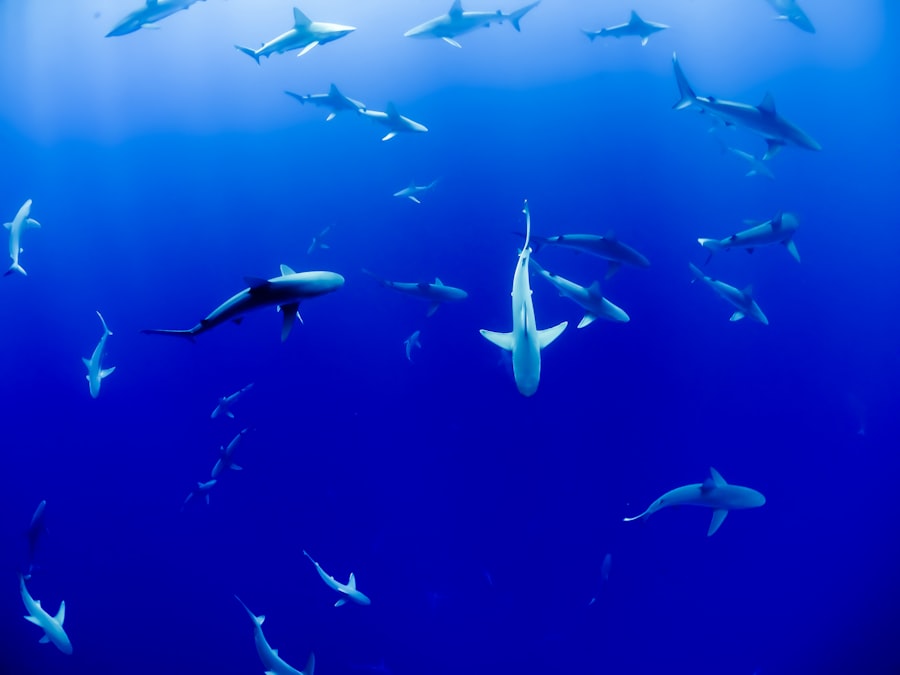
The late Cretaceous period represents the zenith of lamniform shark dominance in the oceans. This era witnessed the evolution of some of the most iconic and specialized lamniform predators, shaping the marine landscape with their predatory prowess. The diversity and abundance of lamniform fossils from this period provide extensive data for paleontologists.
The Majestic Cretoxyrhina: The “Great White Shark of the Cretaceous”
Perhaps the most well-known and iconic lamniform of the late Cretaceous was Cretoxyrhina. Often referred to as the ” Ginsu Shark” due to its incredible dental adaptations, Cretoxyrhina was a formidable predator that occupied the apex predator niche in many late Cretaceous marine environments.
Dental Morphology and Feeding Strategy
Cretoxyrhina possessed large, triangular, and strongly serrated teeth. These teeth were perfectly designed for shearing flesh and bone, enabling it to tackle large prey. Its dentition is highly analogous to that of modern great white sharks, suggesting a similar predatory role and feeding strategy. Evidence from fossilized gut contents, though rare, has indicated the consumption of large fish and marine reptiles.
Size and Geographic Distribution
Fossils of Cretoxyrhina have been found in numerous locations around the globe, indicating a widespread distribution across the oceans of the late Cretaceous. While exact size estimates vary, it is believed to have reached lengths of up to 8-10 meters, making it one of the largest sharks of its time. Its presence in diverse marine environments, from shallow seas to deeper offshore waters, highlights its adaptability.
The Emerging Lineage of Megalodon Ancestors
While the colossal Megalodon (Otodus megalodon) would rise to prominence in the Cenozoic, its evolutionary roots can be traced back to the late Cretaceous. This period saw the development of the otodontid lineage that would eventually lead to this giant.
Early Otodontid Evolution
Late Cretaceous otodontids were already exhibiting features that foreshadowed the immense size and predatory capabilities of Megalodon. These sharks were large and possessed the characteristic robust, serrated teeth of the otodontid family. Their presence suggests a continuation and intensification of the trend towards larger predatory sharks.
Predatory Niche and Competition
These large otodontids likely competed with other apex predators, including Cretoxyrhina, for food resources. Their evolution indicates a stable and productive marine ecosystem capable of supporting a diverse array of large predators. The late Cretaceous was a period of intense evolutionary arms races, with predators and prey constantly adapting to each other.
The Diversity of Other Late Cretaceous Lamniforms
Beyond the more famous genera, the late Cretaceous oceans teemed with a variety of other lamniform sharks, each occupying specific ecological niches. This diversification reflects the adaptive radiation of the group.
Smaller Piscivorous Species
Numerous smaller lamniform sharks, with teeth adapted for grasping and consuming fish, also existed. These species would have played a crucial role in controlling fish populations and were themselves prey for larger predators. Their abundance indicates a rich and varied fish fauna.
Specialized Feeding Adaptations
Some late Cretaceous lamniforms may have developed more specialized feeding adaptations. For example, sharks with narrower, more pointed teeth might have focused on different prey types, such as cephalopods or smaller, faster-moving fish. The fossil record, though sometimes fragmentary, hints at this ecological specialization.
Extinction and Legacy: The End of the Cretaceous Lamniforms
The close of the Cretaceous period, marked by the K-Pg extinction event approximately 66 million years ago, brought an abrupt end to the reign of many iconic Cretaceous creatures, including the dominant lamniform sharks. While some lineages survived, the vast majority of these ancient predators disappeared.
The K-Pg Extinction Event
The K-Pg extinction event, widely attributed to a massive asteroid impact, caused catastrophic environmental changes, including widespread ocean acidification, tsunamis, and prolonged darkness due to atmospheric debris. These drastic changes would have decimated marine ecosystems and led to the extinction of numerous species, including many lamniform sharks.
Impact on Marine Food Webs
The extinction of large lamniform predators would have had profound cascading effects throughout the marine food webs. The absence of these apex predators likely led to significant shifts in the populations of their prey species and altered the overall structure and dynamics of marine ecosystems.
Survivors and the Dawn of the Cenozoic
While many lamniforms perished, some lineages managed to survive the extinction event. These survivors, often smaller and more adaptable species, would form the basis for the lamniform shark fauna of the Cenozoic era. The great white shark and the mackerel shark families, for instance, have their evolutionary roots in Cretaceous survivors.
The Paleogene and Neo-Cretaceous Radiation
Following the K-Pg extinction, the marine environment began to recover, and new evolutionary opportunities arose. The Cenozoic saw the emergence of new lamniform giants, most notably Otodus megalodon, which became the apex predator of its time, a testament to the enduring success of the lamniform lineage.
The Rise of Otodus megalodon
Otodus megalodon was an evolutionary descendant of the late Cretaceous otodontids and represents a spectacular example of gigantism within the lamniform order. Its immense size and powerful dentition made it one of the most formidable predators in the history of life on Earth, dominating the oceans for millions of years.
Continuity and Evolution of Lamniform Traits
The legacy of Cretaceous lamniforms is evident in the traits that persisted and were further refined in their Cenozoic descendants. The streamlined body plan, powerful jaws, efficient dentition, and adaptations for active predation continued to be key features of successful lamniform sharks. The Cretaceous period was thus a crucial crucible where the fundamental characteristics of these ancient predators were forged and perfected.
Lamniform sharks, known for their impressive size and predatory skills, thrived during the Cretaceous period, showcasing a remarkable diversity that has intrigued paleontologists for years. Their evolutionary adaptations allowed them to become some of the most formidable marine predators of their time. For those interested in exploring the broader implications of evolutionary changes in marine life, a related article discusses the evolution of trade agreements and their impact on modern economies, which can be found here. This connection highlights how evolutionary processes, whether in nature or human society, can shape the world in profound ways.
Studying Cretaceous Lamniform Sharks: Tools and Techniques
| Species | Length (m) | Weight (kg) | Location |
|---|---|---|---|
| Cretalamna appendiculata | 3.5-4.5 | Unknown | North America, Europe, Asia |
| Scapanorhynchus raphiodon | 3-4 | Unknown | North America, Europe |
| Cretoxyrhina mantelli | 6-7 | Unknown | North America, Europe |
The study of Cretaceous lamniform sharks relies heavily on the fossil record, offering invaluable insights into their morphology, diet, behavior, and evolutionary history. Paleontologists employ a range of techniques to extract and interpret this ancient information.
Fossil Discoveries and Their Significance
Fossilized teeth are the most common and informative remains of Cretaceous lamniform sharks. Their unique shapes, sizes, and serrations provide crucial data for identifying species, inferring diets, and reconstructing evolutionary relationships. Discoveries of articulated skeletons, though rare, offer a more complete picture of their anatomy and locomotion.
The Importance of Dental Morphology
The study of dental morphology is a cornerstone of paleontology, particularly for elasmobranchs. Each tooth is a miniature archive, revealing clues about the shark’s age, feeding habits, and evolutionary lineage. Comparative analysis of fossil teeth with those of modern sharks allows for informed interpretations of their biology.
Microscopic Analysis and Isotopic Studies
Advanced techniques such as scanning electron microscopy (SEM) allow for detailed examination of tooth microstructure, providing further insights into enameloid composition and wear patterns. Isotopic analysis of fossil teeth can also reveal information about the shark’s diet and habitat by examining the ratios of certain elements.
Reconstructing Paleoenvironments and Ecosystems
The geological context in which lamniform fossils are found is as important as the fossils themselves. Sedimentological and paleontological data from fossil sites help reconstruct the ancient environments, including water depth, temperature, and the presence of other marine life.
Paleoecology and Food Web Dynamics
By studying the types of prey fossils found alongside lamniform remains, and by analyzing their dentition, paleontologists can reconstruct the complex food webs of the Cretaceous oceans. Understanding which species preyed on which, and the relative abundance of different organisms, is crucial for comprehending the ecological roles of these ancient sharks.
Comparative Anatomy and Functional Morphology
Comparing the fossilized remains of Cretaceous lamniforms with their modern descendants allows for inferences about their locomotion, feeding mechanics, and overall behavior. Functional morphology helps to understand how their anatomical structures were adapted for specific functions, such as swimming speed or bite force.
Ongoing Research and Future Discoveries
The field of Cretaceous lamniform paleontology is an active area of research. New fossil discoveries, coupled with advancements in analytical techniques, continue to refine our understanding of these ancient predators.
Uncovering New Species and Lineages
Each new fossil discovery has the potential to reveal previously unknown species, shed light on evolutionary transitions, and fill gaps in our knowledge of lamniform diversity. Ongoing exploration in Cretaceous marine deposits worldwide continues to yield important finds.
Advancements in Computational Paleontology
The application of computational modeling and biomechanical simulations is increasingly being used to study the feeding mechanics and swimming abilities of extinct sharks. These advanced tools can provide quantitative insights into the capabilities of Cretaceous lamniforms. The study of Cretaceous lamniform sharks is a vibrant and evolving field, constantly unveiling new secrets about these formidable ancient predators and their integral role in the history of marine life.

They Found a Shark Graveyard in the Egyptian Desert
FAQs
What are lamniform sharks?
Lamniform sharks are a group of sharks that belong to the order Lamniformes. They are known for their large size, streamlined bodies, and sharp teeth. Some well-known species of lamniform sharks include the great white shark and the mako shark.
What was the Cretaceous period?
The Cretaceous period was the last period of the Mesozoic Era, spanning from approximately 145 to 66 million years ago. It was a time of significant geological, climatic, and evolutionary changes, and is known for the presence of dinosaurs and diverse marine life.
What is significant about the lamniform sharks of the Cretaceous?
The lamniform sharks of the Cretaceous were an important part of the marine ecosystem during that time. They played a crucial role in the food chain and contributed to the overall biodiversity of the oceans. Additionally, studying these ancient sharks provides valuable insights into the evolution and diversity of sharks.
What were some common lamniform sharks of the Cretaceous?
During the Cretaceous period, some common lamniform sharks included Cretoxyrhina, Squalicorax, and Scapanorhynchus. These sharks were well-adapted to the marine environment of the time and likely played a significant role in the ecosystem.
How do scientists study the lamniform sharks of the Cretaceous?
Scientists study the lamniform sharks of the Cretaceous through various methods, including fossil analysis, comparative anatomy, and paleoecological reconstructions. Fossils of these ancient sharks provide important clues about their morphology, behavior, and ecological interactions, helping researchers piece together the story of these prehistoric predators.