The Cretaceous period, a vast epoch spanning roughly 145 to 66 million years ago, is a treasure trove for paleontologists and fossil enthusiasts alike. Among the most sought-after fossils from this era are shark teeth, offering tantalizing glimpses into the marine ecosystems of a world dominated by dinosaurs on land. Identifying these ancient dental remnants requires a keen eye for detail, an understanding of shark anatomy, and a knowledge of the specific characteristics that distinguish Cretaceous species. This guide aims to equip aspiring fossil hunters and seasoned collectors with the foundational knowledge needed to navigate the fascinating world of Cretaceous shark tooth identification.
The Cretaceous period witnessed dramatic shifts in Earth’s geography and climate, directly impacting its marine life. Continents were still drifting, leading to the formation and inundation of vast shallow seas, known as epicontinental seas, which teemed with diverse life. These environments were crucial for the evolution and proliferation of various shark species.
The Rise of Modern Shark Lineages
While sharks have a much older lineage, the Cretaceous saw the diversification and emergence of many shark families that are still recognizable today. This period represents a critical juncture in shark evolution, with lineages leading to modern requiem sharks, mackerel sharks, and carpet sharks solidifying their presence.
Key Marine Ecosystems of the Cretaceous
Understanding the specific environments where fossils are found is paramount to identification. Different shark species inhabited different niches, from the open ocean to coastal waters and even some estuarine environments.
Coastal and Shallow Marine Habitats
These areas were often rich in food sources, supporting a wide array of predatory fish and invertebrates, which in turn were prey for many shark species. Fossil sites associated with these environments might yield teeth from sharks adapted to hunting in shallower, more complex habitats.
Open Ocean Environments
The vastness of the Cretaceous oceans supported apex predators, and their teeth, often larger and more robust, are sought after. Identifying teeth from these open-ocean dwellers requires an understanding of their presumed prey and adaptations for hunting in pelagic zones.
Reef and Shelf Environments
While not as extensive as in later periods, reef-like structures and continental shelves provided habitats for specialized sharks. Teeth found in these deposits may exhibit unique wear patterns or morphology indicative of feeding on hard-shelled prey.
For those interested in the fascinating world of Cretaceous shark tooth identification, a related article that delves into the broader context of ancient ecosystems and their environmental regulation can be found at Mastering Ancient Climate Control: Sophisticated Techniques for Environmental Regulation. This article explores how ancient climate conditions influenced marine life, including the diverse species of sharks that roamed the oceans during the Cretaceous period, providing valuable insights for paleontologists and enthusiasts alike.
General Characteristics of Shark Teeth
Before delving into specific Cretaceous species, it’s essential to grasp the fundamental anatomy and variability of shark teeth. These characteristics form the basis for all identification efforts.
Tooth Morphology: Crown and Root
The most visible part of a shark tooth is the crown, which can vary dramatically in shape, size, and number of cusps. The root, though often hidden or eroded in fossils, provides important diagnostic features for some species.
The Crown: Shape and Function
The shape of the crown is directly related to the shark’s diet. Broad, flat teeth are ideal for crushing shells, while sharp, pointed teeth are designed for seizing and tearing flesh. Serrations along the crown edges can also indicate feeding strategies.
Cusps and Cuspids
Most shark teeth have one or more cusps, with the primary cusp being the largest. Lateral cusplets, smaller projections on the sides of the main cusp, are significant identifying features for many species.
Serrations: A Functional Feature
The presence, absence, and coarseness of serrations are crucial. Some Cretaceous sharks, like certain Carcharodon species, possessed well-developed serrations for efficient cutting through flesh, while others had smooth-edged teeth.
The Root: Anchor and Support
The root anchors the tooth in the jaw and is often the part that fossilizes. Its shape, the presence of foramina (openings), and its overall structure can be diagnostic, though often less visible than the crown.
Tooth Size and Variation
Shark teeth come in a remarkable range of sizes, from a few millimeters to several centimeters. The size of a tooth is not always indicative of the shark’s overall size, as different jaw positions and replacement cycles result in varying tooth dimensions within a single individual.
Intra-specific Variation
Even within a single species, tooth morphology can vary. Teeth from the anterior (front) of the jaw are often different from those in the posterior (back) of the jaw, reflecting different feeding functions.
Ontogenetic Variation
Younger sharks often have different tooth shapes than older, mature individuals of the same species. This “ontogenetic variation” can sometimes lead to misidentification if not considered.
Identifying Common Cretaceous Shark Families
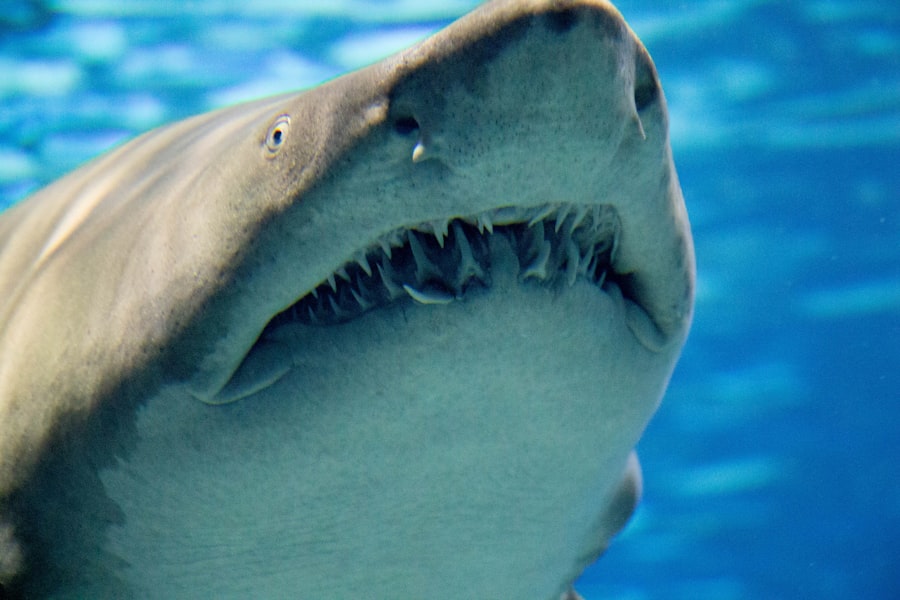
The Cretaceous was home to a diverse array of shark families, some extinct and others ancestral to modern groups. Focusing on these major families provides a strong framework for identification.
Lamniformes: The Mackerel Sharks
This order includes many iconic Cretaceous sharks, such as those ancestral to the great white shark and the extinct Cretoxyrhina. These were often large, fast-swimming predators.
Cretoxyrhina Species (e.g., Cretoxyrhina mantelli)
Often referred to as the ” Ginsu Shark” due to its sharp, serrated teeth, Cretoxyrhina was a formidable predator. Its teeth are typically triangular, broad, and heavily serrated along the edges.
Distinguishing Features of Cretoxyrhina Teeth
- Shape: Broad, triangular crown.
- Serrations: Prominent and fine to coarse along the entire edge.
- Root: Robust and often deeply crenulated.
- Size: Can be quite large, especially from mature individuals.
Ancestral Carcharodon and Related Genera
The lineage leading to the modern great white shark, Carcharodon carcharias, has roots in the Cretaceous. Teeth from these ancestors share some similarities but also possess distinct features.
Characteristics of Early Carcharodon-like Teeth
- Shape: Broadly triangular, often with a more pronounced distal heel (the part of the crown leaning towards the back of the jaw).
- Serrations: Present and well-developed, crucial for cutting.
- Root: Typically thick and broad, providing a strong anchor.
- Size: Variable, with larger specimens indicating substantial predators.
Odontaspididae: The Sand Tiger Sharks
This family includes sharks like the modern sand tiger shark, and their Cretaceous ancestors were common in many marine environments. Their teeth are typically slender and pointed.
Odontaspis and Related Genera
Teeth of these sharks are generally long, slender, and pointed, often with a slight lingual (tongue-side) apron. They were effective at impaling and holding prey.
Key Traits of Odontaspidid Teeth
- Shape: Long, slender, awl-shaped crown.
- Cusplets: Often present, though variable in size and number.
- Serrations: Typically absent or very fine on the edges.
- Root: Often slender and well-developed.
Ptychodontidae: The Cartilaginous Sharks
These sharks, now extinct, are characterized by their unique, flattened, pavement-like teeth used for crushing hard-shelled invertebrates.
Ptychodus Species
Ptychodus teeth are distinctive for their broad, flattened, and often intricately patterned surfaces. They resemble cobblestones or mosaic tiles.
Identifying Features of Ptychodus Teeth
- Shape: Extremely flattened and broad.
- Surface: Marked by radiating grooves, ridges, or tubercles.
- Root: Typically broad and fused, forming a dense plate.
- Function: Specialized for crushing mollusk shells and other hard-shelled prey.
Identifying Other Notable Cretaceous Shark Groups
Beyond the major families, several other groups contributed to the Cretaceous shark fauna, each with unique dental characteristics.
Squatiniformes: The Angel Sharks
Angel sharks, with their flattened bodies and wing-like pectoral fins, were also present in the Cretaceous. Their teeth are typically small and needle-like.
Squatina Species
These sharks’ teeth are adapted for snagging small, fast-moving prey. They are usually slender, pointed, and lack serrations.
Characteristics of Angel Shark Teeth
- Shape: Very slender, needle-like crown.
- Serrations: Absent.
- Root: Relatively small and slender.
- Size: Generally small teeth.
Heterodontiformes: The Bullhead Sharks
While more commonly associated with later periods, ancestral forms of bullhead sharks, known for their distinctive cranial structures and specialized teeth, may be found in Cretaceous deposits.
Heterodontosaurus (note: this is a dinosaur genus, not a shark. This should be a shark genus like Heterodontus or an extinct relative). Correcting to a relevant shark genus: Heterodontus or extinct relatives.
Teeth of these sharks often exhibit a gradient, with anterior teeth being sharp and pointed for grasping, and posterior teeth being broad and flattened for crushing.
Diagnostic Traits of Bullhead Shark Teeth
- Heterodonty: Pronounced difference between anterior (sharp) and posterior (crushing) teeth.
- Anterior Teeth: Small, pointed, and often without serrations.
- Posterior Teeth: Broad, flattened, and molar-like.
Extinct and Lesser-Known Cretaceous Sharks
The Cretaceous was a time of immense diversity, and many shark species are now extinct and known only from their fossilized teeth. Identifying these often requires specialized knowledge and comparison with detailed taxonomic literature.
The Importance of Fossil Locality
Knowing the geological formation and specific locality from which a tooth was recovered is crucial for narrowing down potential identifications, as different species occupied distinct geographic and environmental niches.
Consulting Paleontological Resources
For rarer finds or challenging identifications, consulting scientific literature, online databases, and experienced paleontologists is invaluable.
Cretaceous shark tooth identification is a fascinating topic that allows paleontologists and enthusiasts alike to explore the ancient oceans that once teemed with these magnificent creatures. For those interested in understanding more about the preservation of valuable artifacts, a related article discusses the importance of securing your savings and protecting your bank deposits from collapse. You can read more about this essential topic by following this link. This connection highlights how safeguarding valuable items, whether they are financial assets or fossilized treasures, is crucial in today’s world.
Practical Tips for Cretaceous Shark Tooth Identification
| Tooth Type | Size (inches) | Location |
|---|---|---|
| Goblin Shark | 0.5-1.5 | North America |
| Megalodon | 3-7 | Worldwide |
| Cretoxyrhina | 1-3 | North America |
Successful identification goes beyond simply knowing the characteristics of different species; it involves a systematic approach and practical considerations.
The Importance of Condition and Preservation
The state of preservation of a fossil tooth significantly impacts identification. Erosion, mineralization, and damage can obscure key diagnostic features.
Assessing Wear and Damage
Look for signs of wear that might alter the original shape of the crown or root. Chips, cracks, and surface erosion can make identification more difficult.
Understanding Mineralization
The type of mineralization (e.g., silica, pyrite) can affect the color and texture of the tooth, but the underlying morphology remains the primary identifier.
Using Comparative Collections and Guides
Comparing your finds to known specimens and detailed identification guides is a cornerstone of the process.
Online Databases and Museums
Numerous online paleontological databases and museum collections offer high-resolution images of fossil shark teeth, allowing for direct comparison.
Field Guides and Scientific Papers
Specialized field guides and peer-reviewed scientific papers often provide detailed descriptions, illustrations, and keys for identifying fossil shark teeth from specific regions and time periods.
Documenting Your Finds
Thorough documentation of each fossil tooth is essential for both personal record-keeping and potential scientific value.
Photography
Take clear, well-lit photographs from multiple angles (oblique, occlusal, lingual, labial, root views) to capture all diagnostic features.
Notes and Measurements
Record the date and location of discovery, geological context, approximate dimensions of the tooth (length, width, height), and any other pertinent observations.
For those interested in the fascinating world of paleontology, particularly in the identification of Cretaceous shark teeth, a related article offers valuable insights into the methods and techniques used by researchers. Understanding the unique characteristics of these ancient teeth can enhance our knowledge of prehistoric marine life. You can explore more about the challenges faced in identifying these fossils in this comprehensive piece found here.
Conclusion: The Thrill of Discovery
Identifying Cretaceous shark teeth is a rewarding endeavor that connects enthusiasts with a bygone era of formidable marine predators. By understanding the general characteristics of shark teeth, the major families that inhabited the Cretaceous seas, and employing systematic identification techniques, the amateur paleontologist can unlock the secrets held within these ancient remnants. Each tooth is a piece of a vast prehistoric puzzle, offering a tangible link to the incredible biodiversity of the Cretaceous and fueling the ongoing exploration of Earth’s deep past. The pursuit of knowledge, coupled with the thrill of discovery, makes Cretaceous shark tooth identification a truly captivating pursuit.

They Found a Shark Graveyard in the Egyptian Desert
FAQs
What are some common features of Cretaceous shark teeth?
Cretaceous shark teeth are typically triangular in shape with serrated edges. They can range in size from a few millimeters to several inches in length. The teeth are often black, brown, or grey in color and have a glossy appearance.
What are some common Cretaceous shark species known for their teeth?
Some common Cretaceous shark species known for their teeth include Cretoxyrhina, Squalicorax, Ptychodus, and Scapanorhynchus. These sharks were prevalent during the Cretaceous period and their teeth are commonly found in fossilized form.
How can I identify a Cretaceous shark tooth?
Cretaceous shark teeth can be identified by their triangular shape, serrated edges, and glossy appearance. They may also have distinct features such as cusplets or root lobes. Consulting a reference guide or seeking expert assistance can also help in identifying Cretaceous shark teeth.
Where can I find Cretaceous shark teeth?
Cretaceous shark teeth can be found in various locations around the world where Cretaceous period deposits are present. Common places to find these teeth include coastal areas, riverbeds, and fossil hunting sites. It’s important to obtain proper permits and permissions before collecting fossils.
What should I do if I find a Cretaceous shark tooth?
If you find a Cretaceous shark tooth, it’s important to handle it with care to avoid damaging the delicate fossil. It’s best to clean the tooth gently using a soft brush and water, and then allow it to dry thoroughly. If you believe you have found a significant fossil, it’s advisable to contact a local museum or paleontological organization for further guidance.