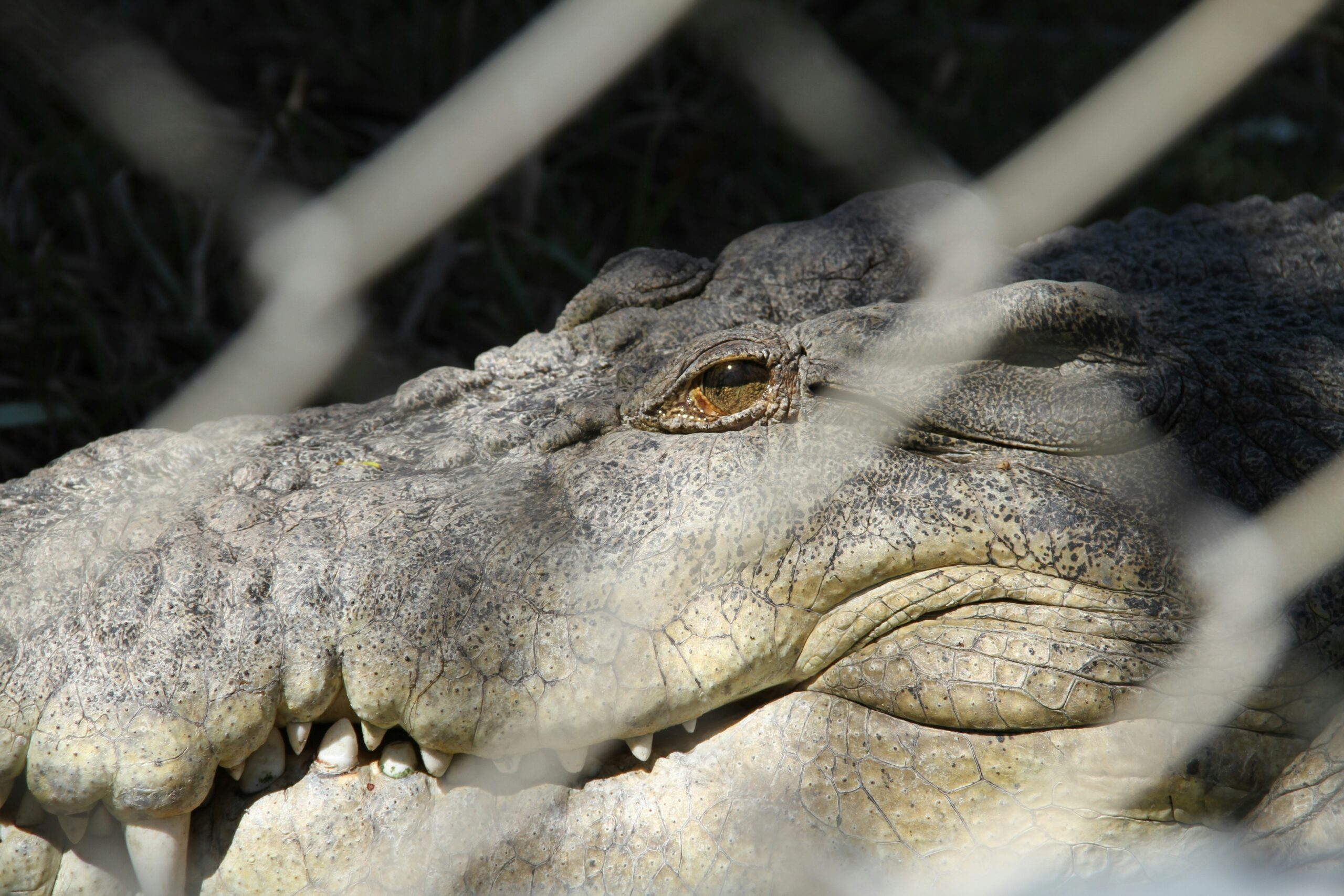
The Sahara Desert, a vast expanse of unforgiving sand and scorching sun, is often envisioned as a desolate wasteland, devoid of complex life. Yet, recent scientific discoveries are painting a dramatically different and utterly astonishing picture, revealing that this iconic desert has been and continues to be a refuge for formidable reptilian giants. The image of crocodiles, creatures intrinsically linked to lush rivers and humid swamps, thriving in the arid heart of the Sahara is a profound testament to the remarkable adaptability of these ancient predators. Far from being a relic of a bygone era, the Sahara’s crocodile populations are a vibrant, though often hidden, facet of its ecology, offering invaluable insights into evolutionary persistence and the extraordinary resilience of life in extreme environments.
The notion of crocodiles surviving, let alone thriving, in the Sahara Desert would have been considered a zoological fantasy just a few short decades ago. The prevailing scientific understanding painted a picture of these reptilian behemoths confined to more temperate or tropical wetlands. However, a ground-breaking series of recent investigations has shattered these assumptions, revealing the presence of robust crocodile populations in unexpected corners of this vast desert. These discoveries are not merely academic curiosities; they represent a significant re-evaluation of the ecological boundaries for these iconic species and underscore a remarkable story of survival against formidable odds.
A Sanctuary in the Sands: Nile Crocodiles in Mauritania
One of the most startling revelations comes from the arid landscapes of Mauritania. For many years, the Nile crocodile (Crocodylus niloticus) was considered to be locally extinct in many parts of the Sahara, its habitats having succumbed to centuries of desertification and human encroachment. However, scientists have now confirmed the existence of thriving populations of these formidable reptiles in the Guelta of Matmata, nestled within the rugged Tagant Plateau. This isolated oasis, a rare pocket of persistent water in an otherwise parched landscape, has served as an improbable sanctuary for these ancient creatures.
The Guelta of Matmata: A Hidden Haven
The Guelta of Matmata is not just any watering hole; it is a vital lifeline. The reliable presence of water, fed by subterranean sources or seasonal rains that manage to replenish its depths, creates a microhabitat capable of sustaining a complex food web. This includes the fish and amphibians that form the primary diet of the Nile crocodiles, allowing them to maintain breeding populations and avoid the fate of local extinction. The remoteness and challenging terrain of the Tagant Plateau have, perhaps ironically, provided a protective buffer, shielding these crocodiles from the intense pressures that have impacted their counterparts in more accessible regions.
Expanding the Known Territory: Comprehensive Survey Data
The confirmation of Nile crocodiles in the Guelta of Matmata is not an isolated incident, but part of a much larger and more comprehensive understanding of their distribution in Mauritania. Recent extensive field surveys have dramatically expanded our knowledge of these elusive animals. These surveys have detected crocodiles in an impressive 78 localities spread across 10 distinct river basins throughout the country. This remarkable finding has increased the known crocodile habitats in Mauritania by a substantial 35% compared to previous estimates. This expansion highlights how many populations may have been overlooked due to their preference for remote, hard-to-reach water sources and their capacity to adapt to less conventional environments.
The Scarcity of the Sahara’s Own: West African Crocodiles in Chad
While Nile crocodiles are making a surprising comeback in some Saharan pockets, the fate of another Saharan resident, the West African crocodile (Crocodylus suchus), also known as the “desert crocodile,” is far more precarious. This species has long been recognized for its remarkable ability to survive in arid conditions, but new data paints a somber picture of its current status. The Guelta d’Archei oasis in Chad’s Ennedi Plateau, once a known stronghold for this critically endangered reptile, now harbors an alarmingly small population.
The Grim Reality of Guelta d’Archei: A Population in Peril
The Guelta d’Archei, a large oasis formed by a natural depression that collects water, has historically been a vital refuge for Crocodylus suchus. However, recent observations have brought a stark reality into focus. In 2019, a conservation effort involved the capture of a mere four individuals for crucial DNA analysis. The results were disheartening: all four crocodiles captured were female. This finding immediately raised red flags regarding the species’ reproductive capacity and the long-term viability of this population.
The Urgency of Conservation: Planning for Survival
The revelation of an all-female population in Guelta d’Archei has triggered an urgent call for conservation action. Scientists and conservationists are now in the process of developing and implementing targeted strategies to prevent the extinction of the West African crocodile in this vital Saharan habitat. This includes exploring possibilities for introducing males, implementing captive breeding programs where appropriate, and intensifying efforts to protect the remaining individuals and their fragile oasis environment from further threats. The plight of Crocodylus suchus in the Ennedi Plateau serves as a critical warning about the delicate balance of life in these extreme ecosystems and the urgent need for proactive conservation measures.
Crocodiles have a fascinating history that extends beyond their current habitats, with evidence suggesting that ancient species once roamed areas like the Sahara Desert. For those interested in the intersection of ancient wildlife and technology, a related article explores the intriguing concept of ancient control technology and its implications for understanding past ecosystems. You can read more about this topic in the article titled “Unearthing Ancient Control Technology” available at this link.
Echoes from the Past: Prehistoric Crocodilians of the Sahara
The Sahara Desert is not merely a stage for the resilience of modern crocodiles; it is also a rich repository of its deep evolutionary past. For millions of years, this land, which was once a far wetter and more verdant environment, was dominated by a diverse array of crocodilian predators, some of which were unlike anything seen today. Paleontological discoveries within the Sahara have unearthed a remarkable fossil record, revealing ancient giants that not only survived but actively preyed upon the era’s most formidable inhabitants – the dinosaurs.
Upright Predators: The Dawn of Dinosaur-Eating Crocs
The fossil discoveries from the Sahara have challenged our preconceived notions of what crocodiles were capable of. Among the most extraordinary finds are the remains of bizarre, upright-galloping crocodiles, distinctly different from their modern, semi-aquatic descendants. These ancient predators, adapted to a terrestrial lifestyle, were fearsome hunters capable of taking down large prey, including dinosaurs.
Kaprosuchus saharicus: The BoarCroc
One such fascinating creature unearthed from the Saharan sands is Kaprosuchus saharicus, colloquially known as the “BoarCroc.” This magnificent beast, measuring up to 20 feet in length, possessed a unique morphology. Its powerful jaws, armed with formidable tusks resembling those of a wild boar, suggest an aggressive hunting strategy. The structure of its limbs, thought to have allowed for a more upright gait, indicates a greater reliance on terrestrial locomotion and ambush tactics, making it a formidable threat to dinosaurs that ventured near its territory.
Laganosuchus thaumastos: The PancakeCroc
Another intriguing fossil find is Laganosuchus thaumastos, or the “PancakeCroc.” This unusually flattened crocodile, also reaching an impressive size, presented a different, yet equally terrifying, predatory profile. Its broad, low-slung body and relatively short limbs suggest a more ambush-style hunting method, likely lurking in the shallow waters or along the banks of ancient Saharan rivers, waiting to strike unsuspecting prey. The discovery of such diverse forms underscores the evolutionary innovation and adaptation within the crocodilian lineage throughout the Sahara’s history.
Marine Giants of Ancient Seas: The Reign of Machimosaurus rex
The Sahara’s ancient past was not just terrestrial; for a significant period, vast seas covered much of the region. This marine environment was also home to colossal crocodilians, with discoveries in modern-day Tunisia revealing the existence of the largest known marine crocodile of all time.
The Colossus of the Ancient Seas: Machimosaurus rex
The discovery of Machimosaurus rex, a prehistoric megacrocodile, in southern Tunisia has provided a window into the grandeur and power of ancient marine ecosystems. This colossal creature, measuring an astounding 30 feet (over 9 meters) in length, represented the apex predator of its time. Its existence fundamentally altered our understanding of extinction events. Previously, it was believed that marine crocodiles largely perished with the Jurassic period. However, the discovery of Machimosaurus rex clearly demonstrates that these formidable marine predators survived for an additional 25 million years past the Jurassic extinction, continuing to dominate the ancient Saharan seas. Its immense size and powerful build suggest it was capable of preying on large marine life, including potentially turtles and even smaller marine reptiles.
Navigating the Arid Extremes: Remarkable Behavioral Adaptations
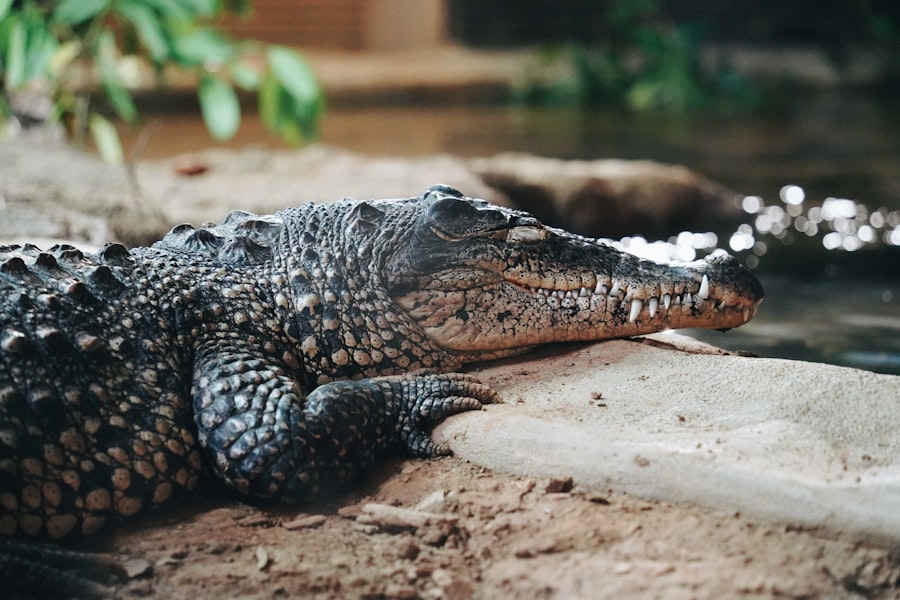
The contemporary survival of crocodiles in the harsh Saharan environment is not a matter of chance but a testament to an extraordinary suite of behavioral and physiological adaptations. These animals have evolved ingenious strategies to overcome the challenges posed by extreme heat, scarcity of water, and prolonged periods of drought. Their ability to persist in such an unforgiving landscape is a masterclass in evolutionary ingenuity.
Crocodiles are fascinating creatures that have adapted to various environments, including the arid regions of the Sahara. Recent studies have shown how these reptiles manage to survive in such harsh conditions, often relying on hidden water sources. For those interested in learning more about the broader implications of environmental changes on wildlife, you might find this article on securing your savings particularly insightful, as it discusses the importance of protecting valuable resources in uncertain times. You can read it here: securing your savings.
The Art of Survival: Aestivation and Dormancy
When the heat intensifies and water sources dwindle, Saharan crocodiles do not simply perish. Instead, they employ a remarkable survival strategy known as aestivation. This is a state of prolonged dormancy, akin to hibernation, but triggered by heat and dryness rather than cold.
Burrowing to Beat the Heat: The Role of Aestivation
During the driest and hottest periods, crocodiles will excavate burrows or seek out existing shelters in the mud or sand. These burrows offer a cooler, more humid microclimate, protecting the reptiles from the dehydrating effects of the sun and air. By reducing their metabolic activity to a bare minimum, they conserve precious energy and water. This ability to enter a state of suspended animation allows them to weather the harshest conditions, awaiting the return of more favorable seasons.
Seasonal Cycle of Activity and Rest: Planned Dormancy
Beyond aestivation, Saharan crocodiles exhibit a more general seasonal pattern of activity and dormancy. Their lifecycles are intricately tied to the availability of water and prey. During periods of abundant resources, they are more active, feeding and reproducing. As conditions deteriorate, they naturally transition into periods of reduced activity and dormancy, conserving resources until the environment becomes more hospitable. This cyclical adaptation is crucial for their long-term survival in a land of extreme climatic variability.
The Water-Wise Reptile: Conserving Every Drop
Water is the most precious commodity in the desert, and Saharan crocodiles have developed exceptional mechanisms for its conservation. Their physiology is finely tuned to minimize water loss and maximize water uptake when opportunities arise.
Physiological Drought Resistance: Water-Saving Mechanisms
Modern desert crocodiles possess a highly efficient renal system that allows them to produce highly concentrated urine, effectively reabsorbing water and minimizing excretion. Their skin also plays a crucial role; while tough and protective, it is also adapted to reduce evaporative water loss. Furthermore, their slow metabolism during dry periods means they require less water for physiological processes. When water is available, they are adept at drinking and rehydrating quickly, replenishing their reserves.
Maintaining Genetic Vitality: The Long March Across Sands
The isolation of isolated water sources in the desert can pose a significant threat to the genetic diversity of crocodile populations. If individuals remain confined to their specific oases, inbreeding can become a problem, weakening the population. Saharan crocodiles, however, have developed a remarkable solution to this challenge.
Planned Long-Distance Sand Crossings: A High-Stakes Journey
To maintain genetic connectivity between separated populations, these crocodiles are capable of undertaking arduous and dangerous long-distance sand crossings. These journeys, undertaken during cooler nights or periods of slightly higher humidity, can span several kilometers across the arid terrain. While highly risky, these migrations are crucial for gene flow, increasing the overall fitness and resilience of the species. This deliberate act of venturing into the seemingly barren desert underscores their profound commitment to survival and the continuation of their lineage.
The Evolutionary Tapestry of Saharan Crocodilians
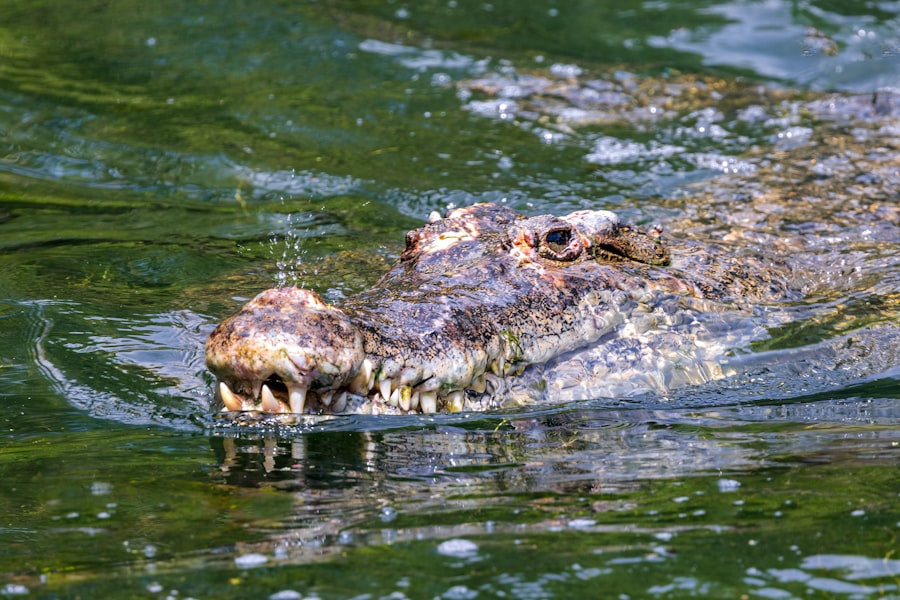
The presence of both modern, resilient crocodiles and the fossilized remains of their formidable ancestors in the Sahara Desert weaves a rich evolutionary tapestry. This diverse history reveals the Sahara not as a static, unchanging landscape, but as a dynamic environment that has harbored complex ecosystems for millennia, offering a unique window into the adaptability and evolutionary trajectory of one of Earth’s most iconic reptilian groups.
A Haven Through Time: From Humid Past to Arid Present
The Sahara of the distant past was a vastly different place. Evidence from fossil records suggests that during certain geological periods, the region was characterized by extensive river systems, large lakes, and even shallow seas. These conditions were ideal for the proliferation of crocodilians, which diversified into a multitude of forms, from the large, marine Machimosaurus rex to the terrestrial Kaprosuchus. As the climate shifted and the desert began to advance, many species were forced to adapt or perish.
The Sahara as an Evolutionary Crucible: Shaping Resilience
The Sahara’s transformation into an arid landscape did not signal the end of crocodilians; rather, it acted as an evolutionary crucible, selecting for individuals and species with the greatest capacity for adaptation. The Nile crocodile’s ability to re-establish populations in Mauritania and the independent evolution of the West African crocodile demonstrate this enduring resilience. These modern desert dwellers are living proof of how life can find a way, even in the face of seemingly insurmountable environmental challenges.
Lessons from the Past and Present: A Unified Story of Survival
The study of both ancient and modern Saharan crocodiles offers a unified narrative of survival and adaptation. The fossil record provides context for the immense evolutionary journey these reptiles have undertaken, showcasing their diversification and dominance in past environments. The ongoing discoveries of modern populations in seemingly impossible habitats highlight their extraordinary capacity for resilience and behavioral innovation. Together, these findings remind us that the Sahara, often perceived as barren, is a landscape with a profound and enduring connection to life, particularly to one of its most ancient and tenacious inhabitants. The crocodiles of the Sahara, both past and present, are not just animals; they are living testaments to the enduring power of evolution and the remarkable adaptability of life on Earth.

The Sahara Won’t Stay a Desert Forever
FAQs
1. Are there really crocodiles in the Sahara?
Yes, there are indeed crocodiles in the Sahara desert. The West African crocodile, also known as the desert crocodile, is found in isolated pockets of the Sahara desert, particularly in Mauritania, Chad, and Niger.
2. How do crocodiles survive in the harsh conditions of the Sahara?
Crocodiles in the Sahara have adapted to survive in the harsh conditions by burrowing into the sand to stay cool, and by going into a state of estivation during the dry season, which is similar to hibernation but occurs in response to extreme heat and drought.
3. What do crocodiles in the Sahara eat?
Crocodiles in the Sahara primarily feed on fish, but they also consume small mammals, birds, and other reptiles. During the wet season, when water is more abundant, they have a wider variety of prey available to them.
4. Are crocodiles in the Sahara dangerous to humans?
While crocodiles in the Sahara are generally shy and elusive, they can be dangerous to humans if provoked or if their habitat is encroached upon. It’s important for people to be cautious and respectful of these animals in their natural environment.
5. What conservation efforts are being made to protect crocodiles in the Sahara?
Conservation efforts for crocodiles in the Sahara include establishing protected areas, monitoring populations, and working with local communities to promote coexistence with these animals. Organizations such as the Sahara Conservation Fund are actively involved in these efforts.