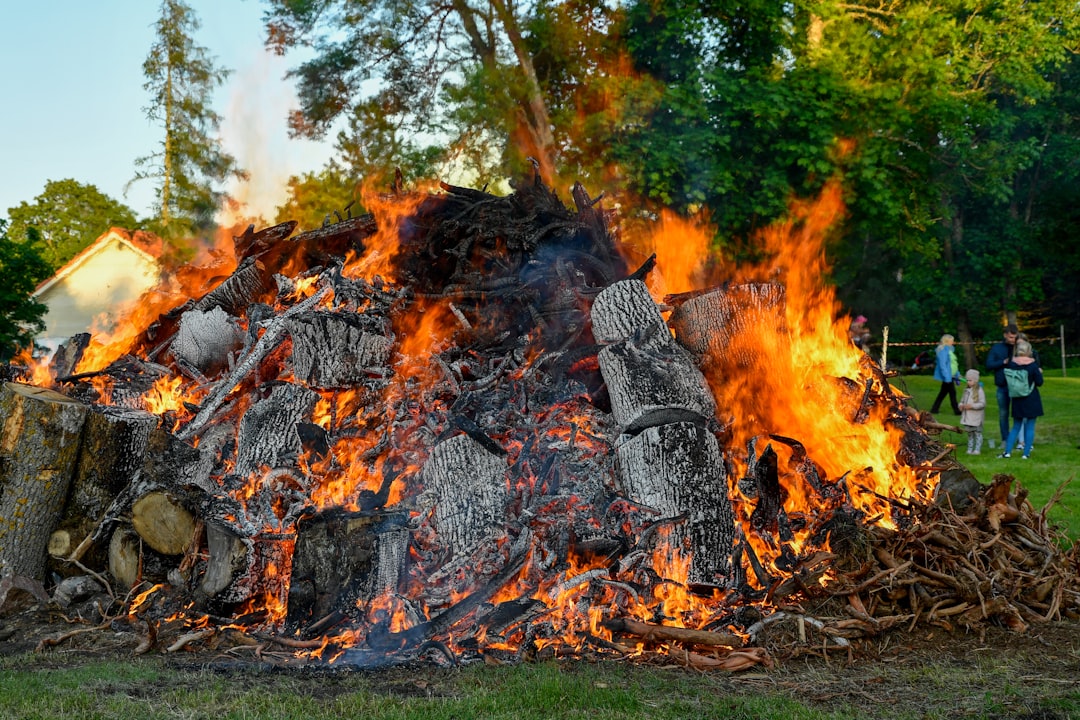
Cultural burning, a practice steeped in millennia of Indigenous knowledge and tradition, represents a profound and sustainable approach to land management that has long been misunderstood and undervalued by Western societies. It is not simply the application of fire but a sophisticated, nuanced art form passed down through generations, deeply interwoven with the ecological, spiritual, and social fabric of Indigenous cultures. This ancient practice offers a vital alternative to modern, often destructive, fire management strategies, holding the key to restoring biodiversity, enhancing landscape resilience, and fostering a more harmonious relationship between humanity and the natural world.
At its core, cultural burning is guided by a worldview that sees fire not as an enemy to be eradicated but as a vital element within an ecosystem, akin to water or sunlight. Indigenous peoples across the globe have developed intimate understandings of fire’s role in shaping landscapes, influencing plant and animal life, and promoting ecological health. This understanding is not derived from academic study or scientific experimentation in the Western sense, but from direct observation, lived experience, and an unbroken connection to Country that spans thousands of years.
The Deep Ecological Connection
Indigenous cultures have always recognized that many ecosystems are fire-adapted. Certain plant species, for instance, have evolved mechanisms that rely on fire for their reproduction, such as seeds that require heat to germinate or cones that only open after exposure to flames. Fire can also prevent the buildup of dense, unmanageable fuel loads, thereby reducing the risk of catastrophic wildfires. Moreover, controlled burning can clear out invasive species, promote the growth of native vegetation, and create a mosaic of habitats that support a wider range of biodiversity. This ecological connection is not a passive observation but an active stewardship, where Indigenous peoples understand their role as custodians of the land and its fire cycles.
Spirituality and Ancestral Knowledge
The practice of cultural burning is inextricably linked to the spiritual beliefs and ancestral knowledge of Indigenous communities. Fire is often seen as a sacred element, a gift from the creator, and a means of communicating with the spirit world. Rituals and ceremonies are frequently performed in conjunction with burning, imbuing the practice with deep cultural significance. This spiritual dimension informs the timing, intensity, and location of burns, ensuring they are conducted in a manner that respects the land and its inherent sacredness. The knowledge of when and where to burn, how to use fire to promote growth and regeneration, and how to coexist with this powerful force has been passed down through oral traditions, stories, songs, and direct mentorship from elders to younger generations.
The Concept of “Country” and Reciprocity
For Indigenous peoples, the land is not merely a resource to be exploited but a living entity, a complex and interconnected system often referred to as “Country.” This concept encompasses not only the physical landscape but also the spiritual, social, and cultural dimensions of a particular place. Cultural burning is an expression of this profound relationship, a reciprocal exchange where Indigenous peoples care for Country, and in return, Country sustains them. This understanding of reciprocity means that burning is undertaken with the utmost respect for the land’s needs and rhythms, aiming to maintain its health and vitality for future generations.
Cultural burning practices among Indigenous peoples have been recognized for their ecological benefits and their role in land management. These techniques, which involve the intentional use of fire to promote healthy ecosystems, have been passed down through generations and are increasingly being acknowledged in contemporary environmental discussions. For a deeper understanding of ancient technologies and practices that have shaped human interaction with the environment, you can explore the article on the mystery of lost ancient technology at this link.
The Practical Application of Cultural Burning
Cultural burning is not a single, monolithic practice but a diverse set of techniques and approaches tailored to specific ecosystems, cultural protocols, and land management objectives. The precision and intentionality behind these burns distinguish them from uncontrolled wildfires or the broad-stroke applications of some modern fire management techniques.
Patch Burning and Mosaic Landscapes
One of the most common techniques employed in cultural burning is “patch burning.” This involves intentionally burning specific sections of the landscape at different times and intensities, creating a mosaic of habitats in various stages of regeneration. This approach is highly effective in promoting biodiversity by providing a range of food sources and shelter for different species. For example, a recently burned area might be ideal for certain ground-dwelling birds, while a slightly older burn might offer new growth for grazing animals. This controlled fragmentation of the landscape through fire prevents the formation of large, homogenous areas that are less resilient to environmental changes and more prone to catastrophic fires.
Fuel Reduction and Fire Preparedness
Cultural burning plays a crucial role in managing fuel loads. By regularly and deliberately igniting small, controlled fires, Indigenous peoples prevent the accumulation of dry vegetation that can fuel large, intense wildfires. This proactive approach to fuel management is far more effective and less destructive than waiting for fires to occur and then attempting to suppress them. It also contributes to a greater sense of preparedness within communities, as they are actively working with the natural fire cycles rather than trying to fight against them. This also reduces the intensity of natural wildfires when they do occur, making them easier to manage and less damaging to the environment and human settlements.
Promoting the Growth of Native Flora and Fauna
Many native plant species have evolved to thrive in fire-prone environments. Cultural burning can stimulate the germination of seeds, encourage the growth of new shoots, and maintain the health of these fire-dependent species. This, in turn, supports the animals that rely on these plants for food and habitat. For instance, certain native grasses flourish after a burn, providing vital sustenance for grazing animals. Similarly, some trees require fire to release their seeds, ensuring the continuation of those species. This targeted intervention with fire actively promotes the ecological processes that sustain native life.
Specific Techniques and Cultural Protocols
The specific techniques used in cultural burning vary greatly depending on the region, the ecosystem, and the cultural traditions of the people practicing it. This might include using specific types of ignition, controlling the direction and intensity of the flame, and employing techniques to ensure the fire does not spread beyond designated areas. Furthermore, cultural burning is often accompanied by strict protocols and protocols that dictate who can perform the burning, when it can be done, and the specific rituals and observances that must be followed. These protocols are designed to ensure the safety of the community and the land, and to maintain the spiritual and cultural integrity of the practice.
The Benefits of Cultural Burning for Modern Land Management
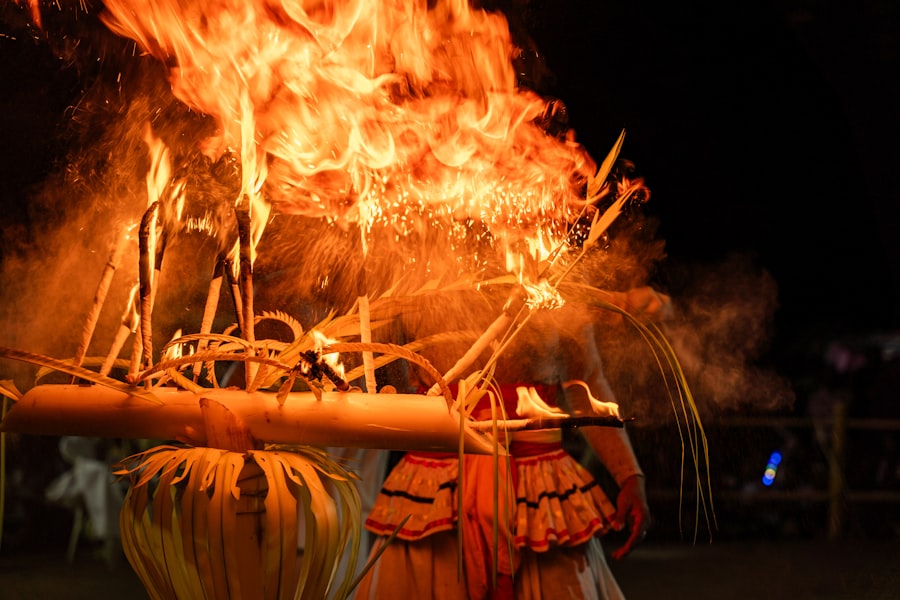
In an era of escalating climate change and increasingly frequent and severe wildfires, the ancient wisdom of cultural burning offers invaluable insights and practical solutions for contemporary land management challenges. Its effectiveness and sustainability have led to a growing recognition and adoption of these practices by scientists, land managers, and governments.
Enhanced Biodiversity and Ecosystem Resilience
By creating mosaic landscapes and promoting the growth of native vegetation, cultural burning significantly enhances biodiversity. This variety of habitats supports a wider range of plant and animal species, leading to healthier and more resilient ecosystems. These resilient ecosystems are better equipped to withstand the impacts of climate change, such as prolonged droughts and changing weather patterns. The controlled burns prevent the dominance of a few resilient species, allowing for a richer tapestry of life to flourish. This biodiversity also makes the landscape less susceptible to widespread disease and pest outbreaks.
Improved Fire Safety and Reduced Wildfire Risk
Regular cultural burning effectively reduces fuel loads, thereby mitigating the risk of large, destructive wildfires. This proactive approach is far more sustainable and less costly than reactive wildfire suppression efforts. By creating a landscape with less continuous fuel, the spread and intensity of natural fires are significantly reduced, protecting both natural environments and human communities. This proactive approach also reduces the emotional and financial toll that catastrophic wildfires can take on communities.
Restoration of Traditional Landscapes and Cultural Heritage
Cultural burning is not only about ecological management but also about the preservation and revitalisation of Indigenous cultural heritage. By reintroducing these traditional practices, Indigenous communities can reconnect with their ancestral lands, strengthen their cultural identity, and pass on vital knowledge to younger generations. This act of stewardship can lead to the restoration of traditional landscapes that have been altered by colonial land use practices. The act of burning is often a communal activity, fostering social cohesion and reinforcing cultural connections to Country.
A Sustainable and Regenerative Approach
Unlike many modern land management techniques that can be resource-intensive and environmentally damaging, cultural burning is inherently sustainable and regenerative. It works in harmony with natural processes, promoting ecological health and long-term land vitality. This approach offers a powerful example of how to live in balance with the natural world, providing a blueprint for a more sustainable future. The minimal use of external inputs and the focus on working with natural cycles make this an exceptionally low-impact form of land management.
Challenges and Opportunities for Cultural Burning
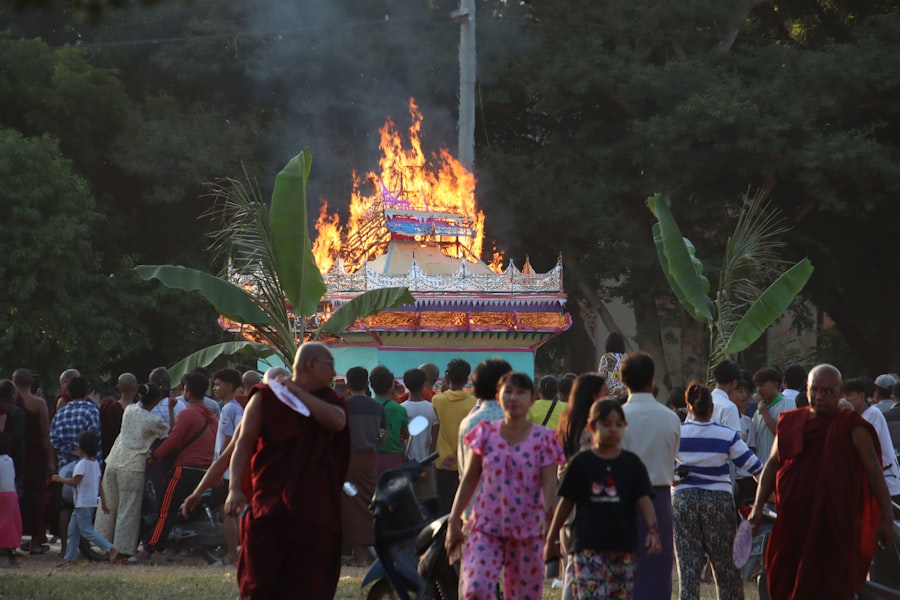
Despite its proven efficacy and growing recognition, the widespread implementation of cultural burning faces several significant challenges. However, these challenges also present opportunities for greater collaboration, knowledge sharing, and the integration of Indigenous wisdom into mainstream land management practices.
Overcoming Historical Dispositation and Lack of Recognition
For centuries, Indigenous fire practices were suppressed and outlawed by colonial governments, leading to a significant loss of traditional knowledge and the degradation of landscapes. Overcoming this historical legacy requires acknowledging the value of Indigenous knowledge, reinstating Indigenous land rights, and supporting the re-establishment of cultural burning practices. This involves a process of decolonization within land management institutions and a genuine commitment to reconciliation. This historical suppression has created a knowledge gap that needs to be actively addressed through education and empowerment.
Bridging the Gap Between Indigenous Knowledge and Western Science
There is a growing effort to bridge the gap between Indigenous knowledge and Western scientific approaches to fire management. This involves fostering respectful partnerships, where scientific research can complement and validate Indigenous practices, and where Indigenous knowledge can inform scientific inquiry. This collaborative approach ensures that fire management strategies are holistic, effective, and culturally appropriate. The aim is not to Westernize Indigenous knowledge but to find common ground and mutual respect for different ways of understanding and interacting with the natural world.
Securing Funding and Resources for Indigenous-Led Initiatives
The effective implementation of cultural burning requires adequate funding and resources. Indigenous communities often face significant financial barriers in reviving and sustaining these practices. Securing dedicated funding streams, supporting Indigenous-led fire crews, and investing in training and capacity building are crucial steps towards ensuring the long-term viability of cultural burning. This includes funding for equipment, insurance, and the compensation of cultural fire practitioners.
Building Capacity and Training Future Generations
Ensuring the continuity of cultural burning practices necessitates the ongoing training and mentorship of future generations. This involves creating opportunities for young Indigenous people to learn from elders, participate in burns, and develop the skills and knowledge required to become future fire custodians. This knowledge transfer is vital for maintaining the cultural integrity and ecological effectiveness of these ancient practices. This also involves the development of formal educational programs that integrate traditional knowledge with contemporary land management principles.
Cultural burning practices among Indigenous peoples have gained recognition for their role in land management and ecological restoration. These traditional methods not only help in reducing wildfire risks but also promote biodiversity and support the cultural heritage of Indigenous communities. For a deeper understanding of the environmental influence of such practices, you can explore this insightful article on the topic here. By integrating these ancient techniques into modern land management strategies, we can foster a more sustainable relationship with our environment.
The Future of Fire Management: Embracing Cultural Burning
| Aspect | Details |
|---|---|
| Definition | A traditional practice of Indigenous peoples involving controlled burning of vegetation for various purposes. |
| Benefits | Enhances biodiversity, reduces fuel load, promotes regrowth, and maintains cultural connections to the land. |
| Challenges | Government regulations, lack of understanding, and climate change impacts. |
| Modern Applications | Efforts to integrate cultural burning practices into contemporary land management and conservation strategies. |
The escalating threat of climate change and the increasing frequency and intensity of wildfires demand a paradigm shift in how we approach fire management. Cultural burning, with its deep ecological understanding, spiritual significance, and proven effectiveness, offers a powerful and sustainable alternative to many of the current, often reactive, strategies. Embracing these Indigenous practices is not just about ecological restoration; it is about fostering a more respectful and reciprocal relationship with the natural world.
A Holistic Approach to Land Stewardship
Cultural burning represents a holistic approach to land stewardship, recognizing the interconnectedness of ecological, spiritual, and cultural well-being. By integrating Indigenous knowledge with modern scientific understanding, we can develop more effective, sustainable, and culturally appropriate fire management strategies. This shift moves beyond simply suppressing fires to actively working with fire as a tool for ecological health and cultural regeneration. This holistic perspective acknowledges that healthy land is intrinsically linked to healthy communities.
Empowering Indigenous Communities and Revitalizing Cultural Heritage
Supporting and promoting cultural burning empowers Indigenous communities to reclaim their role as custodians of their ancestral lands. It provides opportunities to revitalize cultural heritage, strengthen community bonds, and pass on invaluable traditional knowledge to future generations. This empowerment is crucial for self-determination and the long-term health of both Indigenous cultures and the environments they steward. This revitalization also fosters a sense of pride and ownership over their cultural practices and traditional territories.
Towards a More Resilient and Harmonious Future
By embracing cultural burning, we can move towards a future where landscapes are more resilient to climate change, biodiversity flourishes, and human communities live in greater harmony with the natural world. This ancient practice holds profound lessons for contemporary challenges, offering a path towards a more sustainable, equitable, and vibrant future for all. The lessons learned from millennia of Indigenous fire stewardship can guide us towards a more balanced and sustainable relationship with the planet, ensuring its health for generations to come. This embodies a commitment to intergenerational equity and a deep respect for the natural systems that sustain life.
The Wilderness Was Engineered
FAQs
What is cultural burning?
Cultural burning is a traditional practice of land management by Indigenous peoples that involves controlled burning of vegetation for various purposes such as promoting biodiversity, reducing fuel load, and maintaining ecological balance.
How does cultural burning differ from other forms of land management?
Cultural burning differs from other forms of land management in that it is deeply rooted in Indigenous knowledge, traditions, and spirituality. It is a holistic approach that considers the interconnectedness of all living things and the land.
What are the benefits of cultural burning?
Cultural burning has numerous benefits, including reducing the risk of catastrophic wildfires, promoting the growth of native plants, improving soil health, and supporting the overall health of ecosystems. It also helps to preserve Indigenous cultural heritage and knowledge.
Why is cultural burning important for Indigenous peoples?
Cultural burning is important for Indigenous peoples as it is a way of maintaining their cultural identity, connection to the land, and traditional ecological knowledge. It also provides a means for Indigenous communities to actively participate in land stewardship and conservation.
How can cultural burning be integrated into modern land management practices?
Efforts are being made to integrate cultural burning into modern land management practices through collaboration with Indigenous communities, incorporation of traditional knowledge into fire management policies, and recognition of Indigenous rights to practice cultural burning. This involves respectful engagement, partnerships, and support for Indigenous-led initiatives.