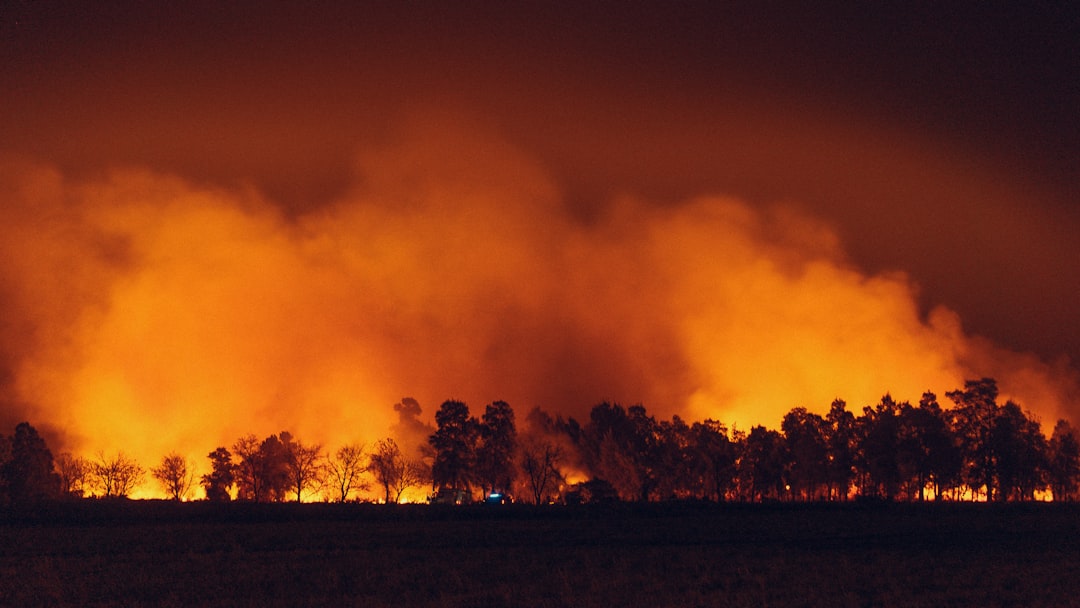
The crackling of flames, the smoky aroma permeating the air, the ancient practice of fire sweeping across landscapes – these are the sensory hallmarks of cultural burning. Far more than just a primitive method of land management, cultural burning is a deeply ingrained tradition for many Indigenous communities, a testament to their profound understanding of ecosystems and their stewardship of the land over millennia. While its ecological benefits have gained increasing recognition, a less explored but equally vital aspect of cultural burning lies in its capacity to unearth and illuminate archaeological evidence, offering a unique window into the past. This practice, when understood and undertaken with respect for cultural protocols, can reveal the human stories etched into the earth, stories that might otherwise remain hidden beneath layers of time and vegetation.
For countless generations, Indigenous peoples across the globe have employed fire as a tool for shaping their environment. This was not a haphazard application of flame, but a deliberate and intricate knowledge system passed down through oral traditions and lived experience. The reasons for cultural burning are manifold, encompassing land rejuvenation, enhancing biodiversity, promoting the growth of desired plants for food and medicine, creating hunting grounds, and even as a means of communication and cultural expression. It is within this complex web of human interaction with the landscape that archaeological evidence finds its fertile ground for discovery. The very act of burning, when conducted in specific ways, can expose, preserve, and even create archaeological features, transforming the landscape into a living archive.
Understanding the Pre-Contact Landscape
Before the advent of modern land management practices, Indigenous peoples were the primary architects of many landscapes. Their understanding of fire’s role was paramount. They recognized how different fuel loads, moisture levels, and wind conditions could be manipulated to achieve specific outcomes. This intimate knowledge translated into carefully orchestrated burns, designed not to annihilate, but to nurture and shape. These intentional fires, repeated over vast stretches of time, left indelible marks on the archaeological record.
The Role of Indigenous Knowledge Systems
The foundation of cultural burning lies in sophisticated knowledge systems developed over thousands of years. These systems are not static but are dynamic and responsive to environmental changes. Elders and knowledge keepers hold the keys to this wisdom, understanding the nuances of when, where, and how to apply fire safely and effectively. This knowledge encompasses not only the immediate effects of a burn but also its long-term consequences for both the ecological and archaeological landscape.
Environmental Context and Fire Regimes
The effectiveness of cultural burning in revealing archaeological evidence is intrinsically linked to the specific environmental context. Different ecosystems have different fire regimes – natural patterns of fire frequency, intensity, and seasonality. Indigenous peoples learned to work with, and often enhance, these natural regimes. Understanding these historical fire regimes is crucial for interpreting the archaeological record that has been shaped by them.
Recent studies have highlighted the significance of cultural burning practices in shaping landscapes and ecosystems, providing valuable archaeological evidence of Indigenous land management techniques. These practices not only promote biodiversity but also enhance soil health, demonstrating a deep understanding of environmental stewardship. For further insights into the importance of land management and investment in sustainable practices, you can explore a related article on the benefits of farmland investment at this link.
Fire as an Archaeological Excavator
The transformative power of fire extends beyond its ecological implications. In the context of archaeology, cultural burning can act as an inadvertent or even intentional excavator, bringing to light artifacts, features, and even the remains of past human activities. The removal of dense vegetation and accumulated organic matter can expose surfaces that have been concealed for centuries, revealing the subtle signatures of human presence.
Revealing Buried Artifacts
One of the most direct ways cultural burning aids archaeological discovery is by clearing away overlying layers of humus, leaf litter, and grasses. These organic materials, while vital for soil health, can effectively mask the presence of surface artifacts. A controlled burn, particularly one that burns down to mineral soil, can expose pottery shards, stone tools, beads, and other portable objects that would otherwise be invisible. The contrast between the dark, often ash-covered soil and the lighter-colored artifacts makes them strikingly apparent.
The Impact of Ash Deposition
The ash left behind by a cultural burn is not merely a byproduct; it can also play a significant role in preservation. The alkaline nature of ash can neutralize soil acidity, which can be detrimental to the preservation of certain materials like bone and shell. In some instances, the ash layer itself can create a protective barrier, shielding artifacts from erosion and further degradation. Furthermore, the ash can act as a binding agent, consolidating loose soils and preventing the dispersal of smaller artifacts.
Exposing Subsurface Features
Beyond surface artifacts, cultural burning can also reveal more complex subsurface features. The heat of a fire can alter the soil chemistry and color, creating visible contrasts that delineate the outlines of former structures, hearths, or pits. For example, the intense heat of a hearth fire can vitrify the soil, leaving a distinct, hardened patch that is resistant to erosion. Similarly, the burning of wooden posts or structures can leave behind post molds – cavities in the soil that mark the original position of these elements.
Hearth Sites and Cooking Areas
The remnants of ancient hearths are a common archaeological find, and cultural burning can significantly enhance their visibility. Pre-contact societies relied heavily on open fires for cooking, warmth, and other daily activities. These hearths often consist of concentrated charcoal, ash, and heat-altered stones. A cultural burn can clear away the vegetation that has grown over these sites, exposing the tell-tale layers of blackened earth and fire-cracked rocks, making them readily identifiable to archaeologists.
Former Habitation Areas and Settlement Patterns
The cumulative effect of centuries of human activity within a settlement area – including the repeated use of hearths, the disposal of domestic refuse, and the construction and decay of structures – creates distinct archaeological signatures. Cultural burning can strip away the modern vegetation, revealing these subtle topographical and soil anomalies that hint at the location and extent of former habitations. This allows archaeologists to reconstruct settlement patterns and understand how communities organized themselves within the landscape.
Preserving the Past Through Controlled Burns

The relationship between cultural burning and archaeological preservation is not always about discovery; it can also be about active conservation. When undertaken with a deep understanding of the archaeological potential of a landscape, cultural burns can be managed in ways that protect existing sites and prevent their deterioration. This requires a collaborative approach between Indigenous knowledge holders and archaeologists.
Mitigation of Erosion and Bushfire Threats
One of the most critical roles of controlled cultural burning is its ability to mitigate the destructive forces of natural bushfires and erosion. Overgrown vegetation, particularly in dry environments, creates a significant fuel load, increasing the risk of intense and uncontrollable bushfires. These fires can devastate archaeological sites, incinerating artifacts and obliterating features. By regularly removing this fuel through controlled burns, Indigenous communities can significantly reduce the likelihood and intensity of such catastrophic events, thereby protecting the archaeological heritage. Similarly, the accumulation of organic matter can contribute to soil erosion. Controlled burns help to stabilize soils by removing excess vegetation and promoting the growth of more resilient native grasses.
The Importance of Fuel Load Reduction
The reduction of fuel load is a primary objective of many cultural burning practices. Dense vegetation can act like a wick, drawing fire through a landscape and increasing its intensity. By carefully managing the accumulation of dry grasses, shrubs, and fallen leaves, cultural burns prevent the build-up of excessive fuel. This not only reduces the risk of uncontrolled wildfires but also ensures that any fires that do occur are less likely to reach the destructive temperatures that can damage archaeological materials.
Preventing Soil Erosion Through Vegetation Management
The management of vegetation through cultural burning has a direct impact on soil erosion. In many landscapes, a thick blanket of vegetation protects the soil from the erosive forces of wind and rain. However, when this vegetation becomes overly dense or consists of invasive species, it can sometimes exacerbate erosion. Cultural burning, by promoting the growth of native grasses and other deep-rooted plants, can create a more stable and resilient ground cover, thus preventing the loss of valuable archaeological deposits.
Protecting Against Invasive Species
Invasive plant species can pose a significant threat to both ecological integrity and archaeological sites. These species often outcompete native vegetation, altering soil chemistry and creating dense, homogenous fuel beds that are prone to intense fires. Cultural burning, when integrated into broader land management strategies, can help to control the spread of invasive species and restore the balance of native plant communities. This, in turn, contributes to the long-term health of the landscape and the preservation of its archaeological resources.
The Ecological Impact of Invasive Plants
Invasive plants can disrupt the natural fire regimes of a landscape, often leading to more frequent and intense fires. They can also alter soil composition, making it less hospitable to native flora and fauna. This ecological imbalance can indirectly impact archaeological sites by increasing erosion rates or promoting the growth of vegetation that obscures archaeological features.
Using Fire to Reassert Native Vegetation
Cultural burning can be a powerful tool for reasserting native vegetation and suppressing invasive species. By selectively applying fire, Indigenous land managers can create conditions that favor the germination and growth of native plants while hindering the propagation of invasives. This ecological restoration benefits both the environment and the archaeological heritage.
Collaboration: Bridging Indigenous Knowledge and Archaeology
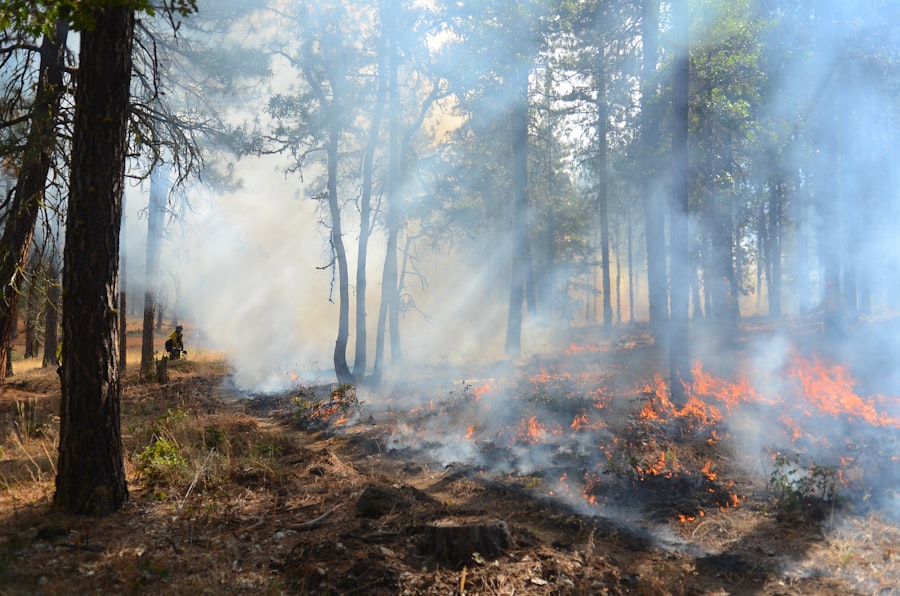
The most effective approach to utilizing cultural burning for archaeological purposes is through genuine collaboration between Indigenous communities and archaeological professionals. This partnership acknowledges the deep, place-based knowledge held by Indigenous peoples and integrates it with scientific methodologies. Such collaborations are built on mutual respect, shared goals, and a commitment to responsible land stewardship.
The Ethics of Engagement and Respect
The practice of cultural burning, especially when it involves archaeological sites, is deeply intertwined with ethical considerations. It is paramount that any engagement with cultural burning and archaeology is conducted with the utmost respect for Indigenous cultural protocols, traditions, and intellectual property. This means ensuring that Indigenous communities lead and guide the process, and that their knowledge is acknowledged and valued. Unauthorized or disrespectful burning practices can cause irreparable damage to both cultural heritage and the land itself.
Free, Prior, and Informed Consent (FPIC)
In any archaeological undertaking involving Indigenous lands or cultural practices, obtaining Free, Prior, and Informed Consent (FPIC) from the relevant Indigenous communities is a non-negotiable ethical requirement. This means ensuring that Indigenous peoples have the right to decide whether and how their lands and cultural heritage are engaged with, and that they are fully informed about all aspects of any proposed project, including its potential impacts and benefits.
The Role of Elders and Knowledge Holders
Elders and knowledge holders are the custodians of cultural burning traditions. Their expertise is invaluable in understanding the nuances of fire application, the specific ecological and archaeological characteristics of a landscape, and the appropriate protocols for engaging with cultural heritage. Archaeological projects should actively seek to involve and learn from these individuals, ensuring that their knowledge guides the entire process.
Integrating Traditional Ecological Knowledge (TEK) with Scientific Methods
The power of this collaboration lies in the fusion of Traditional Ecological Knowledge (TEK) with Western scientific methodologies. TEK provides an unparalleled depth of understanding about long-term environmental processes, the intricate relationships within ecosystems, and the historical use of fire. Archaeological science, in turn, offers precise dating techniques, analytical tools for artifact identification, and spatial analysis methods. When these two bodies of knowledge are brought together, they create a more comprehensive and nuanced understanding of the past.
Archaeological Surveys Pre and Post-Burn
Prior to a cultural burn, archaeological surveys are essential to identify and document existing sites and potential areas of interest. This baseline data allows for the assessment of the burn’s impact and the identification of newly exposed features. Following the burn, a further survey can reveal artifacts and features that have been uncovered, facilitating their documentation and preservation.
GIS Mapping and Remote Sensing in Combination with TEK
Geographic Information Systems (GIS) and remote sensing technologies can be powerful allies in this collaborative effort. GIS can be used to map the extent of burns, overlaying them with known archaeological site data and Indigenous land use information. Remote sensing, such as aerial photography and satellite imagery, can help to identify subtle landscape features that may indicate the presence of archaeological sites, which can then be ground-truthed with the guidance of TEK.
Recent studies have highlighted the significance of cultural burning practices among Indigenous communities as a means of land management and ecological preservation. These practices not only shaped the landscape but also fostered biodiversity, demonstrating a deep understanding of the environment. For further insights into how these ancient techniques have influenced modern ecological strategies, you can explore this related article on anticipated global map shifts, which discusses the broader implications of such archaeological evidence. Check out the article here for more information.
Future Directions: Sustaining the Practice for Discovery and Preservation
| Location | Period | Findings |
|---|---|---|
| Australia | 40,000 years ago | Charcoal and fire-cracked rocks |
| North America | 10,000 years ago | Charred plant remains and fire pits |
| Europe | 6,000 years ago | Charred seeds and evidence of controlled burns |
The continued practice of cultural burning, guided by Indigenous knowledge and undertaken in collaboration with archaeological science, holds immense promise for future discoveries and the long-term preservation of cultural heritage. This requires ongoing support for Indigenous-led initiatives, investment in training and capacity building, and the development of frameworks that recognize and legitimize the role of cultural burning in land management and heritage conservation.
Empowering Indigenous Communities as Custodians
Ultimately, the stewardship of cultural landscapes and their archaeological heritage rests with Indigenous communities. Supporting Indigenous-led cultural burning initiatives is crucial for the sustained practice of this tradition and for the continued discovery and protection of the past. This involves providing resources, training, and recognition for their role as custodians of their ancestral lands.
Training and Capacity Building
Investing in training programs for Indigenous communities in fire management techniques, archaeological survey, and site recording is essential. This empowers them to undertake their own cultural burning practices with scientific rigor and to actively participate in the documentation and preservation of their heritage.
Recognition and Legitimation of Cultural Burning
Formal recognition and legitimation of cultural burning as a valid and effective land management practice are vital. This can involve policy changes, funding allocations, and the integration of cultural burning into broader land management plans and heritage conservation strategies.
The Ongoing Dialogue Between Fire and the Past
The relationship between cultural burning and archaeology is an evolving dialogue. As Indigenous communities continue to practice and refine their fire management techniques, and as archaeological methods become more sophisticated, new opportunities for discovery and understanding will undoubtedly emerge. The future lies in fostering this dialogue, ensuring that it is grounded in respect, collaboration, and a shared commitment to safeguarding the rich cultural and ecological heritage of our planet. The smoke from a well-managed cultural burn, rising against the horizon, can carry with it not just the scent of rejuvenation, but also the whispers of ancient stories, waiting to be heard.

The Wilderness Was Engineered
FAQs
What is cultural burning?
Cultural burning is a traditional practice of land management by Indigenous peoples that involves the controlled use of fire to maintain and enhance the health of ecosystems. It is a way of managing the landscape to promote biodiversity, reduce fuel loads, and regenerate plant species.
What is archaeological evidence of cultural burning?
Archaeological evidence of cultural burning refers to the physical remains and artifacts that indicate the historical use of fire by Indigenous peoples for land management. This evidence can include charred plant material, fire-cracked rocks, and other signs of intentional burning found in archaeological sites.
How does archaeological evidence of cultural burning contribute to our understanding of Indigenous land management practices?
Archaeological evidence of cultural burning provides insights into the long history of Indigenous land management practices and their impact on ecosystems. It helps researchers and land managers understand the traditional ecological knowledge and sustainable practices of Indigenous peoples, which can inform contemporary land management strategies.
What are some examples of archaeological evidence of cultural burning?
Examples of archaeological evidence of cultural burning include fire pits, hearths, charcoal deposits, and fire-modified rock features found in archaeological sites. These artifacts and features indicate the intentional use of fire for land management by Indigenous peoples in the past.
Why is it important to study archaeological evidence of cultural burning?
Studying archaeological evidence of cultural burning is important for recognizing and respecting the traditional land management practices of Indigenous peoples. It also helps to inform modern land management and conservation efforts by integrating traditional ecological knowledge and sustainable practices into contemporary approaches.