The ancient walls of Cusco stand as formidable testaments to a civilization that once dominated a vast empire. These colossal stone structures, meticulously fitted together without mortar, whisper tales of ingenuity, power, and a profound connection to the earth. Far beyond mere fortifications, they represent the beating heart of the Inca world, a meticulously planned capital that pulsed with religious and political significance. Today, these enduring relics continue to captivate, their precise construction and the secrets they hold fueling endless fascination and scholarly debate.
The sheer scale and precision of Cusco’s walls are perhaps their most striking feature. The Incas, renowned for their architectural prowess, developed a unique and highly sophisticated method of stone construction that has baffled and impressed observers for centuries. Their ability to quarry, transport, and shape massive stones with such accuracy is a testament to their engineering genius and organized labor.
The Art of Polygonal Masonry
At the core of Cusco’s ancient walls lies the distinctive polygonal masonry. This technique involved shaping each individual stone to fit perfectly against its neighbors, creating an interlocking puzzle of monumental proportions. No two stones were identical, yet their edges met with such an astonishing degree of precision that a knife blade cannot be inserted between them. This intricate fitting was not merely aesthetic; it served a crucial structural purpose.
The Mystery of the Tools and Techniques
The exact tools and techniques employed by the Incas remain a subject of fervent speculation. Lacking iron tools or the wheel for heavy lifting, their methods were undoubtedly labor-intensive and ingeniously adapted. Theories abound, ranging from the use of harder stones for abrasion and shaping to the strategic application of water and sand to create smooth surfaces.
Stone Acquisition and Transportation
The colossal stones themselves, some weighing many tons, had to be quarried from distant sites. The precise locations of these quarries are often unknown, adding another layer to the mystery. Once extracted, these massive blocks were transported, without the aid of draft animals or wheeled carts, to the construction sites in Cusco. This feat of logistics and human power is staggering to contemplate.
The Precision Fitting Process
The process of fitting these irregular stones together with such exactitude is perhaps the most enigmatic aspect of Inca stonework. It is believed that the stones were roughly shaped at the quarry, then brought to the building site and painstakingly refined by repeatedly fitting and grinding them against each other. This iterative process, requiring immense patience and skill, would have allowed for the creation of the tight, seamless joints that characterize Cusco’s walls.
The Role of Water and Sand
Some archaeological theories suggest that water and sand may have played a role in achieving the smooth, polished surfaces of the stones. Filling the gaps with sand and then applying water could have aided in the grinding and shaping process, creating a more precise fit. However, the exact application and effectiveness of such methods remain debated.
The ancient walls of Cusco, a testament to the ingenuity of the Inca civilization, not only reflect the architectural prowess of their time but also serve as a reminder of the region’s historical significance in the context of global power dynamics. For a deeper understanding of how such historical sites influence contemporary geopolitical issues, you can explore the article on the rise of proxy wars and their implications for global power struggles at this link.
Cusco: The Sacred Center of Tawantinsuyu
Cusco, or Qosqo in Quechua, was far more than just a city; it was the spiritual and political heart of the vast Inca Empire, known as Tawantinsuyu, “Land of the Four Quarters.” The city’s layout, its monumental architecture, and the powerful symbolism embedded within its structures all point to its supreme importance as the center of an empire. The ancient walls that remain are the tangible remnants of this once-mighty capital.
The Imperial Capital and its Layout
Under the Incas, Cusco was meticulously planned and organized. Its shape was said to resemble a puma, a sacred animal in Inca cosmology. The city was divided into two main sectors: Hanan Cusco (Upper Cusco) and Hurin Cusco (Lower Cusco). The most important religious and administrative buildings were located in the upper sector, emphasizing its primacy.
The Puma’s Anatomy: City Planning Principles
The conception of Cusco as a puma is a powerful example of Inca biocentric urbanism, where the natural world and its spiritual significance directly influenced human endeavors. The placement of temples, palaces, and residential areas mirrored the perceived anatomy of the puma, with the fortress of Sacsayhuamán forming its head.
Hanan and Hurin Cusco: Social and Political Division
The division of the city into upper and lower halves reflected not only geographical placement but also social and political hierarchy. Hanan Cusco was generally associated with the ruling Inca and the more prominent lineages, while Hurin Cusco housed other important families and functions. This dualistic organization was a fundamental principle in Inca society.
Religious Significance and Temples of Power
Cusco was a city saturated with religious devotion. Numerous temples and sacred sites dotted the landscape, dedicated to the Sun God Inti, the creator god Viracocha, and various other deities and ancestral spirits. The most sacred sites were often built with the same extraordinary stonework seen in the city’s defensive walls.
Coricancha: The Golden Temple
The Coricancha, or Temple of the Sun, was the most revered religious site in Cusco and, indeed, in the entire Inca Empire. Its walls were once said to be covered in sheets of solid gold, a breathtaking testament to the Incas’ wealth and devotion to Inti. The remaining stonework of the Coricancha is a prime example of Inca architectural perfection.
The Austensibility of Inca Cosmology
The construction of these sacred sites was not merely an act of building; it was an act of aligning the earthly realm with the celestial. The orientation of temples, the placement of altars, and the very materials used were all imbued with cosmic meaning, reflecting the Incas’ intricate understanding of their universe.
Sacsayhuamán: The Colossal Fortress Overlooking Cusco

Dominating the skyline above Cusco, the imposing fortress of Sacsayhuamán (or Saksaywaman) is an indelible symbol of Inca military might and architectural ambition. Its sheer scale and the colossal size of its stones have led many to believe it was built by giants or with supernatural assistance. The defensive capabilities of Sacsayhuamán are undeniable, but its purpose may have extended beyond mere military function.
The Zigzagging Walls and Their Purpose
The most distinctive feature of Sacsayhuamán is its massive, zigzagging walls, constructed from enormous, irregularly shaped stones that interlock with astonishing precision. These undulating fortifications created a complex and formidable defensive barrier, offering numerous angles of attack and making it difficult for invaders to breach.
Strategic Defense and Tactical Advantages
The zigzagging design of Sacsayhuamán was a masterful stroke of military engineering. It not only provided deep recesses and fortified towers but also created a series of interlocking defenses that would have channeled attackers into kill zones, maximizing the effectiveness of Inca warriors defending the fortress.
The Gigantic Scale of the Stones
The sheer size of the stones used in Sacsayhuamán is awe-inspiring. Some of these monoliths weigh over 100 tons, their transportation and placement requiring an enormous coordinated effort. The precision with which these massive blocks were fitted together further amplifies the sense of wonder and mystery surrounding their construction.
Beyond Defense: Ceremony and Administration
While undoubtedly a formidable fortress, scholars increasingly believe Sacsayhuamán also served other important purposes. Its strategic location and expansive plazas suggest it was a site for important ceremonies, public gatherings, and potentially even administrative functions, further solidifying its role as a central hub within the Inca Empire.
Rituals and Festivals at Sacsayhuamán
The large, open plazas within Sacsayhuamán would have been ideal for holding large-scale ceremonies and festivals. These events would have reinforced Inca ideology, celebrated military victories, and solidified the social cohesion of the empire. The immense scale of the site suggests a capacity for hosting thousands of people.
Administrative and Ceremonial Functions
The presence of what appear to be administrative buildings and ceremonial platforms within Sacsayhuamán suggests it was a multifaceted complex. It may have served as a royal estate, a site for important meetings with regional leaders, or a place where the Inca ruler performed key religious and political duties.
The Mystery of the Missing Mortar and Perfect Fit
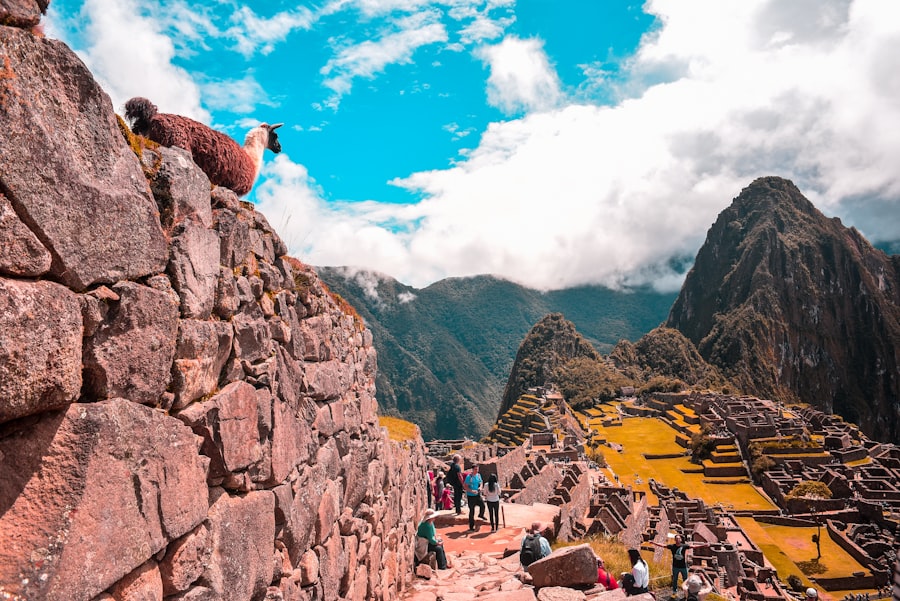
The absence of mortar in the construction of Cusco’s ancient walls is a defining characteristic and a profound enigma. The Incas achieved an extraordinary level of stability and resilience without relying on binding agents, leaving us to ponder the secrets of their advanced masonry techniques.
The Power of Gravity and Friction
The primary reason for the stability of these mortarless walls lies in the precise fitting of the stones and the immense weight of the structure itself. The irregular shapes and the sheer mass of the stones create a powerful interlocking system, where gravity and friction work in concert to hold the walls together.
The Illusion of Perfect Fit: Subtle Inclusions
While the fit appears perfect to the naked eye, some analyses have revealed microscopic imperfections or the deliberate inclusion of tiny stone fragments or organic materials between certain stones. These subtle additions may have helped to further wedge stones into place and prevent slippage, contributing to the overall stability.
Earthquake Resistance: A Natural Design
The mortarless construction of Inca walls is often cited as a key factor in their remarkable resistance to earthquakes. Unlike traditional mortared structures that can become rigid and prone to collapse, the slightly flexible nature of the interlocking stones allows the walls to absorb seismic shock and realign themselves without significant damage. This inherent resilience is a testament to the Incas’ deep understanding of geological forces.
The Quest for Lost Techniques
The inability of modern engineers to perfectly replicate the precision and efficiency of Inca stonework fuels the ongoing quest to understand their lost techniques. The sheer labor involved, coupled with the extraordinary skill required, suggests a level of organization and mastery that remains unparalleled.
The Human Factor: Labor and Dedication
The construction of these monumental walls would have required an immense, well-organized workforce. The dedication and skill of these laborers, working under the direction of skilled architects and engineers, are crucial elements in understanding how these structures were built. The Inca empire was highly structured, allowing for the mobilization of vast numbers of people for public works projects.
The Inheritance of Knowledge: Oral Traditions and Apprenticeship
It is speculated that the sophisticated stonemasonry techniques were passed down through generations via oral traditions and rigorous apprenticeship programs. This knowledge would have been highly guarded, ensuring the continuation of the Inca architectural legacy. The process of training would have involved years of practice and hands-on experience.
The ancient walls of Cusco, a testament to the ingenuity of the Inca civilization, have long fascinated historians and travelers alike. These impressive structures not only showcase the architectural prowess of their time but also serve as a reminder of the rich cultural heritage of Peru. For those interested in exploring the broader implications of historical wealth and its impact on modern economies, a related article discusses the ongoing debate between gold and silver as forms of currency. You can read more about this intriguing topic here.
Enduring Legacy and Modern Day Significance
| Location | Length | Height | Construction Material |
|---|---|---|---|
| Cusco | Up to 6 meters | Up to 3 meters | Granite stones |
Cusco’s ancient walls are more than just historical relics; they are a living testament to the enduring legacy of the Inca civilization. They continue to inspire awe, fuel research, and shape the identity of modern Cusco, drawing visitors from around the globe and reminding us of the remarkable achievements of humankind.
UNESCO World Heritage Site and Tourist Attraction
Recognized as a UNESCO World Heritage Site, Cusco and its magnificent Inca architecture are a major tourist destination. Millions flock to witness the grandeur of Sacsayhuamán, the intricate stonework of the Coricancha, and the enduring beauty of the ancient walls that still define the heart of the city.
The Economic Impact of Inca Heritage
The economic impact of this ancient heritage is undeniable. Tourism centered around Inca sites provides livelihoods for many, supports local businesses, and contributes significantly to the Peruvian economy. The preservation and promotion of these sites are thus critically important.
The Future of Inca Preservation
The ongoing challenge is to preserve these invaluable historical sites for future generations while managing the demands of mass tourism. Sustainable tourism practices, continued archaeological research, and community involvement are crucial for ensuring the long-term survival of Cusco’s ancient walls.
A Symbol of Resilience and Ingenuity
The enduring presence of these formidable stone structures, even after centuries of weathering, conquest, and seismic activity, speaks volumes about the resilience and ingenuity of the Inca people. They stand as a powerful reminder of what can be achieved through dedication, organization, and a profound understanding of natural principles.
The Unsettled Questions and Ongoing Research
Despite centuries of study, many questions surrounding Cusco’s ancient walls remain unanswered. Ongoing archaeological excavations, advanced material analysis, and interdisciplinary research continue to shed new light on the methods and motivations behind this extraordinary architectural achievement. The mystery, though slowly unraveling, continues to draw scholars and adventurers alike.
The Spiritual Connection and Cultural Identity
For the people of Cusco and Peru, these walls represent more than just history; they are a vital link to their ancestors and a profound source of cultural identity. They embody a deep spiritual connection to the land and a pride in the sophisticated civilization that once flourished there. The stones themselves seem to hold a lingering energy, connecting the present to the distant past.

The Walls That Shouldn’t Still Be Standing
FAQs
What are the ancient walls in Cusco?
The ancient walls in Cusco refer to the impressive stone structures built by the Inca civilization. These walls are made of large, precisely cut stones that fit together without the use of mortar.
When were the ancient walls in Cusco built?
The ancient walls in Cusco were built by the Inca civilization during the 15th century. They were constructed as part of the city’s infrastructure and served both practical and ceremonial purposes.
What is the significance of the ancient walls in Cusco?
The ancient walls in Cusco are significant for their architectural and engineering achievements. They showcase the advanced building techniques of the Inca civilization and are a testament to their mastery of stonework.
Can visitors see the ancient walls in Cusco?
Yes, visitors to Cusco can see the ancient walls throughout the city. Some of the most well-preserved examples can be found in the historic center of Cusco, as well as in nearby archaeological sites such as Sacsayhuaman and Ollantaytambo.
Are the ancient walls in Cusco a UNESCO World Heritage Site?
Yes, the ancient walls in Cusco are part of the Historic Sanctuary of Machu Picchu, which is a UNESCO World Heritage Site. This designation recognizes the cultural and historical significance of the Inca civilization’s architectural achievements in the region.