
The survival of Upper Paleolithic humans was not a matter of sheer luck or brute strength alone; it was a testament to a complex tapestry of daily choices, each woven with threads of adaptation, innovation, and social cohesion. These distant ancestors, navigating a world vastly different from our own, possessed a keen understanding of their environment and a remarkable ability to leverage their resources through calculated decisions made at every turn. These choices, made repeatedly and with profound consequences, formed the bedrock of their survival strategies, allowing them to thrive for tens of thousands of years across diverse landscapes. The seemingly mundane activities of daily life – what to eat, where to sleep, how to interact with others, and what tools to create – were, in fact, critical junctures where survival hung in the balance. Understanding these choices provides a crucial window into the ingenuity and resilience that characterized our Upper Paleolithic forebears.
Foraging and Diet: The Constant Quest for Sustenance
The most fundamental daily decision for any Upper Paleolithic human revolved around securing food. This was not a passive act of consumption but an active, dynamic process shaped by environmental knowledge, social cooperation, and a deep understanding of seasonal cycles. The choices made regarding foraging and diet were paramount, dictating energy levels, health, and ultimately, the ability to survive and reproduce.
The Rhythms of the Hunt: Stalking Game and Gathering the Bounty
The hunt, a cornerstone of many Upper Paleolithic diets, was a carefully orchestrated series of choices. The decision of what to hunt was influenced by the local fauna, its migratory patterns, and the season. Different animals presented varying levels of risk and reward. The pursuit of large game, such as mammoths or bison, required immense cooperation, planning, and specialized skills. Hunters had to decide when to track prey, which individuals to target (e.g., the old, young, or injured), and the most effective methods to employ, whether it be driving animals towards traps, using projectiles, or cornering them in difficult terrain. Each choice carried inherent risks of injury or failure, but the potential caloric reward was substantial.
Smaller game, birds, and fish also formed vital components of the diet. The decision to pursue these often involved different strategies. Trapping small animals, for instance, required knowledge of their habits and the construction of effective snares. Fishing techniques, whether using rudimentary nets, spears, or weirs, also demanded specific environmental understanding and tool development. The success of these endeavors depended on consistent observation and adaptation to local conditions.
Beyond hunting, gathering played an equally crucial role, often providing a more reliable, albeit less calorically dense, food source. Daily choices involved identifying edible plants, fruits, nuts, and roots. This knowledge was meticulously passed down through generations, as mistaking poisonous flora for sustenance could have fatal consequences. Gatherers had to make decisions about when to harvest specific plants to maximize their nutritional value and avoid spoilage. They also had to consider the energy expenditure involved in gathering versus the caloric return. The choice to spend hours digging for tubers in one location versus a shorter foray for berries in another was a daily calculation with direct implications for survival.
Preserving and Preparing: Extending the Harvest
The choices made after acquiring food were equally important for survival. Preservation techniques, even rudimentary ones, allowed for the storage of surplus and provided sustenance during lean periods. Decisions about drying meat or fish, smoking it to prevent spoilage, or storing it in cool, dry places were critical for buffering against the uncertainties of the natural world. These choices meant that successful hunts or harvests could support communities for longer durations, increasing their resilience.
Furthermore, the preparation of food significantly impacted its digestibility and nutritional availability. The decision to roast meat over a fire, for example, not only made it more palatable but also killed harmful pathogens. Boiling roots and tubers could break down complex carbohydrates, making them easier to digest and absorb. These cooking choices were not arbitrary but represented an accumulated wisdom about how to best extract energy and nutrients from their available resources, a vital aspect of their survival toolkit.
In exploring the daily choices that influenced Upper Paleolithic human survival, it is essential to consider the broader context of how ancient societies adapted to their environments. A related article that delves into the geopolitical dynamics of ancient empires can provide valuable insights into the survival strategies of early humans. By examining the interactions and adaptations of these societies, we can better understand the complexities of human survival during this critical period. For more information, you can read the article here: Geopolitical Analysis of Ancient Empires.
Shelter and Environment: Navigating the Elements
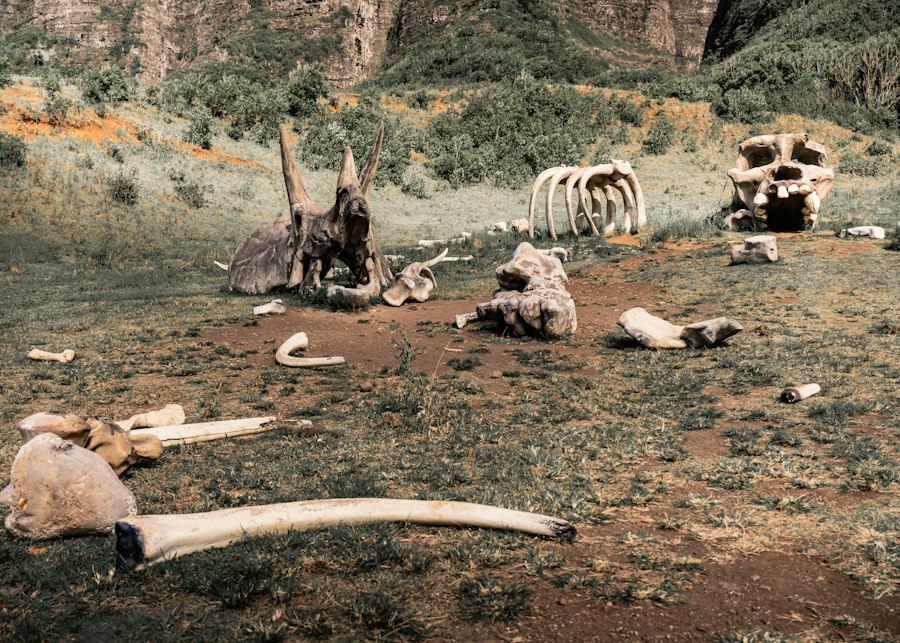
The Upper Paleolithic world was a harsh mistress, characterized by fluctuating temperatures, unpredictable weather, and the constant threat of predators. Daily decisions concerning shelter and the management of environmental conditions were therefore intrinsically linked to survival. The ability to find or construct adequate protection from the elements, and to strategically position oneself within the landscape, directly impacted health, energy conservation, and safety.
Choosing the Right Abode: Caves, Huts, and Temporary Dwellings
The selection of a dwelling was a recurring and critical daily choice. Caves and rock shelters offered natural protection and were often favored for their inherent defensibility and insulation. However, even within these natural havens, occupants made daily decisions about where to sleep within the cave to optimize warmth, minimize exposure to drafts, and avoid potential hazards. The management of fire within these spaces was also a key consideration, balancing the need for warmth and light against the risks of smoke inhalation or accidental fires.
In areas lacking natural shelter, the construction of temporary or semi-permanent dwellings became a necessity. The choice of materials – animal hides, branches, mammoth bones, or turf – was dictated by local availability and the required level of insulation and durability. The design of these structures, whether a simple lean-to or a more complex hut, involved daily decisions about orientation to the sun for warmth, windbreaks, and drainage to prevent flooding. The constant maintenance and repair of these dwellings also formed part of the daily routine, ensuring continued protection against the elements.
Adapting to Climate and Landscape: Mobility and Site Selection
The Upper Paleolithic was a period of significant climatic shifts, and human populations often had to make strategic choices about mobility to survive. Decisions about when to move, where to go, and how to travel were dictated by the availability of resources, the onset of harsh weather, or the need to avoid danger. This mobility was not random but often followed predictable patterns, such as following animal migrations or moving to areas with more abundant plant life during specific seasons.
Site selection for both temporary camps and more permanent settlements involved a complex array of considerations. Factors such as proximity to water sources, defensibility, availability of fuel for fires, and access to hunting grounds were all weighed. A poor choice of location could lead to increased exposure to predators, scarcity of resources, or the need for constant, energy-draining treks. Conversely, a well-chosen site could facilitate successful hunting, provide a secure base for social interaction, and ensure access to essential resources, thereby significantly enhancing survival prospects. The daily awareness of the surrounding landscape and its potential hazards and benefits informed these crucial placement decisions.
Social Cooperation and Community: The Strength in Numbers

Survival in the Upper Paleolithic was rarely a solitary endeavor. The complexity of the environment and the challenges of resource acquisition demanded social organization and cooperation. Daily choices regarding interactions with others, the division of labor, and the maintenance of social bonds were fundamental to the success of individuals and the group as a whole. These choices fostered a sense of community, facilitated the sharing of knowledge, and amplified collective capabilities.
Sharing the Burden and the Bounty: Division of Labor and Reciprocity
The division of labor within Upper Paleolithic groups was a critical element of their survival strategy. Daily decisions were made about who would undertake specific tasks, such as hunting, gathering, toolmaking, childcare, or maintaining the camp. This specialization allowed for greater efficiency and expertise in each area. For instance, skilled hunters could focus their efforts on procuring meat, while others concentrated on gathering plant resources or crafting essential tools.
Reciprocity, the unspoken agreement to share resources and labor, was a cornerstone of these communities. A hunter who successfully brought back game was expected to share it with the group, and in turn, they could expect support during times of scarcity or when undertaking risky endeavors. The daily choices to contribute to the collective good, even when it meant personal sacrifice, strengthened social bonds and ensured that the entire group benefited from individual successes. This system of mutual aid was a powerful buffer against the uncertainties of daily life.
Communication and Conflict Resolution: Maintaining Harmony
Effective communication, even without spoken language as we understand it, was vital for coordinating activities and resolving disputes. Daily interactions involved a range of non-verbal cues, gestures, and perhaps rudimentary vocalizations to convey information and intent. The ability to communicate effectively about hunting plans, the location of resources, or potential dangers was paramount.
Furthermore, the capacity for conflict resolution was essential for maintaining social cohesion. Disagreements over resources, personal affronts, or competing interests could easily destabilize a group. Daily choices about how to approach interpersonal issues, whether through negotiation, appeasement, or the intervention of respected elders, played a significant role in preventing fragmentation and ensuring the group’s continued functioning. A community that could effectively manage internal conflicts was more likely to present a united front against external threats and to pool its resources efficiently.
Toolmaking and Technology: Crafting the Means of Survival
The Upper Paleolithic is often defined by significant advancements in toolmaking and technology. These innovations were not abstract concepts but were born from daily choices about material selection, design, and application. The ability to create and utilize a diverse range of tools provided humans with unprecedented advantages in hunting, shelter construction, food preparation, and defense, all contributing directly to their survival.
From Stone to Bone: The Art and Science of Tool Production
The creation of tools was a recurring daily activity, requiring skill, knowledge, and careful consideration. The selection of raw materials – flint, obsidian, bone, antler, ivory – was a crucial initial choice. Different materials possessed distinct properties that made them suitable for specific purposes. For example, the hardness and flaking properties of flint made it ideal for crafting sharp cutting edges, while the flexibility and strength of bone were suited for awls and needles.
The process of knapping stone, a fundamental skill, involved a series of deliberate strikes to shape a core into a desired form, such as a spear point, scraper, or knife. Each strike was a conscious decision, aiming to achieve a specific flake or edge. Similarly, working with bone and antler required different techniques, such as sawing, grinding, and polishing, to create tools like harpoons, needles, and beads. The daily practice and refinement of these skills were essential for producing effective tools, and the ability to create specialized tools for different tasks significantly enhanced survival.
Innovation in Action: Weapons, Utensils, and Art
The development of new tool types and technologies represented a leap in survival capabilities. The creation of the spear-thrower (atlatl), for instance, dramatically increased the range and power of projectile weapons, allowing hunters to target prey from a safer distance and with greater accuracy. The invention of the sewing needle facilitated the creation of more complex and well-fitting clothing and shelters from animal hides, providing vital protection against the cold.
Beyond utilitarian objects, the Upper Paleolithic also saw the emergence of art and adornment, often created using the same sophisticated toolmaking techniques. The carving of figurines, the engraving of cave walls, and the creation of personal ornaments suggest a cognitive and social complexity that also contributed to survival. These artistic expressions may have played roles in social signaling, ritualistic practices, or the transmission of cultural knowledge, all of which can indirectly support group survival by fostering identity, cohesion, and shared understanding. The daily choices to engage in these activities, even if not directly for immediate sustenance, reflected a more complex and perhaps more resilient form of human existence.
The daily choices made by Upper Paleolithic humans were crucial for their survival, as they navigated a world filled with challenges and opportunities. Their decisions regarding hunting, gathering, and social organization were influenced by the environment and available resources. For those interested in understanding how ancient humans adapted to their surroundings, a fascinating article discusses the mysterious landmass beneath the Antarctic ice, which may provide insights into past climates and ecosystems. You can read more about it in this related article.
Environmental Awareness and Adaptation: Reading the World Around Them
| Daily Choice | Impact on Survival | Estimated Frequency | Associated Skills | Environmental Factors |
|---|---|---|---|---|
| Hunting Large Game | High-calorie food source, essential for energy and growth | 2-3 times per week | Tracking, weapon crafting, group coordination | Seasonal migration patterns, animal behavior |
| Gathering Plant Foods | Supplemented diet with vitamins and minerals | Daily | Knowledge of edible plants, foraging techniques | Seasonal availability, local flora |
| Tool Making and Maintenance | Improved hunting and processing efficiency | Daily to weekly | Flint knapping, woodworking | Access to raw materials, weather conditions |
| Fire Management | Cooking food, warmth, protection from predators | Daily | Fire-starting techniques, fuel gathering | Availability of dry wood, climate |
| Shelter Construction | Protection from elements and predators | Seasonal or as needed | Building skills, material selection | Climate, terrain |
| Social Cooperation | Resource sharing, collective defense, knowledge transfer | Continuous | Communication, group organization | Group size, social structure |
| Migration Decisions | Access to resources, avoidance of harsh conditions | Seasonal | Environmental awareness, navigation | Climate change, resource depletion |
The survival of Upper Paleolithic humans was inextricably linked to their profound understanding and constant adaptation to their environment. Daily life was a continuous process of observation, interpretation, and strategic response to the natural world. Their choices were informed by an intricate web of knowledge about flora, fauna, weather patterns, and geological features, allowing them to thrive in diverse and often challenging landscapes.
Decoding the Signs: Tracking Animals and Predicting Weather
The ability to read the landscape and its inhabitants was a critical survival skill. Daily choices involved observing animal tracks, droppings, and feeding patterns to predict their movements and locate them for hunting. Understanding the migratory routes of large herbivores, the territorial ranges of predators, and the breeding cycles of smaller game was a form of environmental intelligence that directly influenced foraging strategies.
Furthermore, a keen awareness of weather patterns was essential for planning activities and ensuring safety. Observing cloud formations, wind direction, and changes in temperature allowed them to anticipate storms, plan their movements to avoid hazardous conditions, and prepare for the onset of winter. These daily observations, accumulated over lifetimes, provided a predictive capacity that enabled them to mitigate risks and capitalize on opportunities presented by the natural world. The decision to undertake a long journey or to remain in a sheltered location was often based on these subtle environmental cues.
Respecting the Balance: Resource Management and Sustainable Practices
While their technologies were less impactful than those of later periods, Upper Paleolithic humans likely practiced a form of sustainable resource management. Daily choices involved avoiding overhunting specific animal populations or depleting localized plant resources. Understanding the carrying capacity of their environment and making decisions that ensured the long-term availability of food and materials was crucial for sustained survival.
This likely involved rotating hunting grounds, allowing certain areas to recover, and utilizing different species of plants and animals. The creation of shelters from renewable materials and the responsible use of fire also contributed to a more balanced relationship with their surroundings. While evidence for deliberate conservation is difficult to ascertain definitively, the long-term survival of these populations across vast timescales suggests a capacity for adaptive resource use that minimized ecological impact. Their daily interactions with the environment were a constant negotiation, where choices were made with an implicit understanding of ecological consequences, ensuring their continued presence and success within the grand tapestry of life.

➡️Life 20,000 Years Ago | When Strangers Claim Your Winter Shelter 🚨
FAQs
What were the primary survival strategies of Upper Paleolithic humans?
Upper Paleolithic humans employed various survival strategies, including hunting large game, gathering plant resources, and utilizing tools for food preparation. They developed sophisticated hunting techniques, such as cooperative hunting and the use of projectile weapons, which allowed them to effectively target animals like mammoths and reindeer. Additionally, they gathered fruits, nuts, and other edible plants to supplement their diets.
How did climate influence the daily choices of Upper Paleolithic humans?
The climate during the Upper Paleolithic era was characterized by significant fluctuations, including glacial and interglacial periods. These changes influenced human migration patterns, resource availability, and shelter construction. As temperatures dropped, humans adapted by seeking warmer habitats and utilizing animal hides for clothing and shelter, while during warmer periods, they expanded their range and diversified their diets.
What role did social structures play in Upper Paleolithic survival?
Social structures were crucial for Upper Paleolithic survival, as they facilitated cooperation in hunting, gathering, and sharing resources. Groups often worked together to hunt large animals, which required coordination and communication. Additionally, social bonds helped ensure the care of children and the elderly, enhancing the overall resilience of the community.
What types of tools did Upper Paleolithic humans use for survival?
Upper Paleolithic humans created a variety of tools made from stone, bone, and antler. These included blades, scrapers, and points, which were essential for hunting, butchering, and processing food. The development of specialized tools, such as the atlatl (spear-thrower), allowed for greater efficiency in hunting and contributed to their survival in challenging environments.
How did Upper Paleolithic humans adapt their diets based on seasonal changes?
Upper Paleolithic humans adapted their diets according to seasonal changes by exploiting different food sources throughout the year. In spring and summer, they focused on gathering fruits, vegetables, and small game, while in fall and winter, they shifted to hunting larger animals that provided more substantial food reserves. This seasonal adaptability was key to their survival in varying climates and environments.