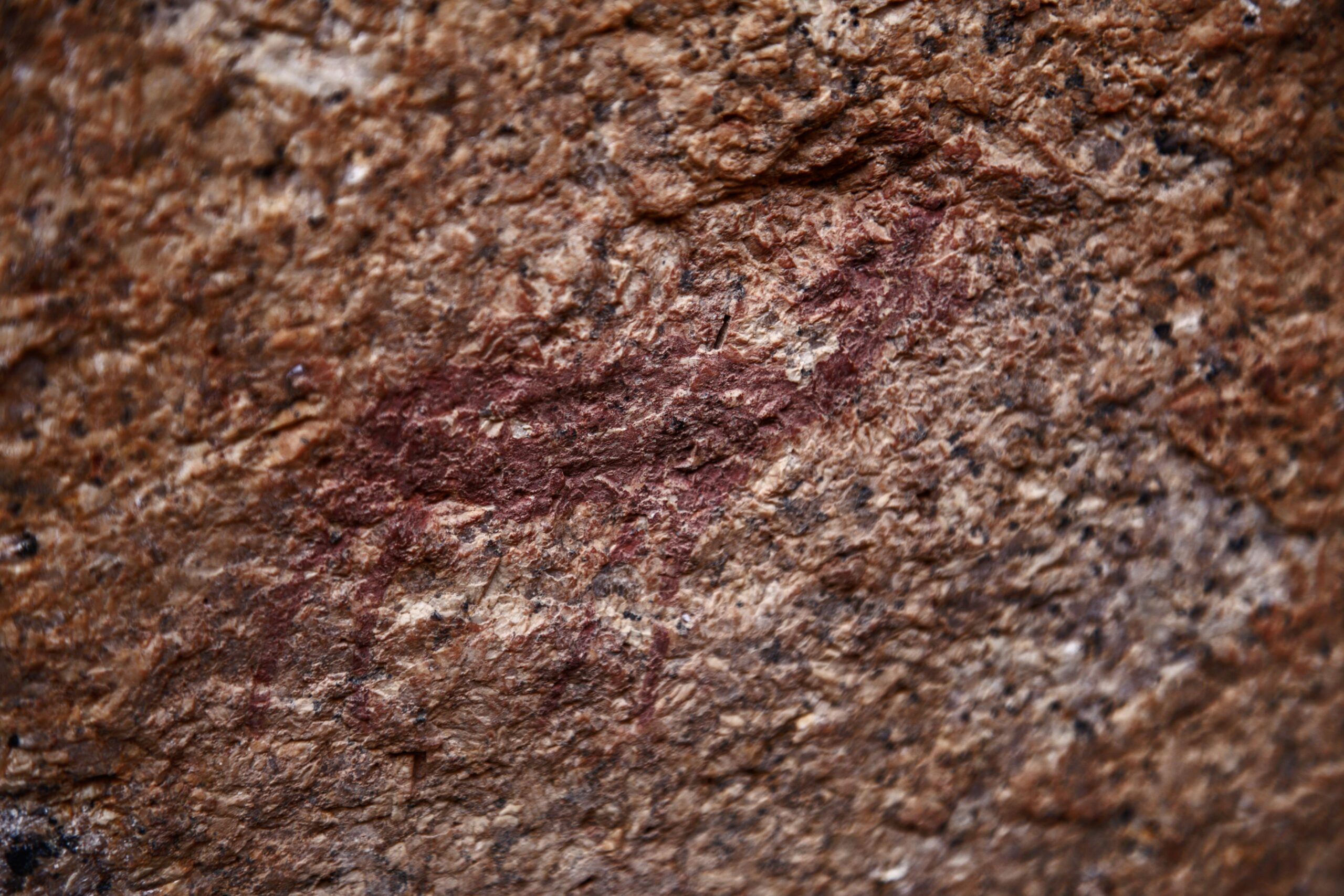
The faded pigments and chipped engravings etched onto ancient cave walls and rock faces hold silent stories of humanity’s past. For millennia, these petroglyphs and pictographs have captivated researchers, offering glimpses into the beliefs, practices, and daily lives of our ancestors. However, unlocking these narratives requires understanding their temporal context – when were these marks made? Dating rock art is a complex and multifaceted endeavor, employing a diverse array of scientific methods and analytical techniques, each with its own strengths and limitations. The quest to assign dates to these ancient artworks is a continuous process of refinement, pushing the boundaries of archaeological science.
The Intrinsic Challenges of Dating Rock Art
The very nature of rock art presents significant hurdles to accurate dating. Unlike artifacts with clear stratigraphy or organic materials that can be directly radiocarbon dated, rock art is often found in contexts that lack this straightforward evidence. The pigments are applied to a rock surface, which itself is millions of years old, making direct dating of the rock irrelevant to the age of the artwork. Furthermore, the materials used in rock art – mineral pigments, charcoal, and even engraved lines – are not always amenable to conventional dating techniques. The ambiguity of the artistic process itself, where multiple layers of pigment might exist or where engravings could be recarved over time, adds further layers of complexity.
Pigment Composition and Analysis
The materials used to create rock art are the first clues to their age. Analyzing the composition of pigments can sometimes provide indirect dating information or help rule out certain timeframes. Common pigments include ochres (red, yellow, brown), charcoal (black), and kaolin (white). The source of these minerals can be geographically specific, and understanding local geology might offer clues. More advanced techniques, such as X-ray fluorescence (XRF) and Raman spectroscopy, can identify the elemental and molecular composition of pigments. This analysis can reveal the presence of specific minerals, binders (like animal fat or plant sap), or even contaminants that might be associated with particular periods of human activity. For instance, the introduction of certain manufactured materials or the absence of others could hint at a post-industrial or pre-industrial origin. While pigment analysis rarely provides a precise date, it can be crucial in establishing the authenticity of the art and in guiding further investigative approaches.
Engraving Techniques and Tool Marks
The act of engraving, or pecking and abrading rock surfaces, also leaves behind clues. The tools used to create petroglyphs would have evolved over time, reflecting technological advancements. While direct identification of the specific tools is rare, the characteristics of the engraving – the depth, width, and texture of the cut – can offer insights. Sophisticated imaging techniques, such as 3D scanning and microscopy, can reveal subtle details of the tool marks. For example, the use of metal tools would produce different types of marks than stone tools. However, distinguishing between the marks of different stone tools used across millennia can be exceedingly difficult. Researchers often rely on comparative analysis with known artifact assemblages from dated archaeological contexts. If engravings bear a striking resemblance to marks made by a particular type of stone tool recovered from a securely dated site, it can provide a tentative chronological link. The degree of weathering or patination on the engraved surface can also offer clues, with older engravings tending to show more signs of erosion or the development of a desert varnish.
Rock art dating is a fascinating field that combines archaeology and science to uncover the age of ancient artworks. For those interested in exploring the methodologies and technologies used in this process, a related article titled “Unlocking the Mysteries of Lost Tech” provides valuable insights into the techniques that help researchers date rock art accurately. You can read more about these innovative approaches and their implications for understanding our past by visiting this link: Unlocking the Mysteries of Lost Tech.
Direct Dating Approaches for Rock Art

While indirect methods provide valuable context, the pursuit of direct dating techniques for rock art remains a primary goal. These methods aim to directly measure the age of the materials used in the artwork itself or associated organic residues. The success of these techniques often depends on the specific composition of the rock art and the presence of suitable materials.
Radiocarbon Dating of Organic Components
Perhaps the most well-known dating technique, radiocarbon dating, can be applied to rock art when organic materials are present. This method relies on the decay of carbon-14, a radioactive isotope of carbon found in all living organisms. When an organism dies, it stops taking in new carbon, and the carbon-14 within its tissues begins to decay at a known rate (its half-life is approximately 5,730 years). By measuring the remaining amount of carbon-14 in a sample, scientists can determine how long ago the organism died.
Applications in Pigments and Binders
In the context of rock art, radiocarbon dating can be applied to organic components within the pigments. Charcoal used as a black pigment is a prime candidate, as it is directly derived from burnt organic matter. Animal fats, blood, or plant juices used as binders for mineral pigments can also be sampled for radiocarbon dating. However, obtaining sufficient sample size without damaging the artwork is a critical concern. Micro-sampling techniques have been developed to minimize the impact on fragile rock art. The reliability of radiocarbon dating depends on the assumption that the organic material has not been contaminated by younger or older carbon sources.
The Challenge of Contamination
Contamination is a significant challenge for radiocarbon dating of rock art. If younger organic material, such as rootlets or insect remains, infiltrates the pigment, it can make the sample appear younger than it is. Conversely, older organic material can also lead to inaccurate results. Researchers employ rigorous cleaning and pretreatment protocols to remove potential contaminants. Furthermore, Accelerator Mass Spectrometry (AMS) radiocarbon dating, which can measure very small sample sizes, has greatly improved the ability to date rock art with minimal damage and better control over contamination. Despite these advancements, radiocarbon dating is generally limited to dating organic materials up to around 50,000 years old.
Optically Stimulated Luminescence (OSL) Dating
Optically Stimulated Luminescence (OSL) dating is a powerful technique that can date the last time mineral grains (typically quartz or feldspar) were exposed to sunlight or heat. This method is particularly useful for dating sediments associated with rock art sites, or in some cases, for dating the rock surface itself if it has undergone a reset event. When mineral grains are buried, they absorb radiation from their surroundings, causing their internal electron traps to accumulate energy. This stored energy can be released as light (luminescence) when the grains are stimulated by a specific wavelength of light or heat. The amount of light emitted is proportional to the dose of radiation received since the last exposure to sunlight.
Dating Sediments and Surfaces
OSL dating can be used to date layers of sediment that have accumulated in front of a rock shelter or that have been directly deposited over rock art panels. If a rock art panel was covered by sediment that was later removed, the OSL date of that sediment would provide a minimum age for the artwork. In some cases, OSL dating can be applied to the rock surface itself if it can be demonstrated that the surface underwent a “zeroing” event, such as a rockfall or erosion that exposed fresh mineral grains. The process involves carefully collecting samples in the dark to avoid further exposure to light.
Limitations and Applications
The primary limitation of OSL dating is the requirement for a “zeroing” event. If the rock surface or surrounding sediments have not been fully exposed to sunlight or heat, the dating will not be accurate. However, OSL dating is invaluable for dating sediments and has been successfully used to provide chronologies for rock art sites where direct dating of the art is not possible. It can establish a timeframe for the abandonment of a site or for periods of artistic activity associated with the deposition of certain layers.
Researchers have developed various methods to date rock art, allowing them to better understand the cultural and historical contexts of these ancient expressions. Techniques such as radiocarbon dating, thermoluminescence, and stratigraphy provide insights into the age of the artwork and the time periods in which they were created. For a deeper exploration of how historical artifacts are analyzed and valued, you can read more about asset confiscation in this related article on the history of government practices. Understanding these methods not only sheds light on rock art but also on the broader implications of how we perceive and manage cultural heritage. For more information, check out this related article.
Uranium-Thorium (U-Th) Dating of Calcite Crusts
Uranium-Thorium (U-Th) dating is a radiometric dating technique that measures the decay of uranium isotopes to thorium. This method is particularly effective for dating carbonate materials, such as calcite or flowstone, which often form over rock art. Calcite crusts can form slowly over rock engravings or paintings, and their age can be determined by analyzing the ratio of uranium to thorium isotopes within the sample.
Dating Protective Layers and Patinas
When calcite forms on top of rock art, it encapsulates the artwork and creates a protective layer. The Uranium-Thorium dating of this calcite layer provides a maximum age for the rock art beneath it. The uranium isotopes are soluble and incorporated into the growing calcite, while thorium is largely insoluble and remains trapped. As uranium decays, it transforms into thorium. By measuring the ratio of uranium to thorium, scientists can calculate how long the calcite has been forming, thereby dating the layer and the art it covers. This method has been particularly successful in dating rock paintings in arid environments where calcite deposition is common.
Considerations for Accuracy
The accuracy of U-Th dating relies on several assumptions. The calcite must have formed in a closed system, meaning no uranium or thorium has been added or removed since its formation. Also, the initial thorium content must be known or negligible. Researchers meticulously select samples from areas where the calcite crust is clearly deposited over the art and not disturbed. This technique can provide very precise dates, often within a few hundred years, for the formation of the calcite, giving a reliable minimum age for the rock art.
Indirect Dating Methods and Chronological Frameworks

When direct dating proves impossible or unreliable, researchers turn to a suite of indirect methods. These techniques rely on establishing chronological frameworks through association with other dated materials or by analyzing stylistic changes over time.
Stratigraphic Analysis and Associated Artifacts
In rock shelters and caves, the spatial arrangement of archaeological materials can provide crucial dating information. Stratigraphy refers to the layering of sediments and artifacts. If rock art is found in a particular layer, and that layer also contains artifacts that can be dated (e.g., pottery sherds, stone tools), then the rock art can be assigned a date range based on the age of the associated artifacts. This is a fundamental principle of archaeology, and its application to rock art sites is critical.
Context is Key
The careful excavation and analysis of stratigraphic layers are paramount. The relationship between the rock art and the surrounding deposits must be clearly understood. For instance, if a painting is found on a wall that is later covered by a layer of datable material, it indicates that the painting predates that layer. Conversely, if artifacts are found on a floor in front of a rock art panel, and the stratigraphy shows that the floor was laid down after the art was created, it suggests the art is older than the floor. This requires meticulous record-keeping and a thorough understanding of site formation processes.
Limitations of Association
The main challenge with stratigraphic association is ensuring a clear and unambiguous connection between the rock art and the dated artifacts. If the art is located in a position that could have been modified or disturbed after its creation, or if the artifacts are not definitively contemporaneous with the art, the dating can be uncertain. It is essential to differentiate between artifacts that are in primary context (directly associated with the art) and those that might have been redeposited.
Stylistic Analysis and Iconographic Evolution
The evolution of artistic styles and iconography over time can provide a relative chronology for rock art. Researchers analyze recurring motifs, artistic conventions, and thematic elements. By comparing the style of a particular rock art panel with styles from other sites that have been independently dated, it is possible to infer a probable age. This approach is akin to dating pottery or other portable artifacts based on their stylistic characteristics.
Identifying Trends and Changes
This method involves identifying changes in how figures are depicted – for example, from naturalistic representations to more abstract or geometric forms. The use of specific colors, the composition of scenes, and the depiction of particular animals or human activities can also be indicative of different periods. For instance, the appearance or disappearance of certain animal species in rock art might correlate with known periods of their presence or absence in a region. The identification of recurring symbols and their potential meanings can also offer insights into cultural beliefs and practices that may have changed over time.
Subjectivity and Interpretation
Stylistic analysis is inherently more subjective than direct dating methods. It relies on the interpretation and expertise of the researcher. Different scholars might interpret stylistic changes differently, leading to variations in proposed chronologies. However, when combined with other dating methods, stylistic analysis can be a powerful tool for extending the chronological framework of rock art, particularly in regions where direct dating is not feasible. It helps to build a comparative database of artistic trends that can inform dating efforts.
Comparative Dating and Regional Chronologies
Establishing regional chronologies for rock art involves compiling dating evidence from multiple sites within a specific geographical area. By cross-referencing data from direct dating methods, stratigraphic associations, and stylistic analyses across various sites, researchers can begin to build a coherent timeline for rock art traditions in that region. This comparative approach allows for the identification of broader patterns of artistic development and cultural change.
Building a Temporal Map
When multiple rock art sites in a region can be dated, even if through different methods, a more robust chronological framework emerges. For example, if Site A has a radiocarbon-dated panel from 5,000 years ago and Site B has stylistically similar art, it suggests that Site B’s art might also be around that age. If Site C has a U-Th dated calcite crust over its art that is 4,000 years old, and the art shows stylistic similarities to Site A but with discernible differences, it helps to refine the chronology further. This process builds a temporal map of artistic activity.
Integrating Diverse Evidence
The strength of comparative dating lies in its ability to integrate diverse forms of evidence. It allows researchers to identify convergences and divergences in dating results, thus strengthening confidence in the chronological assignments. It also helps to identify gaps in the record and to prioritize future research efforts. Ultimately, the goal is to create a nuanced understanding of the temporal landscape of rock art, revealing how artistic expressions evolved and changed in response to social, environmental, and cultural shifts over vast stretches of human history.
The ongoing development of sophisticated dating technologies, coupled with meticulous archaeological fieldwork, continues to unlock the temporal secrets of rock art. Each new method, each refined technique, brings us closer to understanding the lives and minds of those who left these indelible marks on the world. The journey of dating rock art is a testament to human curiosity and the scientific drive to connect with our deepest past, piecing together the ancient narratives etched in stone.

Why Were Giant Camels Carved Above the Desert?
FAQs
1. How is rock art dated?
Rock art is dated using various methods such as radiocarbon dating, optically stimulated luminescence (OSL) dating, and uranium-series dating. These techniques help determine the age of the materials used in creating the art.
2. What is radiocarbon dating and how is it used in dating rock art?
Radiocarbon dating is a method used to determine the age of organic materials by measuring the decay of carbon-14 isotopes. In rock art dating, carbon-based pigments or organic materials found near the art can be dated using this technique.
3. How does optically stimulated luminescence (OSL) dating work in dating rock art?
OSL dating measures the amount of light energy trapped in minerals like quartz or feldspar since their last exposure to sunlight. This method is used to date the last time the minerals were exposed to sunlight, providing an estimate of when the rock art was created.
4. What is uranium-series dating and how is it applied to dating rock art?
Uranium-series dating is a technique used to date calcium carbonate deposits that form over time on the surface of rock art. By measuring the decay of uranium isotopes in these deposits, scientists can determine the minimum age of the rock art.
5. Are there any limitations to dating rock art using these methods?
While radiocarbon dating, OSL dating, and uranium-series dating are valuable tools for dating rock art, there are limitations. Factors like contamination, weathering, and the availability of suitable materials for dating can affect the accuracy of the results obtained from these dating methods.