You’ve heard the whispers, the casual remarks, the confident assertions. Maybe you’ve even said them yourself. “I think I have some Native American in me.” “My great-grandmother was Cherokee.” These phrases are so common they’ve become almost cliché, often tossed around with little thought or understanding. But what if you’ve been operating on a foundation of misinformation? What if the stories you’ve been told, or have told yourself, about Cherokee ancestry are actually myths, perpetuated by a combination of historical narratives, romanticized notions, and well-meaning but inaccurate family lore? This article is for you, the curious, the hopeful, the ones who feel a pull towards an ancestral connection they can’t quite verify. We’re going to dive deep into the common myths surrounding Cherokee ancestry and, hopefully, provide you with a clearer, more accurate understanding of what it truly means to have Cherokee heritage.
## The Allure of the “Cherokee Princess” Myth
Perhaps the most pervasive and persistent myth is the idea of the “Cherokee princess” in one’s lineage. This romanticized notion, often presented as a proud family secret passed down through generations, paints a picture of noble ancestors with flowing hair and an innate connection to the land. While it’s certainly possible to have a Cherokee ancestor, the “princess” designation itself is largely a fabrication.
### The Historical Reality of Tribal Leadership
In Cherokee society, titles of nobility and inherited royalty as understood in European monarchies simply didn’t exist. Leadership was typically earned through merit, wisdom, and contribution to the community. While there were individuals who held positions of significant influence and respect – chiefs, councilors, respected elders – these roles were not passed down through bloodlines in a way that would equate to a European royal title. The concept of a “princess” implies a fixed lineage of power and privilege, which doesn’t align with the Cherokee governance structures.
### The Role of Intermarriage and Social Stigma
During and after the period of European colonization, intermarriage between European settlers and Native Americans, including Cherokee individuals, did occur. However, the circumstances of these unions were often complex and not always indicative of romantic ideals. In some cases, marriages were strategic alliances, while in others, they occurred during periods of immense hardship and displacement for the Cherokee people. The “Cherokee princess” narrative often emerged much later, potentially as a way for descendants to elevate their social standing or to find a romanticized, less painful connection to a difficult past. The stigma associated with Native American ancestry in certain periods of American history meant that admitting to such lineage could be met with prejudice, making a “princess” story a more palatable and perhaps even desirable alternative.
### The Problem of “Proof” and Oral Tradition
Many people who believe they have Cherokee ancestry point to oral traditions and family stories as evidence. While oral tradition is a vital and sacred part of many cultures, including Cherokee culture, it’s also susceptible to embellishment and misinterpretation over time. Families may have embellished stories to create a more compelling narrative, or details may have been lost and replaced with assumptions. Furthermore, the desire for a noble ancestor can inadvertently shape how stories are remembered and retold. Without verifiable documentation, these stories, while personally meaningful, remain in the realm of family lore rather than historical fact.
Many people often hold misconceptions about Cherokee ancestry, leading to a variety of myths that can obscure the rich history and culture of the Cherokee Nation. For those interested in exploring these common myths and gaining a deeper understanding of Cherokee heritage, a related article can be found at this link: Archaeologists Uncover Sealed Chamber in Ancient City. This article provides insights into the importance of accurate historical narratives and the significance of archaeological findings in understanding indigenous cultures.
## The Misconception of Blanket “Indian Blood”
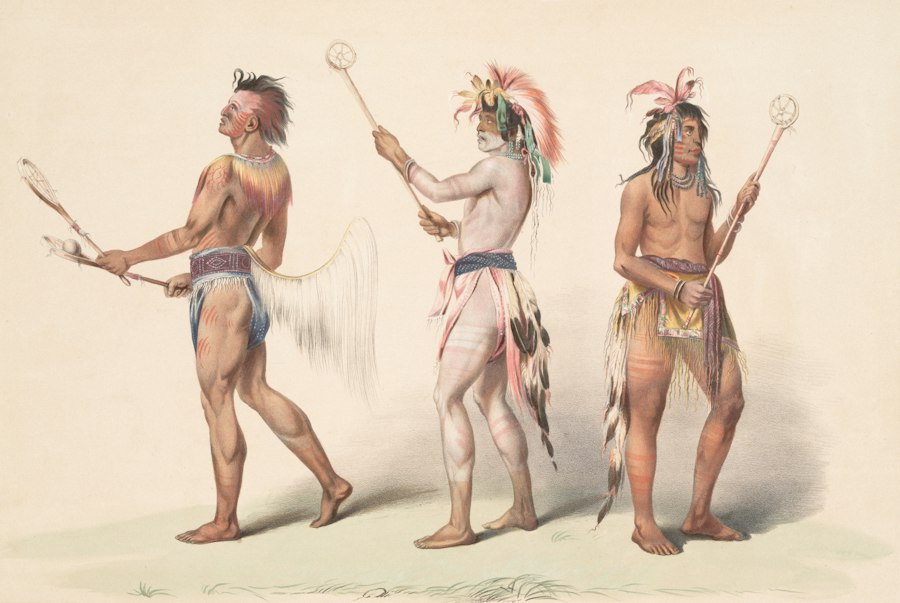
Another common trope is the vague assertion of having a certain percentage of “Indian blood,” often accompanied by physical characteristics like high cheekbones or dark hair. This idea often stems from a misunderstanding of how genetic inheritance works and how tribal membership is determined.
### Genetics vs. Tribal Citizenship
It’s crucial to understand that “Indian blood” is not a scientific term. Genetics are passed down, so you inherit DNA from all your ancestors. However, tribal membership, especially for federally recognized tribes like the Cherokee Nation, is not solely determined by genetics. It’s a political and legal status defined by the tribe itself. Each tribe has its own criteria for citizenship, which can include lineal descent from a recognized tribal member on historical rolls, a specific blood quantum (though many tribes are moving away from this), or other criteria. Simply having a distant ancestor who was genetically Native American does not automatically grant you tribal citizenship or even the right to claim that specific tribal identity.
### The Impact of Blood Quantum Debates
The concept of “blood quantum” – a measurement of the proportion of Native American ancestry a person possesses – originated from U.S. government policies designed to assimilate Native Americans and reduce tribal landholdings. While some tribes adopted blood quantum as a way to track their own membership, it’s a system with a fraught history. Many people today believe that if they have a certain amount of “blood,” they are part of a tribe. This is a dangerous oversimplification. As mentioned, tribes set their own citizenship rules, and many are moving towards criteria that don’t solely rely on blood quantum, recognizing the complexities and inequities of the system.
### Physical Traits as Unreliable Indicators
While certain physical traits might be more common in some populations than others, relying on them as definitive proof of Cherokee ancestry is highly unreliable. Many Indigenous peoples share similar physical characteristics due to shared ancestral migrations and genetic commonalities. Furthermore, these traits can also appear in people of diverse ethnic backgrounds. Attributing specific physical features solely to Cherokee heritage ignores the vast spectrum of human genetic diversity and the history of intermingling populations.
## The Simplistic View of Cherokee History and Culture

Many common myths about Cherokee ancestry stem from an oversimplified and often romanticized understanding of Cherokee history and culture, ignoring the immense complexities and transformations the Nation has undergone.
### Ignoring the Trail of Tears and Forced Assimilation
The history of the Cherokee people is indelibly marked by the Trail of Tears, the forced removal of the Cherokee Nation from their ancestral lands in the Southeast to Indian Territory (present-day Oklahoma) in the 1830s. This was a period of immense suffering, loss, and cultural disruption. The subsequent policies of assimilation, including the establishment of boarding schools and the allotment of tribal lands, further challenged Cherokee identity and existence. Myths about Cherokee ancestry often overlook this painful and foundational period, focusing instead on a more idealized past.
### The Diversity of Cherokee Communities
The Cherokee Nation is not a monolithic entity. There are federally recognized tribes, state-recognized tribes, and those who may have ancestry but are not formally recognized. Furthermore, historical Cherokee communities existed across various regions, and their experiences and integration with surrounding populations differed. The myth of a single, homogenous Cherokee identity fails to acknowledge this rich diversity and the varied paths individuals and communities have taken.
### Misunderstandings of Language and Traditions
Modern understanding of Cherokee language and traditions is also crucial. The Cherokee syllabary, developed by Sequoyah, is a remarkable achievement, but the Cherokee language itself has faced significant endangerment. Similarly, many traditional practices and beliefs have evolved or been adapted over time. Myths often present a static, unchanging view of Cherokee culture, failing to recognize its resilience and capacity for adaptation in the face of historical pressures.
## The Issue of Self-Identification Without Documentation
In an era where many seek to connect with their heritage, self-identification as Cherokee is becoming more prevalent. While the desire is understandable, it’s important to distinguish between a personal feeling of connection and verifiable ancestral claims.
### The Importance of Genealogical Research
Genealogical research is the cornerstone of verifying any ancestral claim, including Cherokee heritage. This involves meticulously tracing your lineage through official records such as birth certificates, marriage licenses, death certificates, census records, and tribal rolls. For Cherokee ancestry, specific historical documents like the Dawes Rolls (final rolls of the Five Civilized Tribes) and the Baker Roll can be crucial, though they have their own complexities and limitations. Without this documentation, claims remain speculative.
### Navigating Historical Rolls and Records
Navigating historical rolls and records requires patience and an understanding of their context. The Dawes Rolls, for example, were created to allot individual land parcels to Native Americans, and enrollment was a complex process often involving proving lineage to individuals on earlier rolls. These rolls are invaluable for genealogical research but can also be misinterpreted. It’s also important to remember that not all individuals of Cherokee descent were enrolled on these rolls, especially those who were not living in designated territories or who had been assimilated into other communities.
### The Role of Tribal Enrollment Offices
For those who believe they have Cherokee ancestry and wish to explore formal recognition, contacting the enrollment offices of the federally recognized Cherokee tribes (such as the Cherokee Nation, the Eastern Band of Cherokee Indians, and the United Keetoowah Band of Cherokee Indians) is essential. These offices can provide information about their specific citizenship requirements and guide you through the application process. They will require documented proof of lineal descent, adhering to their established criteria.
Many people are fascinated by their ancestry and often seek to uncover connections to Native American tribes, particularly the Cherokee. However, there are several common myths surrounding Cherokee ancestry that can lead to misunderstandings about heritage. For those interested in exploring this topic further, a related article discusses the complexities of ancestry claims and the importance of accurate historical context. You can read more about it in this insightful piece on ancient technologies and cultural heritage, which can be found here.
## Moving Beyond Myths Towards Authentic Connection
| Myth | Explanation | Common Misconception | Fact |
|---|---|---|---|
| Everyone with Native American ancestry is Cherokee | Many people claim Cherokee ancestry without documentation | Belief that Cherokee is the default or most common Native American tribe | Cherokee is one of many tribes; accurate ancestry requires documentation or DNA evidence |
| Cherokee ancestry can be proven solely by family stories | Oral histories are important but not definitive proof | Family lore is often accepted as fact without verification | Genealogical records and tribal enrollment are necessary for confirmation |
| DNA tests can definitively prove Cherokee heritage | DNA tests can indicate Native American markers but not specific tribes | Assuming DNA tests can identify exact tribal affiliation | DNA tests cannot reliably distinguish Cherokee from other tribes |
| All Cherokee people have the same culture and language | Cherokee culture and language have regional and historical variations | Viewing Cherokee as a monolithic group | Cherokee Nation, Eastern Band, and United Keetoowah Band have distinct identities |
| Being Cherokee means automatic tribal citizenship | Tribal citizenship requires meeting specific criteria | Assuming heritage alone grants membership | Enrollment requires documented lineage and meeting tribal requirements |
Ultimately, the goal is not to discourage your interest in Cherokee heritage but to foster a more informed and respectful understanding. Debunking these myths allows for a more authentic connection to your past, whatever it may be.
### Respecting Tribal Sovereignty and Identity
Understanding and respecting tribal sovereignty is paramount. Cherokee Nations are sovereign governments with the right to determine their own citizens and membership. This means that while you may have a genetic predisposition to Cherokee heritage, only the federally recognized tribes can grant formal citizenship. Romanticizing or appropriating Cherokee identity without proper verification or connection to a recognized tribal community can be disrespectful to those who carry that identity authentically.
### The Value of Personal and Cultural Exploration
Even if your genealogical research doesn’t yield definitive proof of Cherokee ancestry, your interest in this heritage is still valuable. You can still explore Cherokee history, culture, art, and philosophy. Learning about the resilience, contributions, and ongoing vitality of the Cherokee people can be a deeply enriching experience. This exploration can foster a broader understanding of Indigenous peoples and their place in history.
### Building a Foundation of Truth and Respect
The journey to understanding your ancestry should be built on a foundation of truth, respect, and rigorous research. Instead of clinging to romanticized myths, embrace the complexities of history and the ongoing evolution of tribal identities. By moving beyond common misconceptions, you can forge a more genuine and meaningful connection to your past, honoring the stories of your ancestors with accuracy and integrity. The pursuit of truth, even when it dismantles cherished beliefs, is ultimately the most rewarding path.

Can Your Feet Reveal Cherokee Ancestry? Check the Evidence
FAQs
What are some common myths about Cherokee ancestry?
Some common myths about Cherokee ancestry include claims of having a “Cherokee princess” ancestor, the belief that all Cherokee people were forced to move to Oklahoma on the Trail of Tears, and the misconception that having a DNA test showing Native American ancestry automatically means Cherokee heritage.
Is it true that having a “Cherokee princess” ancestor is common?
No, the idea of having a “Cherokee princess” ancestor is a common myth. Cherokee society did not have princesses, and such claims are often based on romanticized or inaccurate stories passed down through generations.
Were all Cherokee people forced to move to Oklahoma on the Trail of Tears?
While many Cherokee people were indeed forced to relocate to Oklahoma on the Trail of Tears in the 1830s, not all Cherokee people were affected. Some Cherokee individuals and families managed to avoid removal by hiding in the mountains or assimilating into white society.
Does having a DNA test showing Native American ancestry mean Cherokee heritage?
Having a DNA test showing Native American ancestry does not automatically mean Cherokee heritage. DNA tests can show a person has indigenous ancestry, but it does not specify which tribe or nation that ancestry comes from. Additional genealogical research is needed to determine specific tribal connections.
How can one accurately trace Cherokee ancestry?
To accurately trace Cherokee ancestry, individuals can start by researching their family history, looking for documented evidence such as birth certificates, census records, and marriage licenses. Consulting with tribal genealogists, historians, and utilizing resources provided by the Cherokee Nation can also help in verifying Cherokee heritage.