The period spanning from 1980 to 2023 has been defined, in many regions across the globe, by a recurring and often intensifying challenge: drought. This historical overview seeks to illuminate the multifaceted nature of these dry spells, exploring their causes, impacts, and the evolving responses to them over these four decades. It is a narrative of resilience, adaptation, and the undeniable influence of climate change on the planet’s water resources.
The Unfolding Tapestry of Aridity: Global Drought Patterns (1980-2023)
The last four decades have witnessed a complex and varied global landscape of drought. While specific regions have experienced prolonged and severe dry periods, the phenomenon has been far from uniform. Understanding these patterns requires examining both large-scale climatic drivers and regional specificities that have shaped the experience of drought.
Shifting Climatic Architectures and Their Manifestations
The overarching narrative of drought in this period is inextricably linked to shifts in global climatic systems. While natural variability has always played a role in the cyclical nature of wet and dry years, mounting scientific evidence points to anthropogenic climate change as a significant amplifier and, in some cases, a primary driver of increased drought frequency and intensity.
The Influence of El Niño-Southern Oscillation (ENSO)
El Niño-Southern Oscillation (ENSO), a naturally occurring climate pattern characterized by variations in sea surface temperatures across the equatorial Pacific Ocean, has historically been a major modulator of global weather patterns, including precipitation. During El Niño phases, warmer sea surface temperatures in the eastern Pacific are often associated with drought conditions in regions like Australia, parts of Southeast Asia, and the western United States. Conversely, La Niña phases, marked by cooler sea surface temperatures, can bring increased rainfall to some areas while exacerbating drought in others, such as the Horn of Africa. The period from 1980 to 2023 has seen several significant ENSO events, each leaving its imprint on regional drought patterns. The strong El Niño of 1982-83, for instance, was linked to widespread drought and famine in several parts of the world. Later, the prolonged El Niño of 1997-98, often referred to as “the El Niño of the century,” had devastating drought consequences, particularly in Southeast Asia and Australia, leading to massive forest fires and significant economic losses. While ENSO remains a critical factor, its influence is increasingly being understood within the context of a warming planet.
The Amplifying Role of Anthropogenic Climate Change
The scientific consensus is that rising global temperatures are fundamentally altering the Earth’s water cycle, leading to more frequent and intense droughts. Higher temperatures increase evaporation rates from soil and water bodies, effectively drying out landscapes more rapidly. They also contribute to atmospheric moisture deficits. Furthermore, changes in atmospheric circulation patterns, also linked to climate change, can alter the distribution of rainfall, leading to prolonged dry spells in areas that were once less prone to drought. The period under review has seen a discernible trend of increasing temperatures, a trend that correlates with observed increases in the severity and duration of droughts in many parts of the world. This interplay between natural climate variability and human-induced warming has created a new reality for many arid and semi-arid regions.
Regional Hotspots and Their Enduring Struggles
Beyond the global drivers, specific geographical areas have been particularly vulnerable to prolonged and impactful drought events between 1980 and 2023. These regions, often characterized by existing arid or semi-arid climates, have faced compounded challenges.
Sub-Saharan Africa: A Persistent Cycle of Scarcity
Sub-Saharan Africa has been a recurrent and deeply affected region. The Sahel, a vast semi-arid region stretching across the continent south of the Sahara Desert, has experienced some of the most severe and prolonged droughts in recent history. The droughts of the 1980s, exacerbated by factors such as land degradation and unsustainable agricultural practices, led to widespread famine and displacement, leaving an indelible mark on the collective memory of the region. While rainfall patterns have shown some recovery in certain areas in later decades, the underlying vulnerability remains. The Horn of Africa, encompassing countries like Somalia, Ethiopia, and Kenya, has also been consistently hit by drought, with recurrent famines and humanitarian crises becoming a tragic hallmark of the period. These droughts are often linked to the combined effects of ENSO variations and the broader impacts of climate change, which disrupt traditional rainfall patterns and exacerbate food insecurity for millions who depend on rain-fed agriculture.
The Americas: From the Dust Bowl Echoes to Modern Challenges
The American continents have not been immune to the ravages of drought. The western United States, in particular, has grappled with persistent dry conditions, with the early 21st century witnessing some of the most severe droughts on record. This region, already characterized by a Mediterranean climate in its southern reaches, has seen snowpack reduction, diminished river flows, and escalating water scarcity. The Colorado River Basin, a vital water source for millions in the US and Mexico, has experienced significant declines in water levels, leading to a protracted crisis. In South America, regions like Argentina and Brazil have also faced significant drought periods, impacting agricultural production, particularly soybeans and grains, which are crucial global commodities. The echoes of the Dust Bowl of the 1930s have been present in the modern anxieties surrounding water availability and land management in drought-prone areas.
Australia: A Continent Defined by Aridity
Australia, a continent already largely defined by its arid and semi-arid interior, has experienced a series of severe droughts throughout the 1980-2023 period. The “Millennium Drought” from roughly 2000 to 2009 stands out as one of the most intense and prolonged dry spells in the continent’s recorded history, impacting all major agricultural regions. This drought led to significant declines in agricultural output, increased bushfire risk, and severe water restrictions in major cities. While El Niño events have historically played a significant role in Australia’s drought cycles, the long-term warming trend is also recognized as a contributing factor, leading to increased evaporation and altered rainfall patterns. The experience of drought in Australia has underscored the importance of water management and the need for adaptive strategies in a continent where water scarcity is an inherent characteristic.
The ongoing challenges posed by multiple year droughts have significant implications for agriculture, water supply, and ecosystems. For a deeper understanding of how such environmental issues can intersect with economic policies, you may find it insightful to read the article on the impact of Executive Order 6102 and gold confiscation, which discusses the broader context of government interventions during crises. You can access the article here: The Impact of Executive Order 6102: Gold Confiscation.
The Cascading Consequences: Societal and Economic Repercussions
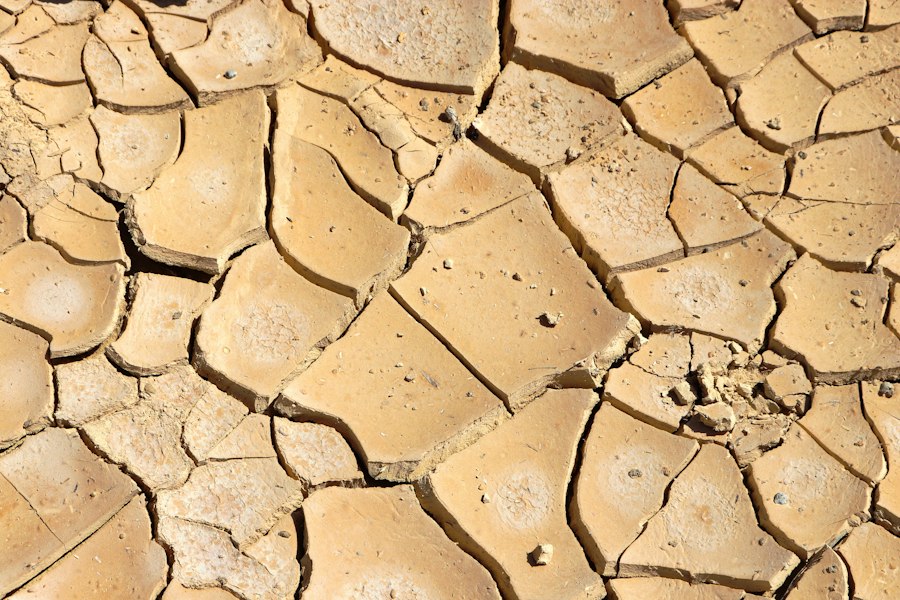
The impact of drought extends far beyond the immediate lack of water. It triggers a complex chain reaction, affecting economies, societies, and the very fabric of daily life for millions. The period from 1980 to 2023 has provided stark examples of these far-reaching consequences.
Threatening the Foundations of Food Security
At the heart of drought’s impact lies its direct assault on food security. Agriculture, the bedrock of sustenance for a significant portion of the global population, is inherently dependent on reliable rainfall. When that rain fails, crops wither, livestock perish, and the intricate supply chains that feed communities are disrupted.
Agricultural Devastation and Rural Livelihoods
The most immediate and devastating consequence of drought is agricultural devastation. When rain-fed crops fail to germinate or mature, farmers face catastrophic losses. This leads to a collapse of rural economies, pushing farmers into debt and poverty. The livestock sector is equally vulnerable. With pastures drying up and water sources depleted, animals can starve or become too weak to survive. This not only decimates livelihoods but also impacts the availability of meat, dairy, and other animal products. The cycle of drought can trap rural communities in a persistent state of vulnerability, forcing migration and displacement. The period between 1980 and 2023 has seen numerous instances of agricultural collapse in drought-stricken regions, highlighting the fragility of food systems reliant on predictable weather patterns.
Escalating Food Prices and Global Market Volatility
The decline in agricultural production during drought years has a ripple effect on global food markets. Reduced supply leads to increased prices, making food less accessible for low-income populations worldwide. This can trigger social unrest and political instability, particularly in countries heavily reliant on food imports. The period has witnessed periods of significant food price inflation directly attributable to drought-induced supply shortages in major agricultural exporting nations. For instance, droughts in North America or South America can significantly impact global grain prices, affecting consumers far removed from the affected regions. This interconnectedness underscores the global vulnerability to regional drought events.
Straining Water Resources and Infrastructure
Droughts impose immense pressure on already limited freshwater resources and the infrastructure designed to manage them. This leads to competition for water, conservation measures, and significant investments in water management strategies.
Depleted Reservoirs and River Systems
The most visible sign of drought is the receding water levels in reservoirs, lakes, and rivers. These vital sources of water for drinking, irrigation, and industry begin to dwindle, leading to acute shortages. River systems, the arteries of many landscapes, can become shallow or even dry up completely, disrupting navigation and aquatic ecosystems. The Colorado River in the United States, for example, has experienced prolonged periods of critically low water levels, forcing states within its basin to implement stringent water-saving measures. Similarly, major rivers in Europe and Asia have experienced reduced flows, impacting hydropower generation and water availability for downstream users.
Intensified Competition and Water Conflicts
As water becomes scarcer, competition for its use intensifies. This often leads to conflicts between different sectors – agriculture, industry, and domestic users – and even between different geographical areas or countries sharing a water source. The period has seen an increase in water-related disputes, particularly in regions experiencing chronic water stress. Managing these competing demands requires careful planning, equitable allocation, and often, the implementation of costly infrastructure projects to find and transport water.
The ongoing challenges posed by climate change have led to a concerning trend of prolonged droughts in various regions, significantly impacting agriculture and water supply. A related article discusses the historical context of droughts and their effects on communities, providing valuable insights into how societies adapt to such environmental stresses. For a deeper understanding of this issue, you can read more about it in the article on the battle of Belgium, which touches on the implications of environmental changes in the region. To explore this further, visit this link.
The Human Cost: Displacement, Health, and Social Disruption
Beyond the economic and resource implications, drought extracts a profound human toll, impacting health, driving migration, and disrupting the social fabric of communities.
Driving Displacement and Migration
Drought is a significant driver of internal and international migration. When livelihoods are destroyed and water becomes scarce, people are often forced to leave their homes in search of better opportunities and essential resources. This displacement can strain the resources of host communities and lead to social tensions. The famines triggered by droughts in sub-Saharan Africa in the 1980s and subsequent decades led to significant internal displacement and cross-border migration. The ongoing impacts of drought in regions like Syria have also been cited as a contributing factor to social unrest and subsequent displacement.
Public Health Implications and Emerging Diseases
Drought conditions can have significant public health consequences. Water scarcity can lead to poor sanitation and hygiene, increasing the risk of waterborne diseases like cholera and typhoid. Reduced access to clean drinking water can lead to dehydration and other health issues. Furthermore, drought can create conditions favorable for the spread of vector-borne diseases. For example, stagnant water in temporary pools during periods of drought can become breeding grounds for mosquitoes. In some cases, drought-induced stress on wildlife can lead to increased contact between animals and humans, raising the risk of zoonotic disease transmission.
Adapting to the New Normal: Evolving Responses to Drought
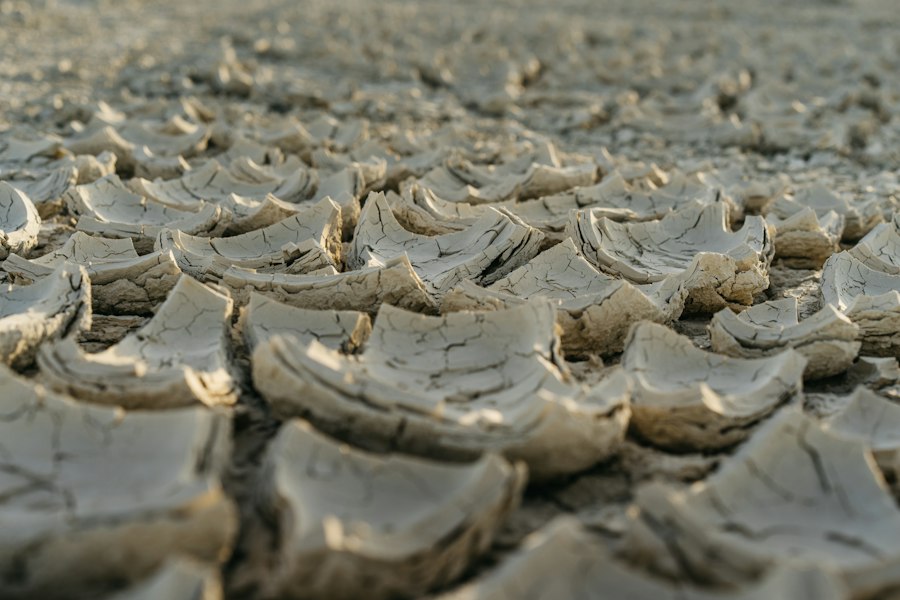
The recurring nature and escalating severity of droughts between 1980 and 2023 have spurred significant innovation and adaptation in how societies manage water resources and respond to dry spells. From technological advancements to policy shifts and community-level initiatives, the last four decades have seen a concerted effort to build resilience.
Technological Innovations in Water Management
Technological advancements have played a crucial role in mitigating the impacts of drought and optimizing water use. These innovations range from sophisticated monitoring systems to efficient irrigation techniques and novel water treatment solutions.
Advanced Monitoring and Prediction Systems
The ability to accurately monitor and predict drought has improved dramatically. Satellite imagery, ground-based sensors, and sophisticated climate modeling allow scientists to track soil moisture levels, vegetation health, and atmospheric conditions with greater precision. This improved forecasting enables authorities to issue early warnings, allowing for proactive measures to be taken, such as restricting water use, preparing emergency food supplies, and implementing drought contingency plans. The development of indices like the Standardized Precipitation Index (SPI) and the Palmer Drought Severity Index (PDSI) have become standard tools for drought assessment and monitoring.
Efficiency Gains in Agriculture and Industry
Significant efforts have been made to improve water efficiency in both agriculture and industry. Drip irrigation systems, which deliver water directly to the roots of plants, have become increasingly common, drastically reducing water waste compared to traditional flood irrigation. In industry, water recycling and reuse technologies have been developed to minimize freshwater consumption. Smart water meters and leak detection systems in urban areas also contribute to greater efficiency. These technological shifts are critical in reducing the overall demand for water during periods of scarcity.
Policy and Governance Frameworks for Resilience
Effective drought management requires robust policy frameworks and strong governance structures. The period has seen a growing recognition of the need for integrated water resource management, proactive planning, and international cooperation.
Integrated Water Resource Management (IWRM)
The concept of Integrated Water Resource Management (IWRM) has gained traction as a guiding principle. IWRM emphasizes the coordinated development and management of water, land, and related resources to maximize economic and social welfare without compromising the sustainability of vital ecosystems. This approach recognizes the interconnectedness of water systems and aims to balance competing demands through collaborative decision-making. Drought management plans are increasingly being integrated into broader water resource strategies.
Drought Preparedness and Contingency Planning
Governments and institutions have increasingly prioritized drought preparedness and contingency planning. This involves developing comprehensive plans that outline the steps to be taken before, during, and after a drought. These plans often include measures for water rationing, financial assistance for affected farmers, public awareness campaigns, and emergency relief efforts. The development of national and regional drought observatories and centers of excellence has also been a key development, fostering research and coordination.
Community-Based Adaptation and Traditional Knowledge
While technological and policy solutions are vital, community-based adaptation and the incorporation of traditional knowledge have also proven to be crucial in building resilience to drought. Local communities often possess invaluable insights into their environments and have developed time-tested coping mechanisms.
Localized Water Conservation Practices
Many communities, particularly in arid and semi-arid regions, have long-standing practices for water conservation. These can include rainwater harvesting techniques, the restoration of local springs and water sources, and the adoption of drought-resistant crops. The period has seen a renewed appreciation for these traditional methods, often integrated with modern approaches to create more effective and sustainable solutions. Community-led initiatives for watershed management and soil conservation have also played a significant role in enhancing local resilience.
Empowering Vulnerable Populations
Drought disproportionately affects the most vulnerable populations, including smallholder farmers, indigenous communities, and women. Efforts to build resilience have increasingly focused on empowering these groups through education, access to financial resources, and participation in decision-making processes. Providing access to drought-resistant seed varieties, promoting climate-smart agriculture, and supporting alternative livelihood options are key strategies for enhancing the adaptive capacity of these communities.
The Shadow of Climate Change: Looking Ahead
The historical overview of drought from 1980 to 2023 unequivocally demonstrates a pattern of increasing concern, largely driven by the undeniable reality of climate change. As the planet continues to warm, the frequency and intensity of droughts are projected to increase, presenting unprecedented challenges for the future.
Projected Trends and Intensifying Challenges
Scientific projections paint a stark picture of future drought conditions. As global temperatures rise, evaporation rates will continue to increase, drying out landscapes more rapidly. Changes in atmospheric circulation patterns are expected to lead to more persistent periods of dry weather in many regions.
Increased Frequency and Severity of Extreme Events
Models predict a higher frequency and greater severity of extreme drought events in the coming decades. This means that periods of severe water scarcity will become more common, and the duration and intensity of these events will likely surpass those experienced in the past. Regions already prone to drought will likely face even more severe conditions, while some areas that have historically experienced more consistent rainfall may become increasingly susceptible.
The Water-Energy-Food Nexus Under Strain
The interconnectedness of water, energy, and food systems will be increasingly tested. Droughts can impact hydropower generation, leading to energy shortages, which in turn can affect agricultural production and food processing. The strain on these essential resources will require more integrated and strategic planning to ensure long-term sustainability and security.
The Imperative for Global Action and Mitigation
Addressing the escalating challenge of drought necessitates a concerted and global effort. This involves both mitigating the root causes of climate change and enhancing adaptive capacity at all levels.
Urgent Need for Greenhouse Gas Emission Reductions
The most critical step in mitigating future drought is the urgent and drastic reduction of greenhouse gas emissions. This requires a rapid transition to renewable energy sources, improvements in energy efficiency, and sustainable land-use practices. International agreements and national policies aimed at achieving net-zero emissions are paramount to limiting the extent of future warming and its associated impacts on the water cycle.
Investing in Long-Term Water Security and Resilience
Beyond mitigation, significant investments are needed to enhance long-term water security and build resilience to drought. This includes continued research and development into drought-resistant crops and water-efficient technologies, the development of robust water infrastructure, and the implementation of effective water governance and management strategies. Supporting vulnerable communities and fostering international cooperation are also essential components of a comprehensive response. The experiences of the past four decades offer invaluable lessons, but the future demands proactive, innovative, and collective action to navigate the intensifying challenges of drought in a changing climate.
The journey from 1980 to 2023 has been a period of increasing awareness and evolving responses to drought. It has moved from an occasional inconvenience to a recognized global crisis, intertwined with the existential threat of climate change. The lessons learned, the technologies developed, and the policy frameworks established provide a foundation for future action. However, the escalating nature of the challenge demands an even greater commitment to mitigation and adaptation if we are to secure a water-resilient future for generations to come.
Your 401(k) Withdrawal Can Make More of Your Social Security Taxable
FAQs
1. How long did the multiple year drought history last?
The multiple year drought history lasted for a period of five years, from 2012 to 2017.
2. What regions were most affected by the multiple year drought?
The regions most affected by the multiple year drought included California, Texas, Oklahoma, and parts of the Midwest.
3. What were some of the consequences of the multiple year drought?
Some consequences of the multiple year drought included water shortages, crop failures, wildfires, and economic impacts on agriculture.
4. How did communities cope with the effects of the multiple year drought?
Communities coped with the effects of the multiple year drought by implementing water conservation measures, drought-resistant farming techniques, and emergency assistance programs.
5. Has the area experienced multiple year droughts in the past?
Yes, the area has experienced multiple year droughts in the past, with historical records showing instances of prolonged droughts dating back several centuries.