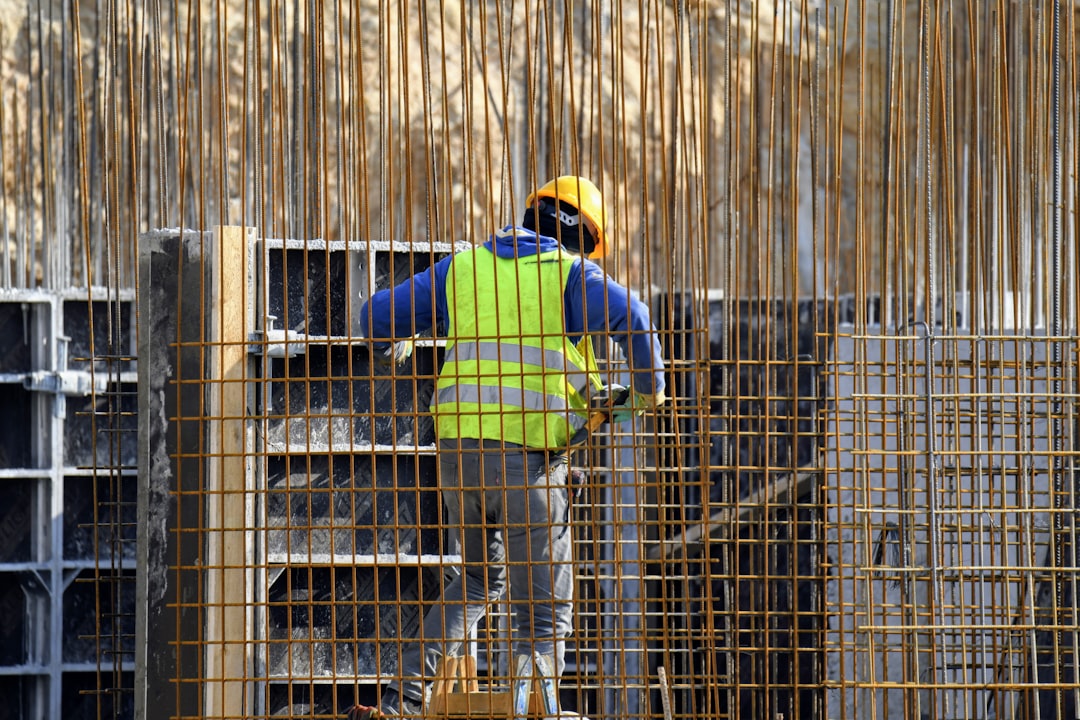
The allure of a new housing development, a renovated commercial space, or an upgraded public amenity is often preceded by a seemingly innocuous document: the building permit. These permits, the gatekeepers of construction legality and safety, are meant to ensure that projects adhere to stringent building codes, zoning regulations, and environmental standards. However, the process is not always transparent. Deceptive building permits, construction lies exposed, represent a shadowy underbelly of the construction industry, where corners are cut, risks are amplified, and the public trust is systematically undermined. This article delves into the multifaceted nature of deceptive building permits, exploring their origins, methods, consequences, and the ongoing efforts to combat this insidious form of deception.
The issuance of a building permit is predicated on truthful and accurate information provided by the applicant. When this information is intentionally misrepresented, it lays the groundwork for a cascade of deceptive practices throughout the construction lifecycle. This initial dishonesty, akin to a cracked foundation, compromises the integrity of the entire structure.
Submitting Inaccurate Plans
One of the most common methods of deception involves the submission of building plans that do not reflect the actual intended construction. This can manifest in several ways:
Understating Project Scope
Applicants might deliberately downplay the scale or complexity of a renovation or new build. For example, a homeowner seeking to enlarge their living space might apply for a permit for a minor alteration, while secretly planning a substantial ground-floor extension.
Non-Compliant Material Specifications
Permit applications often detail the types of materials to be used, particularly those related to structural integrity, fire safety, and environmental impact. Deceptive applicants may list superior, compliant materials while intending to use cheaper, substandard alternatives. This could range from specifying steel beams of a certain grade only to use a weaker alloy, or opting for fire-retardant insulation that is not actually fire-retardant.
Circumventing Zoning Laws
Zoning regulations dictate how land can be used and what can be built on it. Applicants might misrepresent the intended use of a property to gain permit approval. For instance, a permit might be sought for a “storage shed” when the true intention is to construct an accessory dwelling unit (ADU) without the necessary permits for residential occupancy. Similarly, a commercial building permit might be obtained for a legitimate business purpose, while the applicant secretly plans to operate a higher-risk enterprise, such as an unapproved industrial facility.
Fabricating Expert Signatures
In many jurisdictions, building permit applications require review and approval from licensed professionals such as engineers, architects, and surveyors. Deceptive practices can involve the fabrication or unethical procurement of these approvals.
Forged Signatures and Seals
In the most egregious cases, signatures and professional seals of engineers or architects are forged. This is a direct assault on professional accountability and can be incredibly difficult to detect without careful scrutiny.
Coerced or Unethical Professional Endorsements
Less overtly criminal, but equally damaging, is the scenario where professionals are pressured or incentivized to approve plans they have not fully reviewed or that they know deviate from code. This can occur in situations where a developer has a long-standing relationship with a particular firm and seeks to expedite approvals, even at the cost of professional integrity.
In recent discussions surrounding the integrity of building permits, it has come to light that some applications may contain misleading information regarding construction projects. This issue raises significant concerns about safety and compliance within the construction industry. For further insights into the broader implications of financial planning and preparedness in the face of unexpected challenges, you can read a related article at Financial Emergency Plan for US Citizens: Be Prepared for the Unexpected.
The Domino Effect: Deception in the Construction Phase
Once a deceptive permit has been secured, the lies often multiply during the construction process itself, creating a tangled web of subversions. The initial misrepresentation acts as a key that unlocks a door to further shortcuts and compromises.
Substituting Materials
The financial incentive to cut costs is a powerful driver for deceptive practices on site. The temptation to swap out approved materials for cheaper alternatives becomes almost irresistible when the oversight is lax.
Lower-Grade Structural Components
During the framing of a building, for instance, the specified grade of lumber or steel might be replaced with inferior products. This can significantly weaken the structural integrity of the building, making it more susceptible to damage from seismic activity, high winds, or even normal wear and tear.
Non-Compliant Plumbing and Electrical Systems
The installation of plumbing and electrical systems is critical for safety and functionality. Using cheaper, uncertified pipes or wiring, or improperly installed systems, can lead to leaks, electrical fires, and health hazards. These are often hidden behind walls, making detection even more challenging until a problem arises.
Substandard Insulation and Fireproofing
Inadequate insulation can lead to energy inefficiency and compromised comfort. More alarmingly, the use of non-compliant fireproofing materials or insufficient installation can turn a building into a tinderbox in the event of a fire, turning a potential inconvenience into a tragedy.
Altering Structural Elements
Beyond material substitutions, entirely unapproved structural changes can be made, often under the guise of minor adjustments.
Unauthorized Load-Bearing Wall Modifications
Removing or altering a load-bearing wall without proper engineering assessment and approval can lead to catastrophic structural failure. These modifications are often done to create open-plan living spaces, but the consequences can be devastating if not handled with professional expertise.
Incorrect Foundation Work
The foundation is the bedrock of any structure. Shortcuts taken here, such as insufficient depth, improper concrete mix, or inadequate reinforcement, can result in settling, cracking, and ultimately, the instability of the entire building.
Unapproved Encroachments and Setbacks
Building beyond property lines or closer to boundaries than permitted by zoning laws are common forms of deception that create future boundary disputes and can necessitate costly remedial work.
The Hidden Costs: Consequences of Deceptive Building Permits
The ramifications of deceptive building permits extend far beyond the immediate construction site, impacting individuals, communities, and the broader economy. These consequences can be like a slow-acting poison, revealing their toxicity only over time.
Safety Hazards and Risk to Life
The most dire consequence is the direct threat to human life. Buildings constructed with substandard materials or compromised structural integrity are vulnerable to collapse, fires, and other catastrophic events.
Increased Risk of Structural Failure
Buildings built with deceptive permits are inheritor of inherent weaknesses that can manifest under stress, leading to partial or complete structural failure.
Fire Hazards and Inadequate Escape Routes
The use of flammable materials and the circumvention of fire-safety regulations dramatically increase the risk of fires. Furthermore, improperly designed or obstructed escape routes can trap occupants during an emergency.
Health Risks from Toxic Materials
The use of unapproved or toxic building materials can leach harmful chemicals into the air and water, posing long-term health risks to occupants, including respiratory problems, allergies, and even more serious illnesses.
Financial Repercussions
The financial impact of deceptive permits is felt by homeowners, purchasers, insurers, and municipalities alike.
Diminished Property Values
A property built or renovated under deceptive permits may be devalued due to its inherent structural flaws or non-compliance with regulations, making it difficult to sell and impacting future investment.
Costly Remedial Work
Discovering a deceptive build often necessitates expensive repairs and renovations to bring the property up to code, a burden that typically falls on the current owner.
Increased Insurance Premiums and Denied Claims
Insurance companies are increasingly scrutinizing building permits. Properties with unpermitted work or evidence of deception may face higher premiums or even denial of claims.
Legal Battles and Litigation
Disputes arising from deceptive construction can lead to lengthy and costly legal battles, involving homeowners, contractors, developers, and sometimes even municipal authorities.
Erosion of Public Trust and Community Impact
The prevalence of deceptive building permits erodes public trust in the construction industry and governmental oversight. This can have a ripple effect on community development and investment.
Undermining Neighborhood Standards
Unregulated or deceptively permitted construction can create eyesores and negatively impact the aesthetic and functional integrity of a neighborhood.
Disruption to Public Infrastructure
In some cases, deceptive practices can impact public infrastructure, such as improper utility connections or damage to public roads during unauthorized construction.
Detecting the Deceit: Oversight and Enforcement Measures

Combating deceptive building permits requires a multi-pronged approach involving robust oversight, stringent enforcement, and public awareness. This is akin to laying down a strong perimeter to prevent infiltration.
Strengthening Permit Application Review
The initial review of permit applications is the first line of defense against deception.
Thorough Plan Examination
Building departments must invest in skilled plan examiners who can meticulously scrutinize submitted documents for inconsistencies, omissions, and potential code violations.
Utilizing Technology for Detection
Advanced software and AI can be employed to cross-reference plans, identify anomalies, and flag potential fraudulent applications.
Requiring Detailed Documentation
Mandating comprehensive documentation, including detailed material specifications, structural calculations, and professional certifications, makes it harder to submit misleading information.
Enhancing On-Site Inspections
Regular and thorough inspections during the construction phase are crucial to ensuring compliance.
Unannounced Inspections
Surprise site visits can catch contractors in the act of deviating from approved plans or using substandard materials.
Specialized Inspections
Engaging specialized inspectors for critical stages, such as foundation work, structural framing, and electrical/plumbing installations, provides expert oversight.
Utilizing Drones and Advanced Imaging
Drones equipped with high-resolution cameras can provide aerial views of construction progress, aiding in the detection of unauthorized additions or deviations from plans.
Robust Enforcement and Penalties
A strong enforcement framework acts as a significant deterrent.
Imposing Significant Fines and Penalties
Financial penalties should be substantial enough to outweigh any cost savings gained from deceptive practices.
Suspension or Revocation of Licenses
Contractors and professionals found engaging in deceptive practices should face temporary or permanent suspension or revocation of their licenses.
Criminal Prosecution for Fraudulent Activities
In cases of deliberate fraud and misrepresentation, criminal charges should be pursued to send a clear message of zero tolerance.
In recent discussions about the integrity of building permits, concerns have arisen regarding instances where construction projects may not be accurately represented. This issue is particularly relevant in light of a related article that explores the potential risks associated with financial security and government oversight. For those interested in understanding how these factors intertwine, you can read more about it in this insightful piece on retirement accounts and their safety from government intervention. Check it out here.
The Role of the Public and Industry Stakeholders
| Metric | Description | Example Value | Impact |
|---|---|---|---|
| Number of False Permits Issued | Count of building permits approved with inaccurate or misleading information | 150 per year | Increased risk of unsafe construction |
| Percentage of Permits with Misrepresented Scope | Proportion of permits where the construction scope was understated or altered | 12% | Non-compliance with zoning and safety regulations |
| Average Delay in Detection | Time taken to identify false information in permits after issuance | 6 months | Prolonged exposure to potential hazards |
| Number of Enforcement Actions | Count of penalties or corrective measures taken against false permits | 45 annually | Deterrence and correction of violations |
| Estimated Cost of Non-Compliance | Financial impact due to false permits including fines and reconstruction | 1,200,000 | Economic burden on municipalities and developers |
Combating deceptive building permits is not solely the responsibility of regulatory bodies. The public and various industry stakeholders play a vital role in fostering transparency and accountability.
Empowering Homeowners and Buyers
Educating the public about the importance of building permits and the warning signs of deceptive practices is essential.
Verifying Permit Status
Prospective homeowners and buyers should always verify that a property has the necessary building permits for all alterations and additions.
Seeking Independent Professional Advice
Engaging independent architects, engineers, or building inspectors can help identify potential issues before purchasing or undertaking significant renovations.
Reporting Suspicious Activity
Providing a clear and accessible channel for the public to report suspected violations encourages vigilance within communities.
Promoting Ethical Practices within the Industry
The construction industry itself must champion ethical conduct and accountability.
Professional Development and Training
Encouraging ongoing professional development for architects, engineers, and contractors ensures they are up-to-date on codes and ethical standards.
Industry Self-Regulation and Codes of Conduct
Professional organizations can play a role in setting high ethical standards and holding their members accountable.
Whistleblower Protection
Establishing mechanisms to protect whistleblowers who report fraudulent activities within their companies or the industry can encourage internal reporting of wrongdoing.
The battle against deceptive building permits is an ongoing one, a constant effort to ensure that the structures that shape our lives are built on a foundation of truth and integrity. By understanding the nature of these deceptions, strengthening oversight, and fostering a culture of accountability, we can work towards a built environment that is safer, more trustworthy, and ultimately, more resilient.
WATCH NOW ▶️ WARNING: They Erased The World Before Us
FAQs
What are building permits and why are they important?
Building permits are official approvals issued by local government agencies that allow construction or renovation projects to proceed. They ensure that the work complies with safety codes, zoning laws, and building regulations, helping to protect public health and property.
How can building permits be misleading or contain false information?
Building permits can be misleading if the information submitted is inaccurate or falsified, such as underreporting the scope of work, misrepresenting materials used, or omitting critical safety details. This can result in unsafe construction, code violations, or legal issues.
What are the potential risks of construction based on false building permits?
Construction based on false permits can lead to structural failures, safety hazards, increased liability, fines, and difficulties in selling or insuring the property. It may also require costly corrections or demolition to meet legal standards.
How can homeowners or buyers verify the authenticity of a building permit?
They can contact the local building department to confirm permit details, review official records, request inspections, and consult with licensed professionals to ensure the permit matches the actual construction work.
What actions can be taken if a building permit is found to be false or misleading?
Authorities may issue stop-work orders, fines, or require corrective measures. Property owners might need to obtain proper permits, make necessary repairs, or face legal consequences. Consulting with legal and construction experts is advisable in such cases.