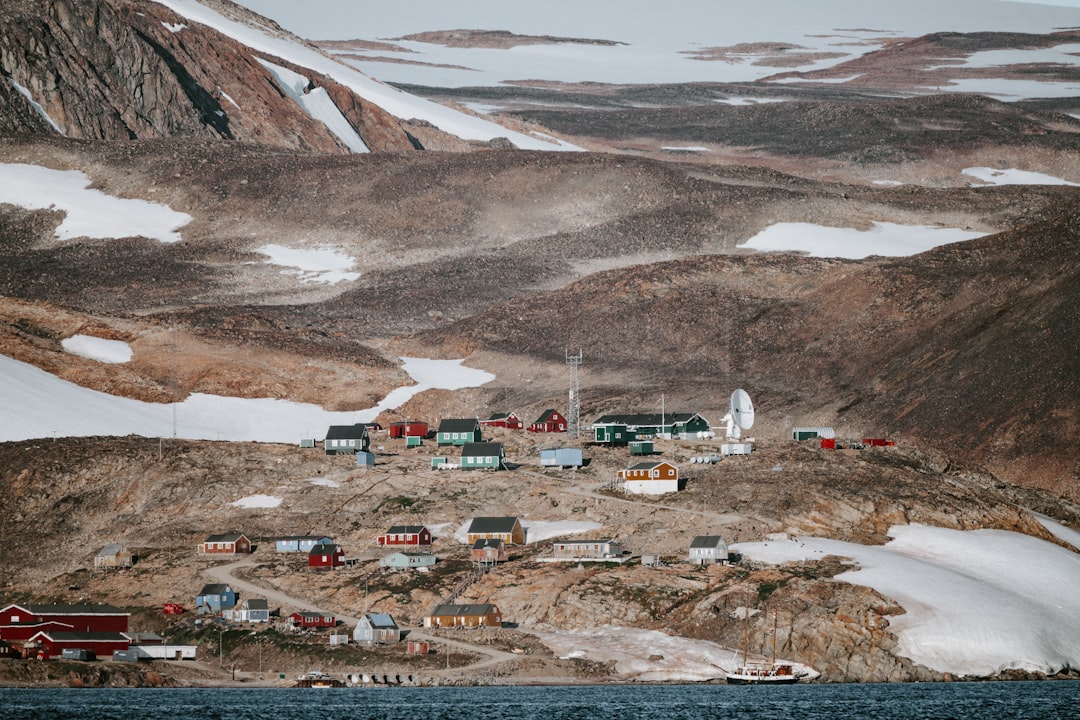
Greenland, a vast expanse of ice and rock at the northernmost reaches of the planet, holds secrets far more profound than its icy landscapes might suggest. During the tense decades of the Cold War, this remote territory became a crucial strategic chessboard, a silent witness to clandestine operations and ambitious technological endeavors. Declassified documents have begun to peel back the layers of secrecy, revealing a history of daring missions and ambitious projects that aimed to secure a strategic advantage, monitor an adversary, and even, in some instances, prepare for the unthinkable. These unearthed revelations offer a fascinating glimpse into the lengths to which global powers would go to assert dominance and safeguard their interests in a world teetering on the brink of nuclear conflict.
The sheer geographical position of Greenland made it an indispensable asset during the Cold War. Its proximity to North America, coupled with its imposing icy terrain, rendered it an ideal location for a variety of military installations and surveillance outposts. The United States, in particular, recognized Greenland’s paramount importance in its defense strategy against the Soviet Union.
The Airbases of Strategic Deterrence
The most prominent and widely understood Cold War presence in Greenland was the establishment of significant airbases. These facilities were not merely staging grounds for routine operations; they were integral components of the broader strategic deterrence posture.
Thule Air Base: The Northernmost Sentinel
Thule Air Base, established in 1951, quickly became the linchpin of American military operations in Greenland. Its strategic significance stemmed from its location, placing it within range of Soviet bomber routes and, crucially, enabling early warning detection of incoming threats.
Ballistic Missile Early Warning System (BMEWS)
One of the most critical functions of Thule Air Base was to house a component of the Ballistic Missile Early Warning System (BMEWS). This sophisticated radar system was designed to detect intercontinental ballistic missiles (ICBMs) launched from the Soviet Union, providing precious minutes of warning to allow for retaliatory action. The immense parabolic dish of the BMEWS radar at Thule became an iconic symbol of the Cold War’s technological arms race and the constant state of alert. The sheer scale of the operation required to maintain such a facility in an extreme environment cannot be overstated, involving thousands of personnel and extensive logistical support. The declassified records reveal the constant upgrades and modifications to the BMEWS system, reflecting the escalating sophistication of Soviet missile technology and the ongoing efforts to stay one step ahead. The threat of surprise attack was a pervasive fear, and Thule represented a vital bulwark against it.
Reconnaissance and Surveillance Operations
Beyond early warning, Thule Air Base also served as a hub for various reconnaissance and surveillance operations. Aircraft based at Thule could conduct long-range patrols over the Arctic Ocean, monitoring Soviet naval movements and aircraft.
Project HAWKEYE and Other Aerial Surveillance Missions
Declassified documents hint at numerous aerial surveillance missions, often operating under codenames like Project HAWKEYE. These missions aimed to gather intelligence on Soviet military activities, including submarine patrols and air force deployments. The harsh Arctic weather, with its limited visibility and extreme temperatures, posed significant challenges for these operations, requiring specialized aircraft and highly trained crews. The risks involved were substantial, as aircraft operating in these remote regions faced the constant threat of mechanical failure or adverse weather conditions. The intelligence gathered from these flights was invaluable in shaping Western strategic planning and understanding the intentions of the Soviet Union.
The Radar Line: “Backbone of Defense”
Complementing the airbases, a network of radar stations, known collectively as the “Distinguished Visitors” or “Distinguished Eagles” radar lines, stretched across Greenland. These installations formed a critical early warning system, often referred to as the “backbone of defense.”
The DYE Sites: Eyes on the Arctic Horizon
The Distant Early Warning (DEW) Line, though primarily extending across the Canadian Arctic, had crucial extensions and interconnected systems that involved Greenland. However, within Greenland itself, specific radar sites, often referred to by their codenames such as the “DYE” sites (e.g., DYE-1, DYE-2), played a vital role. These sites were strategically placed to detect airborne incursions.
Maintaining Operational Readiness in Extreme Conditions
Operating these radar stations in Greenland was a monumental undertaking. Personnel lived in isolated conditions, battling blizzards, extreme cold, and the psychological strain of prolonged separation from civilization. The infrastructure required to support these remote outposts – power generation, heating, communication systems, and regular resupply – represented significant logistical achievements. Declassified reports often detail the constant struggle against the elements and the ingenuity employed by the stationed personnel to maintain operational readiness. The isolation was a significant factor, and the mental well-being of the crews was a continuous concern for military planners.
During the Cold War, Greenland served as a strategic location for various declassified projects aimed at monitoring Soviet activities and enhancing NATO’s defense capabilities. One notable project involved the establishment of radar stations and military bases, which played a crucial role in the geopolitical landscape of the time. For a deeper understanding of how these historical events relate to contemporary issues, such as the rise of artificial intelligence and its potential impact on society, you can read more in this article: The Rise of Artificial Intelligence and Societal Collapse.
Project ICEWORM: Subterranean Ambitions Beneath the Ice
Perhaps one of the most audacious and chilling declassified Cold War projects in Greenland was Project ICEWORM, also known as Project THERMOST. This ambitious endeavor aimed to establish a network of missile launch sites hidden deep within the Greenland ice sheet.
The Subterranean Missile Base Concept
The core idea behind Project ICEWORM was to create an invulnerable launch platform for nuclear missiles. By embedding these sites within kilometers of ice, the Soviets (who were initially unaware of the extent of the American plans) and the Americans themselves would theoretically be unable to locate and destroy them.
Site GENIE: The Sub-Ice Engineering Marvel
The primary site for Project ICEWORM was designated as Site GENIE. This involved the excavation of extensive tunnels and chambers within the ice sheet, designed to house a series of nuclear-tipped Jupiter intermediate-range ballistic missiles (IRBMs). The scale of this undertaking was unprecedented.
The Engineering Challenges of Excavating Ice
The engineering challenges involved in excavating and maintaining structures within a moving glacier were immense. The ice sheet is not static; it flows and shifts, creating immense pressures. Early efforts involved using melted snow and ice to create tunnels, but the constant thawing and refreezing, coupled with the sheer weight of the ice, proved to be insurmountable obstacles. Declassified documents reveal the engineers’ struggles with ice melt, tunnel collapse, and the unpredictable nature of the glacial environment. The sheer ambition of trying to build a permanent military installation within such a dynamic and hostile medium is a testament to the desperate measures considered during the Cold War.
The Soviet Espionage Countermeasures and Project SILVER FLAG
While Project ICEWORM was an American initiative, the Soviets were not entirely unaware of the potential for such audacious projects. Declassified reports also touch upon Soviet intelligence efforts aimed at understanding and potentially counteracting American capabilities in Greenland. This included efforts to detect clandestine activities, and in some instances, the American side developed countermeasures.
The Unforeseen Consequences of Ice Melt
Ultimately, Project ICEWORM was abandoned not due to direct Soviet attack, but due to the inherent instability of the ice itself. The ice sheet, susceptible to rising temperatures even in the mid-20th century, began to melt, causing the tunnels to collapse and the missile infrastructure to become unusable and dangerous. The project served as a stark reminder of the power of nature and the unintended consequences of attempting to dominate it. The irony is that an endeavor designed to be hidden and invulnerable was ultimately undone by the very environment it sought to exploit.
Project FROSTY SNOWFLAKE: The Pursuit of Arctic Air Superiority

Beyond missile bases, Greenland’s icy expanse also played a role in the development of advanced aircraft and tactics for Arctic warfare. Project FROSTY SNOWFLAKE was one such initiative that explored the potential of operating aircraft in extreme cold-weather conditions.
Developing Aircraft for Extreme Environments
The ability to operate aircraft effectively in the sub-zero temperatures and harsh weather of the Arctic was a significant military objective. This project focused on testing and modifying aircraft to withstand these conditions.
Testing and Modifications of Existing Aircraft
This involved extensive testing of various aircraft models, assessing their performance under extreme cold. Modifications were made to engines, lubricants, fuel systems, and even de-icing mechanisms to ensure reliability.
The Challenges of Arctic Aviation
The challenges were numerous: frozen fuel lines, engine failure due to extreme cold, icing on wings and propellers, and reduced visibility due to snow and blizzards. Personnel involved in these tests faced extreme risks, as did the aircraft themselves. Declassified reports detail the meticulous records kept of each test flight, the failures encountered, and the subsequent modifications made. The goal was to ensure that American aircraft could maintain air superiority even in the most inhospitable environments.
The Role of Air Power in Arctic Defense
The project underscored the growing importance of air power in the defense of the Arctic. With the potential for Soviet bombers to fly over the Arctic to attack North America, maintaining a strong aerial presence and the ability to respond effectively was paramount.
The Greenland Ice Sheet as a Strategic Asset and Hazard

The declassified projects highlight a complex relationship between military objectives and the unforgiving nature of the Greenland ice sheet. It was viewed as both a strategic asset and a formidable hazard.
The Ice Sheet as a Natural Barrier and Concealment
The sheer thickness and extent of the ice sheet offered a natural barrier to invasion and provided excellent cover for clandestine operations.
The Illusion of Permanence
The perception that the ice sheet was a permanent and unyielding entity contributed to the confidence in some of these ambitious, long-term projects.
The Growing Awareness of Climate Change’s Impact
However, as time progressed and more sensitive climate data became available, the realization began to dawn that the ice sheet was not as immutable as once believed. The melting of glaciers, even during the Cold War, began to be recognized as a factor that could undermine even the most robust of these secret installations. The declassified documents offer a historical perspective on the early understanding, or lack thereof, of climate change’s impact on military infrastructure.
The Environmental and Political Ramifications
The declassified projects also raise questions about the long-term environmental consequences of such large-scale military undertakings on a fragile ecosystem.
Unforeseen Pollution and Legacy Sites
The abandonment of projects like ICEWORM has left behind a legacy of potential environmental hazards beneath the ice, including discarded machinery and fuel residues. The potential for future melting to release these contaminants is a growing concern.
International Cooperation and Decommissioning Challenges
The international nature of Greenland, with its Danish sovereignty and American military presence, adds layers of complexity to the decommissioning and remediation of these legacy sites. Ensuring transparency and cooperation in addressing these environmental challenges remains an ongoing effort.
During the Cold War, Greenland was a focal point for various declassified projects aimed at military strategy and surveillance, reflecting the intense geopolitical tensions of the era. These initiatives often intersected with environmental concerns, particularly as the effects of climate change began to emerge. For a deeper understanding of how rising sea levels are impacting regions like Greenland, you can explore this insightful article on the subject. The connection between historical military operations and contemporary environmental challenges is more relevant than ever, highlighting the need for awareness and action. To read more, visit this article.
The Legacy of Secrecy: Lessons from Declassified Missions
| Project Name | Location | Duration | Description |
|---|---|---|---|
| Project Iceworm | Greenland | 1959-1967 | Secret U.S. Army program to build a network of mobile nuclear missile launch sites under the Greenland ice sheet. |
| Project Blue Jay | Thule, Greenland | 1951-1955 | Construction of Thule Air Base as part of the U.S. Air Force’s early warning radar system. |
| Project Crested Ice | Greenland | 1960s | Effort to develop a nuclear-powered base under the ice, but was abandoned due to technical and environmental challenges. |
The declassification of these Cold War projects in Greenland offers valuable insights not only into military history but also into the nature of secrecy, ambition, and the impact of human endeavors on the natural world.
The Evolution of Intelligence Gathering and Analysis
The methods employed during the Cold War, from aerial reconnaissance to radar monitoring, laid the groundwork for modern intelligence-gathering techniques. The continuous need to adapt to evolving threats and technologies remains a constant.
The Importance of Openness and Transparency
The eventual declassification of these projects underscores the importance of transparency in government operations. While secrecy is sometimes necessary for national security, the long-term benefits of historical understanding and public accountability are undeniable.
Learning from Past Mistakes and Future Preparedness
The failures and unintended consequences of projects like ICEWORM serve as crucial lessons. They highlight the need for thorough environmental impact assessments, realistic appraisal of technological limitations, and a deeper understanding of the complex interplay between human ambition and the forces of nature. As geopolitical tensions continue to evolve, the lessons learned from Greenland’s declassified Cold War past offer a compelling reminder of the potential costs and complexities of secret military endeavors. The frozen frontier of Greenland, once a battleground of Cold War anxieties, is slowly yielding its secrets, inviting a more comprehensive understanding of a pivotal era in human history.
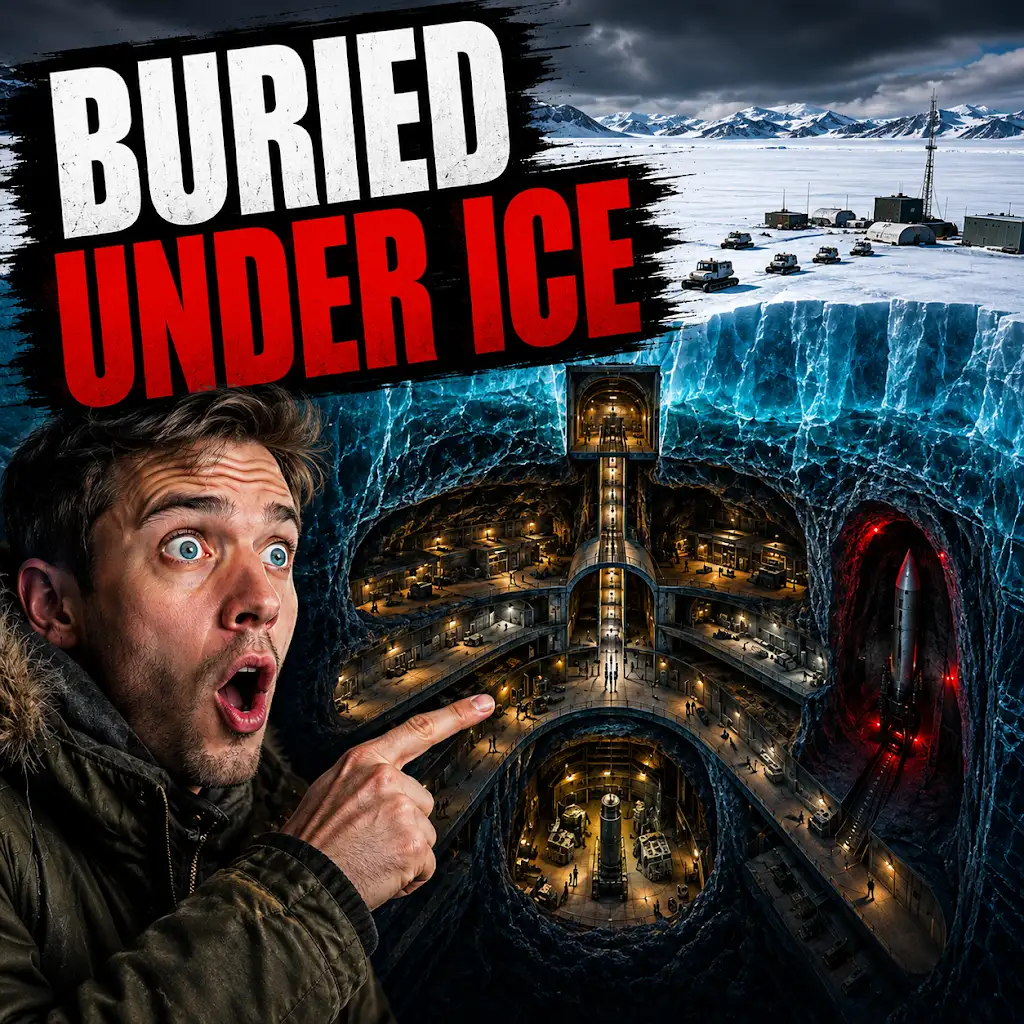
The U.S. Built a Nuclear City Under Greenland. The Ice Won.
FAQs
What were some of the declassified Cold War projects in Greenland?
Some of the declassified Cold War projects in Greenland included the construction of the Thule Air Base, which was used for early warning radar systems, as well as the Camp Century project, which aimed to build a network of tunnels under the ice for missile launch sites.
How did these projects impact Greenland?
The declassified Cold War projects in Greenland had significant impacts on the environment and the local population. The construction of military bases and infrastructure led to environmental contamination, and the Camp Century project resulted in the release of radioactive and chemical waste into the surrounding area.
What was the purpose of these projects?
The primary purpose of these projects was to establish a strategic military presence in Greenland during the Cold War. The Thule Air Base was intended to provide early warning of potential Soviet missile attacks, while the Camp Century project was part of the United States’ efforts to develop a network of missile launch sites in the Arctic.
How were these projects declassified?
Many of the details about these Cold War projects in Greenland were declassified in the years following the end of the Cold War. Government documents and reports were released to the public, shedding light on the extent and impact of these projects.
What is the legacy of these declassified Cold War projects in Greenland?
The legacy of these projects includes ongoing environmental and health concerns for the people of Greenland, as well as a broader legacy of Cold War militarization in the Arctic. The declassified information has also sparked discussions about accountability and responsibility for the environmental impacts of these projects.