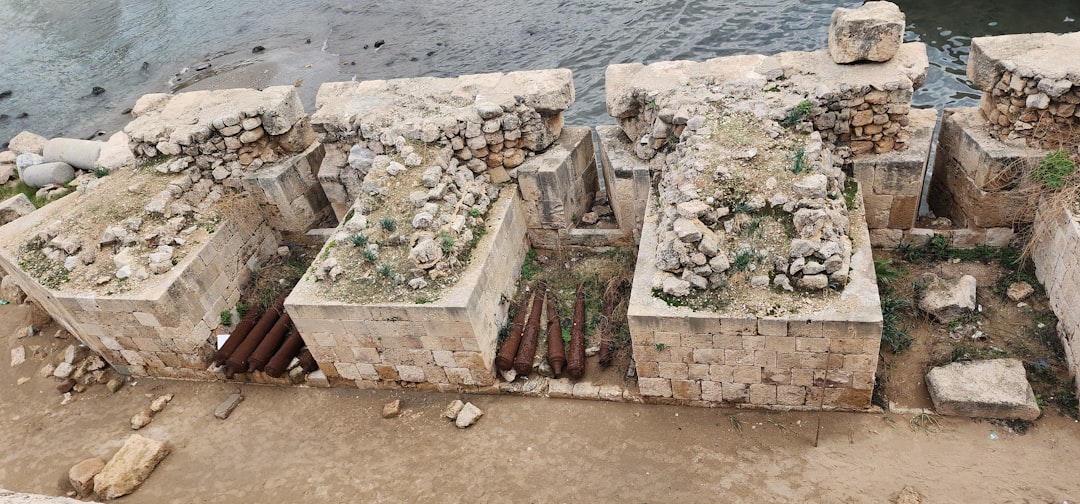
The allure of lost civilizations is a powerful siren song, drawing scholars and adventurers alike into the dust-laden pages of history. Across the globe, enigmatic ruins and cryptic artifacts whisper tales of societies that once flourished, then vanished, leaving behind a tantalizing puzzle for future generations. To “decode” these lost civilizations is to embark on an intellectual odyssey, a meticulous process of piecing together fragmented evidence, deciphering forgotten languages, and interpreting symbolic remnants to understand not only how they lived, but why they disappeared. This endeavor stands as a testament to humanity’s enduring curiosity, our insatiable desire to comprehend our past and, in doing so, to better understand ourselves.
The journey into lost civilizations begins with the physical. Archaeology, the discipline dedicated to the study of human history through the excavation and analysis of artifacts and physical remains, serves as the bedrock of our understanding. Without tangible evidence, the whispers of the past would remain just that – fleeting echoes with no substance. The painstaking work of archaeologists uncovers the skeletal remains of cities, the tools of daily life, and the monumental structures that speak of power, belief, and social organization.
The Role of Stratigraphy and Context
Every shovel of earth turned by an archaeologist is a deliberate act, guided by principles honed over centuries. Stratigraphy, the study of rock layers and sediment, is crucial. Deeper layers represent older periods, while shallower ones are more recent. By understanding this geological chronology, archaeologists can assign relative dates to the objects they find. Crucially, the context in which an artifact is discovered is paramount. A pottery shard found within a tomb has a very different story to tell than one found amidst the debris of a collapsed dwelling. This meticulous record-keeping, often involving detailed mapping and photography, transforms disparate finds into a coherent narrative.
From Pottery Shards to Grand Palaces
The spectrum of unearthed evidence is vast. Humble pottery shards, often overlooked by the untrained eye, can reveal trade routes, dietary habits, and artistic preferences. Elaborate tomb goods, such as the treasures found in the tomb of Tutankhamun, offer unparalleled insights into the beliefs surrounding death and the afterlife, as well as the wealth and power of a ruler. The architectural remains of settlements, from humble dwellings to sprawling metropolises, provide blueprints of urban planning, social stratification, and technological capabilities. Cities like Pompeii, frozen in time by volcanic ash, offer extraordinary snapshots of Roman life, preserving buildings, art, and even the agonies of its inhabitants.
Dating the Past: Radiocarbon and Other Techniques
Establishing a chronological framework for lost civilizations is essential. While stratigraphy provides relative dating, absolute dating methods are vital for placing these societies within the broader timeline of human history. Radiocarbon dating, a cornerstone of modern archaeology, analyzes the decay of carbon-14 isotopes in organic materials. This allows scientists to determine the age of objects up to approximately 50,000 years old. Other techniques, such as dendrochronology (tree-ring dating) and thermoluminescence dating (used for pottery and burnt stone), provide complementary chronologies, helping to cross-reference and refine our understanding of when these civilizations existed.
In exploring the mysteries of lost civilizations, one can gain a deeper understanding of the socio-economic factors that contributed to their rise and fall. A related article that delves into contemporary implications of demographic trends is titled “Mexico’s Demographic Edge: Labor Advantage,” which discusses how population dynamics can influence a nation’s economic landscape. This article provides valuable insights that can be juxtaposed with the historical contexts of ancient societies. For more information, you can read the article here: Mexico’s Demographic Edge: Labor Advantage.
The Scribe’s Legacy: Deciphering Forgotten Scripts
Perhaps the most thrilling aspect of decoding lost civilizations is the moment when silence is broken by the resonance of a forgotten language. Written records, where they exist, are invaluable windows into the minds of ancient peoples, offering direct insights into their laws, literature, religious beliefs, and administrative practices. However, many ancient scripts remain stubbornly unreadable, their symbols a tantalizing enigma.
The Rosetta Stone: A Key to the Past
The decipherment of hieroglyphs, the sacred writing system of ancient Egypt, is a prime example of the intellectual triumph that can be achieved. For centuries, the meaning of these intricate symbols was lost. The discovery of the Rosetta Stone in 1799, inscribed with the same decree in three scripts – hieroglyphic, Demotic, and ancient Greek – provided the crucial key. Scholars like Jean-François Champollion, by painstakingly comparing the known Greek text with the unknown Egyptian scripts, were able to unlock the secrets of hieroglyphs, opening a floodgate of historical information.
The Unsolved Puzzles: Linear A and the Indus Script
Despite monumental successes, many ancient scripts continue to defy our efforts. Linear A, the script of the Minoan civilization of Crete, remains undeciphered, despite its close relationship to the deciphered Linear B. Similarly, the script of the Indus Valley Civilization, a sophisticated Bronze Age culture, has resisted all attempts at translation. The lack of bilingual texts, similar to the Rosetta Stone, and the limited corpus of inscriptions pose significant hurdles. The ongoing struggle to understand these scripts highlights the complexity of linguistic decipherment and the profound loss of knowledge that accompanies their silence.
Linguistics and Epigraphy: The Tools of the Trade
The decipherment of epigraphy, the study of ancient inscriptions, relies heavily on the principles of linguistics. Scholars analyze patterns, grammatical structures, and recurring symbols. They compare potential phonetic values and look for cognates in known languages of the region. The process is akin to solving a complex puzzle with missing pieces, requiring immense patience, deductive reasoning, and often, a healthy dose of intuition. Computational linguistics and artificial intelligence are increasingly being employed, offering new avenues for pattern recognition and hypothesis testing, potentially aiding in the decipherment of stubborn scripts.
The Artist’s Vision: Interpreting Symbolism and Iconography

Beyond the written word, the visual language of lost civilizations offers a rich tapestry of meaning. Art, in its myriad forms, served not merely as decoration but as a powerful means of communication, imbued with symbolic and religious significance. From intricate carvings on temple walls to delicate jewelry, these artistic expressions provide glimpses into the worldview, mythology, and social hierarchies of ancient peoples.
Myth and Ritual in Stone
The monumental architecture of civilizations like the Maya or the Khmer is often adorned with elaborate reliefs and sculptures that depict scenes from their mythologies and religious rituals. The Temple of Angkor Wat in Cambodia, for instance, is covered in bas-reliefs depicting Hindu epics, offering a visual narrative of their beliefs and the pantheon of their gods. Understanding the iconography – the system of symbols and images used – is crucial to unraveling these narratives. What does a particular posture signify? What is the meaning behind a deity’s attributes? These questions are answered through careful observation and comparison with other known symbolic systems.
The Function of Figurines and Amulets
Small, portable objects like figurines and amulets also carry significant weight in our understanding. Terracotta figurines from ancient Mesopotamia might depict deities, families, or everyday activities, offering insights into domestic life and religious devotions. Amulets, often worn for protection or good fortune, can reveal anxieties, beliefs about the spirit world, and the perceived efficacy of certain symbols or materials. The analysis of these objects requires a deep understanding of the cultural context in which they were produced and used.
The Evolution of Artistic Styles and Techniques
The study of artistic evolution within a civilization can also reveal social and political changes. A shift in artistic style, a change in the materials used, or the adoption of new techniques can indicate periods of conquest, cultural exchange, or the emergence of new religious or philosophical ideas. The transition from the more naturalistic art of the early Dynastic period in Egypt to the more stylized and symbolic art of later periods, for example, reflects broader changes in Egyptian society and its rulers’ ideologies.
The Sage’s Wisdom: Understanding Belief Systems and Ideologies

At the heart of every civilization lies a framework of beliefs – how its people perceived the world, their place within it, and the forces that governed their lives. These belief systems, encompassing religion, philosophy, and social ideologies, shaped everything from daily routines to grand architectural projects and responses to crisis. Unraveling these abstract concepts from the tangible evidence is a challenging but rewarding aspect of decoding lost civilizations.
The Gods and the Cosmos
Religion often played a central role in ancient societies. The pantheon of gods, their relationships, and the rituals performed to appease them offer profound insights into a civilization’s worldview. The awe-inspiring pyramids of Egypt, for example, are not merely tombs but complex religious structures designed to facilitate the pharaoh’s journey to the afterlife and ensure the cosmic order. The intricate celestial calendars of Mesoamerican civilizations, like the Maya, reveal a deep understanding and veneration of the cosmos, linking earthly events to astronomical cycles and divine will.
Social Structures and the Ideal Citizen
Ideologies concerning family, community, governance, and justice also left their mark. The legal codes of Babylon, like the Code of Hammurabi, reveal principles of justice and social order, albeit often harsh by modern standards. The organization of communities, the roles of different social classes, and the expectations placed upon individuals all reflect underlying ideological frameworks. The emphasis on ancestor worship in many East Asian civilizations, for instance, underscores a societal value placed on lineage and collective memory.
The Role of Myth and Narrative
Myths and epic narratives serve as the oral or written traditions that transmit cultural values and explain the origins of the world and humanity. The Mahabharata and Ramayana in ancient India, or the sagas of Norse mythology, are not just stories; they are repositories of moral teachings, historical memory (however embellished), and explanations for the human condition. The recurring motifs and archetypes within these narratives can reveal fundamental human concerns and aspirations that transcend time and culture.
In exploring the mysteries of lost civilizations, one can gain a deeper understanding of how historical trade routes influenced cultural exchanges and societal developments. For instance, the article on Sheinbaum’s impact on US-Mexico trade highlights the significant economic interactions that have shaped modern societies, much like the ancient trade networks that connected distant civilizations. To read more about this fascinating topic, you can check out the full article here.
The Cartographer’s Dream: Reconstructing Societies and Their Demise
| Lost Civilizations | Explanation |
|---|---|
| Atlantis | Many believe it to be a fictional island, while others think it could have been a real place that was destroyed by a natural disaster. |
| Maya Civilization | It is thought to have declined due to environmental factors, warfare, and political instability. |
| Indus Valley Civilization | Its decline is attributed to environmental changes, such as drought and flooding, as well as possible invasions. |
Finally, the ultimate goal of decoding lost civilizations is to reconstruct not only their lives but also the circumstances of their decline and disappearance. This involves piecing together all the available evidence – archaeological, linguistic, and artistic – to form a holistic picture of the society and to identify the factors that may have led to its demise.
Environmental Factors: Drought, Flood, and Famine
Often, the environment plays a pivotal role in the rise and fall of civilizations. Evidence of prolonged droughts, devastating floods, or soil depletion can explain agricultural collapse and subsequent societal instability. The mysterious abandonment of cities by the Classic Maya civilization, for instance, is strongly linked to theories of prolonged drought exacerbated by extensive deforestation and unsustainable agricultural practices. Similarly, evidence of widespread salinization could have crippled the agricultural base of Mesopotamia.
Social and Political Upheaval: War, Rebellion, and Collapse
Internal factors, such as social unrest, political instability, or widespread warfare, can also lead to the downfall of a civilization. The collapse of the Western Roman Empire, while complex, involved a confluence of factors including internal political decay, economic problems, and barbarian invasions. Evidence of widespread destruction, mass graves, or abandoned fortifications can point to periods of conflict and societal breakdown. The rise and fall of empires are often marked by cycles of expansion, consolidation, and eventual fragmentation.
The Interplay of Factors: A Complex Equation
It is rare that a single factor leads to the demise of a civilization. More often, it is a complex interplay of environmental stresses, social tensions, economic pressures, and external threats. The decline of the Bronze Age civilizations in the Eastern Mediterranean, for example, appears to have been triggered by a combination of climate change, widespread famine, internal rebellions, and possibly invasions by groups collectively known as the Sea Peoples. The challenge for historians and archaeologists is to disentangle these interconnected causes and present a nuanced understanding of why these once-thriving societies faded into history.
In conclusion, the endeavor to decode lost civilizations is an ongoing, multidisciplinary pursuit. It requires the tireless efforts of excavators, the keen minds of linguists, the interpretive skills of art historians, and the analytical prowess of anthropologists and environmental scientists. Each discovery, each deciphered text, each reinterpreted artifact adds another piece to the vast and intricate puzzle of our shared human past, reminding us that even the mightiest civilizations are subject to the ebb and flow of time, and that the lessons learned from their successes and failures can illuminate our own present and future.

The Lost City That Was Never Really Lost
FAQs
What are lost civilizations?
Lost civilizations are ancient societies that have disappeared from historical records and left little to no evidence of their existence. These civilizations often have no written records or archaeological remains, making it difficult for historians and archaeologists to fully understand their culture and way of life.
What are some examples of lost civilizations?
Some examples of lost civilizations include the Minoans of Crete, the Indus Valley civilization, the Olmec civilization of Mesoamerica, and the ancient city of Petra in Jordan. These civilizations thrived in their respective regions but eventually disappeared, leaving behind only fragments of their history and culture.
Why do civilizations become lost?
Civilizations can become lost for a variety of reasons, including natural disasters, warfare, environmental changes, and the gradual erosion of their cultural and historical legacy. In some cases, the lack of written records or the destruction of archaeological sites can contribute to the loss of a civilization’s history.
How do historians and archaeologists study lost civilizations?
Historians and archaeologists study lost civilizations by analyzing any remaining artifacts, architectural remains, and written records from neighboring societies. They also use advanced technologies such as LiDAR and ground-penetrating radar to uncover hidden archaeological sites and gain a better understanding of these lost civilizations.
What can we learn from studying lost civilizations?
Studying lost civilizations can provide valuable insights into the diversity of human cultures, the impact of environmental and societal changes on ancient societies, and the resilience of human civilization over time. It also helps us appreciate the fragility of our own cultural heritage and the importance of preserving historical records and archaeological sites for future generations.