
The gentle whisper of wind across ancient ruins, the crunch of earth under a trowel, the meticulous cleaning of a pottery shard – these are the familiar sounds and sights of archaeology. For generations, archaeologists have unearthed the material remains of past human societies, piecing together narratives of their lives, beliefs, and social structures. Yet, as our understanding of the planet’s history deepens, so too does the appreciation for a crucial, often overlooked, aspect of the past: the climate. The climate of antiquity was not a static backdrop but a dynamic force that profoundly shaped human settlement, migration, technological innovation, and societal collapse. Unlocking these climatic narratives requires a specialized toolkit, a suite of archaeological methods designed to decode the past’s environmental context. These archaeological climate methods offer a window into ancient weather patterns, temperature fluctuations, and precipitation regimes, providing invaluable insights for both historical understanding and contemporary climate science.
The Earth as an Archive: Paleoclimate Proxies in Archaeology
The Earth itself acts as a vast, intricate archive, storing records of its climatic past within its geological and biological strata. Archaeologists, in collaboration with paleoclimatologists, leverage these natural archives, known as proxies, to reconstruct past environmental conditions. These proxies are indirect indicators, their physical or chemical properties altered by climatic variables. By carefully analyzing these subtle clues embedded within the archaeological record, researchers can infer past temperatures, rainfall amounts, and even atmospheric composition. The power of these methods lies in their ability to provide data from specific times and locations, allowing for a granular understanding of how climate impacted human populations at the ground level.
Sediment Cores: Layers of Time
Sedimentary deposits, found in lakes, bogs, and even shallow marine environments, are rich repositories of paleoclimate information. As layers of sediment accumulate over time, they trap a variety of materials, each carrying climatic signals. By extracting long cores of sediment, archaeologists and paleoclimatologists can create a chronological sequence, with the deepest layers representing the oldest periods.
Pollen Analysis (Palynology): Whispers of Ancient Vegetation
One of the most common and powerful techniques employed on sediment cores is pollen analysis, or palynology. Plants release vast quantities of pollen, which, being remarkably durable, can be preserved for millennia. Different plant species produce distinctively shaped pollen grains, allowing researchers to identify the types of vegetation present in a given area. Changes in the relative abundance of pollen types over time can indicate shifts in climate. For example, an increase in pollen from coniferous trees might suggest a cooler, drier period, while a rise in broadleaf deciduous trees could point to warmer, moister conditions. Furthermore, the presence of agricultural indicator species, like cultivated grains, directly links vegetation changes to human land use influenced by climate.
Diatom Analysis: Microscopic Climate Sentinels
Diatoms are single-celled algae that inhabit freshwater and marine environments. Their silica shells, or frustules, are also preserved in sediment layers. Diatoms are highly sensitive to environmental conditions, particularly water salinity, pH, and temperature. Different diatom species thrive under specific conditions, making their presence and abundance in sediment cores excellent indicators of past water quality and, by extension, climate. For instance, a shift in diatom assemblages towards species tolerant of brackish water could signal a period of increased evaporation due to warmer, drier conditions or a change in sea level.
Ostracod Shell Chemistry: Gauging Water Conditions
Ostracods are tiny crustaceans with calcareous shells. The chemical composition of these shells, particularly the ratio of isotopes like oxygen and strontium, can provide valuable information about the temperature and salinity of the water they inhabited. For example, the ratio of oxygen isotopes (¹⁸O/¹⁶O) in ostracod shells is strongly correlated with water temperature. Warmer water generally leads to a lower ¹⁸O/¹⁶O ratio, while colder water results in a higher ratio. Analyzing these shell chemistries allows researchers to reconstruct past water temperatures with a remarkable degree of precision.
Tree Rings (Dendroclimatology): Measuring Growth in the Past
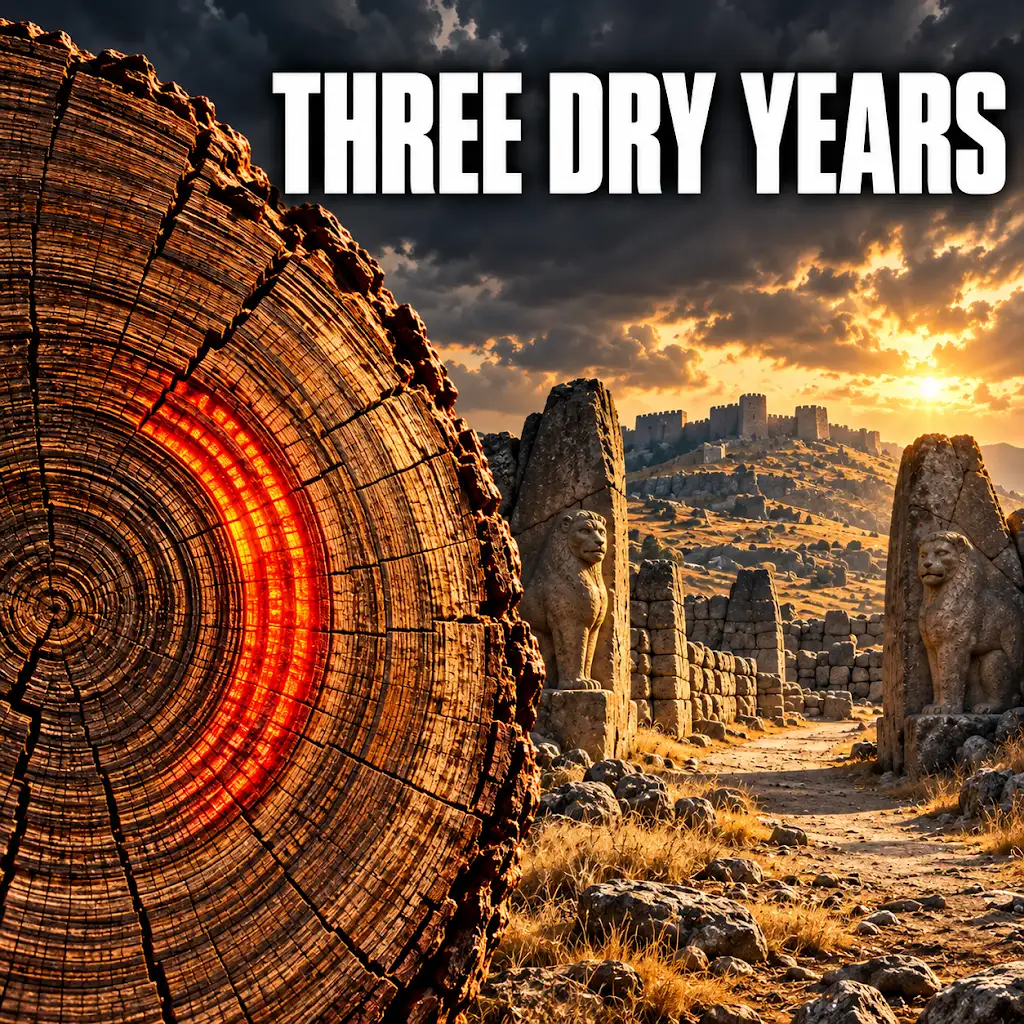
Trees, through their annual growth rings, provide a direct and highly accurate record of past climate. Each year, a tree produces a new ring of wood. The width of this ring is influenced by environmental factors, primarily rainfall and temperature. Wider rings generally indicate favorable growing conditions with ample water and suitable temperatures, while narrower rings suggest periods of drought or suboptimal temperatures.
Reconstructing Rainfall Patterns
Dendroclimatology excels at reconstructing past rainfall patterns. In arid and semi-arid regions, where water availability is a primary limiting factor for tree growth, ring width is a very sensitive indicator of precipitation. By cross-dating tree ring sequences from multiple trees, researchers can create long, continuous chronologies that extend back hundreds or even thousands of years. These chronologies can then be calibrated against modern instrumental rainfall records to develop robust models for estimating past precipitation. This allows archaeologists to identify periods of drought and flood that may have significantly impacted ancient settlements and agricultural practices.
Identifying Temperature Fluctuations
While rainfall is often the dominant factor, temperature also plays a role in tree growth. In higher latitudes or at higher elevations, temperature can be the primary driver of ring width. By analyzing isotopic ratios, such as carbon and oxygen, within tree rings, scientists can also gain insights into past temperature fluctuations. For instance, changes in the ratio of carbon isotopes (¹³C/¹²C) can reflect variations in stomatal conductance, which is influenced by both temperature and water availability, providing a more nuanced understanding of growing season conditions.
Archaeological climate methods have become increasingly important in understanding how past civilizations adapted to changing environmental conditions. For a deeper insight into the intersection of technology and environmental monitoring, you can explore the article on advancing cislunar space domain awareness technology, which discusses innovative approaches that could enhance our understanding of climate impacts on human history. To read more about this topic, visit this article.
Unearthing Environmental Evidence: Archaeological Site Analysis

Beyond analyzing natural archives, archaeologists meticulously examine the physical remains within human settlements to glean climatic information. The very way humans interacted with their environment, built their shelters, and cultivated their lands left behind tangible evidence of climatic conditions. This requires a careful and integrated approach, linking artifactual evidence with environmental indicators found at the site itself.
Soil Analysis: Indicators of Past Conditions
The soils at an archaeological site are a treasure trove of information about past environmental conditions. The composition, structure, and chemical properties of soil can reveal much about the climate under which it formed and how it was used by past populations.
Pedostratigraphy: Layering of Soil Development
Pedostratigraphy, the study of soil layers, helps in understanding the depositional and erosional processes that have occurred at a site. Different soil horizons develop under specific climatic regimes. For example, in wetter climates, soils might be deeper and richer in organic matter, while in drier climates, soils might be shallower and exhibit signs of salinization. The presence of specific soil types, such as vertisols (swelling clays formed in climates with distinct wet and dry seasons) or aridisols (soils formed in arid or semi-arid environments), directly points to past climatic conditions.
Geochemical Signatures: Tracing Environmental Changes
Geochemical analysis of soils can reveal the presence of specific elements or compounds that are indicative of past environmental conditions. For instance, the concentration of certain salts can indicate periods of prolonged drought and evaporation. The presence of charcoal fragments can not only signal human activity but also provide insights into the frequency and intensity of past wildfires, which are often linked to climatic factors like dryness and heat. Analysis of organic matter content can reveal past vegetation types and decomposition rates, which are influenced by moisture and temperature.
Faunal and Floral Remains: Dietary Clues to Climate
The animal bones and plant remains (seeds, charcoal, phytoliths) found at archaeological sites offer direct evidence of the resources available to past populations, which in turn are dictated by climate. The types of animals hunted and the plants cultivated or gathered are intimately tied to the prevailing environmental conditions.
Identifying Past Ecosystems
The presence of specific animal species can indicate the type of habitat that existed in the past. For example, the discovery of bones from cold-adapted mammals would suggest a cooler climate, while evidence of animals thriving in warmer, wetter environments would point to different conditions. Similarly, the identification of plant remains, such as carbonized seeds or wood fragments, can reveal the types of flora present. The relative abundance of certain plants can be a proxy for rainfall and temperature. For instance, an increase in drought-tolerant grasses might signal a drier period.
Reconstructing Subsistence Strategies
The faunal and floral assemblages also illuminate how past societies adapted their subsistence strategies to their climatic environment. A shift in diet towards more drought-resistant crops or animals that can survive in arid conditions would indicate a response to changing climate. Conversely, the reliance on water-intensive crops would suggest a period of ample rainfall. Understanding these adaptations provides crucial insights into the resilience and vulnerability of past human communities to climatic shifts.
Isotopes as Timeless Recorders: Unlocking Ancient Water and Food

Isotopic analysis is a powerful archaeological climate method that probes the fundamental building blocks of matter – atoms of the same element with different numbers of neutrons. The ratios of different isotopes in organic and inorganic materials can act as precise thermometers, revealing past temperatures and water sources, offering a highly detailed picture of ancient environments and the physiology of past organisms.
In exploring the intersection of archaeology and climate science, one can gain valuable insights into how ancient civilizations adapted to changing environmental conditions. For a deeper understanding of these archaeological climate methods, you might find it interesting to read a related article that discusses the implications of climate change on historical sites. This article highlights the importance of preserving our heritage in the face of environmental challenges, which is crucial for both archaeological research and cultural preservation. You can read more about it in this thought-provoking piece.
Oxygen Isotopes: A Thermometer of the Past
Oxygen isotopes, particularly the ratio of ¹⁸O to ¹⁶O, are a cornerstone of paleoclimate reconstruction. These ratios are incorporated into the shells of marine organisms, the skeletons of terrestrial animals, and even the water molecules of precipitation.
Marine Shells and Ice Cores: Global Climate Indicators
The oxygen isotope composition of marine shells, such as those of mollusks and foraminifera, reflects the temperature of the ocean water in which they formed. Similarly, oxygen isotopes in ice cores drilled from glaciers and ice sheets provide a high-resolution record of past atmospheric temperatures. As ice accumulates year after year, it traps atmospheric gases and water molecules, preserving their isotopic signature. A higher ¹⁸O/¹⁶O ratio generally indicates colder temperatures, while a lower ratio suggests warmer conditions. These global records provide a broader context for regional climate changes observed at archaeological sites.
Enamel Carbonate and Tooth/Bone Chemistry: Dietary and Water Source Reconstruction
In terrestrial archaeology, the oxygen isotope composition of animal and human tooth enamel and bone can reveal information about their diet and the water they consumed. Animals and humans incorporate oxygen from the water they drink and the food they eat into their calcified tissues. By analyzing the ¹⁸O/¹⁶O ratio in these tissues, researchers can infer the isotopic composition of local precipitation, which is directly linked to temperature. This can help in reconstructing past water sources and identifying migration patterns, as individuals or animals moving to different climatic regions would incorporate different isotopic signatures.
Carbon Isotopes: Tracing Plant Life and Diet
Carbon isotopes, specifically the ratio of ¹³C to ¹²C, offer insights into the types of plants consumed and the photosynthetic pathways they employed. This has direct implications for understanding past agricultural practices and the broader plant communities present in an environment.
Plant Photosynthesis and C3 vs. C4 Plants
Different types of plants utilize different photosynthetic pathways. C3 plants, common in temperate and wetter regions, discriminate more against ¹³C, resulting in lower ¹³C/¹²C ratios in their tissues. C4 plants, often found in warmer, drier climates and grasslands, are less discriminatory and thus have higher ¹³C/¹²C ratios. By analyzing the carbon isotope ratios in the bones and teeth of ancient humans and animals, researchers can determine whether their diet was predominantly composed of C3 or C4 plants, thereby inferring the types of vegetation available and the prevailing climatic conditions.
Drought Stress and Water Use Efficiency
Changes in carbon isotope ratios within plant tissues can also indicate drought stress. During periods of water scarcity, plants may close their stomata to conserve water, which can alter the way they take up carbon and lead to changes in their ¹³C/¹²C ratios. Analyzing these variations in fossil plant material or in the tissues of animals that consumed them can provide an indirect measure of past water availability and the impact of drought on vegetation.
Beyond Static Pictures: Modeling and Simulating Past Climates
While proxy data provides snapshots of past climatic conditions, archaeological climate methods are increasingly moving towards dynamic reconstructions through the use of sophisticated modeling and simulation techniques. These methods allow researchers to go beyond simply identifying past climate states and instead explore the processes and feedback loops that governed these changes, offering a more comprehensive and predictive understanding.
Climate Reconstruction Models: Synthesizing Proxy Data
Climate reconstruction models are sophisticated computational tools that integrate diverse proxy data to generate spatially and temporally resolved maps of past climate. These models utilize statistical algorithms and physical principles to interpolate and extrapolate from the available proxy records, filling in gaps and creating a more continuous picture of climate change.
Statistical Approaches: Bayesian Models and Ensemble Modeling
Various statistical approaches are employed in climate reconstruction. Bayesian models, for instance, allow researchers to incorporate prior knowledge and uncertainties associated with proxy data to produce probabilistic estimates of past climate variables. Ensemble modeling, where multiple climate models are run with slightly different initial conditions or parameterizations, helps in assessing the range of possible climate scenarios and the robustness of the reconstructions. These models can then be used to analyze the frequency, magnitude, and duration of past climatic events like droughts or periods of extreme heat.
Integrating Multiple Proxy Types
A key strength of these models lies in their ability to integrate multiple types of proxy data simultaneously. By combining information from tree rings, ice cores, sediment cores, and isotopic analyses, researchers can create more robust and reliable reconstructions. This cross-validation helps to identify and mitigate biases inherent in individual proxy records, leading to a more accurate representation of past climate.
Environmental Simulation and Predictive Modeling: Understanding Impacts
Once past climate conditions are reconstructed, environmental simulation and predictive modeling can be used to explore the potential impacts of these climates on human societies and ecosystems. These models allow researchers to ask “what if” questions and to test hypotheses about how climate shaped human behavior, resource availability, and even societal collapse.
Agent-Based Modeling: Simulating Human Behavior
Agent-based models can simulate the behavior of individual agents (e.g., farmers, herders, migrants) within a given environment, based on rules derived from archaeological and ethnographic data. By introducing simulated climate change scenarios into these models, researchers can observe how human populations might have responded, such as altering agricultural practices, migrating, or engaging in conflict over dwindling resources. This provides a dynamic perspective on the human-climate interface.
Ecosystem Modeling: Assessing Resource Availability
Ecosystem models can predict how changes in temperature, precipitation, and atmospheric CO2 levels might have affected the productivity of terrestrial and aquatic ecosystems. This allows archaeologists to estimate past resource availability – the amount of arable land, the abundance of game animals, or the yield of wild plants. Understanding these dynamics is crucial for explaining patterns of settlement, population density, and the development of agricultural societies. By simulating these interactions, archaeologists can gain a deeper appreciation for the complex interplay between climate, environment, and human culture throughout prehistory and history.
Your 401(k) Withdrawal Can Make More of Your Social Security Taxable
FAQs
What is the purpose of using archaeological climate methods?
Archaeological climate methods are used to study past climates and environmental conditions in order to understand how they influenced human societies and cultures throughout history.
What are some common archaeological climate methods used by researchers?
Common archaeological climate methods include analyzing pollen records, studying tree rings, examining ice cores, and conducting sediment analysis to reconstruct past climate conditions.
How do researchers use pollen records in archaeological climate studies?
Researchers use pollen records found in sediment cores to identify the types of plants that were present in a specific region during different time periods, providing insights into past climate and environmental changes.
What information can be gathered from studying tree rings in archaeological climate research?
Studying tree rings, also known as dendrochronology, can provide information about past climate conditions such as temperature, precipitation, and drought patterns, as well as help in dating archaeological sites and artifacts.
Why is it important to use multiple archaeological climate methods in research?
Using multiple archaeological climate methods allows researchers to cross-validate their findings and create a more comprehensive understanding of past climate conditions, environmental changes, and their impact on human societies over time.