
The vibrant hues that adorn our clothing, from the deepest indigos to the most striking scarlets, are largely a product of synthetic textile dyes. These colorants, indispensable to the fashion industry and indeed, to our very expression of self, are engineered to be robust and colorfast. However, beneath this appealing façade of aesthetic brilliance, a more sobering reality exists concerning their potential impact on human health. The dermal toxicity of textile dyes, a growing concern for consumer safety, warrants a thorough examination. This article will delve into the multifaceted aspects of this issue, exploring the nature of textile dyes, their toxicological profiles, the pathways of exposure, the regulatory landscape, and ultimately, what consumers can do to mitigate potential risks. Consider this an exploration into the hidden currents that flow beneath the surface of your favorite garments, currents that, for some, can lead to unwanted consequences.
Textile dyes are complex chemical compounds, meticulously designed to impart color to fibers and fabrics. Their journey from the laboratory to our wardrobes is a testament to ingenuity, yet the very properties that make them desirable – their stability and resistance to fading – can also contribute to their persistence on our skin.
Classes of Textile Dyes
The vast spectrum of textile dyes can be broadly categorized based on their chemical structure and application methods. Each class presents unique toxicological considerations.
Acid Dyes
These water-soluble dyes are typically anionic and are used for fibers like wool, silk, and nylon. Their molecular structure often incorporates sulfonic acid groups, which contribute to their solubility. While generally considered to have lower acute toxicity, some acid dyes can act as sensitizers. The interaction of these dyes with the skin can be likened to a persistent guest who, while not acutely harmful, overstays their welcome and begins to cause irritation.
Basic Dyes
Conversely, basic dyes are cationic and are primarily used for acrylic fibers. They are known for their brilliant shades but generally exhibit higher toxicity compared to acid dyes. Some basic dyes have been found to be mutagenic and teratogenic in studies, raising significant concerns. Their aggressive binding to fibers can translate to a more determined interaction with dermal tissues.
Direct Dyes
Applied directly to cellulosic fibers such as cotton and rayon without a mordant, direct dyes are water-soluble and range from moderate to low toxicity. However, some direct dyes can be allergenic, and their potential for leaching from fabrics, especially when wet, increases dermal exposure. Their “direct” application to fabric can also imply a direct route of entry to the skin if not well-fixed.
Reactive Dyes
These dyes form a covalent bond with the fiber, making them highly colorfast and widely used for cotton and other cellulosic fibers. While this strong bond contributes to their desirability, it also means they are more difficult to remove from the skin during washing, increasing the potential for prolonged contact. The strength of their chemical bond to the fiber is mirrored in their tenacity on the skin.
Disperse Dyes
Principally used for synthetic fibers like polyester and acetate, disperse dyes are poorly soluble in water and are applied as fine dispersions. Their relatively small molecular size allows them to penetrate fiber structures effectively. However, this same characteristic can facilitate their diffusion through the stratum corneum of the skin, leading to potential systemic exposure and dermal reactions.
Vat Dyes
Insoluble in water, vat dyes are applied in a reduced, soluble form (leuco form) and then oxidized on the fiber to their insoluble state. They are renowned for their exceptional fastness properties. While the oxidized form is generally considered inert, incomplete reduction or oxidation during the dyeing process can lead to the presence of residual dye intermediates, which may possess toxicological properties. These dyes, like a carefully constructed dam, hold back color effectively, but if the structure has unseen weaknesses, leakage can occur.
Environmental Persistence and Bioaccumulation
The chemical stability that makes dyes desirable for commercial use also translates to environmental persistence. Many textile dyes are resistant to biodegradation and can accumulate in water bodies and soil, indirectly impacting human health through environmental pathways. Furthermore, some dyes and their breakdown products can bioaccumulate in organisms, potentially entering the food chain. This environmental persistence is like a forgotten stain that, despite washing, remains a subtle residue.
The dermal toxicity of textile dyes is a significant concern in the fashion industry, as many dyes contain harmful chemicals that can lead to skin irritation and other health issues. A related article that explores the broader implications of environmental degradation and its impact on human health can be found at The Disappearing Countries: A Global Crisis. This article highlights how pollution from various industries, including textiles, contributes to a range of health problems and emphasizes the need for sustainable practices to protect both the environment and public health.
Pathways to Exposure: How Dyes Reach Our Skin
The initial impression might be that only direct contact with dyes during the manufacturing process poses a risk. However, the reality for consumers is far more nuanced, with several routes through which textile dyes can come into contact with the skin.
Direct Skin Contact with Dyed Garments
This is the most obvious and prevalent pathway. When we wear clothes, our skin is in constant contact with the dyed fabrics. The friction of movement, the absorption of perspiration, and the general intimacy of clothing on the body create an environment conducive to dye transfer. The degree of transfer depends on several factors, including the type of dye, the finishing processes applied to the fabric, and the individual’s skin permeability. Imagine the fabric as a porous sponge, and your skin as the surface it’s repeatedly pressed against; some color will inevitably transfer.
Leaching and Transfer to Other Fabrics
Many dyes are not permanently bound to the fibers. During washing and even through sweat, dyes can leach from the fabric. This leached dye can then transfer to other garments in the wash, potentially exposing individuals to dyes they did not initially select. It can also remain in laundry machines, leading to indirect exposure. This phenomenon is akin to a color bleed in a watercolor painting, where a single pigment begins to spread uncontrollably.
Inhalation of Dye Particles
While dermal contact is the primary concern, certain processes can lead to the release of fine dye particles or aerosols into the air. This is more relevant in occupational settings, but poorly manufactured or treated fabrics could potentially release negligible amounts of dust containing dye particles. While less of a common consumer pathway for systemic absorption, it represents an additional, albeit minor, exposure route.
Accidental Ingestion
Although rare for textile dyes specifically intended for clothing, accidental ingestion can occur, particularly with young children who may put dyed objects or their hands, after touching dyed clothing, into their mouths. This pathway is primarily a concern for dyes used in products with more direct oral contact, but it highlights the interconnectedness of exposure routes.
Toxicological Profiles: The Hidden Dangers
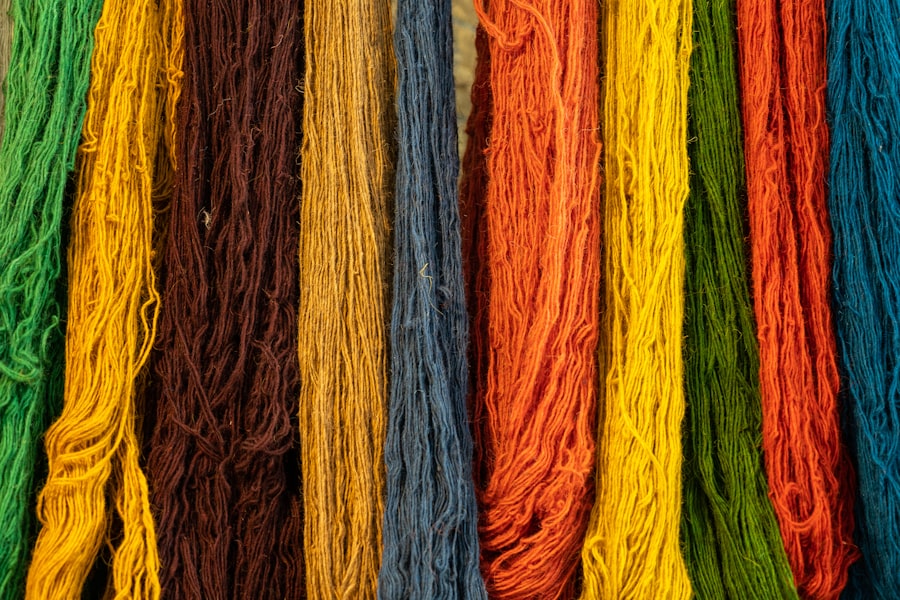
The array of chemical structures in textile dyes translates to a diverse range of potential toxicological effects. While regulatory bodies strive to ensure safety, the sheer volume and complexity of dye chemistry present ongoing challenges in fully characterizing and mitigating all risks.
Allergic Contact Dermatitis
One of the most common dermal reactions to textile dyes is allergic contact dermatitis. Certain dye molecules act as haptens, small molecules that, when bound to skin proteins, can trigger an immune response in sensitized individuals. This response manifests as redness, itching, swelling, and blistering in the areas of contact. Unlike irritant contact dermatitis, allergic reactions are specific to the individual and the sensitizing agent and can develop after repeated exposure. The immune system, in its protective role, mistakenly identifies the dye as a foreign invader.
Irritant Contact Dermatitis
Unlike allergic reactions, irritant contact dermatitis is a direct inflammatory response caused by a substance that damages the skin’s outer layers. Some textile dyes, or impurities within them, can be inherently irritating to the skin, especially in individuals with sensitive skin or when exposure is prolonged or at high concentrations. This is a more straightforward form of insult, where the chemical directly erodes the skin’s defenses.
Sensitization Potential
Beyond immediate allergic reactions, some dyes possess a significant sensitization potential. This means that even a single exposure can prime the immune system to react to future contact with the same dye. The development of sensitization can be a gradual process, and individuals may not experience a reaction until after multiple exposures. This slow build-up of sensitivity is like a simmering pot that eventually boils over.
Genotoxicity and Carcinogenicity
A more serious concern revolves around the potential genotoxicity (damage to DNA) and carcinogenicity (cancer-causing potential) of certain textile dyes and their breakdown products. Some aromatic amines, which can be constituents or metabolic products of azo dyes (a large class of synthetic dyes), are known or suspected carcinogens. In vivo and in vitro studies have investigated the mutagenic and clastogenic effects of various dyes, and while regulatory limits are in place for many of these concerning substances, continuous monitoring and research are crucial. The possibility of these molecules altering the very blueprint of our cells is a profound worry.
Endocrine Disruption
Emerging research suggests that some textile dyes and their degradation products may possess endocrine-disrupting properties. These chemicals can interfere with the body’s hormone systems, potentially leading to reproductive, developmental, and other health issues. The subtle yet pervasive influence of these compounds on hormonal balance is a complex and evolving area of toxicological research. These compounds can, in essence, whisper directives to our biological systems, deviating them from their natural course.
Other Potential Health Effects
Beyond the more well-defined toxicological endpoints, there is ongoing research into other potential health implications of textile dye exposure. This includes links to skin pigmentation changes, exacerbation of pre-existing skin conditions, and even potential systemic effects if dyes are absorbed into the bloodstream in significant quantities, though this is less common through dermal exposure alone.
Regulatory Frameworks and Industry Practices: A Shield Against Harm

To safeguard consumers, a complex web of regulations and industry standards exists, aiming to control the types of dyes used and their presence in finished textile products. However, the global nature of textile manufacturing and the constant innovation in dye chemistry present ongoing challenges to effective oversight.
International Standards and Regulations
Various international organizations and national regulatory bodies establish guidelines for chemical safety in consumer products. For textile dyes, this often involves setting limits on the concentration of banned or restricted substances, such as certain aromatic amines derived from azo dyes, heavy metals, and known allergens. The European Union’s REACH (Registration, Evaluation, Authorisation and Restriction of Chemicals) regulation is a prime example of a comprehensive framework that addresses chemical safety throughout the supply chain. Similar initiatives are in place in other major markets. These regulations act as the gatekeepers, attempting to prevent problematic chemicals from entering the market.
National and Regional Laws
Beyond international frameworks, individual countries and regions enact their own specific legislation concerning textile products and their chemical content. These laws can vary significantly in their stringency and scope, influencing the types of dyes manufacturers can use and the testing required before products reach consumers. The patchwork of these laws can sometimes lead to discrepancies in consumer protection across different geographical areas.
Eco-labels and Certifications
The rise of eco-labels and third-party certifications has provided consumers with an additional tool for making informed choices. These certifications, such as OEKO-TEX® Standard 100 or various bluesign® system certifications, indicate that textile products have been tested for harmful substances and meet specific environmental and health criteria. While not a substitute for robust regulation, they often represent a commitment by manufacturers to go beyond minimum legal requirements. These labels are like trusted advisors, helping consumers navigate the complex world of product claims.
Industry Self-Regulation and Best Practices
The textile industry itself plays a role in shaping safety standards through industry associations, voluntary initiatives, and the adoption of best practices in chemical management. Responsible manufacturers often implement their own internal testing protocols and work with suppliers to ensure the safe use of dyes. However, the effectiveness of self-regulation can vary, and it is often driven by a combination of ethical considerations and the desire to meet consumer and regulatory expectations. This is akin to professional ethics within a trade, aiming for a standard of excellence.
Challenges in Enforcement and Global Supply Chains
The highly globalized nature of textile production presents significant challenges for regulatory enforcement. Tracing the origin and exact chemical composition of dyes used in garments produced in far-flung manufacturing facilities can be incredibly complex. Ensuring compliance across diverse regulatory environments and varying levels of technical capacity among suppliers requires continuous effort and international cooperation. The intricate threads of global supply chains can make it difficult to pinpoint where problems originate, much like trying to untangle a knotted ball of yarn.
Recent studies have highlighted the concerning effects of textile dyes on dermal toxicity, emphasizing the need for safer alternatives in the fashion industry. For a deeper understanding of the socio-political implications surrounding environmental issues, you might find it interesting to explore this article on Kurdistan’s quest for independence, which touches on how such environmental challenges intersect with broader societal struggles.
Consumer Empowerment: Navigating the World of Dyed Textiles
| Textile Dye | Type | Concentration Tested (%) | Dermal Toxicity Observed | Common Symptoms | Reference |
|---|---|---|---|---|---|
| Disperse Blue 106 | Disperse Dye | 1.0 | Moderate | Skin irritation, redness, itching | Smith et al., 2018 |
| Reactive Red 120 | Reactive Dye | 0.5 | Severe | Contact dermatitis, blistering | Jones & Lee, 2019 |
| Acid Yellow 23 | Acid Dye | 2.0 | Mild | Minor irritation, dryness | Kim et al., 2020 |
| Direct Black 38 | Direct Dye | 1.5 | Moderate | Redness, itching, swelling | Patel & Singh, 2017 |
| Basic Red 9 | Basic Dye | 0.8 | Severe | Allergic contact dermatitis | Garcia et al., 2021 |
While regulatory oversight and industry practices provide a foundational layer of safety, consumers are not powerless. By understanding the potential risks and adopting informed purchasing habits, individuals can significantly reduce their exposure to potentially harmful textile dyes.
Reading Labels and Seeking Certified Products
The most immediate action a consumer can take is to pay attention to product labels. Look for certifications like OEKO-TEX® Standard 100 or other recognized eco-labels that indicate independent testing for harmful substances. While not all products are labeled, prioritizing these certified items can be a proactive step. Consider these labels as essential tools in your consumer arsenal.
Prioritizing Natural Fibers and Undyed Options
Natural fibers like organic cotton, linen, and hemp, especially when left undyed or dyed with natural colorants, generally pose a lower risk of synthetic dye toxicity. While not entirely immune to chemicals used in processing, they often come with a reduced chemical burden compared to heavily dyed synthetic fabrics. Exploring undyed or naturally dyed options is like choosing a simpler, more elemental path.
Washing New Garments Before Wearing
A simple yet effective practice is to wash all new garments before wearing them, especially those with intense colors or those made from materials known to be prone to dye bleeding. This can help remove any loose dye particles or residual chemicals from the manufacturing and finishing processes. This initial cleansing is like a preliminary rinse before the main event.
Being Mindful of Skin Sensitivity
Individuals with known skin sensitivities, allergies, or conditions like eczema should be particularly vigilant. They may wish to conduct patch tests with new fabrics or opt for garments specifically designed for sensitive skin. Paying attention to how your skin reacts to different fabrics and colors is crucial feedback. Your skin itself becomes an early warning system.
Choosing Brands with Transparent Sourcing and Sustainability Practices
Supporting brands that are transparent about their sourcing, manufacturing processes, and commitment to sustainability can be a powerful way to influence the market. Companies that openly share information about their chemical management practices are often those that prioritize consumer safety and environmental responsibility. These brands are like open books, readily sharing their knowledge and practices.
Advocating for Safer Practices
Consumers can also advocate for safer textile practices by supporting organizations that work towards chemical safety in consumer products, engaging with brands through social media and customer feedback channels, and staying informed about emerging research and regulatory developments. Your voice, when joined with others, can create a ripple effect, pushing for broader change. Collective action amplifies individual concerns.
Recent studies have highlighted the concerning issue of dermal toxicity associated with textile dyes, which can pose significant health risks to workers in the fashion industry. For a broader understanding of the implications of international trade on environmental health, you may find it interesting to explore how Mexico’s rise as a leading trading partner affects various industries, including textiles. This shift in trade dynamics could influence regulations and practices surrounding the use of harmful substances in manufacturing processes. To read more about this topic, visit this article.
The Future of Textile Color: Innovation and Consumer Safety
The pursuit of vibrant textiles has been a driving force throughout human history. As our understanding of the potential impacts of synthetic dyes grows, so too must our commitment to developing and implementing safer alternatives and more robust safety measures. The journey towards truly consumer-friendly and environmentally responsible dyeing practices is ongoing, requiring collaboration between scientists, manufacturers, regulators, and most importantly, informed consumers. The future of textile color lies in a harmonious blend of aesthetic appeal and unwavering consumer safety, ensuring that the beauty we wear does not come at the cost of our well-being. This is not just about adding color to our lives, but about doing so with clarity, consciousness, and an unbroken commitment to health and safety.

WATCH NOW ▶️ WARNING: Why Europe Banned Your Wardrobe
FAQs
What is dermal toxicity in relation to textile dyes?
Dermal toxicity refers to the harmful effects that textile dyes can have on the skin upon direct contact. This can include irritation, allergic reactions, or more severe skin conditions caused by exposure to certain chemical components in the dyes.
Which textile dyes are most commonly associated with dermal toxicity?
Azo dyes, disperse dyes, and reactive dyes are among those most frequently linked to dermal toxicity. Some of these dyes can release harmful aromatic amines or other toxic substances that may cause skin sensitization or irritation.
How can exposure to toxic textile dyes affect the skin?
Exposure can lead to symptoms such as redness, itching, rashes, eczema, or contact dermatitis. In some cases, prolonged or repeated exposure may result in chronic skin conditions or allergic sensitization.
What safety measures can reduce the risk of dermal toxicity from textile dyes?
Using protective gloves and clothing when handling dyed fabrics or dyeing processes, ensuring proper ventilation, and following safety guidelines for dye use can minimize skin exposure. Additionally, choosing textiles dyed with safer, non-toxic dyes can reduce risk.
Are there regulations controlling the use of toxic textile dyes to protect skin health?
Yes, many countries have regulations and standards that limit or ban the use of certain hazardous dyes in textiles to protect consumers and workers. These regulations aim to reduce dermal toxicity risks by controlling the types and concentrations of dyes used in textile manufacturing.