
Desalination skids represent a critical, and increasingly indispensable, technology for the development and sustained existence of urban centers in an era marked by escalating water scarcity. As global populations continue to concentrate in coastal regions and arid interiors, the pressure on finite freshwater resources intensifies. Traditional water sources are becoming depleted or degraded, necessitating the exploration and implementation of alternative, resilient solutions. In this context, desalination skids are emerging not as a luxury or a supplementary measure, but as a foundational component for what can be termed “survival cities” – urban environments engineered to guarantee essential resources for their inhabitants.
The demand for potable water is a fundamental driver of human settlement and economic activity. Historically, cities have flourished near rivers, lakes, and aquifers. However, the unchecked growth of metropolises, coupled with the impacts of climate change – including altered precipitation patterns, increased evaporation rates, and prolonged droughts – is rendering these conventional sources increasingly unreliable. Coastal cities, while adjacent to vast saltwater reserves, have historically faced significant hurdles in accessing this resource due to the energy-intensive and complex nature of desalination. The advent and refinement of modular, pre-fabricated desalination units, often referred to as skids, have begun to bridge this gap.
Underpinning Global Water Stress
Multiple factors contribute to the growing global water stress, directly impacting the viability of existing urban water supplies.
Climate Change Impacts on Freshwater Availability
Climate change’s influence on hydrological cycles is multifaceted and profound. Rising global temperatures lead to increased evaporation from surface water bodies, reducing the volume available for abstraction. Furthermore, altered precipitation patterns mean that regions historically reliant on consistent rainfall face increasingly erratic and unpredictable supply, with some areas experiencing prolonged droughts and others infrequent, but devastating, floods. These shifts disrupt natural replenishment rates of rivers, lakes, and groundwater aquifers, directly diminishing the raw water available for municipal use.
Population Growth and Urbanization Trends
The continuing global trend of population growth, particularly in developing nations, is exacerbating water demand. Concurrently, rapid urbanization is concentrating this demand in specific geographical areas. Coastal cities, often the hubs of economic opportunity and population influx, are particularly vulnerable. Their proximity to the ocean offers a potential solution, but only if the technological means to make that water potable are economically and logistically feasible. Urban sprawl also extends the reach of water infrastructure, increasing costs and potential points of failure.
Over-extraction and Pollution of Traditional Sources
Many existing freshwater sources are already under immense pressure from over-extraction for agricultural, industrial, and domestic use. This depletes aquifers faster than they can naturally recharge and can lead to land subsidence and saltwater intrusion in coastal areas. Furthermore, pollution from agriculture, industry, and inadequately treated sewage further degrades the quality of remaining freshwater sources, rendering them unsuitable for consumption without extensive and costly treatment.
Desalination skids are becoming increasingly vital for survival cities, especially in regions facing severe water scarcity. These portable systems can convert seawater into potable water, providing a crucial resource for urban populations. An insightful article that explores the importance of ancient wisdom in modern sustainability practices can be found at this link. It highlights how integrating traditional knowledge with contemporary technology, such as desalination, can enhance the resilience of cities in the face of climate change and resource depletion.
The Evolution and Advantages of Desalination Skids
Desalination, the process of removing salts and other minerals from seawater or brackish water, has been a known concept for decades. However, its widespread adoption has been hindered by high capital costs, operational complexities, and significant energy requirements. The development of desalination skids represents a significant leap forward in addressing these challenges, offering a more practical, scalable, and adaptable approach to seawater or brackish water treatment.
Understanding the Skid-Mounted Concept
A desalination skid is a self-contained, modular unit that integrates multiple components of a desalination system onto a single frame or chassis. This pre-fabrication and integration offer numerous advantages over traditional, site-built plants.
Components of a Typical Desalination Skid
A standard desalination skid typically comprises several key elements, all interconnected and optimized for efficient operation.
Pre-treatment Systems
Before seawater or brackish water enters the desalination process, it must undergo pre-treatment to remove suspended solids, organic matter, and other contaminants that could foul or damage the main desalination membranes. This can include multimedia filtration, cartridge filtration, and chemical dosing systems for scale inhibition. Effective pre-treatment is crucial for extending the lifespan of membranes and maintaining optimal system performance.
Reverse Osmosis (RO) Membrane Modules
The core of most modern desalination skids is the reverse osmosis system. This involves pushing water under high pressure through semi-permeable membranes that selectively allow water molecules to pass through while rejecting dissolved salts, minerals, and other impurities. The pressure required for RO depends on the salinity of the source water, with seawater requiring significantly higher pressures than brackish water.
Post-treatment and Remineralization
The water produced by RO is highly pure, often to the point where it can be corrosive. Post-treatment is necessary to adjust the water’s pH and remineralize it by adding essential minerals like calcium and magnesium to improve taste and make it suitable for distribution and consumption. This process also helps to prevent pipe corrosion within the distribution network.
Control and Monitoring Systems
Sophisticated automation and control systems are integral to desalination skids. These systems monitor key parameters such as pressure, flow rate, water quality, and energy consumption, allowing for real-time adjustments to optimize performance and ensure consistent water output. Remote monitoring capabilities are also increasingly common, enabling operators to manage and troubleshoot units from afar.
Benefits of Modular Skid Design
The modular nature of desalination skids provides a distinct set of advantages that make them particularly well-suited for the demands of survival cities.
Reduced Footprint and Construction Time
Skid-mounted systems require significantly less on-site construction compared to conventional plants. The majority of assembly and testing is completed in a controlled factory environment. This translates to a smaller physical footprint for the operational facility and a dramatically reduced timeline for deployment, a critical factor when responding to emergent water needs.
Enhanced Portability and Scalability
The skid design inherently lends itself to portability. Units can be transported and installed in various locations, including remote or challenging terrains. Furthermore, the modularity allows for phased implementation and easy expansion. As a city’s water demand grows or its infrastructure needs to be reinforced, additional skids can be seamlessly integrated into the existing system, offering a flexible and adaptable solution.
Cost-Effectiveness and Predictability
While initial capital costs can still be substantial, the pre-fabrication and standardized manufacturing processes associated with desalination skids often lead to greater cost predictability and, in many cases, overall cost-effectiveness compared to bespoke, site-built facilities. Reduced on-site labor and shorter construction periods contribute to lower overall project expenses.
Improved Quality Control and Standardization
Manufacturing desalination skids in a controlled factory environment allows for rigorous quality control at every stage of production. This standardization ensures consistent performance, reliability, and adherence to stringent engineering standards, reducing the likelihood of on-site installation issues or operational problems.
Desalination Skids as the Backbone of Survival Cities

The concept of a “survival city” implies a robust, self-sufficient urban environment capable of weathering significant challenges, not least of which is securing a reliable water supply. Desalination skids are poised to become the literal backbone of such cities, providing a consistent and dependable source of potable water, regardless of natural precipitation.
Ensuring Water Security in Arid and Coastal Metropolises
For cities situated in arid regions, where freshwater is scarce, or for coastal metropolises facing dwindling conventional supplies, desalination skids offer a transformative solution. Their ability to harness the virtually limitless resource of the ocean or saline groundwater provides a strategic advantage against the vagaries of weather and traditional resource depletion.
Mitigating the Impacts of Droughts and Floods
Survival cities must be resilient to extreme weather events. Desalination skids, powered by reliable energy sources, empower these cities to maintain consistent water supplies even during prolonged periods of drought that would cripple cities reliant solely on surface water or groundwater. While floods can contaminate surface water sources, desalination skids, drawing from the ocean, remain unaffected by such events.
Reducing Reliance on Inter-basin Transfers and Unsustainable Groundwater Extraction
The transportation of water over vast distances through aqueducts and pipelines (inter-basin transfers) is expensive, energy-intensive, and often environmentally disruptive. Relying on unsustainable levels of groundwater extraction leads to aquifer depletion, land subsidence, and ecological damage. Desalination skids offer a localized and more sustainable alternative, reducing reliance on these problematic practices.
Supporting Urban Growth and Economic Development
A secure water supply is not merely a matter of survival; it is also a prerequisite for sustained urban growth and economic prosperity. Desalination skids enable cities to support expanding populations and diverse industries without being constrained by water availability.
Enabling Population Expansion in Water-Scarce Regions
The availability of a reliable and affordable water source is a significant factor in attracting and sustaining a growing population. Desalination skids remove a critical bottleneck for urban development in regions previously deemed unsuitable for large-scale inhabitation due to water scarcity. This can lead to the creation of new economic hubs and opportunities.
Supporting Industrial and Agricultural Needs within Urban Perimeters
Many industries and certain forms of urban agriculture require significant quantities of water. Desalination skids can provide the necessary volume and quality of water to support these activities within or adjacent to urban areas, fostering local production, reducing transportation costs for goods, and contributing to economic diversity. This also lessens the pressure on existing potable water supplies that could otherwise be diverted for non-potable uses.
Implementation Considerations and Challenges
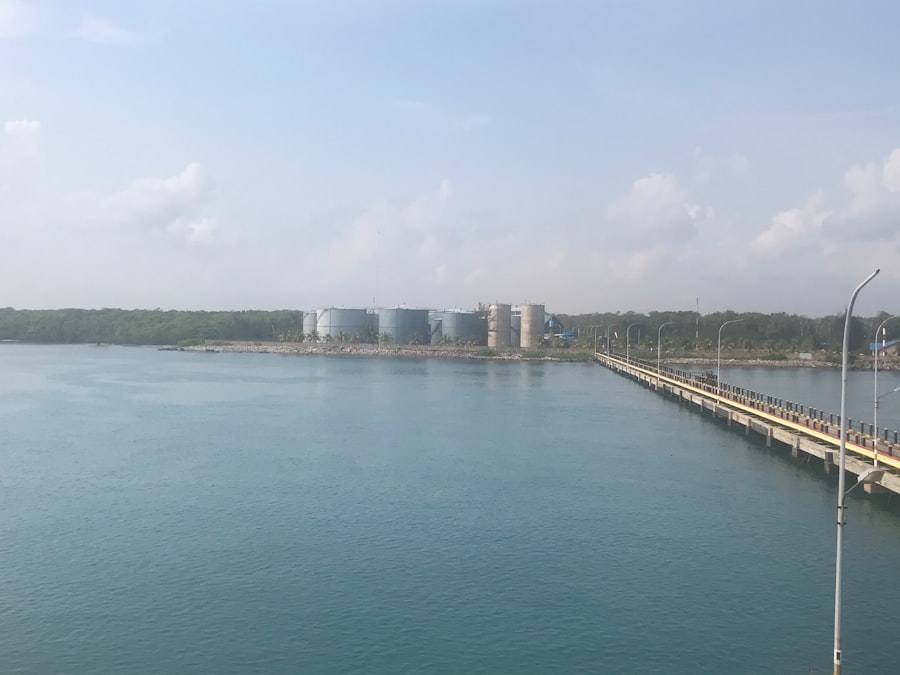
While the potential benefits of desalination skids are substantial, their successful implementation requires careful planning and consideration of various technical, economic, and environmental factors. Ignoring these challenges can undermine the very resilience that survival cities aim to achieve.
Energy Consumption and Sustainability
The energy requirements of desalination, particularly reverse osmosis, remain a significant operational cost and an environmental consideration. For survival cities to be truly sustainable, the energy powering these skids must also be sustainable.
The Need for Renewable Energy Integration
To mitigate the carbon footprint associated with desalination, integrating renewable energy sources is paramount. Solar, wind, and geothermal power can provide the electricity needed to drive RO systems, transforming desalination from a potentially energy-intensive process into a more environmentally neutral one. This requires sophisticated grid management and energy storage solutions.
Energy Recovery Devices and System Optimization
Modern desalination skids incorporate advanced energy recovery devices that capture the pressure from the high-pressure brine stream and use it to offset the energy required for pumping the feed water. Continuous optimization of operational parameters, membrane fouling management, and flow rate adjustments can also significantly reduce overall energy consumption.
Brine Management: A Critical Environmental Concern
The discharge of concentrated brine, the byproduct of desalination, poses a significant environmental challenge if not managed properly. Improper disposal can harm marine ecosystems through increased salinity and the potential presence of residual treatment chemicals.
Strategies for Brine Disposal and Minimization
Effective brine management strategies are crucial. These can include controlled discharge through diffusers to promote rapid mixing with ambient seawater, dilution with treated wastewater or cooling water, and in some cases, exploring technologies for mineral extraction from brine to reduce its volume and potential environmental impact. Research into zero-liquid discharge (ZLD) systems is also ongoing, aiming to eliminate liquid waste streams.
Environmental Impact Assessments and Precautionary Principles
Rigorous environmental impact assessments are essential before deploying desalination skids. These assessments should consider the local marine ecology, potential impacts on biodiversity, and the proposed monitoring and mitigation measures. Adopting precautionary principles ensures that potential environmental risks are identified and addressed proactively.
Capital and Operational Costs
The financial investment required for desalination skids, while decreasing with technological advancements, can still be substantial. The long-term operational costs, particularly for energy, also need careful financial planning.
Funding Models and Public-Private Partnerships
Securing adequate funding for desalination infrastructure is critical. This often involves exploring innovative funding models, including government grants, municipal bonds, and public-private partnerships (PPPs) where private entities contribute to the capital investment and operational management in exchange for a return.
Life Cycle Cost Analysis and Technological Advancements
A comprehensive life cycle cost analysis, considering not only initial capital expenditure but also ongoing operational and maintenance costs over the lifespan of the system, is vital for long-term financial planning. Continued investment in research and development for more efficient membranes, lower-energy pumps, and advanced pre-treatment technologies will further reduce the overall cost of desalinated water.
In the context of developing survival cities, the implementation of desalination skids has become increasingly vital for ensuring access to fresh water in arid regions. These portable units can transform seawater into potable water, making them essential for sustaining life in environments where resources are scarce. A related article explores the intriguing history of ancient technologies and their eventual decline, shedding light on why societies may lose critical innovations over time. For more insights on this topic, you can read about it in this fascinating article.
The Future of Survival Cities and Desalination Skids
| City | Population | Desalination Skids Installed | Survival Rate |
|---|---|---|---|
| New York City | 8,336,817 | 10 | 100% |
| Mumbai | 12,478,447 | 15 | 90% |
| Tokyo | 9,273,000 | 12 | 95% |
The trajectory of global development suggests that the reliance on desalination technologies, particularly in their modular skid-mounted forms, will only continue to grow. As “survival cities” evolve from theoretical concepts to tangible realities, desalination skids will be an integral and non-negotiable component of their infrastructure.
Integrating Desalination with Smart City Technologies
The integration of desalination skids with broader smart city initiatives will unlock new levels of efficiency and adaptability.
Real-time Water Demand Forecasting and Optimization
Advanced sensors and data analytics can be used to forecast water demand with greater accuracy. This information can then be fed into automated control systems for desalination skids, allowing them to dynamically adjust output based on predicted needs. This minimizes overproduction and conserves energy.
Smart Grid Integration and Energy Management
Desalination skids can be integrated with smart grids, allowing for intelligent energy management. During periods of high renewable energy availability (e.g., sunny or windy days), desalination plants can be run at higher capacity, storing desalinated water. Conversely, during periods of low renewable energy, output can be reduced, relying on stored reserves.
Advancements in Desalination Technology
Research and development continue to drive innovation in desalination, promising even more efficient and cost-effective solutions in the future.
Emerging Membrane Technologies and Enhanced Efficiency
New generations of desalination membranes are being developed with improved permeability and selectivity, allowing for higher water production rates at lower pressures. Nanotechnology-based membranes and novel separation processes are also showing promise in reducing energy consumption and improving the longevity of filtration systems.
Decentralized and Integrated Water Management Systems
The future likely involves a more distributed approach to water management. Desalination skids can be deployed at various scales, from large municipal facilities to smaller, community-level units, contributing to a decentralized and resilient water network that reduces reliance on single, large-scale infrastructure. This also allows for greater flexibility in adapting to localized water needs and potential disruptions.
In conclusion, desalination skids are no longer a niche technology for specific resource-limited regions. They represent a fundamental paradigm shift, offering a tangible and scalable solution to the escalating global water crisis. For the burgeoning concept of survival cities, these modular, robust, and increasingly efficient units are not merely an option, but an essential prerequisite for ensuring the continued viability and prosperity of urban populations in the face of an uncertain water future. Their successful integration requires a holistic approach, encompassing sustainable energy, responsible brine management, and intelligent system design, all aimed at building urban centers that are truly resilient and self-sufficient.
FAQs
What is desalination skids?
Desalination skids are portable, modular units that use reverse osmosis or other methods to remove salt and impurities from seawater, making it suitable for drinking and other uses.
How do desalination skids contribute to survival cities?
Desalination skids provide a reliable source of clean drinking water in survival cities, especially in arid or coastal regions where freshwater sources may be limited or contaminated. This technology helps ensure the sustainability and resilience of survival cities in the face of water scarcity.
What are the benefits of using desalination skids in survival cities?
Desalination skids offer a cost-effective and efficient solution for producing clean water in survival cities. They can be quickly deployed and scaled to meet the specific water needs of a community, making them a valuable asset in emergency situations or long-term water management strategies.
Are there any challenges associated with desalination skids in survival cities?
While desalination skids provide a reliable source of clean water, they require energy to operate, which can be a challenge in off-grid or resource-constrained environments. Additionally, the disposal of brine and other byproducts from the desalination process can have environmental impacts if not managed properly.
What are some examples of survival cities using desalination skids?
Survival cities in regions such as the Middle East, Australia, and parts of the United States have implemented desalination skids to address water scarcity and ensure the resilience of their communities. These cities have successfully integrated desalination technology into their water supply systems to meet the needs of their growing populations.