
The Earth, a restless giant, has a long and violent history of shaking its foundations. These tremors, often imperceptible, can escalate into cataclysmic events that reshape landscapes and obliterate civilizations. Throughout recorded history and in the whispers of archaeology, tales abound of cities, once vibrant centers of human endeavor, reduced to rubble by the devastating power of earthquakes. These seismic ruptures, born deep within the planet’s crust, carry with them an indiscriminate fury, leveling architectural marvels and scattering the legacies of countless generations. The scars left behind serve as a stark reminder of humanity’s vulnerability and the primal forces that govern our world.
Earthquakes are not random acts of destruction; they are the direct consequence of the Earth’s dynamic geological processes. The planet’s outer shell, the lithosphere, is fragmented into massive tectonic plates that are in perpetual, albeit slow, motion. Driven by the intense heat and convection currents within the Earth’s mantle, these plates grind against, pull apart from, and slide past one another. The boundaries where these plates interact are known as fault lines, and it is along these zones of weakness that the majority of seismic activity occurs.
The Mechanics of the Tremor
The immense pressures that build up at fault lines are not released instantaneously. Instead, rocks along the fault become locked, accumulating elastic strain energy like a coiled spring. This stored energy can persist for decades, even centuries, until the accumulated stress exceeds the strength of the rocks or friction holding them together. When this threshold is breached, the rocks fracture and slip suddenly, releasing the stored energy in the form of seismic waves. These waves propagate outwards from the seismic source, known as the hypocenter (or focus), which is located deep beneath the Earth’s surface. The point directly above the hypocenter on the surface is called the epicenter, and it is here that the shaking is typically most intense.
P-Waves and S-Waves: The Earth’s First Responders
The seismic waves that travel through the Earth’s interior are broadly categorized into two types: primary (P) waves and secondary (S) waves. P-waves are compressional waves, meaning they move particles in the same direction as the wave is traveling, causing them to compress and expand. They are the fastest seismic waves and are often the first to be detected by seismographs. S-waves, on the other hand, are shear waves, which cause particles to move perpendicular to the direction of wave propagation. They are slower than P-waves but can cause more significant shaking and damage, particularly to structures built on solid ground.
Surface Waves: The Architects of Surface Destruction
As seismic waves reach the Earth’s surface, they generate surface waves, which cause the ground to move in complex patterns. Love waves, named after British mathematician Augustus Edward Hough Love, are horizontal shear waves that cause the ground to move from side to side. Rayleigh waves, named after Lord Rayleigh, are retrograde elliptical waves that cause the ground to move in an up-and-down and back-and-forth motion, much like ripples on the surface of water. These surface waves are responsible for the most destructive ground motion during an earthquake and are the primary cause of structural collapse in buildings.
Magnitude and Intensity: Measuring the Unmeasurable
The power of an earthquake is quantified using two primary scales: magnitude and intensity. Magnitude scales, such as the Richter scale (though largely superseded by the moment magnitude scale), measure the energy released at the earthquake’s source. The moment magnitude scale, denoted by M_w, is a more accurate measure of the total energy released during an earthquake, taking into account the area of fault rupture, the amount of slip, and the rigidity of the rocks. Each whole number increase on the magnitude scale represents a tenfold increase in the amplitude of seismic waves and approximately 32 times more energy release.
Intensity, on the other hand, describes the effects of an earthquake at a particular location. The Modified Mercalli Intensity (MMI) scale is commonly used for this purpose, ranging from I (not felt) to XII (catastrophic destruction). Intensity is influenced by factors such as the magnitude and depth of the earthquake, the distance from the epicenter, local geological conditions (e.g., soil type), and the type of construction. Therefore, two locations experiencing the same earthquake might report different intensities due to these varying factors.
Ancient cities have often faced the devastating consequences of earthquakes, leading to their destruction and the loss of invaluable cultural heritage. A related article that explores the broader implications of disasters on society is available at this link: US Emergency Economic Powers: Impact on Citizens. This article delves into how emergency situations, including natural disasters, can affect economic stability and the lives of citizens, drawing parallels to the historical impact of earthquakes on ancient civilizations.
Echoes from the Dust: Ancient Cities Entombed by Earthquakes
Throughout history, civilizations have risen and flourished, creating magnificent cities that stand as testaments to human ingenuity and artistic expression. Yet, the Earth’s seismic power has repeatedly intervened, transforming these vibrant centers into silent ruins, their stories whispered through the ages by the very stones that once formed their foundations. The archaeological record is replete with examples of cities whose demise was undeniably linked to the violent rupture of the Earth’s crust.
The Grandeur and the Fall of Pompeii and Herculaneum
Perhaps the most iconic example of an ancient city tragically preserved by a natural disaster is Pompeii. Buried under volcanic ash and pumice from the catastrophic eruption of Mount Vesuvius in 79 AD, its fate was sealed not solely by fire and lava, but also by the accompanying seismic tremors. While the volcanic eruption is the primary known cause of destruction, earthquakes were a recurring and significant threat to the Bay of Naples region. Archaeological investigations have revealed evidence of earthquake damage predating the eruption, with buildings showing signs of repair and partial collapse. When Vesuvius erupted, the solidified ash and pyroclastic flows entombed the cities, preserving them in a startlingly detailed snapshot of Roman life. The earthquakes during and after the eruption further contributed to the devastation, causing structures to collapse and altering the landscape. The rediscovery of Pompeii and Herculaneum in the 18th century provided an unparalleled window into the ancient world, their preservation inadvertently a consequence of cataclysmic geological forces.
The Earth Shakes, Vesuvius Roars: A Double Cataclysm
The eruption of Mount Vesuvius was preceded by a significant earthquake in 62 AD, which caused considerable damage to Pompeii and surrounding towns. This earlier tremor likely weakened many structures, making them more susceptible to the subsequent devastation. While the 79 AD eruption is primarily remembered for its volcanic fury, a series of powerful earthquakes were recorded on the day of the eruption and in the days that followed. These tremors, occurring simultaneously with the ash and gas eruptions, would have amplified the destruction. The intense shaking, coupled with collapsing buildings and the suffocating blanket of volcanic material, annihilated both Pompeii and Herculaneum. The layers of ash and mud preserved the streets, homes, public buildings, and even the tragic postures of the victims, offering a poignant memorial to the destructive power of synergistic natural forces.
Antioch: A Metropolis Brought Low by Seismic Fury
Antioch, situated in ancient Syria (modern-day Turkey), was a city of immense historical and cultural importance, a nexus of trade, learning, and religious activity in the Roman and Byzantine empires. Its strategic location, however, also placed it squarely within a seismically active zone. Over its centuries of existence, Antioch was repeatedly battered by earthquakes, with some events causing catastrophic destruction and fundamentally altering the city’s trajectory.
The Great Earthquake of 37 AD: A Prelude to Devastation
One of the earliest and most significant earthquakes to strike Antioch occurred in 37 AD during the reign of Roman Emperor Caligula. This immense tremor is recorded to have caused widespread destruction, toppling buildings and claiming thousands of lives. The scale of the devastation was so profound that the emperor was forced to send investigators and financial aid to help with reconstruction efforts. While Antioch, with its resilient citizenry and the resources of the Roman Empire, was rebuilt, the scars of this event and subsequent seismic activity would continue to plague the city.
The Devastating Quake of 526 AD: The End of an Era
The earthquake of 526 AD is considered one of the deadliest earthquakes in recorded history, and its impact on Antioch was particularly devastating. The quake, along with a subsequent fire ignited by overturned lamps, reduced much of the city to rubble. Historical accounts describe a scene of unimaginable carnage, with estimates of the death toll reaching into the hundreds of thousands. The sheer scale of this event marked a turning point for Antioch. While the city was rebuilt, it never fully regained the grandeur and prominence it once held. Subsequent earthquakes in 528 AD and 587 AD further hampered recovery, leading to a gradual decline in its influence and population.
The Unseen Architects of Other Lost Worlds
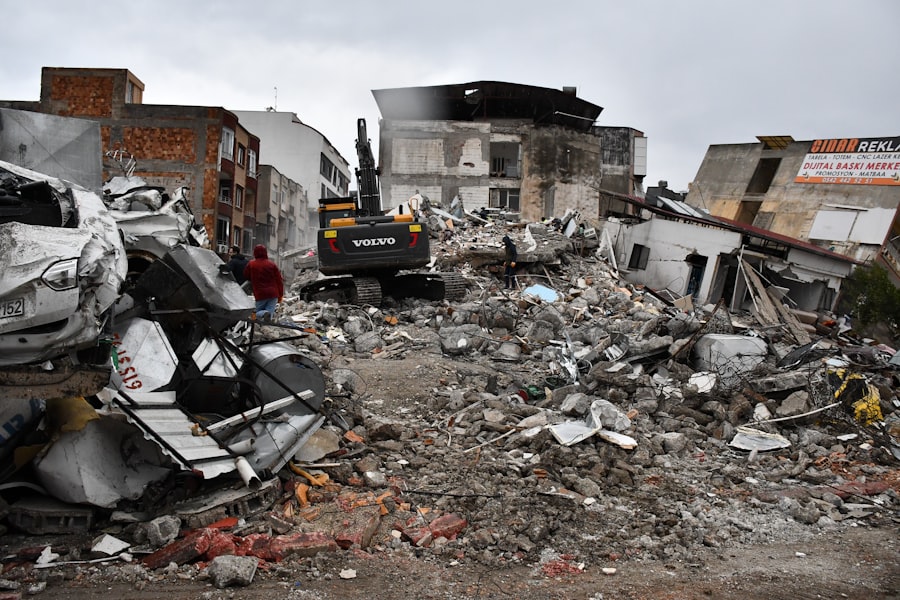
Beyond the well-known examples of Pompeii and Antioch, countless other ancient cities bear the silent testimony of earthquakes in their ruined states. Archaeological excavations consistently reveal evidence of seismic damage that contributed to, or outright caused, the abandonment of these once-thriving settlements. These discoveries paint a somber picture of humanity’s historical struggle against the Earth’s destructive power.
Palmyra: The “Pearl of the Desert” and its Seismic Woes
The magnificent city of Palmyra, located in modern-day Syria, was a vital caravan city on the Silk Road, renowned for its stunning Roman-era ruins, including grand colonnades, temples, and a theater. Palmyra also lay within a seismically active region. While historical invasions and political shifts certainly impacted its fortunes, earthquakes played a significant role in its decline.
Evidence of Structural Collapse and Abandonment
Archaeological surveys of Palmyra have revealed widespread evidence of earthquake damage. Many structures show signs of collapse and subsequent, often incomplete, repairs. The city’s strategic importance waned over time due to shifting trade routes and political instability, but the periodic seismic disturbances likely exacerbated these challenges, making reconstruction efforts difficult and contributing to gradual abandonment. The ruins of Palmyra, even before the recent conflicts, served as a powerful memento of a civilization shaped by both human ambition and geological upheaval.
Epirus: The Hellenistic Metropolis of Nicopolis and its Seismic Fate
Nicopolis, a Hellenistic city founded in 27 BC by Octavian (later Emperor Augustus) on the northwest coast of Greece, was a significant administrative and economic center. Its location in a seismically active zone, however, proved to be a significant vulnerability.
Repeated Devastation and Gradual Decline
Nicopolis experienced numerous earthquakes throughout its history. The earliest major recorded earthquake occurred in 23 AD, causing significant damage. Further tremors in the 4th and 6th centuries AD continued to batter the city. While the Byzantines attempted to restore parts of Nicopolis, the cumulative effects of these seismic events, coupled with other historical pressures, led to its gradual decline and eventual abandonment. The impressive ruins that remain today stand as a testament to its former glory, but also as a stark reminder of the persistent threat of seismic activity.
The Legacy of Ruin: Lessons from the Shaken Earth
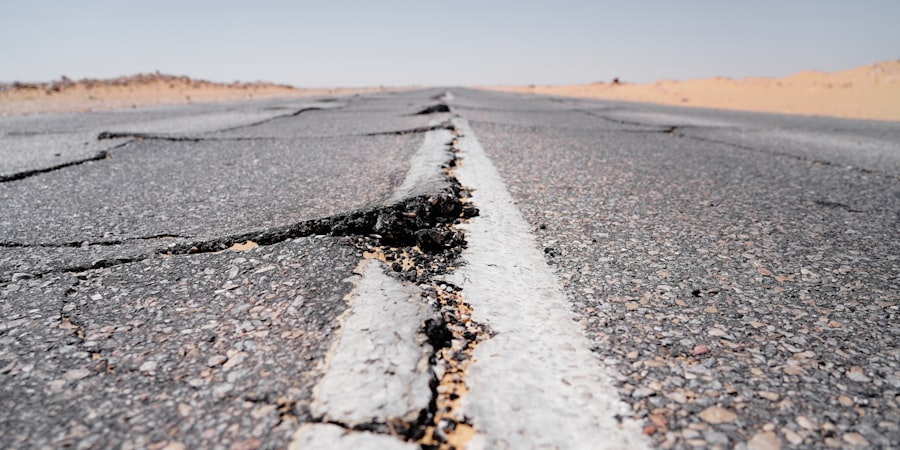
The study of ancient cities destroyed by earthquakes offers invaluable insights into the destructive potential of geological events and the resilience of human civilization. These ruined metropolises serve as living laboratories for seismologists, archaeologists, and historians, providing crucial data that helps us understand past seismic events and better prepare for future ones.
Archaeological Clues: Reading the Past in Broken Stones
Archaeologists meticulously examine the fallen walls, toppled statues, and fragmented pottery of ancient sites to piece together the story of their demise. The presence of specific types of seismic damage – such as tilted walls, shear fractures, and the characteristic “pancaking” of multi-story buildings – provides direct evidence of earthquake activity. By correlating this architectural evidence with historical accounts and geological data, researchers can reconstruct the timing, magnitude, and impact of past earthquakes. This detailed analysis allows for a deeper understanding of the interplay between human settlements and geological hazards.
Understanding Settlement Patterns and Reconstruction Efforts
The way ancient cities were rebuilt after seismic events offers insights into their architectural knowledge, engineering capabilities, and societal priorities. The presence of hastily repaired structures, for instance, might indicate a desire to quickly return to normalcy, while evidence of entirely new urban planning might suggest a more profound, long-term response to seismic risk. Examining the location and design of new structures can also reveal whether communities learned from past mistakes and implemented more earthquake-resistant building techniques.
Seismological Insights: Calibrating Our Understanding of Earth’s Fury
The study of ancient earthquakes is not merely an academic pursuit; it has direct implications for understanding and mitigating future seismic risks. By analyzing the geological evidence at the sites of ancient collapsed cities, seismologists can extend our instrumental record of seismic activity further back in time. This allows for a more comprehensive assessment of the long-term seismic hazard in a given region, including the frequency and potential magnitude of large earthquakes.
Long-Term Hazard Assessment and Infrastructure Planning
Understanding the history of seismic activity in a region is crucial for informing modern urban planning and infrastructure development. Regions with a history of devastating earthquakes require robust building codes, efficient early warning systems, and comprehensive disaster preparedness plans. The lessons learned from the fate of ancient cities serve as a powerful reminder of the need for proactive measures to protect lives and infrastructure from the inevitable forces of nature.
Throughout history, many ancient cities have faced the devastating power of earthquakes, leading to their destruction and loss of cultural heritage. A fascinating exploration of the impact of natural disasters on historical sites can be found in a related article that discusses the consequences of archaeological digs, which sometimes unearth more than just artifacts. For those interested in how such events can alter our understanding of history, the article titled “The Curse of the Mummy’s Tomb: The Dig That Should Have Stayed Buried” offers intriguing insights. You can read it here.
Facing the Tremors of Tomorrow: From Ancient Ruins to Modern Resilience
| City | Country | Year of Earthquake | Estimated Casualties |
|---|---|---|---|
| Pompeii | Italy | 79 AD | Estimated 2,000 casualties |
| Ephesus | Turkey | 614 AD | Unknown casualties |
| Jerash | Jordan | 749 AD | Unknown casualties |
| Antioch | Turkey | 526 AD | Estimated 250,000 casualties |
The cycle of earthquake destruction and human rebuilding is a narrative that has unfolded across millennia. While the ancient world lacked the scientific understanding and technological sophistication to fully mitigate seismic risks, their struggles offer vital lessons for the present and future. The ruins of once-great cities, humbled by the Earth’s tremors, stand as enduring monuments to the power of nature and the inherent vulnerability of human endeavors.
Adapting and Building: The Evolution of Earthquake-Resistant Construction
Throughout history, human societies have instinctively sought ways to build structures that can withstand the forces of an earthquake. While ancient methods were often empirical, based on observation and trial-and-error, they laid the groundwork for modern seismic engineering. Concepts like flexible foundations, reinforced structures, and lighter building materials have all evolved from a long tradition of learning to live with the Earth’s seismic reality.
The Materials and Methods of the Past
Ancient builders often employed materials like wood, adobe, and stone. While stone provided mass and durability, it could also be brittle and prone to catastrophic failure. The use of timber frames, prevalent in many ancient cultures, offered a degree of flexibility that could absorb some of the shock. However, the engineering knowledge to effectively integrate these materials for seismic resistance was often limited. The sheer scale and ambition of some ancient constructions, like the grand temples and aqueducts, sometimes led to over-engineering or methods that proved susceptible to seismic forces.
Modern Seismic Engineering: A New Paradigm of Resilience
Today, seismic engineering is a sophisticated discipline that leverages advanced scientific understanding and technological innovation. Modern buildings are designed with a focus on ductility – the ability to deform without fracturing. This is achieved through the use of reinforced concrete with steel rebar, specialized seismic isolation systems (like base isolators), and energy dissipation devices. Advanced computer modeling and seismic hazard analysis allow engineers to predict how structures will behave during an earthquake and to design them accordingly. The aim is not to make buildings entirely impervious to extremely powerful earthquakes, but to ensure they can withstand moderate tremors and prevent catastrophic collapse during major events, allowing occupants to evacuate safely.
Disaster Preparedness and Mitigation: Learning from the Ashes
The lessons learned from the devastating earthquakes that reduced ancient cities to ruins are critically important for modern disaster preparedness and mitigation efforts. Understanding the historical patterns of seismic activity, the types of damage that occur, and the challenges of recovery are all vital components of creating more resilient communities.
Early Warning Systems and Evacuation Strategies
The development of modern earthquake early warning systems is a significant advancement. These systems detect the first seismic waves generated by an earthquake and provide a few precious seconds or minutes of warning before the stronger shaking arrives. This lead time can be used to shut down critical infrastructure like gas lines and trains, allow people to take cover, and initiate evacuation procedures. The speed and effectiveness of these systems are critical in minimizing casualties and damage.
The Importance of Community Preparedness and Education
Beyond technological solutions, community preparedness and education are paramount. Public awareness campaigns, regular earthquake drills, and the development of comprehensive emergency response plans are essential for ensuring that individuals and communities can react effectively when an earthquake strikes. The historical record of ancient cities buried beneath rubble serves as a powerful, albeit tragic, reminder of what can happen when preparedness is lacking. By studying these ancient catastrophes, we gain a deeper appreciation for the importance of continuous vigilance and proactive measures to safeguard lives and preserve our modern cities from the potential fury of a restless Earth.

The Lost City That Was Never Really Lost
FAQs
1. What are some ancient cities that were destroyed by earthquakes?
Some ancient cities that were destroyed by earthquakes include Pompeii and Herculaneum in Italy, Ephesus in Turkey, and Jericho in the West Bank.
2. How did earthquakes contribute to the destruction of these ancient cities?
Earthquakes caused widespread destruction in ancient cities by collapsing buildings, triggering landslides, and disrupting infrastructure such as water and sewage systems.
3. What were the long-term effects of earthquakes on these ancient cities?
The long-term effects of earthquakes on ancient cities included depopulation, abandonment of the cities, and the loss of cultural and historical heritage.
4. How did ancient civilizations attempt to mitigate the impact of earthquakes?
Ancient civilizations attempted to mitigate the impact of earthquakes by constructing buildings with earthquake-resistant designs, such as using flexible materials and reinforcing structures with wooden beams.
5. What lessons can we learn from the destruction of ancient cities by earthquakes?
The destruction of ancient cities by earthquakes teaches us the importance of implementing modern building codes and infrastructure standards to minimize the impact of earthquakes on urban areas. Additionally, it highlights the need for ongoing research and preparedness efforts to protect communities from seismic hazards.