
The Mediterranean Basin, a cradle of civilization and a repository of millennia of human history, has recently been battered by a series of devastating floods, painting a grim picture across its diverse landscapes and poignant coastlines. This unprecedented deluge, a tempest of water and fury, has not only displaced thousands and wrought immense destruction but has also ignited critical conversations about climate change, urban planning, and disaster preparedness across the region. The impact is far-reaching, a stark reminder of nature’s untamed power and humanity’s vulnerability in its path.
The Mediterranean, typically characterized by its sun-drenched shores and temperate climate, has transformed into a scene of widespread devastation. The floods, which have swelled rivers to bursting point, overwhelmed drainage systems, and caused rivers to carve new, destructive paths, have left a trail of ruin in their wake. From the ancient ruins of Greece to the bustling metropolises of Italy and the fertile plains of North Africa, the water’s relentless march has been a relentless sculptor of both landscape and human lives.
Tracing the Epicenter: Identifying the Most Affected Areas
While the entire basin has felt the tremors of this hydrological upheaval, certain regions have borne the brunt of the onslaught. These areas, often situated in low-lying coastal zones or alongside major river systems, found themselves on the front lines of the deluge.
Italy’s Flooded Heartlands
Italy, a nation intrinsically linked to its waterways, has experienced particularly severe flooding. Historic cities, their cobbled streets now submerged, have been thrust into a state of emergency. The north, with its Po River valley, has been a focal point, its agricultural heartland inundated, threatening food security and the livelihoods of countless farmers. Venice, a city built on water, has grappled with an amplified Aqua Alta, the iconic canals overflowing their banks with a ferocity rarely witnessed.
Greece Beneath the Deluge
Greece, a land of ancient marbles and azure seas, has also been significantly impacted. Regions that have historically contended with water scarcity are now battling its oppressive abundance. Villages have been cut off, infrastructure obliterated, and cultural heritage sites, some dating back to antiquity, have been threatened by the encroaching waters. The southern Peloponnese, with its agricultural plains, has been particularly hard-hit.
North African Shores Adrift
The North African coastline, from Morocco to Tunisia and beyond, has not been spared. Desert landscapes, unaccustomed to such sustained rainfall, have been transformed into muddy wastelands. Flash floods in wadis and arid regions have swept away homes and infrastructure, disproportionately affecting vulnerable communities with limited resources for disaster mitigation.
The Meteorological Culprit: A Shifting Climate Paradigm
Scientists are pointing to a confluence of meteorological factors, amplified by the overarching trend of climate change, as the primary driver behind these devastating floods. The Mediterranean, long considered a climate change hotspot, is exhibiting its vulnerability with alarming regularity.
Unprecedented Rainfall Intensity
The sheer volume and intensity of rainfall recorded in short periods have shattered previous records. These downpours, often described as biblical in their scale, have overwhelmed natural and man-made drainage systems designed for a different climatic reality.
The Role of Atmospheric Rivers
Researchers are investigating the potential role of atmospheric rivers – narrow corridors of concentrated moisture in the atmosphere – in delivering these massive amounts of precipitation to the region. These phenomena, amplified by warmer ocean temperatures, can act like colossal sponges, siphoning vast quantities of water from the atmosphere and depositing it with devastating effect.
Warming Seas and Increased Evaporation
The Mediterranean Sea itself, warmed by rising global temperatures, is contributing to the problem. Warmer waters lead to increased evaporation, fueling more intense storms and providing a larger reservoir of moisture for these extreme weather events.
The Mediterranean basin has recently experienced catastrophic flooding, raising concerns about climate change and its impact on regional stability. For a deeper understanding of how environmental factors can influence decision-making in various sectors, including military strategy, you can read the article on the implications of artificial intelligence in military decision-making at this link. This connection highlights the broader implications of natural disasters and the need for adaptive strategies in both civilian and military contexts.
The Human Cost: Scars Left by the Rising Tide
The floods have inflicted a profound human toll, leaving a landscape of grief, displacement, and shattered lives. The immediate aftermath has been a desperate race against time to rescue those stranded and provide essential aid.
Lives Lost and Families Torn Asunder
The tragic loss of life is the most devastating consequence of these floods. Families have been torn apart, communities traumatized, and the fabric of social cohesion frayed by the sudden and violent intrusion of water.
The Perils of Flash Floods
Flash floods, characterized by their sudden onset and destructive power, have claimed numerous lives. Individuals caught unaware in their path have had little to no opportunity to seek safety, their homes and possessions swept away in moments.
Vulnerable Populations at Highest Risk
Children, the elderly, and those in informal settlements have been particularly vulnerable. These groups often lack the resources or mobility to evacuate effectively, making them disproportionately susceptible to injury and death.
Displacement and Humanitarian Crisis
The floods have triggered a mass displacement crisis, with thousands forced to abandon their homes and seek refuge. This has placed immense strain on emergency services and humanitarian organizations striving to provide shelter, food, and medical attention.
Shelters Overwhelmed
Existing shelters have quickly become overcrowded, forcing authorities and aid workers to establish temporary accommodations in schools, sports facilities, and any available public space.
The Threat of Waterborne Diseases
The contamination of water sources poses a significant public health threat. The spread of waterborne diseases like cholera and typhoid is a looming danger in the wake of widespread flooding, requiring urgent sanitation and healthcare interventions.
Rebuilding the Rubble: The Long Road to Recovery
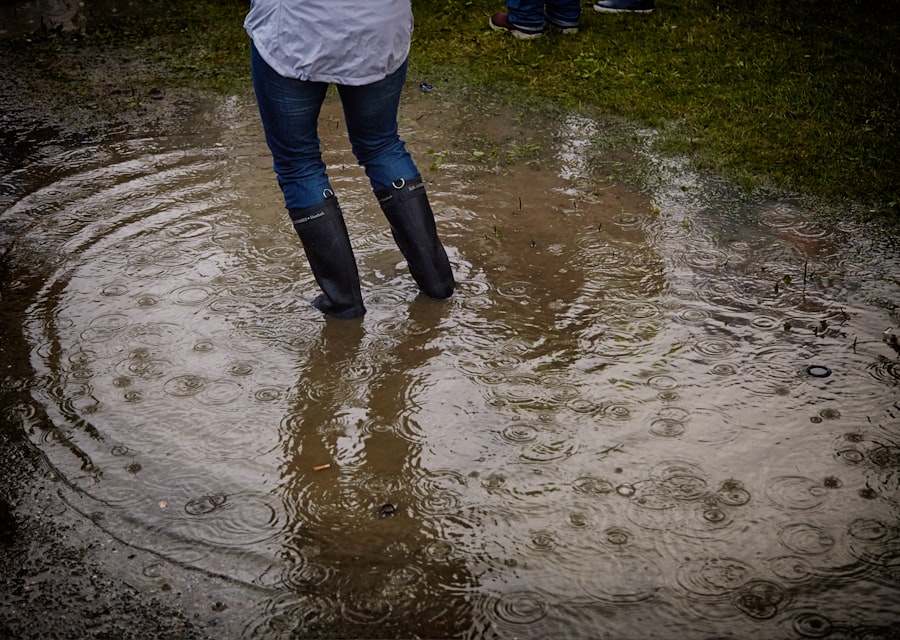
The immediate relief efforts, while crucial, are merely the first steps in a long and arduous journey of recovery. Rebuilding the shattered infrastructure, restoring livelihoods, and addressing the psychological scars left by the disaster will require sustained effort and significant investment.
Infrastructure Devastation: A Landscape of Ruin
The floods have wreaked havoc on critical infrastructure, cutting off essential services and hindering rescue and recovery operations.
Roads and Bridges Washed Away
Roads and bridges, the arteries of communication and transport, have been submerged or completely destroyed, isolating communities and impeding the movement of vital supplies and personnel.
Power and Communication Networks Severed
Power grids and communication networks have been severely damaged, plunging large areas into darkness and cutting off vital links for emergency coordination and public information.
Impact on Essential Services
Hospitals, schools, and other essential public services have been inundated, further complicating the crisis and prolonging the suffering of affected populations.
Economic Repercussions: A Blow to Livelihoods
The economic consequences of these floods are severe and multifaceted, impacting agricultural production, tourism, and small businesses.
Agricultural Losses: The End of Harvests
The inundation of fertile agricultural land has resulted in catastrophic crop losses, threatening the incomes of farmers and potentially impacting regional food supplies. The muddying of fields also makes immediate replanting a daunting task, prolonging the economic hardship.
Damage to Tourism Infrastructure
For regions heavily reliant on tourism, the damage to hotels, restaurants, and attractions, coupled with the negative perception of flood-prone areas, presents a significant economic challenge for recovery.
Business Disruption and Unemployment
Small businesses, often operating with limited financial reserves, have been devastated. Many have lost their premises, stock, and the ability to operate, leading to job losses and further economic hardship.
The Unseen Architects: Examining the Contributing Factors
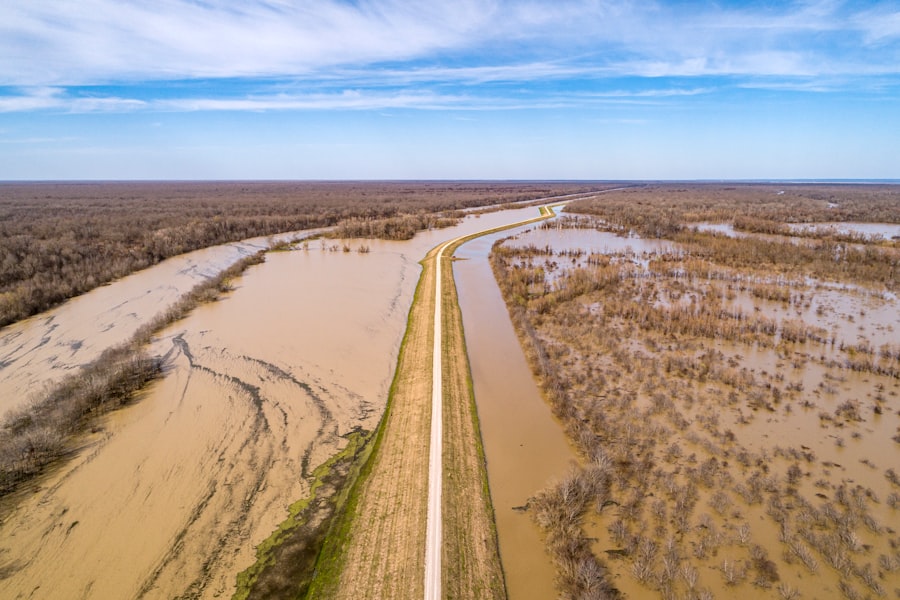
While the immediate cause of these floods lies in extreme weather events, a deeper examination reveals a tapestry of contributing factors, both natural and man-made, that have amplified the disaster’s impact.
Urbanization and Impermeable Surfaces
The relentless march of urbanization in many Mediterranean coastal areas has contributed significantly to the severity of flooding. The construction of buildings, roads, and other infrastructure has replaced natural landscapes with impermeable surfaces, drastically reducing the ground’s ability to absorb rainwater.
Loss of Natural Flood Plains
As cities expand, natural flood plains, which historically served as reservoirs for excess water, are often built upon, eliminating crucial buffers against rising river levels.
Inadequate Drainage Systems
Many urban drainage systems, designed for a bygone era of less intense rainfall, are now woefully inadequate to cope with the sheer volume of water unleashed by these recent storms. They are like narrow pipes struggling to carry a raging river.
Deforestation and Land Degradation
In some parts of the Mediterranean, deforestation and unsustainable land management practices have exacerbated the problem. The removal of tree cover reduces the soil’s capacity to absorb water, leading to increased surface runoff and a greater likelihood of flash floods.
Soil Erosion and Sedimentation
Deforestation and poor agricultural practices contribute to soil erosion, leading to the sedimentation of rivers and a reduced capacity for them to carry water, making them more prone to overflowing.
Alteration of Natural Water Cycles
The cumulative impact of these human activities has altered natural water cycles, making the landscape more susceptible to the destructive forces of extreme rainfall.
Recent studies have highlighted the alarming increase in catastrophic flooding events within the Mediterranean Basin, drawing attention to the urgent need for effective climate adaptation strategies. For a deeper understanding of the underlying scientific principles that may contribute to these extreme weather patterns, you can explore an insightful article that discusses the complexities of physics and its implications on our environment. This article can be found here, offering valuable perspectives on how our changing climate is reshaping the Mediterranean landscape.
The Wake-Up Call: Charting a Course for Resilience
| Metric | Value | Unit | Description |
|---|---|---|---|
| Estimated Flooded Area | 1,000,000 | km² | Approximate area of the Mediterranean basin flooded during the event |
| Duration of Flooding | 100,000 | years | Estimated duration of the flooding event |
| Sea Level Rise | 1500 | meters | Estimated rise in sea level during the flooding |
| Time Period | 5.96 million | years ago | Approximate time of the Messinian Salinity Crisis flood event |
| Water Volume Influx | 1,000,000 | km³ | Estimated volume of water that refilled the Mediterranean basin |
| Impact on Marine Life | High | N/A | Significant changes in marine biodiversity due to flooding |
The devastating floods engulfing the Mediterranean Basin serve as a stark and undeniable wake-up call. This is not merely a natural disaster; it is a harbinger of future challenges if proactive measures are not implemented with urgency and resolve. The region stands at a precipice, a moment demanding introspection and decisive action to build a more resilient future.
Rethinking Urban Planning and Development
A fundamental rethinking of urban planning and development is imperative. Cities must be designed with the realities of a changing climate in mind, incorporating strategies to mitigate flood risk.
Implementing Green Infrastructure
Investing in green infrastructure, such as permeable pavements, green roofs, and expanded urban green spaces, can help manage stormwater runoff and reduce the burden on traditional drainage systems.
Restoring Natural Water Features
Re-establishing and protecting natural water features like wetlands and flood plains can provide crucial buffer zones and natural flood defenses.
Enhancing Disaster Preparedness and Response
Strengthening disaster preparedness and response mechanisms is paramount. This includes investing in early warning systems, improving evacuation plans, and ensuring adequate resources for emergency services.
Public Awareness and Education
Educating the public about flood risks and how to respond during an emergency is a vital component of preparedness. Empowering individuals with knowledge can save lives.
International Cooperation and Aid
Given the transboundary nature of many river systems and the scale of the devastation, international cooperation and sustained aid will be critical for the long-term recovery and adaptation efforts across the Mediterranean. The shared threat demands a shared solution, a united front against the rising waters. The scars left by this deluge are deep, but the opportunity for transformation, for building a stronger, more resilient Mediterranean, stands before us—a testament to humanity’s capacity to adapt and endure.
FAQs
What caused the catastrophic flooding in the Mediterranean Basin?
The catastrophic flooding in the Mediterranean Basin was primarily caused by intense and prolonged rainfall events, often linked to atmospheric disturbances such as Mediterranean cyclones or “medicanes,” which can bring heavy precipitation and lead to flash floods.
Which areas in the Mediterranean Basin are most vulnerable to flooding?
Coastal regions, river valleys, and low-lying areas in countries bordering the Mediterranean Sea, including parts of Italy, Greece, Turkey, Spain, and North African nations, are particularly vulnerable to flooding due to their topography and urban development patterns.
What are the typical impacts of catastrophic flooding in the Mediterranean region?
Impacts include loss of life, damage to infrastructure such as roads and bridges, destruction of homes and agricultural land, disruption of transportation and communication networks, and long-term economic consequences for affected communities.
How does climate change influence flooding events in the Mediterranean Basin?
Climate change contributes to increased sea surface temperatures and altered weather patterns, which can intensify storms and rainfall events, thereby increasing the frequency and severity of flooding in the Mediterranean region.
What measures are being taken to mitigate flooding risks in the Mediterranean Basin?
Measures include improving early warning systems, enhancing flood defenses like levees and dams, implementing sustainable urban drainage systems, restoring natural wetlands to absorb floodwaters, and promoting regional cooperation for disaster risk management.