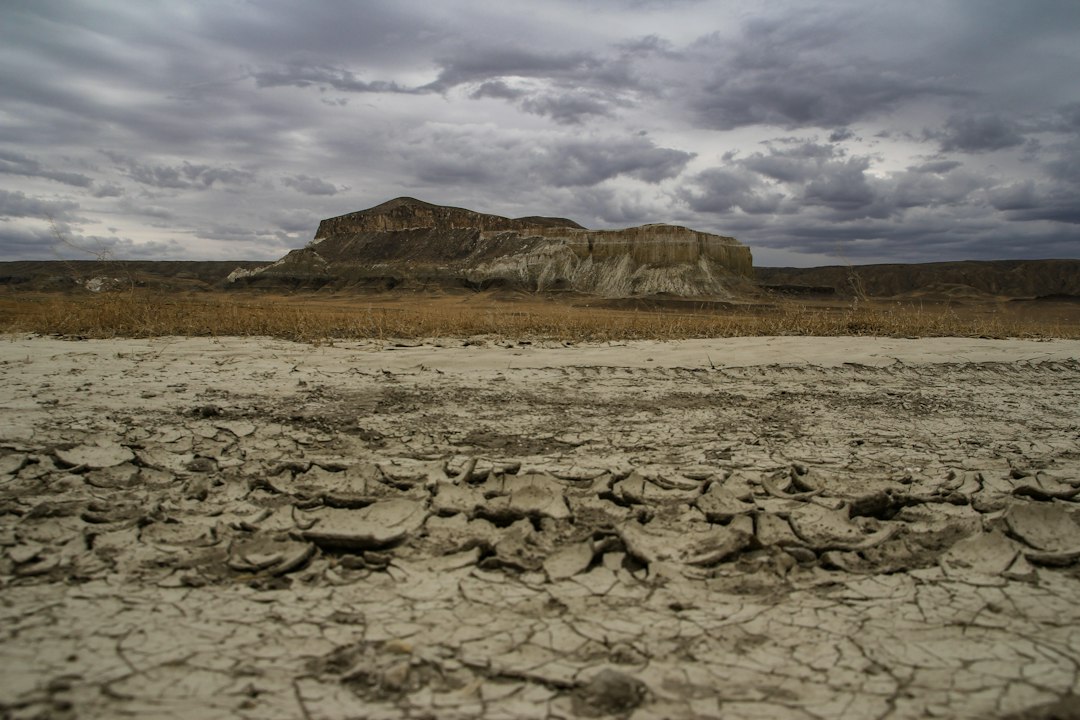
The twilight of the Bronze Age witnessed the dramatic collapse of several powerful civilizations, a widespread unraveling that left archaeologists and historians pondering its root causes for centuries. Among these fallen giants, the Hittite Empire, a dominant force in Anatolia for nearly five centuries, stands as a particularly compelling case study. Its sudden and seemingly irreversible decline in the early 12th century BCE has spurred considerable debate, with a once-obscure theory now gaining significant traction: the devastating impact of prolonged drought. This article delves into the evidence, exploring how paleoclimatic data, archaeological findings, and textual analysis converge to paint a picture of an empire potentially brought to its knees by an unforgiving climate.
Whispers from the Earth: Unearthing Climate Clues
The idea that environmental factors, particularly climate change, could bring down an empire is not new. However, the specific focus on drought as a primary driver of the Hittite collapse has been significantly bolstered by advances in paleoclimatology. This field reconstructs past climates through indirect evidence, or proxies, offering a window into environmental conditions long before instrumental records existed. The Hittites, flourishing in a region prone to fluctuations in rainfall, would have been acutely vulnerable to any sustained period of aridity.
The Silent Testimony of Lake Sediments
One of the most powerful lines of evidence comes from the analysis of ancient lake sediments. Lakes act as natural archives, accumulating layers of material over millennia. By examining the composition of these layers, scientists can infer past rainfall patterns. In regions historically linked to the Hittite sphere of influence, such as central Anatolia and surrounding areas, studies of lakebed cores have revealed distinct shifts in sedimentation rates and the presence of pollen types indicative of drier conditions during the Late Bronze Age.
For instance, research on paleolakes in Anatolia has identified a period of significant drying beginning around the late 13th century BCE and intensifying in the early 12th century BCE. These sedimentary records show a decrease in water levels, evidenced by changes in sediment grain size and the types of diatoms (microscopic algae) present, which are sensitive to water salinity and depth. The concentration of arid-adapted plant pollen also increases, while that of moisture-loving species declines. This climatic signature strongly correlates with the period of the Hittite Empire’s disintegration.
Ice Cores and Tree Rings: Corroborating the Dry Spell
Beyond lake sediments, other paleoclimate proxies offer corroborating evidence. Ice cores extracted from the Greenland ice sheet, though geographically distant, can provide global climate signals that reflect large-scale atmospheric circulation patterns. Some studies of these ice cores have indicated a general drying trend across the Mediterranean and Near East during the Late Bronze Age, consistent with the Anatolian findings.
Tree ring analysis, a dendroclimatological technique, also provides valuable insights. By examining the width and density of annual growth rings in ancient wood samples, researchers can reconstruct past precipitation levels. While direct, perfectly preserved Hittite-era wood samples for widespread tree ring analysis are rare, studies of nearby regions and the longevity of tree species in Anatolia suggest that periods of drought would have been acutely felt. Regions with a history of reliable rainfall for agriculture would have experienced reduced yields, impacting food security.
Beyond Anatolia: A Regional Phenomenon
It is crucial to note that the evidence for a Late Bronze Age drought is not confined to Anatolia alone. Similar paleoclimatic indicators have been found in the Levant, Mesopotamia, and even in the Eastern Mediterranean. This suggests that the Hittite Empire was likely not an isolated victim of its local climate but was part of a broader regional environmental crisis. Such a widespread climatic stress would have exacerbated existing political and economic vulnerabilities across the ancient Near East, creating a perfect storm for societal collapse. The Hittites, as a vast empire reliant on agricultural surplus, would have been particularly susceptible to such a widespread environmental shock.
The decline of the Hittite Empire has long been a subject of debate among historians, with various theories proposed to explain its fall, including the impact of drought. For those interested in exploring how environmental factors can influence the rise and fall of civilizations, a related article discusses the potential economic implications of environmental changes in modern contexts, such as whether Mexico’s economy will surpass that of the United States. You can read more about this intriguing topic by visiting this article.
Echoes of Scarcity: What the Hittite Archives Tell Us

While paleoclimate data provides the environmental backdrop, the Hittite archives offer a more intimate, human perspective on the potential impact of climatic hardship. These cuneiform tablets, unearthed from the ruins of Hattusa, the Hittite capital, and other sites, provide invaluable insights into the Hittite administration, economy, religion, and daily life. Researchers have meticulously sifted through these texts, searching for any mention of famine, agricultural distress, or unusual weather patterns that might align with a period of prolonged drought.
Direct Mentions of Famine and Deprivation
While the Hittites did not possess modern meteorological tools, their administrative records clearly demonstrate an awareness of agricultural output and its dependence on weather. There are indeed textual references that can be interpreted as evidence of severe hardship. Some passages speak of “empty granaries,” “scarcity of grain,” and the need for “relief” from neighboring kingdoms or even the gods. While these could, in isolation, be attributed to other factors like war or mismanagement, their cumulative presence, particularly in texts dating to the final decades of the empire, becomes more significant when viewed through the lens of climatic stress.
Furthermore, certain Hittite royal inscriptions and religious texts allude to divine displeasure being manifested through natural calamities, including drought. Prayers and rituals were often invoked to appease the gods and bring rain, suggesting that periods of insufficient rainfall were recognized as a serious threat to the well-being of the empire. The frequency and urgency of these appeals may have increased as conditions worsened.
Shifts in Agricultural Practices and Land Use
While direct textual evidence of drought is not as explicit as one might find in a modern report, subtle clues can be found in the administrative documents concerning land management and agricultural practices. Scholars have noted potential shifts in the types of crops being cultivated or changes in irrigation strategies in the later periods, though this area requires further detailed linguistic and archaeological investigation. If resources were becoming scarce, it is plausible that the Hittites would have attempted to adapt their agricultural strategies, though such adaptations may have been insufficient to combat a prolonged and severe drought.
The decline in the availability of fertile land or the inability to irrigate existing fields due to reduced river flows could have forced changes in land use patterns. This might be reflected in administrative records detailing land allocation or changes in taxation based on land productivity. However, definitively linking these administrative shifts solely to drought is challenging due to the complexity of factors influencing such decisions.
The Hittite State’s Response to Crisis
The Hittite state was a highly organized entity, with a sophisticated bureaucracy capable of managing vast resources. Its response to any crisis, including environmental ones, would have been recorded in its administrative archives. Examining the nature of these responses can offer indirect evidence of the challenges faced. For instance, if the empire was increasingly diverting resources towards food relief or resorting to more stringent measures to secure food supplies, it would suggest a growing crisis. The increasing reliance on tribute or the organization of large-scale expeditions for grain could be interpreted as signs of internal food shortages.
The fragmentation of Hittite power in its final years, with provinces potentially acting more autonomously, could also be linked to a breakdown in central authority’s ability to manage widespread resource scarcity. If the central government could no longer guarantee food security across the empire, regional powers might have focused on their own survival, leading to decentralization and eventual collapse.
The Archaeological Footprint: Traces of a Crumbling Realm

Archaeology provides the tangible evidence of the Hittite Empire’s existence and its eventual disappearance. Excavations at major Hittite sites have revealed layers of destruction, abandonment, and shifts in settlement patterns that are consistent with a period of significant societal upheaval. When viewed in conjunction with climate and textual evidence, these archaeological findings offer a powerful narrative of decline.
Hattusa: The Abandoned Capital
The once-magnificent capital of Hattusa, with its imposing fortifications and grand palaces, shows signs of abandonment and destruction in its final occupation layers. While some destruction could be attributed to invasion, the scale and nature of the abandonment, coupled with evidence of gradual decay rather than immediate violent destruction across the entire city, can also be interpreted as a consequence of dwindling resources and an inability to sustain large populations. If agricultural output collapsed due to drought, a large urban center like Hattusa would have become unsustainable.
The discovery of unfinished building projects or areas within the city that show signs of neglect can also point towards a weakening of the state’s ability to mobilize labor and resources, a situation exacerbated by widespread economic hardship. The absence of new construction or significant renovations in the final decades suggests a society struggling to maintain its existing infrastructure, let alone expand it.
Settlements and Agricultural Infrastructure
Beyond the capital, excavations at smaller Hittite settlements and rural sites can provide a more granular picture of the impact of environmental stress. Evidence of abandoned farmsteads, reduced settlement sizes, and changes in agricultural infrastructure could all point to a decline in farming success. For example, the desiccation of formerly reliable water sources for irrigation would have had a devastating impact on agricultural productivity in these areas.
Archaeological surveys have identified periods where the intensity of human occupation in certain regions of Anatolia decreased significantly during the Late Bronze Age collapse. This depopulation could be a direct consequence of people migrating away from areas unable to sustain them due to drought and subsequent famine. The shift in settlement patterns, with a possible move towards more water-secure locations or a return to more nomadic lifestyles, could also be a tell-tale sign.
Evidence of Invasion and Migration
It is important to acknowledge that the Late Bronze Age collapse was a complex phenomenon, and invasion, particularly by the mysterious “Sea Peoples,” played a role in the demise of many civilizations, including potentially the Hittites. However, the question remains whether these invasions were a cause or a consequence of internal weakness. A weakened Hittite Empire, struggling with internal food shortages and civil unrest exacerbated by drought, would have been far more vulnerable to external threats.
Archaeological evidence of destruction layers at some Hittite sites, consistent with violent conquest, does exist. However, the timing and extent of these destruction events need to be carefully correlated with the paleoclimatic data. It is possible that drought-induced societal breakdown created the conditions that allowed for successful invasions, rather than invasions being the sole or primary cause of the empire’s downfall. The collapse of a central authority due to internal stresses could have made its frontiers porous and its defenses weak.
The Interplay of Factors: A Perfect Storm of Crises
While the evidence for drought is compelling, it is unlikely that a single factor was solely responsible for the demise of the Hittite Empire. The collapse of complex Bronze Age societies was often the result of a confluence of interconnected crises. Drought, by its very nature, can trigger and exacerbate other vulnerabilities.
Economic Strain and Social Unrest
A prolonged drought would have had a devastating impact on the Hittite economy, which was heavily reliant on agriculture. Crop failures would have led to food shortages, price inflation, and a decline in trade. This economic strain could have fueled social unrest, as populations struggled to survive. The inability of the state to provide for its citizens would have eroded its legitimacy and authority, potentially leading to internal rebellions or the fragmentation of power. The Hittites, like many other Bronze Age empires, had a hierarchical society, and the distress of the common people would have quickly translated into broader societal instability.
Military Weakness and Political Instability
A weakened economy and widespread social unrest would have inevitably impacted the Hittite military. If the state could not feed its soldiers or adequately equip them, its ability to defend its borders and maintain control over its vast territory would have been compromised. Furthermore, internal strife and competition for dwindling resources could have led to political instability, with ambitious nobles or provincial governors challenging the authority of the central government. This internal fragmentation would have made the empire an easy target for external enemies. The Hittites were engaged in numerous diplomatic and military entanglements with neighboring powers, and any reduction in their capacity to project power would have been quickly exploited.
The Interconnectedness of the Ancient World
The Late Bronze Age was characterized by a highly interconnected network of trade and diplomacy. While this interconnectedness facilitated prosperity, it also meant that crises could spread rapidly across regions. A drought affecting Anatolia would likely have had repercussions in neighboring regions, disrupting trade routes, exacerbating existing food shortages, and potentially leading to mass migrations. The Hittite Empire, as a major player in this network, would have been profoundly affected by such regional instability. The collapse of one major power could have had cascading effects on others, leading to a domino effect of decline.
The decline of the Hittite Empire has long been a subject of debate among historians, with various theories proposed to explain its fall. One intriguing perspective suggests that severe drought conditions may have played a critical role in destabilizing the region and contributing to the empire’s collapse. For those interested in exploring how environmental factors can impact societies, a related article discusses the implications of government seizure and private asset confiscation, highlighting how such actions can arise in times of crisis. You can read more about this topic by visiting this link.
Re-evaluating the Hittite Legacy: A Climate-Conscious Perspective
| Metric | Data/Information |
|---|---|
| Time Period of Hittite Empire | c. 1600 BCE – c. 1178 BCE |
| Period of Decline | c. 1200 BCE – 1178 BCE |
| Evidence of Drought | Tree ring data and sediment analysis indicate severe drought around 1200 BCE |
| Impact of Drought | Crop failures, food shortages, and economic stress |
| Other Contributing Factors | Invasions by Sea Peoples, internal political instability, and economic decline |
| Conclusion | Drought was a significant factor but not the sole cause of the Hittite Empire’s collapse |
The growing body of evidence suggesting a significant role for drought in the Hittite collapse is prompting a re-evaluation of their legacy. For too long, the fall of the Hittites has been primarily attributed to external factors like invasions or internal rebellions. While these played a part, a climate-conscious perspective offers a more nuanced and potentially more accurate understanding of their demise.
A Cautionary Tale for Modern Societies
The Hittite story, if indeed shaped by environmental catastrophe, serves as a powerful cautionary tale for modern societies. In an era of increasing climate variability and the potential for widespread environmental degradation, understanding how past civilizations responded to similar challenges is more critical than ever. The Hittites’ vulnerability to drought highlights the inherent fragility of complex societies that are heavily reliant on stable environmental conditions. It underscores the importance of sustainable practices, resource management, and societal resilience in the face of environmental change.
The Need for Interdisciplinary Research
The ongoing investigation into the Hittite collapse demonstrates the immense value of interdisciplinary research. By combining insights from paleoclimatology, archaeology, textual analysis, and other fields, a more comprehensive and accurate picture of past events can be constructed. Future research will undoubtedly continue to refine our understanding of the precise mechanisms by which drought may have impacted the Hittite Empire, and the interplay of various causal factors. The ongoing efforts to decipher further Hittite texts and to conduct more detailed paleoclimatic reconstructions will be crucial in this endeavor.
Understanding the Bronze Age Collapse Holistically
Ultimately, the question of whether drought destroyed the Hittite Empire is not a simple yes or no. It is more accurate to say that prolonged drought likely played a significant, perhaps even pivotal, role in a complex web of factors that led to its disintegration. By acknowledging the profound influence of environmental change on historical events, we gain a richer and more complete understanding of the past and can draw valuable lessons for the present and future. The Hittites, once a formidable power, now stand as a potent reminder of the enduring impact of climate on the destinies of civilizations. Their story compels us to look beyond the immediate causes of collapse and consider the deeper environmental currents that shaped the rise and fall of empires throughout human history.
Your 401(k) Withdrawal Can Make More of Your Social Security Taxable
FAQs
1. Did drought play a role in the decline of the Hittite Empire?
Yes, evidence suggests that a prolonged drought contributed to the downfall of the Hittite Empire around 1200 BCE. The lack of rainfall led to crop failures, food shortages, and economic instability, weakening the empire.
2. How did the drought impact the Hittite Empire’s agricultural practices?
The drought significantly reduced the amount of water available for irrigation, leading to crop failures and a decline in agricultural productivity. This, in turn, resulted in food shortages and economic hardship for the empire.
3. Were there other factors besides drought that contributed to the collapse of the Hittite Empire?
While drought played a significant role, other factors such as internal unrest, invasions by neighboring civilizations, and political instability also contributed to the collapse of the Hittite Empire. These combined factors ultimately led to the empire’s downfall.
4. How did the Hittite Empire attempt to cope with the effects of the drought?
The Hittite Empire attempted to cope with the effects of the drought by implementing water conservation measures, such as building reservoirs and irrigation systems. However, these efforts were not enough to offset the impact of the prolonged drought on the empire’s agricultural production and economy.
5. What lessons can be learned from the collapse of the Hittite Empire due to drought?
The collapse of the Hittite Empire serves as a reminder of the vulnerability of civilizations to environmental factors such as drought. It highlights the importance of sustainable water management practices and the need for proactive measures to mitigate the impact of climate-related challenges on societies.