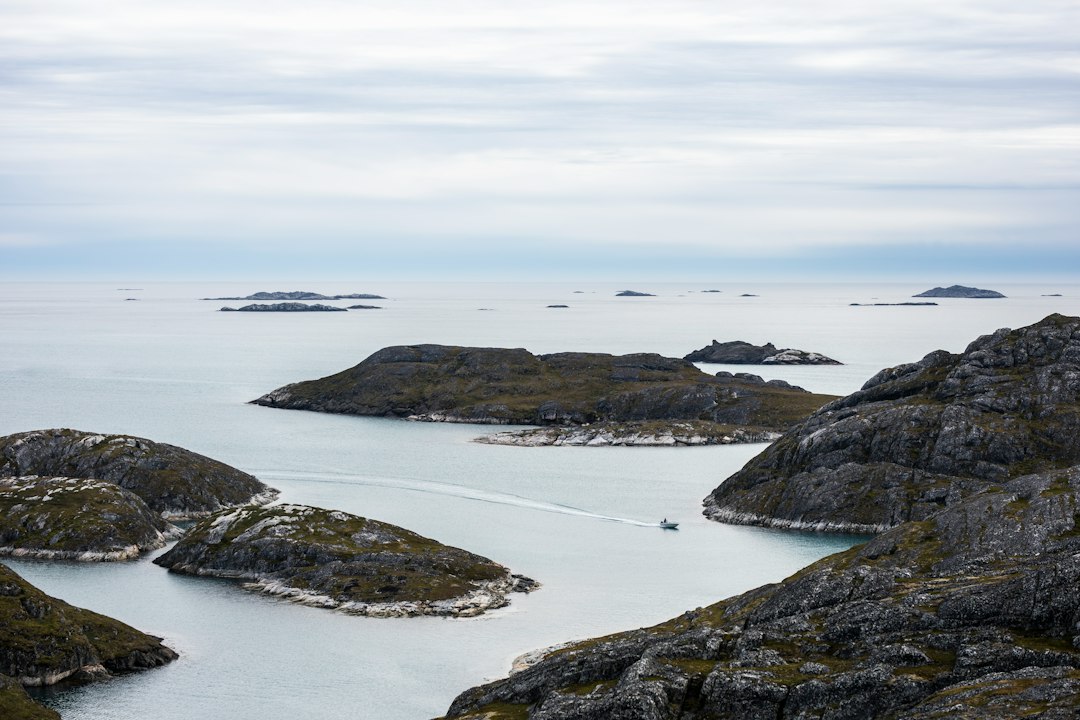
The stark, wind-swept landscapes of Greenland hold echoes of a vanished civilization: the Norse settlers who arrived over a millennium ago. For centuries, these intrepid explorers carved out a life on the unforgiving island, establishing thriving settlements and a distinct society. Yet, by the 15th century, their presence had dwindled to nothing, leaving behind a haunting mystery. The question of what led to their disappearance has long captivated historians and archaeologists, with a prominent theory pointing to environmental mismanagement as a key factor in their demise. This exploration delves into the environmental challenges faced by the Greenland Vikings and examines the evidence suggesting that their relationship with the land, and perhaps their own unsustainable practices, played a significant role in their ultimate fate.
The Arrival and the Promise of a New World
The story of the Greenland Vikings begins with Erik the Red, an Icelandic exile who, around 985 AD, discovered a landmass to the west that he optimistically named “Greenland.” Driven by a desire for new pastures and opportunities, he led a fleet of settlers to establish colonies on the island’s southwestern coast. These Norsemen, skilled farmers and herders, brought with them their livestock, their traditions, and their ambition to recreate a life similar to the one they had left behind in Iceland and Norway. They established two main settlements: the Eastern Settlement (Eystribyggð) and the Western Settlement (Vestribyggð), along with smaller outposts, comprising hundreds of farms and a population estimated to be in the thousands at its peak. The initial years were likely characterized by a degree of success, with the relatively milder climate of the early medieval period allowing for viable agriculture and animal husbandry. The sagas speak of fertile lands and abundant resources, painting a picture of a burgeoning Norse dominion in the North Atlantic. This period, often referred to as the Medieval Warm Period, provided a window of opportunity for these ambitious colonists. The availability of grazing land for sheep and cattle, the possibility of growing crops like barley, and the rich fishing grounds offered a foundation for their survival and prosperity. They adapted their building techniques, constructing sturdy stone and turf houses, and established a social structure with churches, a bishopric, and a chieftainly system, demonstrating a commitment to establishing a long-term presence. The promise of a self-sufficient society, far from the political turmoil of Europe, fueled their westward expansion.
The Lure of the Land and its Resources
The allure of Greenland for the Norse settlers was multifaceted. Primarily, it was the promise of land. Iceland, though a successful colony, was becoming increasingly crowded, and tales of fertile valleys and untouched wilderness in Greenland offered a compelling alternative. Erik the Red’s successful navigation and subsequent colonization efforts were testament to the perceived potential of the island. The settlers were adept at exploiting the available resources. Their livestock, particularly sheep and cattle, formed the backbone of their economy, providing wool for clothing, meat, and dairy products. Fishing, both from the coasts and by venturing into the open sea, offered a vital source of protein. Hunting seals and other marine mammals provided blubber for fuel and meat, crucial for survival in the harsh Arctic environment. The sagas often emphasize the abundance of resources, describing herds of livestock and successful hunting expeditions. This perception of plenty, combined with the relative isolation, likely fostered a sense of self-reliance and a belief that they could thrive independently. The natural harbors provided access for trade, albeit limited, with Europe, allowing for the import of essential goods like iron and timber, and the export of valuable commodities such as walrus ivory and furs. This established a connection that, while tenuous, provided a vital link to the wider Norse world and a source of coveted resources.
Early Successes and the Foundations of Norse Society
The establishment of Norse society in Greenland was not merely about survival; it was about recreating and adapting their European way of life. They built farms, churches, and even a cathedral, indicating a sophisticated social organization and a commitment to their faith and culture. The archaeological record bears witness to their farming practices, their animal husbandry, and their craftsmanship. Excavations have revealed well-constructed dwellings, tools, and religious artifacts, all pointing to a community that was not only surviving but attempting to flourish. The development of a distinct Greenlandic Norse culture, with its own traditions and adaptations, speaks to their resilience and ingenuity. They learned to work with the available materials, developing unique building styles that incorporated turf for insulation and stone for structural integrity. The presence of a bishopric, albeit often struggling to maintain contact with the mainland church, signifies the establishment of a formal religious and administrative hierarchy. This early success, fueled by a combination of favorable climate and resource availability, laid the groundwork for what seemed to be a permanent Norse presence in the North Atlantic.
The question of whether environmental mismanagement contributed to the decline of the Greenland Vikings is a topic of significant interest among historians and archaeologists. A related article that explores how ancient civilizations adapted their technologies in response to scarcity can provide valuable insights into this discussion. For more information on how societies have historically navigated environmental challenges, you can read the article titled “Unlocking Ancient Technology in Times of Scarcity” at this link.
The Shifting Sands of Climate and Environment

The initial success of the Greenland Vikings was, however, inextricably linked to the climatic conditions of their era. The Medieval Warm Period, while beneficial, was not a permanent state. As this period waned and the Little Ice Age began to descend, the environmental conditions that had supported the Norse settlements began to deteriorate, posing significant challenges. Understanding this climatic shift is crucial to unraveling the mystery of their disappearance. The gradual cooling of the climate had profound implications for agriculture, the availability of resources, and the overall habitability of the island. The transition from a period of relative warmth to one of increasing cold and harsher winters marked a turning point for the Norse colonists.
The Medieval Warm Period: A Favorable Beginning
The period between roughly 950 and 1250 AD is characterized by a relatively mild climate in the North Atlantic, often referred to as the Medieval Warm Period. This warming trend was crucial for the establishment and early prosperity of the Greenland Norse. Warmer summers meant longer growing seasons for barley, their primary grain crop, and increased productivity from their pastures. The ice conditions in the fjords and along the coast were less severe, allowing for more reliable seafaring and fishing. The sagas, written retrospectively, often describe a land that was greener and more bountiful than it would later become, lending credence to the impact of this favorable climate. This period allowed the Norse to establish a viable agricultural base, supporting their livestock and providing a stable food source. The relative ease of travel by sea also facilitated communication and trade with Iceland and Norway, reinforcing their connection to the European world. The agricultural practices of the Norse were well-suited to these warmer conditions. They were able to cultivate crops and raise animals that would have been impossible in colder climes, creating a familiar and sustainable lifestyle in their new homeland. The abundance of resources, seemingly unfettered, fostered a sense of security and permanence.
The Onset of the Little Ice Age: A Grim Outlook
Following the Medieval Warm Period, Greenland, like much of the Northern Hemisphere, experienced a significant cooling trend, ushering in the Little Ice Age, which lasted for several centuries, from approximately 1300 to 1850 AD. This transition had a devastating impact on the Norse settlements. Winters became longer and more severe, summers shorter and cooler. The growing season for crops dwindled, making barley cultivation increasingly precarious. Pastures became less productive, impacting the health and survival of their livestock. Ice formation in the fjords and along the coast intensified, making sea travel and fishing more hazardous and often impossible. This climatic shift fundamentally altered the environmental landscape in which the Norse had established themselves. The once-fertile valleys could no longer reliably support the same level of agricultural output. The sea, a vital source of food and a means of communication, became a treacherous barrier. The gradual but persistent decline in temperatures created a cascade of challenges that the Norse settlers struggled to overcome.
Impact on Agriculture and Livestock
The cooling climate directly impacted the core of the Norse economy: agriculture and livestock. Shorter growing seasons and colder temperatures made it difficult, and often impossible, to cultivate barley, their staple grain. This led to a decline in food security, forcing them to rely more heavily on animal husbandry and fishing. However, even livestock faced severe challenges. Scarce grazing land during extended winters and the reduced quality of fodder meant that animals were more susceptible to disease and starvation. This would have led to a decline in herd sizes, a reduction in milk and wool production, and an overall weakening of their food supply. Archaeological evidence, such as changes in animal bone assemblages and pollen analysis, supports this narrative of environmental stress. The shift in diet, moving away from grain and towards an even greater reliance on meat and fish, may have also had nutritional consequences. The sustained pressure on their primary food sources created a fundamental vulnerability in their society.
The Question of Human Impact: Overexploitation and Soil Degradation
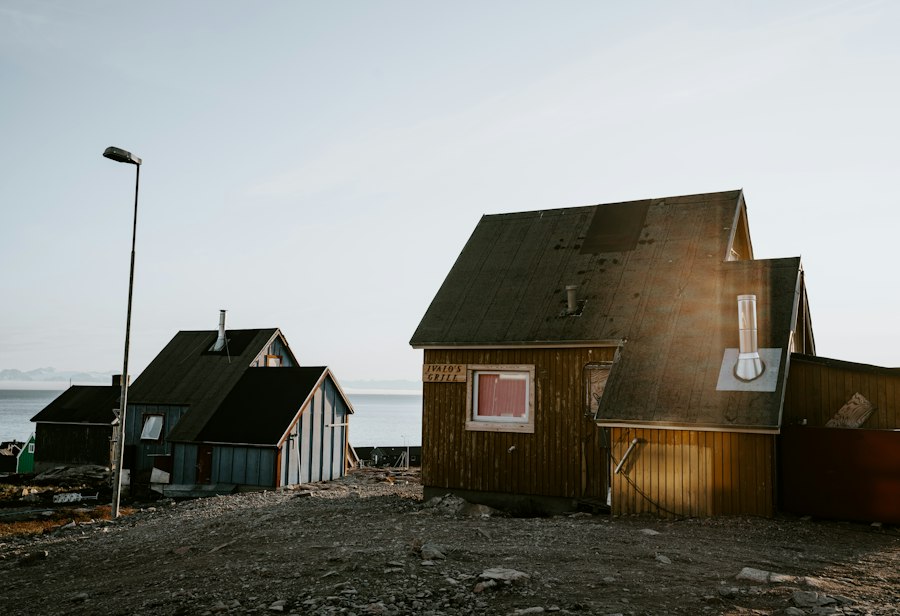
While climate change undoubtedly played a significant role, many scholars argue that the Greenland Vikings did not merely fall victim to natural forces. They also contend that the Norse themselves contributed to their downfall through unsustainable land use practices and the overexploitation of their environment. The settlers, accustomed to the more forgiving climates of Europe, may have brought with them farming methods that were ill-suited to the fragile Arctic ecosystem. The pressure to maintain their accustomed standard of living in a challenging new environment could have led to practices that ultimately undermined the very resources they depended upon. This perspective shifts some of the agency from passive victims to active participants in their own decline.
Farming Practices and Their Consequences
The Norse farming practices in Greenland involved clearing land for pastures and fields, often on steep slopes. While this was a common practice in Europe, the thinner soils and steeper topography of Greenland made them more vulnerable to erosion. Furthermore, their reliance on large herds of sheep and cattle meant that these animals were grazed intensively, stripping vegetation and compacting the soil. This overgrazing could have led to a gradual degradation of the land, reducing its ability to support plant life and making it more susceptible to wind and water erosion. The cumulative effect of these practices, coupled with a cooling climate, could have transformed once-fertile areas into unproductive wastelands. Archaeological evidence, including layers of sediment in bogs and lakes, indicates periods of increased erosion that coincide with the peak of Norse settlement. This suggests that their land use, while perhaps efficient in the short term, had long-term detrimental consequences.
Deforestation and Resource Depletion
Timber was a crucial resource for the Norse in Greenland. It was used for building houses, boats, tools, and fuel. However, Greenland is not a heavily forested island. The available timber, primarily from birch and willow, would have been finite. To meet their needs, the Norse likely cleared significant areas of natural vegetation for fuel and construction. This deforestation, especially in combination with overgrazing, would have exacerbated soil erosion and reduced the availability of resources. The inability to replenish their timber supplies due to the slow growth rates in the Arctic would have created a growing dependency on imports, which became increasingly difficult as environmental and political conditions in Europe changed. The long-term consequences of denuding the landscape of its limited tree cover would have been profound, impacting everything from shelter to fuel availability and further destabilizing the ecosystem.
The Fragile Arctic Ecosystem
The Arctic environment is inherently more fragile than temperate ecosystems. Recovery from disturbance is slower, and the interconnectedness of its components means that a disruption in one area can have far-reaching consequences. The Norse settlers, perhaps not fully understanding or appreciating this fragility, may have inadvertently pushed the ecosystem beyond its capacity to recover. Their introduction of domestic animals, the clearing of land, and their reliance on intensive resource use, all contributed to a strain on this delicate balance. The cumulative impact of these human activities, amplified by the natural environmental changes of the Little Ice Age, created a perfect storm that ultimately proved too much for the Viking settlements to withstand.
External Factors and the Fading Connections
While internal environmental factors are central to the debate, it is important to acknowledge that external forces also played a role in the eventual disappearance of the Greenland Vikings. Their isolation, while providing a degree of autonomy, also made them vulnerable to disruptions in trade and communication with Europe. Changes in political and economic landscapes in the Norse homelands, as well as the growing influence of other European powers, could have further marginalized the Greenland settlements. The loss of these vital external connections would have exacerbated their internal struggles.
The Decline of Trade and the Loss of Essential Goods
The Greenland Norse relied on trade with Europe for essential goods such as iron, timber, and luxury items. This trade was conducted using ships that sailed across the North Atlantic, a journey that became increasingly perilous as the climate cooled and ice conditions worsened. As the Little Ice Age intensified, the frequency and reliability of these voyages decreased. This meant a dwindling supply of crucial materials like iron, which was essential for toolmaking and agriculture. The inability to obtain these vital imports would have further hindered their ability to maintain their way of life and adapt to the changing environment. The economic viability of exporting Greenlandic goods, such as walrus ivory and furs, also likely diminished due to competition and shifting European demands.
The Black Death and its European Ripple Effect
The Black Death, which swept through Europe in the mid-14th century, had a devastating impact on populations and economies across the continent. While direct evidence of the plague’s impact on Greenland is scarce, its ripple effects would have been significant. The widespread death and societal disruption in Norway, the primary trading partner of Greenland, would have severely curtailed their ability to send ships or provide support. The loss of skilled mariners and the economic instability in Europe would have made continued voyages to Greenland less feasible and less of a priority. This disruption in their vital link to the outside world would have left the Greenlanders even more isolated and vulnerable.
The Rise of New European Powers and Shifting Geopolitics
As the medieval period progressed, new European powers began to emerge, and trade routes shifted. The Norse influence in the North Atlantic gradually waned. The growing dominance of Hansa League merchants and later the consolidation of power by nations like Denmark and Norway meant that the focus of European expansion shifted elsewhere. The Greenland settlements, perhaps seen as too remote and economically unviable by these rising powers, may have fallen off the radar. When European explorers and traders eventually returned to Greenland in later centuries, they found no trace of the Norse descendants, only the silent remnants of their abandoned settlements. The geopolitical landscape had changed, and the Greenland Vikings found themselves adrift in a world that had moved on.
The decline of the Greenland Vikings has often been attributed to various factors, including climate change and economic challenges, but recent discussions have highlighted the role of environmental mismanagement in their downfall. For a deeper understanding of how societal decisions can lead to catastrophic outcomes, you might find it interesting to explore a related article that examines the complexities of civil conflict and its implications on societal structures. This insightful piece can be found here, shedding light on how mismanagement in one area can resonate through history, much like the fate of the Vikings.
The Enduring Mystery and its Lessons
| Metric | Data/Value | Source/Notes |
|---|---|---|
| Period of Viking Settlement in Greenland | c. 985 AD to c. 1450 AD | Historical records and archaeological evidence |
| Average Temperature Decline During Little Ice Age | Approx. 1-2°C drop | Climate reconstructions from ice cores and tree rings |
| Deforestation Rate | Significant reduction in native birch forests | Pollen analysis from sediment cores |
| Soil Erosion Evidence | Increased erosion layers in archaeological sites | Geological surveys and sediment studies |
| Livestock Numbers | Estimated decline in sheep and cattle populations | Archaeozoological remains |
| Impact of Overgrazing | Degradation of pasture lands | Environmental and archaeological studies |
| Soil Fertility Decline | Reduced agricultural yields over time | Analysis of farmstead remains and crop residues |
| Sea Ice Expansion | Increased sea ice limiting marine resource access | Historical climate data and Norse sagas |
| Evidence of Dietary Shift | Increased reliance on marine resources over time | Stable isotope analysis of human remains |
| Conclusion on Environmental Mismanagement | Contributed to vulnerability but not sole cause of collapse | Consensus from multidisciplinary research |
The disappearance of the Greenland Vikings remains a compelling historical enigma, and while a definitive answer may elude us, the prevailing theory of environmental mismanagement, exacerbated by climate change and external factors, offers a powerful and plausible explanation. The story of the Norse in Greenland serves as a stark reminder of the complex interplay between human societies and their environments, and the potential consequences of unsustainable practices. It highlights the importance of understanding and respecting ecological limits, especially in vulnerable ecosystems.
Archaeological Clues and Scientific Interpretations
The archaeological evidence unearthed in Greenland provides a rich tapestry of information for historians and scientists to interpret. Excavations of Norse settlements have revealed changes in diet, farming techniques, and building styles that reflect periods of environmental stress. Analysis of animal bones shows a shift towards hunting and fishing, and a decline in the health of livestock. Pollen analysis from bogs and lakes reveals periods of increased erosion and vegetation change. Radiocarbon dating helps to pinpoint the timeline of these changes, correlating them with climatic shifts and the likely period of decline. Scientific investigations into ice cores and ocean sediment provide invaluable data on past climate conditions, allowing researchers to reconstruct the environmental challenges faced by the Norse. Together, these disciplines paint a compelling, albeit incomplete, picture of a society grappling with a changing world.
The Debate and the Synthesis of Evidence
The debate surrounding the demise of the Greenland Vikings has evolved over time. Early theories focused on more dramatic explanations, such as attacks by the Inuit or mass drownings. However, with advances in archaeology and environmental science, the focus has increasingly shifted towards a more nuanced understanding of the environmental factors. The current consensus among many scholars is that a combination of climate change and human impact led to the collapse of the Norse settlements. This synthesis of evidence from various fields offers a more comprehensive and convincing explanation than any single factor alone. It acknowledges the agency of the Norse in their own decline while also recognizing the significant role played by natural environmental forces beyond their control.
Lessons for the Modern World
The story of the Greenland Vikings offers profound lessons for our own time. In an era of accelerating climate change and increasing human pressure on the planet’s resources, their fate serves as a cautionary tale. The principles of sustainable resource management, the importance of understanding and respecting ecological limits, and the need for adaptation in the face of environmental change are more relevant than ever. The challenges faced by the Norse in Greenland, though on a smaller scale, echo the global environmental challenges we confront today. Their story encourages us to consider the long-term consequences of our actions and to strive for a more harmonious relationship with the natural world, lest we too, despite our technological advancements, find ourselves outmaneuvered by the very environment we inhabit. The enduring mystery of their disappearance is not just a historical footnote; it is a timely and urgent message for the present and future.
The Viking “Bison” Myth That Was Just Debunked
FAQs
What is the theory that environmental mismanagement led to the decline of the Greenland Vikings?
The theory suggests that the Vikings in Greenland overexploited their resources, such as deforestation for farming and hunting of walruses for ivory, leading to environmental degradation and ultimately contributing to their downfall.
How did the Greenland Vikings’ farming practices impact the environment?
The Vikings in Greenland practiced a form of slash-and-burn agriculture, which involved clearing land by burning forests. This practice led to soil erosion, loss of nutrients, and decreased agricultural productivity over time.
What role did climate change play in the decline of the Greenland Vikings?
Climate change, particularly the onset of the Little Ice Age, brought colder temperatures and shorter growing seasons to Greenland. This change in climate made it more challenging for the Vikings to sustain their agricultural practices and livestock, contributing to their struggle for survival.
How did the Greenland Vikings’ reliance on trade impact their sustainability?
The Greenland Vikings heavily relied on trade with Europe for essential goods like iron, timber, and grains. As their settlements became more isolated due to deteriorating environmental conditions and economic factors, their dependence on external resources became a vulnerability that further strained their society.
What lessons can be learned from the environmental mismanagement of the Greenland Vikings?
The decline of the Greenland Vikings serves as a cautionary tale about the importance of sustainable resource management, adaptation to changing environmental conditions, and the interconnectedness of human societies with their ecosystems. It highlights the need for balance and foresight in utilizing natural resources to ensure long-term societal resilience.