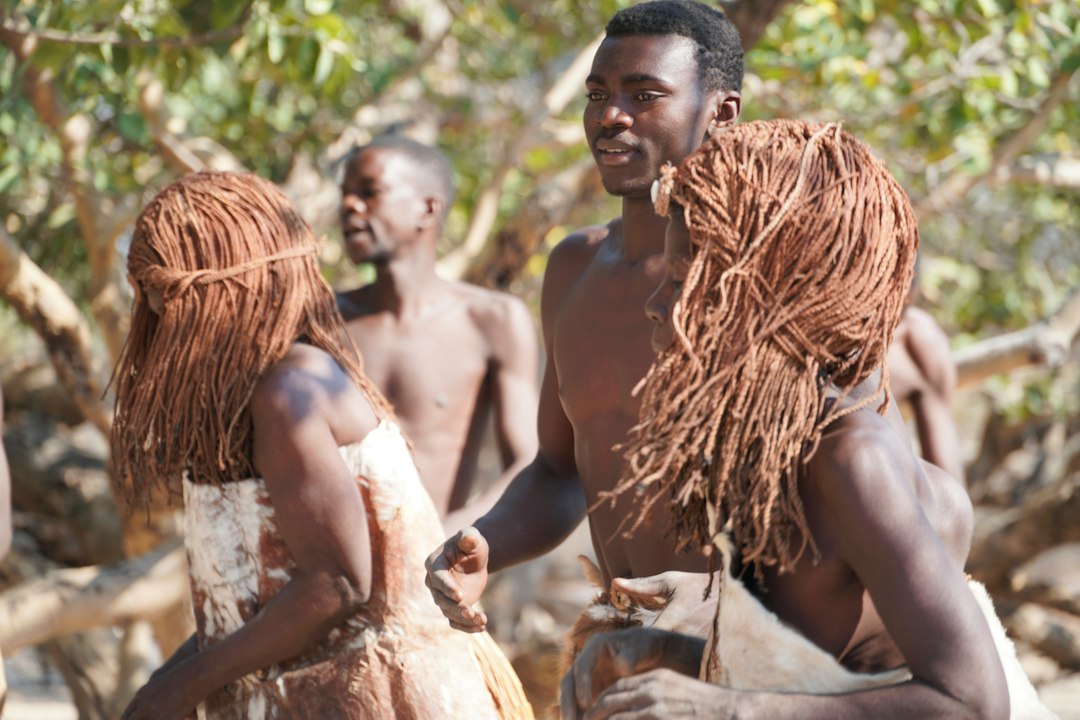
The lives of Late Paleolithic families were inextricably linked to the bounty and limitations of their environments. Their diets, a fundamental aspect of survival and well-being, were dictated by the seasons, the available flora and fauna, and the ingenuity of their hunter-gatherer lifestyles. Far from being a monotonous existence of raw meat, the dietary practices of these ancient peoples were surprisingly diverse and adaptable, reflecting a deep understanding of their surroundings. This exploration delves into what these primitive families ate, piecing together a picture of their sustenance through archaeological evidence, ethnographic comparisons, and scientific analysis.
The Foundation of Sustenance: Foraging for Plant Life
While the image of the Paleolithic hunter often overshadows other dietary components, the consumption of plant life formed a crucial and often underestimated pillar of primitive diets. These early humans were intimately familiar with the edible species in their territories, possessing a sophisticated knowledge passed down through generations. Their foraging activities provided a consistent source of calories, vitamins, minerals, and fiber, supplementing the more sporadic yields from hunting.
Identifying Edible Flora
The identification of specific plant species consumed by Late Paleolithic families is a challenging endeavor, relying heavily on indirect evidence. However, analyses of coprolites (fossilized feces) have revealed the presence of plant remains such as seeds, nuts, fruits, and roots. Microscopic examination of dental wear patterns on fossilized remains also suggests the consumption of fibrous plant material. Ethnographic studies of contemporary hunter-gatherer societies offer valuable parallels, demonstrating the diverse ways in which various plant parts can be utilized.
Seasonal Availability and Preparation
The availability of plant foods was inherently seasonal. In warmer months, fruits and berries would have been abundant, providing easily accessible sugars and nutrients. As these seasons waned, focus would shift to more calorically dense resources like nuts and seeds, which could be stored for later consumption. Roots and tubers, often requiring more effort to extract and prepare, would have been important staples, particularly during leaner periods. The processing of these plant materials was essential. Leaching toxins from certain roots, grinding nuts into flour, and drying fruits for preservation were likely common practices, showcasing early forms of food preparation and technology. The development of simple tools, such as grinding stones and digging sticks, would have greatly facilitated these activities.
Beyond Basic Nutrition: Medicinal and Cultural Significance
The role of plants in the Late Paleolithic diet likely extended beyond mere sustenance. It is plausible that these early communities possessed knowledge of medicinal plants, using them to treat ailments and promote healing. Certain plants may have also held cultural or spiritual significance, incorporated into rituals or ceremonies. The careful selection and use of these resources underscore a complex relationship between humans and their natural environment, one built on deep observation and practical application.
During the late Paleolithic era, primitive families primarily relied on a diet consisting of wild game, fish, fruits, nuts, and edible plants, which they gathered and hunted in their natural environment. This foraging lifestyle not only provided essential nutrients but also fostered a deep connection with the land and its resources. For a contemporary perspective on how we can preserve our land and combat environmental challenges, you can explore the article on desertification and land preservation at this link.
The Thrill of the Hunt: Protein from the Animal Kingdom
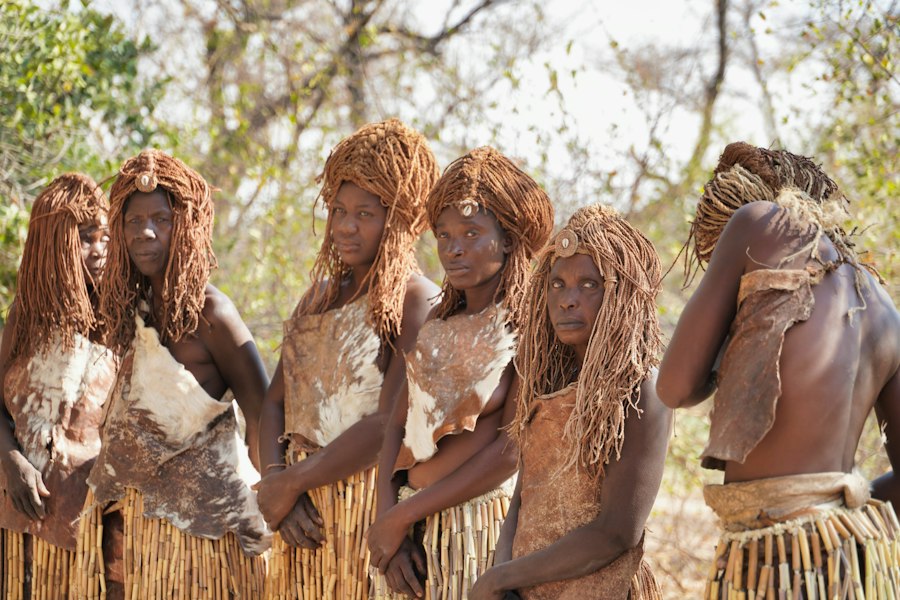
The hunting of animals undoubtedly played a significant role in the diet of Late Paleolithic families, providing essential protein, fats, and vital nutrients like iron and vitamin B12. While not the sole focus, the successful procurement of game was critical for survival, particularly in colder climates or during periods when plant resources were scarce. The hunting strategies and the types of animals targeted varied considerably depending on the geographical location and the prevailing environmental conditions.
Diverse Prey Spectrum
The prey animals available to Late Paleolithic hunters were diverse, ranging from small game to large megafauna. Evidence from kill sites and faunal remains at campsites reveals a broad spectrum of species. This included deer, wild horses, bison, aurochs, mammoths, woolly rhinoceros, and various smaller animals like rabbits, birds, and rodents. The opportunistic nature of hunter-gatherer diets meant that almost any animal that could be successfully hunted and processed would have been consumed. The adaptability to hunt different species allowed these groups to thrive across a variety of landscapes.
Hunting Technologies and Strategies
The success of Paleolithic hunting was predicated on the development and refinement of various hunting technologies and strategies. Spear throwers (atlatls), stone-tipped spears, bows and arrows (emerging towards the end of the period), and traps would have been crucial implements. Hunting likely involved a combination of individual efforts and coordinated group strategies. Stalking, ambushing, driving animals towards cliffs or natural traps, and cooperative pursuits were all likely employed. The success of these endeavors would have required considerable skill, knowledge of animal behavior, and effective communication within the group.
Butchering and Utilization of the Entire Animal
Once an animal was successfully brought down, the process of butchering was meticulous, ensuring that every usable part was utilized. This went far beyond simply extracting meat. Bones were cracked open for marrow, a highly nutritious source of fat. Hides were processed for clothing, shelter, and tools. Intestines could be used as containers or even for making cordage. Antlers and horns were fashioned into tools and ornaments. This holistic approach to animal resource utilization minimized waste and maximized the nutritional and material benefits derived from each kill, highlighting a profound understanding of resource management.
Beyond Meat and Roots: The Importance of Fats and Organ Meats
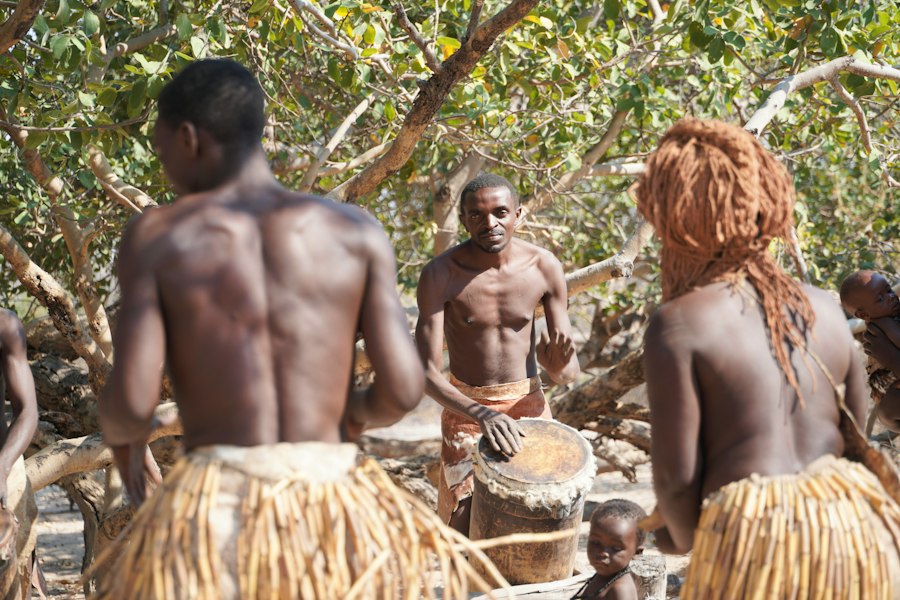
While muscle meat and plant matter formed the bulk of the diet, the consumption of animal fats and organ meats was particularly vital for the energetic and nutritional needs of Late Paleolithic families. These nutrient-dense components provided essential fatty acids, fat-soluble vitamins, and concentrated sources of energy that were crucial for survival, especially in challenging environments.
The Essential Role of Fat
Fat is a highly efficient energy source, providing more than twice the calories per gram compared to carbohydrates or proteins. For hunter-gatherer societies, particularly those living in colder regions or during winter months, accumulating sufficient fat reserves was paramount for maintaining body temperature and fueling strenuous activities like hunting and long-distance travel. Animal fats, readily available from hunted game, were a primary source of these essential calories. The fat content of prey animals often varied seasonally, with some species accumulating more fat during specific periods.
The Nutritional Powerhouse of Organs
Organ meats, such as liver, heart, and kidneys, were nutritional powerhouses for Paleolithic peoples. The liver, in particular, is rich in vitamin A, iron, copper, and B vitamins. These micronutrients are essential for a wide range of bodily functions, including vision, immune system health, and energy metabolism. The heart and kidneys also provided valuable protein and minerals. Consuming organ meats would have compensated for potential deficiencies in the diet, offering a broad spectrum of essential nutrients that muscle meat alone might not provide in sufficient quantities.
Utilizing Rendered Fat and Bone Marrow
Beyond direct consumption, animal fat was also rendered down and stored for later use. This process could involve heating fatty tissues to extract the liquid fat, which could then be preserved. Bone marrow, another high-fat and nutrient-rich resource, was accessed by smashing bones. The gelatinous marrow provided calories, minerals, and potentially even growth factors. The consistent inclusion of these high-energy, nutrient-dense foods was fundamental to the robust health and survival of Late Paleolithic populations.
Small Game, Aquatic Resources, and the Unseen Diet
While large game often captures the imagination, the diet of Late Paleolithic families was far more varied, encompassing smaller game, a range of aquatic resources, and potentially even insects. The efficient exploitation of these diverse food sources would have provided a more stable and resilient dietary base, mitigating the risks associated with relying solely on larger, more elusive prey.
The Ubiquity of Small Game and Avian Life
Small game animals, such as rabbits, hares, rodents, and various bird species, were likely a consistent and readily available food source for many Late Paleolithic groups. Their smaller size made them easier to hunt and capture, often with less risk and effort than pursuing large megafauna. The remains of these animals are frequently found in archaeological contexts, indicating their widespread consumption. Birds provided meat and eggs, while smaller mammals offered protein and fat. The diverse habitats occupied by these groups would have supported a rich array of small prey.
Exploiting Aquatic Environments
Where available, aquatic environments offered a significant and often predictable food source. Archaeological evidence suggests that Late Paleolithic peoples exploited rivers, lakes, and coastal areas. Fish, shellfish, and waterfowl would have been readily procurable. The development of rudimentary fishing technologies, such as nets, spears, and traps, would have enhanced their ability to harvest these resources. Shellfish, in particular, represent a valuable and easily accessible source of protein and minerals, often found in abundance in coastal middens (ancient garbage dumps).
The Potential of Insects and Other Minor Foods
While less directly evidenced archaeologically, the consumption of insects is a common dietary practice among many contemporary hunter-gatherer societies and is highly probable for our Late Paleolithic ancestors. Insects are a rich source of protein, fats, and micronutrients. Grubs, ants, and other edible insects would have been easily gathered and processed. Similarly, the consumption of eggs from various species, both avian and reptilian, would have provided a valuable nutritional supplement. These often-overlooked food sources would have contributed to the overall dietary diversity and resilience of these early human populations.
During the late Paleolithic era, primitive families primarily relied on a diverse diet that included wild game, fish, and foraged plants, which played a crucial role in their survival. Understanding the dietary habits of these early humans can provide insights into their lifestyle and the environment they inhabited. For a fascinating exploration of how ancient civilizations interacted with their surroundings, you might find this article on the Piri Reis map and its implications for our understanding of historical geography interesting. You can read more about it here.
Food Processing, Preservation, and Shared Meals
| Food Category | Examples | Nutritional Benefits | Typical Consumption |
|---|---|---|---|
| Meat | Wild game (deer, bison, mammoth), fish, birds | High protein, essential fats, iron, vitamin B12 | Primary source of calories, hunted regularly |
| Plants | Wild fruits, nuts, seeds, roots, tubers | Vitamins, minerals, fiber, carbohydrates | Seasonal gathering, supplemented meat diet |
| Insects and small animals | Insects, eggs, small reptiles | Protein, fats, micronutrients | Occasional consumption, opportunistic |
| Marine resources | Shellfish, seaweed, fish | Omega-3 fatty acids, iodine, protein | Consumed by coastal groups |
| Honey | Wild honey | Simple sugars, energy | Rare, opportunistic sweetener |
The successful procurement of food was only one part of the Late Paleolithic dietary equation. The methods employed for processing, preserving, and sharing these resources played a critical role in ensuring sustained nutrition and fostering social cohesion within family groups and larger communities. These practices reveal a sophisticated understanding of food management and a strong reliance on communal living.
Techniques for Processing and Preparation
Processing raw ingredients was essential to make food palatable, digestible, and safe. As mentioned earlier, grinding seeds into flour, leaching toxins from plants, and cooking over open fires were common practices. Cooking, in particular, would have broken down tough fibers, killed pathogens, and made nutrients more bioavailable. The discovery of hearths and evidence of controlled fire use at Paleolithic sites strongly supports the widespread practice of cooking. Different methods, such as roasting, boiling (if containers were available), and baking, were likely employed depending on the available resources and technology.
Strategies for Food Preservation
The ability to preserve food was crucial for surviving lean periods and for provisioning during longer journeys or seasonal migrations. Smoking and drying were likely primary methods for preserving meat and fish. By removing moisture, these techniques inhibited the growth of spoilage microorganisms. Certain plant foods, like seeds and nuts, could also be stored for extended periods, especially when kept in dry conditions. The creation of elevated storage areas or caches might have been employed to protect preserved foods from scavengers and the elements.
The Social Fabric of Shared Meals
Food was not merely sustenance; it was also a powerful social currency. The sharing of food, particularly after a successful hunt, would have been a cornerstone of Late Paleolithic social life. These communal meals would have reinforced bonds within the family unit and the wider band. Sharing resources helped to ensure that everyone, including the young, elderly, and infirm, had access to nourishment. This cooperative system of food distribution fostered trust, mutual reliance, and strengthened the social fabric, contributing to the overall success and survival of the group. The ritualistic aspects of sharing food, while speculative, may also have played a role in solidifying group identity and cultural practices.

Life 20,000 Years Ago | When an Ice Age Wildfire Traps Your Primitive Family
FAQs
What types of food did primitive families primarily consume during the late Paleolithic era?
During the late Paleolithic era, primitive families primarily consumed a diet that consisted of wild game, fish, fruits, nuts, seeds, and edible plants. They were hunter-gatherers, relying on hunting animals such as mammoths, deer, and smaller game, as well as foraging for plant-based foods.
How did the diet of primitive families vary by region during the late Paleolithic era?
The diet of primitive families varied significantly by region due to differences in climate, available flora and fauna, and local resources. For example, families in coastal areas had greater access to fish and shellfish, while those in forested regions relied more on game and wild fruits and nuts.
What methods did primitive families use to obtain their food?
Primitive families used various methods to obtain food, including hunting with spears, bows and arrows, and traps. They also gathered edible plants, fruits, and nuts, often moving seasonally to follow animal migrations and the availability of plant resources.
Did primitive families practice any form of food preservation during the late Paleolithic era?
While primitive families did not have advanced food preservation techniques, they employed methods such as drying, smoking, or freezing food in cold climates to extend the shelf life of their meat and fish. This allowed them to store food for times when hunting or foraging was less fruitful.
How did the nutritional content of the late Paleolithic diet compare to modern diets?
The late Paleolithic diet was generally high in protein and healthy fats, with a diverse range of vitamins and minerals from fruits, vegetables, and nuts. Compared to many modern diets, it was lower in carbohydrates and processed foods, which some studies suggest may contribute to better overall health outcomes.