Saudi Arabia, a land steeped in millennia of history and culture, is rapidly unveiling its extraordinary heritage to the world. While often celebrated for its modern marvels and vast deserts, the Kingdom also boasts an impressive collection of UNESCO World Heritage Sites, each a testament to the ingenuity, artistry, and enduring spirit of its people. These sites offer a profound glimpse into the region’s pivotal role in ancient trade routes, the birth of Islam, and the development of unique architectural and artistic traditions. For the discerning traveler seeking an immersive cultural experience, exploring these UNESCO-listed treasures is an indispensable journey.
Stepping Back in Time: Al-Ahsa Oasis – A Living Legacy of Water and Life
The Al-Ahsa Oasis, a sprawling green expanse in the Eastern Province, stands as the largest natural oasis on Earth and is recognized by UNESCO for its exceptional natural and cultural significance. It is not merely a geographical feature but a vibrant, living testament to human adaptation and harmonious coexistence with a challenging environment. The oasis represents an ancient civilization’s mastery of water management, a critical element in the arid Arabian Peninsula, and its designation underscores its profound importance to both the natural world and human history.
The Ingenuity of Ancient Water Systems
At the heart of Al-Ahsa’s UNESCO status lies its intricate and sophisticated system of irrigation. For centuries, the inhabitants have developed and maintained an elaborate network of over 30,000 wells, springs, and canals that channel the life-giving waters from subterranean aquifers to irrigate the fertile land. This ancient engineering marvel has allowed for sustained agriculture, transforming a desert landscape into a lush haven teeming with date palm groves, fruit orchards, and verdant fields. The sheer scale and longevity of these water management techniques are awe-inspiring, showcasing a deep understanding of hydrology and a commitment to sustainable resource utilization that predates modern technology. Visitors can witness firsthand the ingenious methods employed to harness and distribute water, gaining an appreciation for the ingenuity that has sustained life in this region for millennia. The preservation of these systems is crucial, offering valuable insights into pre-industrial water management practices that could inform contemporary approaches to water scarcity.
A Tapestry of Cultures and Settlements
Beyond its hydrological wonders, Al-Ahsa Oasis is dotted with historic settlements, each bearing the imprints of successive civilizations. The architecture reflects a unique blend of influences, from traditional Arabian styles to more recent Ottoman and Persian touches. The town of Hofuf, a central hub within the oasis, boasts a magnificent historical fortress, Qasr Ibrahim, which offers panoramic views and a glimpse into the region’s defensive past. Nearby, the ancient city of Ubayr also whispers tales of bygone eras. The traditional houses, with their courtyards, windcatchers (badgirs), and intricate mud-brick construction, are a testament to vernacular architecture adapted to the local climate. Exploring these settlements allows one to trace the cultural evolution of the region, observing how different communities interacted, traded, and shaped the unique identity of Al-Ahsa. The vibrant souks, where local crafts and produce are still traded, offer a sensory immersion into the living heritage of the oasis.
The Economic and Social Heart of the Region
For centuries, the Al-Ahsa Oasis has been a vital economic engine, primarily through its cultivation of dates. The region is renowned for producing some of the finest dates in the world, with numerous varieties cultivated and traded. This agricultural prosperity fostered a rich social fabric, supporting diverse communities and influencing trade routes that connected the Arabian Peninsula to the wider world. The oasis was a crucial stop for caravans, serving as a vital source of sustenance and a center for commerce. Understanding the economic history of Al-Ahsa provides context for its strategic importance throughout different historical periods and highlights the deep connection between its people and the land. The annual date harvest remains a significant cultural event, bringing communities together and celebrating the enduring bounty of the oasis.
Saudi Arabia is home to a rich tapestry of heritage sites that reflect its ancient history and cultural significance. Among these, the archaeological wonders of Al-Ula and the historic city of Diriyah stand out as prime examples of the kingdom’s commitment to preserving its past. For those interested in exploring how heritage intersects with modern advancements, a fascinating article on the potential of lunar resources can be found here: Exploiting Lunar Resources: The Commercial Frontier. This piece delves into the future of exploration and resource management, drawing intriguing parallels to the preservation efforts of heritage sites on Earth.
Unearthing Ancient Civilizations: Al-Hijr Archaeological Site (Madâin Sâlih) – A Nabataean Marvel in the Desert
Al-Hijr, also known as Madâin Sâlih, is Saudi Arabia’s first UNESCO World Heritage Site and a breathtaking testament to the grandeur of the Nabataean civilization. Located in the Al-Madinah region, this remarkable archaeological site stands as a silent sentinel to a sophisticated society that thrived in this desert landscape over two millennia ago. Its impressive preservation, particularly its monumental tomb façades carved directly into sandstone outcrops, makes it an unparalleled window into the past.
The Echoes of the Nabataean Kingdom
The Nabataeans were a prosperous Arab people who established a vast trading empire, with their capital at Petra in modern-day Jordan. Al-Hijr, their southern outpost, served as a crucial hub on the incense and spice trade routes connecting Arabia with the Mediterranean world. The site flourished between the 1st century BCE and the 1st century CE, a period of immense wealth and cultural exchange. The Nabataeans were not only skilled traders but also adept architects and engineers, capable of carving elaborate structures from the very rock of the desert. Their ability to harness scarce water resources and establish thriving settlements in such an arid environment is a testament to their resilience and ingenuity. Visiting Al-Hijr offers a tangible connection to this once-powerful civilization, allowing one to walk in the footsteps of ancient merchants and marvel at their enduring legacy.
Monumental Tombs: Artistry in Stone
The most striking feature of Al-Hijr is its collection of well-preserved tomb façades. Over 90 of these monumental structures are carved directly into the sheer faces of sandstone mountains, each a masterpiece of Nabataean artistry and architectural prowess. These façades display a distinctive style, blending Hellenistic, Roman, and Egyptian architectural elements with local Arabian motifs. Intricate carvings adorn the entrances, depicting deities, mythological figures, and inscriptions in the Nabataean script. Notable among these are the imposing tomb of Qasr al-Farid (the Lonely Castle) and the striking ensemble known as Jabal al-Masa. The scale and detail of these carvings are extraordinary, demonstrating a sophisticated understanding of stonemasonry and a deep spiritual belief system that sought to honor the deceased with enduring monuments. The sheer number of these tombs also speaks to the prosperity and population of the ancient city.
Roman Influence and Later Habitation
After the Roman annexation of the Nabataean kingdom in 106 CE, Al-Hijr continued to be inhabited and even saw further development under Roman rule. Evidence of Roman influence can be seen in the construction of a fortified citadel and a segment of the Roman road that passed through the site. Later, the area also served as a stopping point for pilgrims on the Hajj route, with remnants of caravanserais and wells indicating its continued importance as a resting place. This layered history adds another dimension to Al-Hijr, showcasing how the site evolved and was utilized by different cultures over centuries. The juxtaposition of Nabataean rock-cut architecture with later Roman fortifications provides a unique historical narrative, revealing the site’s enduring strategic and economic significance.
Charting the Cradle of Islam: Historic Jeddah – A Gateway to the Red Sea
Historic Jeddah, a UNESCO World Heritage Site situated on the Red Sea coast, represents a vibrant crossroads of trade, culture, and pilgrimage for centuries. As the principal port for Mecca and Medina, it has played an indispensable role in the dissemination of Islam and the exchange of ideas and goods across continents. Its well-preserved old town, Al-Balad, is a living museum, offering an immersive experience of Saudi Arabia’s rich maritime history and architectural heritage.
Al-Balad: A Living Museum of Red Sea Architecture
The historic district of Al-Balad is the soul of Jeddah’s UNESCO designation. Its narrow, winding alleyways are lined with a distinctive architectural style characterized by tall, multi-story buildings constructed from coral stone and adorned with intricately carved wooden balconies known as “rawasheb.” These balconies, often painted in vibrant colors, are a hallmark of Jeddah’s vernacular architecture, providing shade and ventilation to the interiors while adding a unique aesthetic charm. The buildings themselves, some dating back to the 7th century CE, showcase a harmonious blend of Arabian, Ottoman, and Indian influences, reflecting Jeddah’s status as a cosmopolitan trading port. Walking through Al-Balad is like stepping back in time, with the bustling souks, traditional houses, and the scent of spices creating an evocative atmosphere that transports visitors to a bygone era.
The Gateway for Pilgrims and Traders
For over a millennium, Jeddah has served as the primary port of entry for Muslim pilgrims arriving from across the globe to perform the Hajj. This constant influx of visitors from diverse backgrounds has profoundly shaped Jeddah’s cultural identity, fostering a spirit of openness and hospitality. The city’s role as a gateway extended beyond religious devotion, as it also served as a vital trading hub. Goods from Africa, Asia, and Europe passed through Jeddah, contributing to its economic prosperity and making it a melting pot of cultures. The historical significance of Jeddah as a point of convergence for people and ideas is palpable as one explores its ancient mosques, bustling marketplaces, and the remnants of its historical fortifications, which once protected this vital city. The city’s transformation from a humble fishing village to a major international port underscores its enduring importance in regional and global history.
Preserving a Unique Heritage for the Future
The UNESCO designation for Historic Jeddah underscores the importance of preserving its unique architectural and cultural heritage for future generations. Significant efforts have been made to restore and conserve the historic buildings in Al-Balad, ensuring that the distinctive character of the district is maintained. This preservation work involves meticulous attention to detail, utilizing traditional materials and techniques to repair and revitalize the coral stone structures and wooden elements. The ongoing restoration projects not only safeguard the physical fabric of the city but also preserve the intangible heritage associated with it, such as traditional crafts, music, and culinary traditions. By protecting Al-Balad, Saudi Arabia is ensuring that this vital link to its past remains accessible and appreciated, offering invaluable insights into the Kingdom’s historical depth and cultural richness. The vibrant community life that continues within Al-Balad is a testament to the resilience of this historic quarter.
Tracing Ancient Routes: Rock Art of the Hail Region – A Visual Chronicle of Early Human Life
The Rock Art of the Hail Region, a collection of UNESCO World Heritage Sites scattered across the northern part of Saudi Arabia, offers an extraordinary visual chronicle of early human life in the Arabian Peninsula. These ancient petroglyphs and inscriptions, etched onto the surfaces of rocks and cliffs, provide a direct and compelling glimpse into the activities, beliefs, and environments of people who lived thousands of years ago.
A Window into Prehistoric Life
The rock art in the Hail region, particularly at sites like Jubbah and Shuwaymis, dates back as far as 10,000 years. The images depict a diverse range of subjects, including human figures engaged in hunting, dancing, and combat, as well as a rich array of fauna that once roamed the region. These include depictions of camels, ibex, lions, and even extinct species, offering invaluable insights into the paleoenvironment and the changing climate of the Arabian Peninsula. The style and techniques employed in creating these artworks vary, suggesting different periods of artistic development and cultural practices. The sheer volume and complexity of the rock art panels reveal a society with a deep connection to its surroundings and a sophisticated capacity for symbolic representation. Studying these images allows archaeologists and historians to reconstruct aspects of daily life, social structures, and the spiritual world of these ancient peoples.
The Significance of Inscriptions and Symbols
Beyond the figural representations, the Hail region is also home to numerous Nabataean and Kufic inscriptions. These epigraphic findings are crucial for understanding the linguistic evolution of the region and the movements of ancient peoples. The presence of Nabataean script indicates trade and cultural contact with their expanding kingdom, while the Kufic inscriptions point to later Islamic periods and the continued use of these areas. The symbols and motifs found within the rock art also hold significant meaning, potentially representing totemic animals, celestial observations, or ritualistic practices. Deciphering these visual languages is an ongoing process, but each new discovery contributes to a richer understanding of the symbolic systems and belief structures of the ancient inhabitants. The careful dating and analysis of these inscriptions provide chronological anchors for the broader study of Arabian prehistory and history.
A Landscape Steeped in History
The rock art sites are not isolated phenomena but are embedded within a broader landscape that bears witness to human activity over millennia. The surrounding geological formations, such as the sandstone outcrops of Jubbah and the volcanic plains of Shuwaymis, provided natural canvases for these ancient artists. Evidence of ancient settlements, such as stone tools and hearths, are often found in proximity to the rock art, further contextualizing its creation within active human habitation. The accessibility of these sites also suggests their importance for nomadic pastoralists and traders who traversed these routes. The Hail region, therefore, represents not just a collection of artworks but a holistic archaeological landscape that tells a continuous story of human presence and adaptation. The ongoing research and conservation efforts at these sites are vital for protecting this irreplaceable visual record of human history.
Saudi Arabia is home to a rich tapestry of heritage sites that reflect its diverse history and culture. Among these, the ancient city of Al-Ula stands out, showcasing stunning rock formations and archaeological treasures that date back thousands of years. For those interested in exploring the complexities of global heritage and its implications, a related article can provide valuable insights. You can read more about navigating international relations and their impact on cultural preservation in this comprehensive guide. For further details, check out the article here.
Guardians of a Spiritual Legacy: At-Turaif District in Diriyah – The Birthplace of the First Saudi State
| Heritage Site | Location | UNESCO Designation Year | Significance | Area (hectares) |
|---|---|---|---|---|
| Al-Hijr Archaeological Site (Madâin Sâlih) | Al-Ula, Medina Region | 2008 | First UNESCO World Heritage Site in Saudi Arabia; Nabatean tombs and rock-cut architecture | 52 |
| At-Turaif District in ad-Dir’iyah | Riyadh | 2010 | Historic center of the first Saudi state; mud-brick architecture | 3.5 |
| Historic Jeddah, the Gate to Makkah | Jeddah | 2014 | Old town with traditional architecture and gateway for pilgrims to Makkah | 0.6 |
| Rock Art in the Hail Region | Hail | 2015 | Extensive petroglyphs and rock inscriptions dating back thousands of years | 2,243 |
| Al-Ahsa Oasis, an Evolving Cultural Landscape | Al-Ahsa, Eastern Province | 2018 | Largest oasis in the world with historic irrigation systems and cultural heritage | 82,000 |
The At-Turaif District in Diriyah, on the outskirts of Riyadh, is a monumental UNESCO World Heritage Site that stands as the very birthplace of the First Saudi State. This historic settlement, built from traditional Najdi mud-brick architecture, encapsulates the political, spiritual, and cultural foundations of modern Saudi Arabia. Its meticulous preservation and ongoing restoration efforts offer a profound journey into the origins of the Kingdom.
The Architectural Roots of Najd
The At-Turaif District is a stunning example of traditional Najdi architecture, characterized by its imposing mud-brick structures, thick walls, and distinctive triangular crenellations. The houses, palaces, and mosques are built using locally sourced materials, predominantly mud and stone, with palm fronds used for roofing. This vernacular style is perfectly adapted to the harsh desert climate, offering insulation against the heat and resilience against the elements. Wandering through the district, one can witness the grandeur of palaces like the Salwa Palace, which served as the seat of power for the ruling Al Saud family during the First Saudi State. The intricate courtyards, traditional doorways, and defensive walls speak to a sophisticated understanding of urban planning and construction techniques prevalent in the Nejd region for centuries. The visual impact of the district, with its earthy tones and imposing scale against the desert backdrop, is unforgettable.
The Cradle of Islamic Reform and Political Unification
The significance of Diriyah extends far beyond its architectural beauty; it is the historical heartland where the Al Saud dynasty, in alliance with the religious reformer Muhammad ibn Abd al-Wahhab, laid the groundwork for the unification of Arabia in the mid-18th century. Diriyah served as the capital of the First Saudi State, a period marked by the consolidation of political power and the propagation of a specific interpretation of Islam. The mosques and gathering places within At-Turaif were central to this movement, fostering a sense of shared identity and purpose. Exploring the district allows for an understanding of the complex historical forces that shaped the Arabian Peninsula and led to the eventual formation of the Kingdom of Saudi Arabia. The remnants of this foundational era are a powerful reminder of the enduring legacy of the Al Saud family and their role in shaping the nation.
A Vision for Preservation and Cultural Tourism
The UNESCO recognition of At-Turaif District signifies a commitment to preserving this vital historical site and sharing its narrative with the world. Extensive restoration projects have been undertaken to bring the district back to its former glory, meticulously reconstructing buildings and recreating the atmosphere of its zenith. The site has been developed to welcome visitors, offering educational experiences, immersive exhibitions, and guided tours that bring its history to life. Museums within the district showcase artifacts, historical documents, and interactive displays, providing deeper insights into the political, religious, and social life of the First Saudi State. The At-Turaif District in Diriyah is not merely a collection of old buildings; it is a living monument, a testament to Saudi Arabia’s rich heritage, and a cornerstone of its national identity, poised to become a significant destination for cultural tourism.
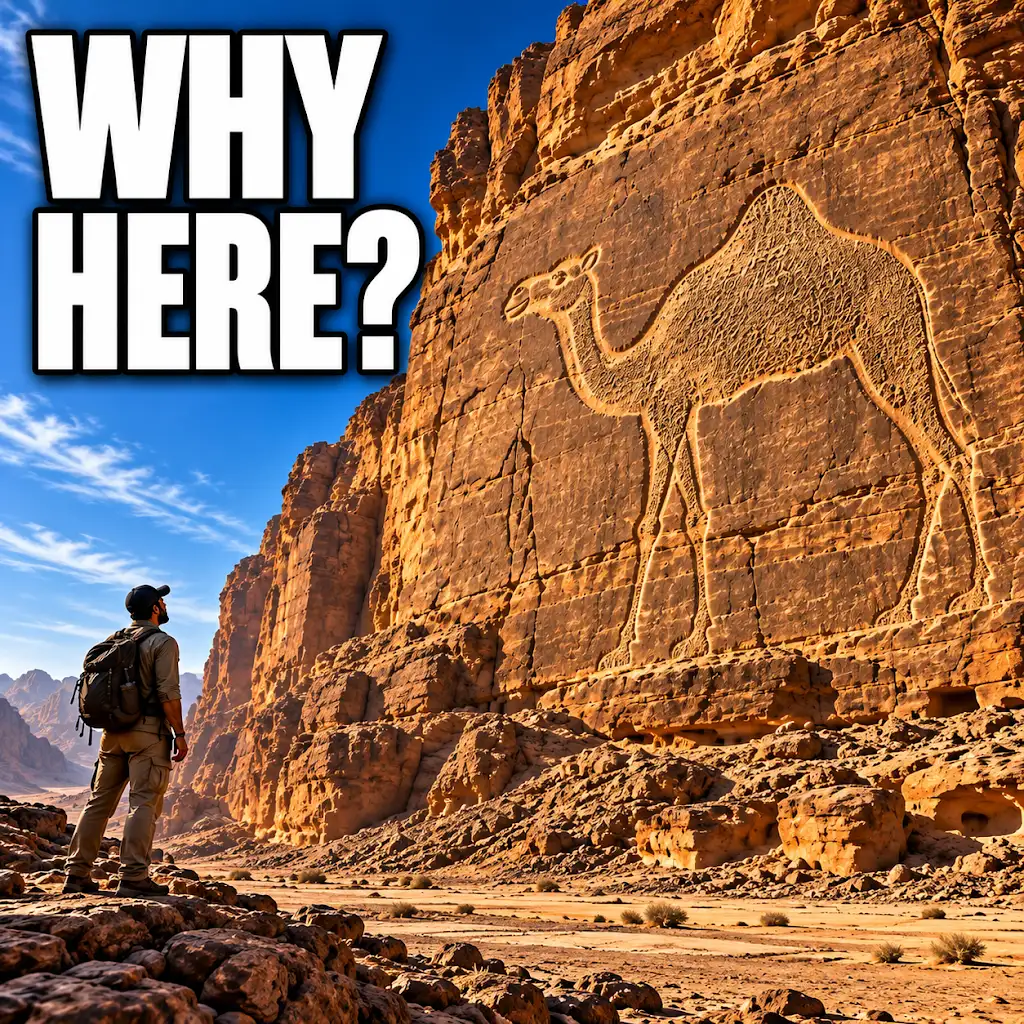
Why Were Giant Camels Carved Above the Desert?
FAQs
What are some famous heritage sites in Saudi Arabia?
Some famous heritage sites in Saudi Arabia include Al-Ula, Diriyah, Mada’in Saleh, Jeddah Historical District, and At-Turaif District in ad-Dir’iyah.
Are heritage sites in Saudi Arabia open to the public?
Yes, many heritage sites in Saudi Arabia are open to the public for visitors to explore and learn about the rich history and culture of the region.
How are heritage sites in Saudi Arabia preserved?
Heritage sites in Saudi Arabia are preserved through various methods such as restoration, conservation, documentation, and promotion of cultural awareness among the local community and visitors.
Why are heritage sites in Saudi Arabia important?
Heritage sites in Saudi Arabia are important as they provide a glimpse into the country’s history, culture, and traditions, helping to preserve and showcase its rich heritage for future generations.
Can tourists visit heritage sites in Saudi Arabia?
Yes, tourists can visit heritage sites in Saudi Arabia, but it is important to respect the cultural norms and regulations while exploring these sites.