The arid landscapes of Persia, for millennia, have borne witness to the ingenuity of its people, a testament to their deep understanding of the environment and their remarkable ability to harness its forces. Among the most striking and enduring examples of this ancient wisdom is the Badgir, the Persian windcatcher. More than just an architectural element, the Badgir is a sophisticated, passive cooling system that has graced rooftops across Iran for centuries, offering respite from the scorching sun and a testament to a civilization that lived in harmony with nature.
The Badgir, literally translating to “wind-catcher,” is a direct response to the challenges posed by a climate characterized by extreme temperatures. In regions where scorching summers are the norm, and air conditioning is a modern luxury, the need for effective and sustainable cooling solutions was paramount. The origins of the Badgir are deeply rooted in the ancient Persian civilization, whose sophisticated understanding of meteorology and physics laid the groundwork for its development. While pinpointing an exact date for its invention is difficult, archaeological evidence suggests that windcatchers were in use as early as the Sasanian Empire (224-651 CE), and possibly even earlier. The very concept of utilizing wind for ventilation and cooling is likely much older, evolving organically from simple openings in buildings to the complex, multi-directional structures we recognize today.
The Evolutionary Path of Passive Cooling
The initial iterations of wind-catching structures might have been rudimentary, perhaps simple openings designed to channel prevailing breezes. However, as architectural techniques advanced and a deeper understanding of airflow dynamics emerged, these structures evolved into the iconic Badgirs. The need for efficient cooling was not solely for comfort; it was also crucial for preserving food, water, and for maintaining stable environments for crafts and other essential activities. The development of the Badgir can be seen as a natural progression of architectural solutions driven by environmental necessity and a desire for comfort without relying on artificial energy.
Environmental Necessity: A Driving Force
The arid and semi-arid climates of Persia, encompassing vast deserts and sun-baked plains, demanded innovative approaches to thermal regulation. Without the natural ventilation and cooling provided by the Badgir, life in these regions would have been significantly more challenging, especially during the oppressive summer months. The Badgir’s design directly addresses the prevailing wind patterns and temperature differentials, making it a highly effective and sustainable solution. Its emergence is a powerful illustration of how human civilizations have adapted and thrived by working with their environment, rather than against it.
The ancient Persian windcatcher, or badgir, is a remarkable architectural feature that showcases the ingenuity of traditional Persian design in harnessing natural elements for climate control. For those interested in exploring how historical practices intersect with modern governance and economic policies, a related article discusses the implications of Executive Order 6102, which mandated the confiscation of gold in the United States. This article can be found at The Impact of Executive Order 6102: Gold Confiscation.
The Anatomy of Ingenuity: Deconstructing the Badgir’s Design and Mechanics
The Badgir is a marvel of passive engineering, its effectiveness stemming from a clever combination of architectural features and the fundamental principles of physics. Its design is not arbitrary; each component plays a crucial role in its cooling capabilities. The typical Badgir consists of a tall, often ornate, tower-like structure that rises above the roofline of a building. This tower is divided into one or more vertical shafts, each designed to capture wind from specific directions. The shape and orientation of these shafts are critical, and often vary depending on the prevalent wind patterns of the region.
The Tower: A Vertical Conduit for Air
The imposing height of the Badgir is not merely for aesthetic appeal; it is a deliberate design choice. By extending above the ground level and surrounding structures, the Badgir can access cleaner, cooler, and more consistent winds. At higher altitudes, the air is often less stagnant and can be more easily channeled downwards. The tower’s robust construction, typically from materials like mud brick, stone, or baked clay, provides insulation and durability, ensuring its longevity and effectiveness. The sheer presence of the Badgir on a building’s silhouette immediately signifies its purpose: to interact with and draw in the external environment.
The Shafts: Directing the Breeze
The interior of the Badgir is characterized by one or more vertical shafts. These shafts are the primary conduits through which wind is drawn into the building. The number of shafts can vary, with some Badgirs featuring only one, while others possess four, facing the cardinal directions. This multi-directional design allows the Badgir to capture wind regardless of its origin, maximizing its efficiency. The internal surfaces of these shafts are often smooth, reducing air resistance and ensuring a more efficient flow of air. In some more sophisticated designs, the shafts might have internal baffles or louvers to further control and direct the airflow.
The Cardinal Orientation: Maximizing Wind Capture
The orientation of the Badgir’s shafts is a key factor in its effectiveness. In many traditional designs, shafts are strategically positioned to capture prevailing winds. For instance, if a region experiences strong winds from the north during the summer, the northern shaft would be designed to be the most prominent and efficient. However, many Badgirs are designed with multiple shafts facing different directions, enabling them to catch wind from any quarter. This adaptability ensures that the cooling system remains functional even when wind conditions change. The careful consideration of local microclimates and wind patterns is a hallmark of the Badgir’s intelligent design.
The Wind Cowl: The Apex of Aerodynamics
At the apex of each shaft, a specialized opening, often referred to as a “wind cowl” or “wind trap,” is situated. These cowls are ingeniously shaped to funnel wind into the shaft. They can be open, with decorative louvers, or designed with curved surfaces that exploit the Venturi effect to increase the velocity of the incoming air. The design of the wind cowl is crucial for maximizing the amount of wind captured, and its form often contributes significantly to the aesthetic appeal of the Badgir. The intricate detailing of these cowls speaks to the craftsmanship and artistic sensibilities of the builders.
The Escape Route: Outlets for Stale Air
While the Badgir excels at bringing in cool air, it is equally important for expelling warm, stale air from the interior. This is achieved through dedicated exhaust vents, often located at lower levels within the building or in a different part of the Badgir itself. The continuous flow of cool air entering from the Badgir creates a pressure difference that naturally pushes the warmer air out, facilitating a constant circulation of fresh air. This interplay between intake and exhaust is fundamental to the Badgir’s success in maintaining a comfortable internal temperature.
The Magic Within: How the Badgir Achieves Cooling

The Badgir’s cooling capabilities are not solely due to the influx of wind. A crucial element of its design involves the interaction of air with water, a sophisticated process that significantly enhances its cooling potential. This process is particularly evident in designs that incorporate a water source, often a qanat (underground aqueduct) or a cistern, located below the Badgir. As the wind descends through the shafts, it passes over a pool of water or damp surfaces. The evaporation of this water absorbs heat from the air, thus cooling it before it enters the living spaces.
Evaporative Cooling: Nature’s Refrigerator
The principle of evaporative cooling is central to the Badgir’s efficacy. When water evaporates, it requires energy, which it draws from its surroundings – in this case, the air. This process is similar to how sweating cools the human body. The dry desert air is particularly conducive to high rates of evaporation, making the Badgir exceptionally effective in such environments. The cool, moist air then circulates throughout the building, providing a refreshing reprieve from the external heat. This natural phenomenon, harnessed with architectural brilliance, is the secret to the Badgir’s cooling prowess.
The Role of Water: A Coolant and a Life Source
In many Badgirs, the cooling process is directly linked to a water source. This could be a simple cistern into which water is channeled, or more complex systems where water flows down internal channels within the Badgir’s shafts. The constant presence of water, readily available due to sophisticated irrigation systems like the qanat, is what allows the Badgir to achieve significant temperature reductions. The water not only cools the air but also adds a measure of humidity, which can be beneficial in extremely dry climates. The integration of water management and cooling is a testament to the holistic approach of Persian engineering.
Qanat Integration: A Symbiotic Relationship
The qanat system, an ancient network of underground water channels, is often intrinsically linked with the Badgir. Water from the qanat could be directed to pools or reservoirs located beneath the Badgir, creating an ideal scenario for evaporative cooling. This symbiotic relationship highlights how different elements of Persian infrastructure were designed to work in concert, optimizing resource utilization and environmental adaptation. The qanat provided the life-giving water, and the Badgir, in turn, utilized it to create habitable spaces.
Air Velocity and Pressure Dynamics: Enhancing Airflow
The design of the Badgir also leverages fundamental principles of air velocity and pressure. As wind enters the wider opening of the wind cowl and funnels into the narrower shafts, its velocity increases, a phenomenon governed by Bernoulli’s principle. This accelerated airflow creates a lower pressure zone within the shaft, further drawing air down from above. This natural suction effect enhances the overall circulation and ensures that a steady stream of cool air is delivered to the interior. The subtle manipulation of these physical forces contributes significantly to the Badgir’s efficiency.
Iconic Structures and Regional Variations: The Diversity of the Badgir
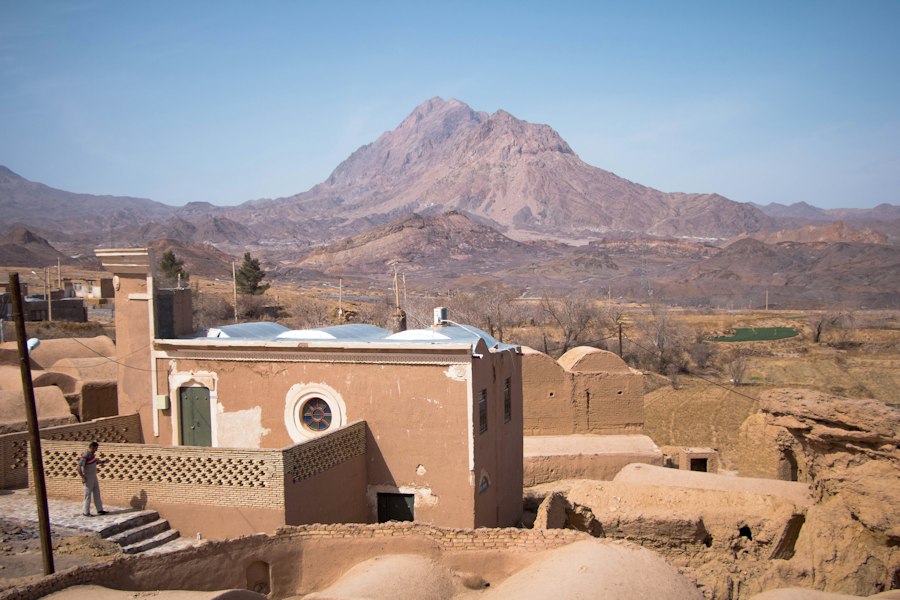
While the fundamental principles remain consistent, the Badgir is not a monolithic entity. Its design and appearance vary considerably across different regions of Persia, reflecting local architectural traditions, available materials, and specific climatic conditions. These variations are not just aesthetic; they often represent subtle but effective adaptations to local needs and environmental nuances. From the imposing structures of Yazd to the more modest designs found in other provinces, each Badgir tells a story of its place and purpose.
Yazd: The City of Windcatchers
The city of Yazd, situated in the heart of the Dasht-e Kavir desert, is arguably the most famous for its Badgirs. The city’s skyline is dominated by these iconic towers, many of which are remarkably tall and intricately decorated. Yazd’s Badgirs are renowned for their efficiency, having been perfected over centuries of adaptation to the extreme desert climate. The sheer concentration of well-preserved Badgirs in Yazd makes it an unparalleled destination for understanding and appreciating this ancient technology. The city’s identity is intrinsically linked to its windcatchers, a constant reminder of its architectural heritage.
Kashan and Other Regions: Diverse Expressions
Beyond Yazd, Badgirs can be found in many other Persian cities and villages, each with its unique characteristics. In Kashan, for example, Badgirs might be integrated into more elaborate courtyard houses, serving not only residential but also public spaces. In some regions, they might be simpler, more functional structures, while in others, they might be adorned with elaborate brickwork and decorative elements. These regional variations demonstrate the adaptability of the Badgir design and its widespread adoption throughout the Persian plateau. The diversity speaks to the ingenuity and localized application of a universal principle.
Materiality and Ornamentation: Craftsmanship in Form
The materials used in constructing Badgirs also vary. While mud brick is common in desert regions due to its excellent thermal insulation properties, stone and fired bricks are also employed. The ornamentation of Badgirs is another area of significant variation. Some are left relatively plain, emphasizing their functional purpose, while others are adorned with intricate patterns of brickwork, geometric designs, or even calligraphy. These decorative elements are not merely aesthetic; they can also play a role in the aerodynamics of the structure, guiding airflow and adding visual interest.
Multifunctionality: Beyond Cooling
While primarily known for cooling, Badgirs could also serve other functions. In some instances, they were designed to capture prevailing winds and direct them into workshops, providing ventilation for activities that produced dust or fumes. In certain homes, the cool air generated by the Badgir was channeled into subterranean living spaces, providing a further layer of thermal comfort. The Badgir, therefore, was not just a passive cooling device; it was an integrated element of a broader architectural and environmental strategy.
The badgir, an ancient Persian windcatcher, exemplifies the ingenuity of traditional architecture in harnessing natural elements for climate control. This fascinating structure not only served as a cooling mechanism but also played a vital role in the cultural and social dynamics of Persian life. For those interested in exploring how ancient practices can influence modern strategies, a related article discusses the strategic importance of celestial bodies in various cultures, which can be found here. Understanding these connections can deepen our appreciation for historical innovations like the badgir.
The Legacy of the Badgir: Enduring Relevance in a Modern World
| Metric | Description | Value / Detail |
|---|---|---|
| Origin | Region and culture where Badgir was developed | Ancient Persia (modern-day Iran) |
| Primary Function | Main purpose of the Badgir | Natural ventilation and cooling |
| Typical Height | Average height of a Badgir tower | 5 to 15 meters |
| Number of Openings | Number of wind-catching openings on the tower | Usually 4 (one on each side) |
| Cooling Effect | Temperature reduction inside buildings using Badgir | Up to 15°C (27°F) cooler than outside air |
| Material | Common construction materials | Adobe, mud brick, plaster |
| Airflow Rate | Estimated airflow through a typical Badgir | Up to 1000 cubic meters per hour |
| Historical Age | Approximate age of the oldest Badgirs | Over 1000 years old |
| Climate Adaptation | Type of climate where Badgirs are most effective | Hot, arid desert climates |
| Energy Consumption | Energy used for cooling with Badgir | Zero (passive cooling system) |
The Badgir, a testament to ancient Persian ingenuity, continues to hold relevance even in the age of modern technology. Its passive cooling capabilities offer a sustainable and energy-efficient alternative to conventional air conditioning, a critical consideration in the face of growing environmental concerns and the need to reduce energy consumption. The principles behind the Badgir’s design are inspiring architects and engineers worldwide, leading to the development of contemporary buildings that incorporate similar passive cooling strategies.
Sustainability and Energy Efficiency: A Timeless Solution
In a world increasingly focused on sustainability and reducing carbon footprints, the Badgir stands as a powerful example of how ancient civilizations achieved remarkable comfort with minimal energy expenditure. Its reliance on natural forces like wind and evaporation makes it an inherently eco-friendly technology. As we grapple with the challenges of climate change, the wisdom embodied in the Badgir offers valuable lessons for designing more sustainable and resilient buildings for the future. Its principles are not confined to historical sites; they are actively being re-examined and re-implemented.
Architectural Inspiration for the Future
The principles of passive cooling embodied in the Badgir are inspiring contemporary architects and urban planners. Modern designs are increasingly incorporating elements such as natural ventilation, thermal mass, and evaporative cooling to create more energy-efficient and comfortable buildings. The Badgir’s legacy lies not only in its historical significance but also in its potential to inform and influence the design of future urban environments. Its elegant simplicity and profound effectiveness serve as a blueprint for harmonizing human habitation with the natural world.
Preservation and Revitalization: Honoring a Cultural Icon
Efforts are underway to preserve and revitalize existing Badgirs across Iran. These efforts not only protect valuable historical monuments but also serve to educate contemporary society about the importance of these structures and the knowledge they represent. The recognition of the Badgir as a UNESCO World Heritage site further underscores its global significance and the importance of safeguarding this unique architectural heritage for future generations. It is a recognition of not just an object, but a system of living and building that deserves to be understood and protected.
The Badgir as a Symbol of Cultural Identity
For many Iranians, the Badgir is more than just an architectural feature; it is a symbol of their rich cultural heritage and their deep connection to the land. It represents a history of innovation, resilience, and a profound respect for nature. The enduring presence of the Badgir on the Iranian landscape serves as a constant reminder of the ingenuity of its ancestors and the timeless wisdom embedded in their traditions. It is a tangible link to a past that continues to inform and inspire the present.

How Ancient Cities Stayed Cool Without Air Conditioning
FAQs
What is a Badgir?
A Badgir is an ancient Persian architectural element designed to catch and direct wind into buildings to provide natural ventilation and cooling.
How does a Badgir work?
A Badgir works by capturing wind at the top of a tall tower-like structure and directing it downwards into the building through a series of vents and shafts, creating a cooling breeze.
Where are Badgirs commonly found?
Badgirs are commonly found in arid regions with hot climates, such as Iran, where they have been used for centuries to help cool buildings and provide natural ventilation.
What are the benefits of using a Badgir?
Using a Badgir can help reduce the need for artificial cooling systems, lower energy consumption, improve indoor air quality, and create a more comfortable living environment in hot climates.
Are Badgirs still used today?
While modern air conditioning systems have largely replaced traditional cooling methods like Badgirs, some buildings in Iran and other regions still incorporate these ancient windcatchers as a sustainable and eco-friendly cooling solution.