
Thinking about digging into your French Canadian heritage through a DNA test? It’s a pretty common question, and the short answer is: yes, a genetic ancestry test can absolutely help you discover your French Canadian roots, and often in ways you might not expect. While it won’t hand you a detailed family tree complete with names and dates on a silver platter, it can pinpoint specific ancestral populations, highlight migration patterns, and connect you with potential relatives who share those same lines. It’s a powerful tool, but understanding what it can and can’t do is key to getting the most out of it.
What a DNA Test Actually Shows You About French Canadian Ancestry
When you send off your saliva sample, the company you choose analyzes specific parts of your DNA. What they’re looking for are markers that are more common in certain geographic regions or ethnic groups. For French Canadian ancestry, this means looking for patterns that are characteristic of populations that historically settled in and around Quebec, Acadia (the Maritime provinces of Canada), and the northeastern United States.
Identifying French and Other European Ancestry
The most straightforward part of a French Canadian DNA test is identifying broader European components. Because French Canadians are, by definition, descended from French settlers, you’ll likely see a significant “French” or “Northwest European” ethnicity estimate. However, it’s rarely that simple. Early settlers weren’t solely from France. They came from various regions within France, and there was also intermarriage with other European groups that arrived in North America around the same time or later.
The Nuances of “French” Ethnicity
What a DNA test labels as “French” can sometimes be a broader category encompassing people from parts of Belgium, Switzerland, and even parts of Germany and the British Isles that share genetic similarities. This is because historical migration and intermingling of populations mean that genetic markers don’t always perfectly align with modern political borders. For French Canadian ancestry, this is particularly relevant as early settlers often came from Normandy, Brittany, and other northwestern regions of France, but also from regions with distinct genetic profiles.
Regional Breakdowns and Their Significance
Some of the more advanced tests go beyond just “French” and try to offer more specific regional breakdowns. This is where things get really interesting for French Canadian research. You might see results that point to specific regions within France that were common origins for settlers. More importantly, you might see markers that are less common in France itself but are prevalent in populations that have been geographically isolated or have a distinct historical narrative.
Acadian and Quebecois Genetic Signatures
Acadian and Quebecois populations, while sharing a common French heritage, developed their own somewhat distinct genetic profiles due to their history of settlement, relative isolation, and intermarriage. Acadians, for example, faced significant historical upheaval, including the Grand Dérangement, which led to dispersal and resettlement in various parts of North America. This history can sometimes leave a subtle imprint on their DNA. Quebecois populations, while remaining more concentrated, also have their own unique genetic story. Some tests might be able to highlight these subtle differences, offering clues about whether your ancestors were more likely to be from Acadia or Quebec, or perhaps a blend of both.
Other European Contributions
It’s crucial to remember that French Canadian ancestry is not a monolith. Throughout the centuries, there has been intermarriage with other groups. English, Scottish, Irish, and even some German and Dutch ancestries can appear in your results. A DNA test can help identify these other European threads, which might explain family stories or traditions that don’t quite fit the purely French narrative.
If you’re interested in exploring the nuances of French Canadian ancestry and how genetic testing can uncover your heritage, you might find the article on the downfall of ancient civilizations intriguing. While it may not directly relate to genealogy, it offers insights into the historical context that shapes modern identities. You can read more about it here: The Downfall of Ancient Civilizations: Causes of Failure.
Connecting with Relatives: The Power of the DNA Match List
Beyond ethnicity estimates, the most powerful aspect of genetic genealogy for discovering your roots is the ability to connect with living relatives. All major DNA testing companies maintain a database of users who have opted to share their results. When your DNA is analyzed, it’s compared against everyone else in that database. If you share a significant amount of DNA with someone else, they will appear on your “match list.”
Understanding DNA “Cousins”
The amount of DNA you share with someone is directly related to how recently you shared a common ancestor. DNA testing companies use algorithms to estimate the relationship between you and your matches based on these shared segments. You’ll typically see categories like “close family,” “second cousin,” “third cousin,” and so on. For French Canadian ancestry, this means you might find matches who have also traced their French Canadian lines, or even matches who are your French Canadian relatives that you never knew existed.
Leveraging Match Information for Genealogy
Finding a match is just the first step. The real work involves comparing your known family tree information with theirs. If you have a match who lists their ancestors in Quebec or Acadia, and you do too, you’ve likely found a shared ancestral line. This is where the real genealogical detective work begins. You can message your matches, share information, and collaborate to build a more complete picture of your shared heritage.
The Importance of Autosomal DNA Tests
Most consumer genetic ancestry tests are autosomal DNA tests. This means they analyze DNA from all 23 pairs of chromosomes, which are inherited from both your mother and father. Autosomal DNA is excellent for tracing your ancestry back about five to seven generations, which covers a significant portion of your genealogical tree, including many French Canadian ancestors. This is why it’s so effective for finding cousins and broader ethnic origins.
Y-DNA and mtDNA: Niche but Useful Tools
While autosomal DNA is the go-to for most people, there are also Y-DNA and mitochondrial DNA (mtDNA) tests. Y-DNA traces the direct paternal line (father to son), and mtDNA traces the direct maternal line (mother to children). These tests are less common for broad ancestry but can be incredibly useful for confirming specific paternal or maternal lineages, especially if you have a well-documented family line you want to investigate further or if you’re trying to identify a specific ancestral origin point for those direct lines. For French Canadian research, if you have a strong paternal line from a specific region of France or Quebec, Y-DNA could offer further confirmation.
Navigating the Companies: Choosing the Right Test for French Canadian Roots
With several major DNA testing companies out there, choosing the right one for your French Canadian ancestry can feel a bit overwhelming. Each company has its strengths, its database size, and its reporting methods. For those specifically interested in French Canadian heritage, some companies might offer more detailed breakdowns or have larger databases of users with this ancestral background.
Major Players and Their Strengths
Companies like AncestryDNA, 23andMe, MyHeritage, and FamilyTreeDNA are the most popular. AncestryDNA often boasts the largest user database, which can mean a higher chance of finding matches, especially for North American ancestries. MyHeritage has a strong presence in Europe and can be particularly good for those with European roots. 23andMe offers a more scientifically detailed breakdown of ethnicity and includes health reports. FamilyTreeDNA is known for its more in-depth Y-DNA and mtDNA testing options.
Database Size and French Canadian Representation
The size and demographics of a company’s database are crucial. If a company has a large number of users who have identified their ancestry as French Canadian, you’re more likely to find relevant matches and get a more refined ethnicity estimate. Researching which companies have a strong user base in Canada and among people of French Canadian descent can be a good starting point. Some companies also offer specific research tools or partnerships that might be beneficial for tracing specific ethnic groups.
Understanding Ethnicity Reports and Their Limitations
It’s vital to approach ethnicity reports with a critical eye. These are estimates based on comparing your DNA to reference populations that the company has curated. These reference populations are constantly being updated and refined. What you see today might change slightly with future updates.
The “Gray Area” of Ethnicity Estimates
Don’t be surprised if your results show a percentage of ethnicity that you weren’t expecting, or if a certain expected ethnicity is lower than you thought. This is often due to the complexities of ancestral migration and the way reference populations are defined. For French Canadian ancestry, you might see a blend of French, British, or even Spanish or Italian percentages, reflecting historical trade routes, colonial interactions, and the diverse origins of early settlers. The key is to use these estimates as a starting point for further research, rather than a definitive conclusion.
Beyond the Numbers: Using DNA Results to Enhance Genealogical Research
A genetic ancestry test is not a replacement for traditional genealogical research; it’s a powerful supplement. The real magic happens when you combine your DNA findings with the information you can uncover through historical records like census data, birth, marriage, and death certificates, church records, and immigration documents.
Cross-Referencing DNA Matches with Records
If you find a DNA match who shares your potential French Canadian ancestors, the next step is to try and build out their family tree and compare it with yours. You can use the shared matches as a clue to identify which branch of your family they belong to. Then, dive into historical records to confirm those connections. Did this match’s ancestors live in the same Quebecois village as yours? Do their surnames appear in the same church records? This is where DNA truly illuminates your family history.
Building a Collaborative Tree
Many people who engage in genetic genealogy are happy to share information. When you find a promising match, reach out! They might have documents, photos, or family stories that can fill in gaps in your own research. Working together can often lead to breakthroughs that would be impossible to achieve alone.
Identifying Potential Brick Walls and New Research Avenues
Sometimes, DNA results can highlight “brick walls” in your research – areas where you’ve been stuck with traditional methods. A DNA match might reveal an unexpected ancestral line or a connection you never knew existed, prompting you to look for records in a new direction. Conversely, if your DNA results don’t quite align with your existing research, it might signal that there’s a piece of information missing or a family story that needs re-examination.
The “Ghost Ancestor” Phenomenon
Occasionally, you might find DNA matches that don’t seem to fit into your known family tree. This can be due to various reasons, including adoption, unacknowledged children, or simply records that are lost or inaccurate. While these “ghost ancestors” can be challenging to uncover, the DNA connection is a strong hint that there’s a branch of your family you haven’t yet discovered. For French Canadian families, especially those with a long history in North America, these unexpected connections are not uncommon.
For those interested in exploring their French Canadian ancestry through genetic testing, a fascinating article discusses the implications of genetic research in understanding heritage and identity. This article highlights how advancements in genetic testing can reveal connections to historical populations and provide insights into familial roots. To learn more about the broader implications of ancestry research, you can read the article on lunar defense and its unexpected connections to heritage at this link.
The Ongoing Journey of Ancestry Discovery
| Metric | Value | Description |
|---|---|---|
| Percentage of French Canadian Ancestry | 85-95% | Estimated proportion of genetic markers linked to French Canadian heritage |
| Common Y-DNA Haplogroups | R1b, I1 | Typical paternal lineage markers found in French Canadian males |
| Common mtDNA Haplogroups | H, U5 | Typical maternal lineage markers found in French Canadian females |
| Average Number of Generations Traced | 5-7 | Number of generations typically identified in French Canadian genetic genealogy tests |
| Genetic Distance from French Populations | Low | Indicates close genetic relationship to populations from France |
| Common Genetic Diseases Identified | Tay-Sachs, Cystic Fibrosis | Genetic conditions with higher prevalence in French Canadian populations |
| Sample Size for Reference Database | 10,000+ | Number of individuals of French Canadian descent used for comparison in tests |
Getting your DNA results is often just the beginning of a fascinating journey. The world of genetic genealogy is constantly evolving, with new research, improved algorithms, and expanding databases. Your French Canadian roots are a rich tapestry, and a DNA test is a modern tool to help you unravel its threads.
Embracing the Unexpected
One of the most exciting aspects of DNA testing is the potential for unexpected discoveries. You might find connections to distant relatives you never knew existed, uncover surprising ethnic percentages, or even learn about branches of your family tree that have been hidden for generations. For French Canadians, this could mean discovering links to Acadian settlers, uncovering a hidden Indigenous heritage, or finding surprising connections to other European groups who played a role in shaping the early North American landscape.
The Emotional and Personal Impact
Beyond the factual discoveries, delving into your ancestry can be an emotionally rewarding experience. It can foster a deeper understanding of your identity, connect you to your heritage in a tangible way, and provide a sense of belonging. Learning about the journeys, struggles, and triumphs of your French Canadian ancestors can be incredibly inspiring and give you a new perspective on your own life.
Utilizing Additional Resources
Once you have your DNA results, don’t stop there. Explore the resources offered by your chosen DNA testing company. Many provide tools to help you build a family tree, analyze your ethnicity, and connect with matches. Beyond that, delve into genealogical societies, historical archives, and online forums dedicated to French Canadian genealogy. These communities are invaluable for sharing knowledge, asking questions, and finding support.
The Evolution of DNA Science and Genealogy
Remember that the science of DNA testing is still relatively young, and its application to genealogy is rapidly advancing. Companies are continually refining their reference populations, improving their algorithms, and adding new features. What you discover today might be enhanced or refined with future updates to your results. Staying engaged with the field and revisiting your results periodically can lead to new insights over time. Your French Canadian ancestry is a living history, and DNA testing is a dynamic tool to help you explore it.
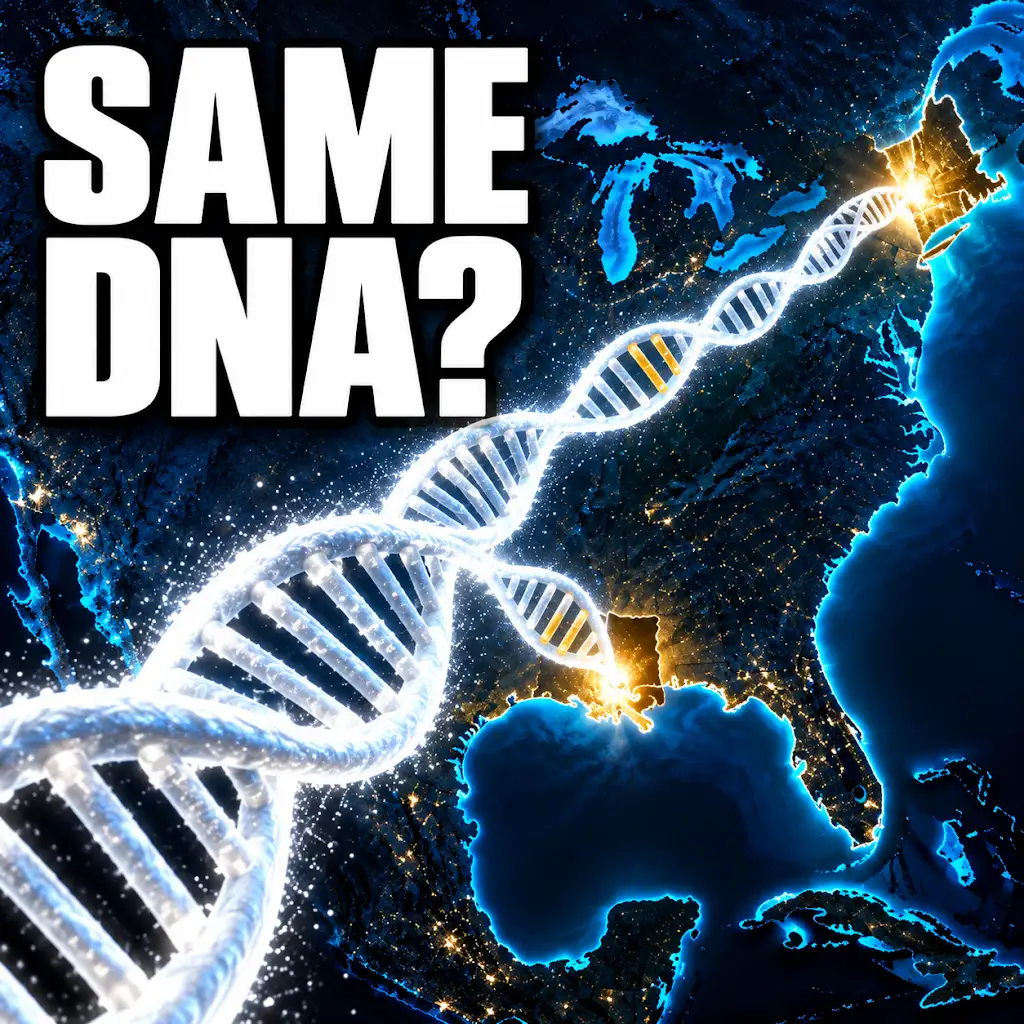
Cajun or French Canadian? The DNA Looked the Same—Until Researchers Looked Closer
FAQs
What is a French Canadian ancestry genetic test?
A French Canadian ancestry genetic test is a DNA test that analyzes an individual’s genetic markers to determine their genetic connection to French Canadian ancestry.
How does a French Canadian ancestry genetic test work?
A French Canadian ancestry genetic test works by comparing an individual’s DNA to reference databases of French Canadian genetic markers to identify specific genetic variations that are common among individuals with French Canadian ancestry.
What information can be obtained from a French Canadian ancestry genetic test?
A French Canadian ancestry genetic test can provide information about the percentage of French Canadian ancestry in an individual’s genetic makeup, as well as details about specific regions or populations within France and Canada that their ancestors may have originated from.
Can a French Canadian ancestry genetic test determine specific ancestors or genealogical information?
While a French Canadian ancestry genetic test can provide general information about a person’s French Canadian heritage, it typically cannot identify specific ancestors or provide detailed genealogical information such as family trees or historical records.
Are there any limitations or considerations to keep in mind when taking a French Canadian ancestry genetic test?
It’s important to remember that genetic testing for ancestry is not always 100% accurate and results can vary between different testing companies. Additionally, genetic testing may uncover unexpected information or connections that could have personal or familial implications.