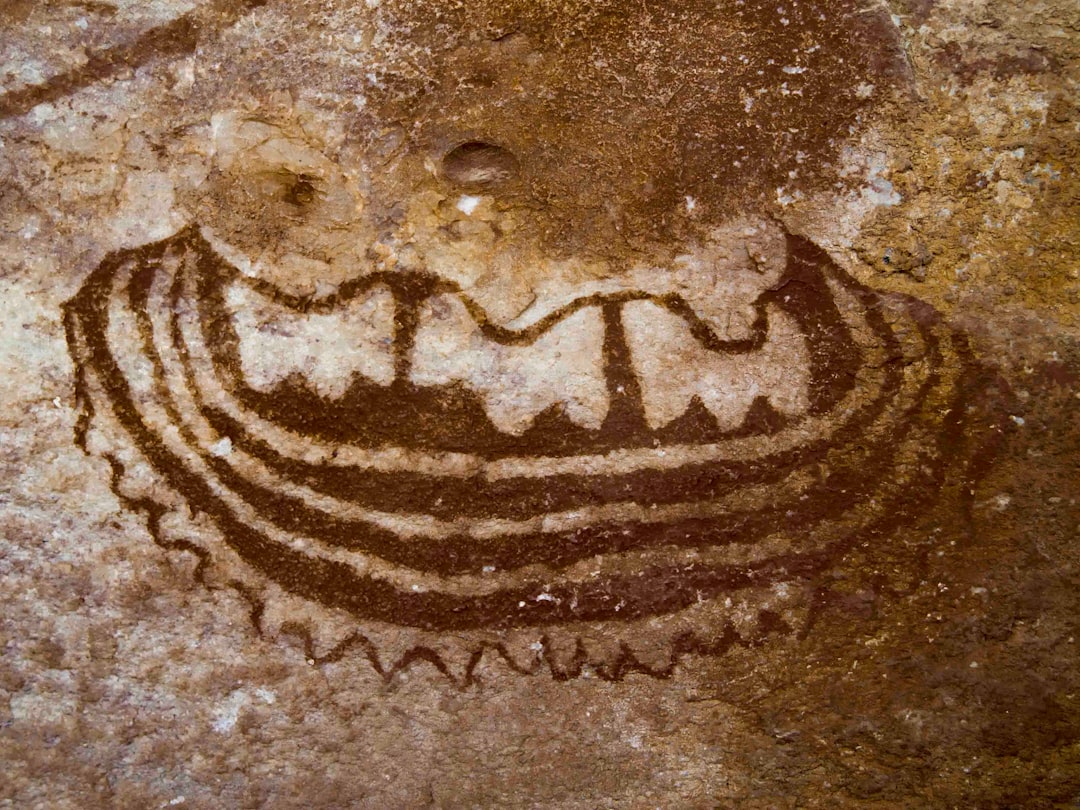
The desert sun beat down relentlessly on the ochre landscape of Abu Tartur, a plateau in Egypt’s Western Desert, painting the vast emptiness with shades of gold and bronze. For millennia, this desolate expanse had guarded its secrets, its geological formations whispering tales of ancient oceans and the colossal creatures that once roamed them. It was here, amidst the weathered rocks and shimmering heat haze, that a remarkable discovery was about to unfold: the unearthing of prehistoric shark teeth, evidence of a time when this arid region was a vibrant, thriving marine ecosystem. This is the story of discovering Abu Tartur fossil shark teeth.
A Land Shaped by Time and Water
Abu Tartur, a vast plateau rising dramatically from the surrounding desert, is a geological marvel. Its name, often translated to “Father of Hills,” hints at its undulating terrain, a landscape sculpted over millions of years by the relentless forces of erosion. However, the true story of Abu Tartur’s formation lies not just in the wind and rain, but in the presence of an ancient, expansive sea. Geologists have long recognized the region’s rich fossiliferous deposits, a testament to its submerged past. These layers of sediment, laid down over eons, are a chronicle of changing environments, from shallow marine shelves to deeper ocean floors.
The Phosphate Deposits: A Window to the Past
The most significant geological feature of Abu Tartur, in the context of fossil discoveries, is its extensive phosphate deposits. These sedimentary rocks, rich in phosphate minerals, were formed from the accumulation of organic matter, primarily marine organisms, over millions of years. The deposition of phosphates is often associated with nutrient-rich upwelling zones in ancient oceans, environments that teemed with life. This makes Abu Tartur a prime location for finding fossils, as the very conditions that created the phosphate beds were ideal for preserving the remains of marine creatures, including sharks. The sheer scale of these deposits suggests that this area was once a vast, productive marine environment, a far cry from the desert it is today.
Dating the Layers: Unraveling Prehistoric Epochs
The geological strata at Abu Tartur are remarkably well-preserved, allowing scientists to meticulously date the different layers and the fossils they contain. Using radiometric dating techniques and analyzing the microfossils within the rock, researchers can pinpoint the precise geological periods from which these ancient remains originate. This chronological framework is crucial for understanding the evolution of marine life, including the diversity of shark species that inhabited the region during different epochs. The consistent layering of sediments provides a narrative of gradual environmental change, allowing paleontologists to trace the ebb and flow of ancient oceans and the life they supported.
The Abu Tartur region in Egypt is renowned for its rich deposits of fossil shark teeth, which provide valuable insights into the prehistoric marine ecosystems that once thrived in the area. For those interested in exploring more about ancient geological formations and the secrets they hold, a related article titled “Uncovering Ancient Builders’ Secrets” can be found at this link: Uncovering Ancient Builders’ Secrets. This article delves into the fascinating connections between ancient civilizations and the natural resources they utilized, shedding light on the broader context of fossil discoveries like those in Abu Tartur.
The Allure of Predatory Giants: Sharks in Prehistoric Seas
Sharks: Ancient Architects of the Ocean
Sharks, with their cartilaginous skeletons and powerful jaws, are among the oldest living vertebrates on Earth. Their lineage stretches back over 400 million years, predating even the dinosaurs. Throughout their long evolutionary history, sharks have adapted to a vast array of marine environments, from the shallowest coral reefs to the deepest abyssal plains. Their resilience and adaptability have allowed them to survive mass extinction events that wiped out countless other species, making them a cornerstone of marine ecosystems for eons. The discovery of shark teeth at Abu Tartur is a direct link to these ancient predators, offering a tangible glimpse into their past dominance.
Megalodon and Its Contemporaries: Titans of the Deep
While many of the shark teeth found at Abu Tartur belong to extinct species, some of the most exciting discoveries relate to the colossal shark known as Otodus megalodon. This apex predator, which roamed the oceans between approximately 23 and 3.6 million years ago, was one of the largest and most powerful predators to have ever lived. Estimates of its size vary, but many suggest it could reach lengths of up to 20 meters, dwarfing even modern great white sharks. The presence of megalodon teeth at Abu Tartur indicates that the waters surrounding this region were once home to these formidable creatures, a truly awe-inspiring thought. Beyond megalodon, the deposits also reveal the presence of other extinct shark species, each with its unique adaptations and ecological role.
A Rich Fossil Assemblage: More Than Just Sharks
The Abu Tartur fossil sites are not solely about sharks. The phosphate beds are incredibly rich in a diverse array of marine fossils, providing a comprehensive picture of the ancient ecosystem. These include the fossilized remains of marine mammals, such as whales and dolphins, as well as fish, sea turtles, and a multitude of invertebrates like mollusks and crustaceans. The presence of these varied fossils allows scientists to reconstruct the entire food web and understand the complex interactions between different species. The shark teeth, in particular, often appear alongside the remains of their prey, offering clues about their feeding habits and the ecological pressures they faced.
The Journey to Abu Tartur: Expedition and Excavation
The Call of the Desert: Pioneering Paleontological Expeditions
The exploration of Abu Tartur for fossils is not a new endeavor. For decades, paleontologists and geologists have recognized the potential of this vast and remote region. Early expeditions, often undertaken with limited resources and facing the harsh realities of desert exploration, laid the groundwork for future discoveries. These pioneers, driven by a passion for understanding Earth’s history, navigated treacherous terrain and endured extreme temperatures to meticulously survey the land, identifying promising fossil-bearing locations. The story of discovering Abu Tartur fossil shark teeth is built upon the cumulative efforts of these dedicated individuals.
Strategic Surveying: Identifying Promising Sites
The process of finding fossil shark teeth at Abu Tartur is a meticulous and strategic one. It involves extensive geological surveys to identify areas with the most promising sedimentary layers, particularly those rich in phosphates. Geologists use their knowledge of stratigraphy and sedimentology to predict where fossils are most likely to be preserved. Once a potentially rich area is identified, paleontologists conduct systematic surface surveys, meticulously scanning the ground for any telltale signs of fossilized remains. This often involves walking grid patterns, carefully observing the terrain for fragments of bone or teeth.
The Art of the Dig: Careful Excavation Techniques
When promising surface finds are made, or when geological indicators suggest the presence of fossils below the surface, the painstaking process of excavation begins. This requires specialized tools and techniques to ensure the delicate fossils are not damaged. Paleontologists use brushes, dental picks, and other fine instruments to carefully remove the surrounding rock, layer by painstaking layer. Larger specimens may require the use of chisels and hammers, but always with extreme caution. The goal is to extract the fossil in its entirety, preserving its original form and context for further study. This meticulous approach is essential for the scientific value of the discovery.
Unveiling the Secrets: Identifying and Studying the Teeth
The Distinctive Morphology: Recognizing Shark Teeth
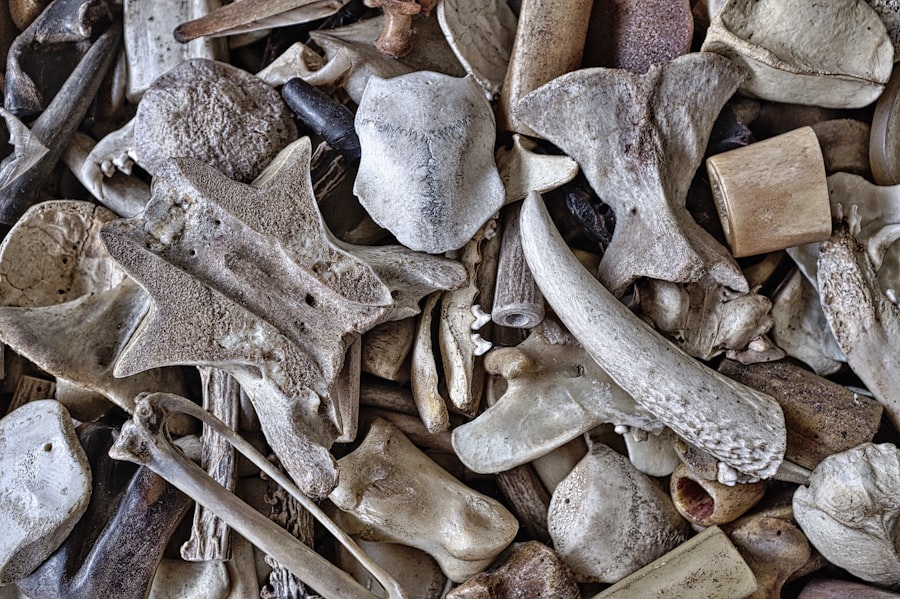
Shark teeth are remarkably distinctive, even in fossilized form. Their characteristic shape, serrations, and root structure allow paleontologists to identify them with a high degree of certainty. The teeth of different shark species have evolved unique features adapted to their specific diets and hunting strategies. For example, the broad, triangular, serrated teeth of megalodon are perfectly suited for shearing through the flesh of large marine mammals, while the needle-like teeth of other species might be adapted for catching smaller, faster-moving prey. The fossil teeth from Abu Tartur exhibit this diversity, offering a wealth of information about the prehistoric shark populations.
Classification and Taxonomy: Placing Sharks in Evolutionary History
Once unearthed, the fossil shark teeth are meticulously cleaned, cataloged, and analyzed. This involves comparing their morphology to known fossil and modern shark species to determine their precise classification. Paleontologists use detailed anatomical guides and extensive databases to place each tooth within the shark evolutionary tree. This process of classification is crucial for understanding the diversity of shark species that inhabited the Abu Tartur region and for tracing their evolutionary relationships over time. It helps scientists answer questions about when certain species existed, how they changed, and what their ecological roles were.
Microscopic Clues: What Teeth Tell Us About Diet and Behavior
Beyond basic identification, detailed study of fossil shark teeth can reveal even more about their ancient owners. Microscopes can be used to examine wear patterns on the teeth, providing clues about the types of prey the sharks consumed. For instance, deep gouges and scratches might indicate the consumption of bone-bearing prey, while smoother wear could suggest a diet of softer-bodied animals. The frequency of tooth replacement, a common trait in sharks, can also be inferred from fossil samples. This detailed analysis of microscopic features transforms a simple fossil tooth into a treasure trove of information about the shark’s life and behavior millions of years ago.
The discovery of Abu Tartur fossil shark teeth has intrigued paleontologists and fossil enthusiasts alike, shedding light on the ancient marine ecosystems that once thrived in the region. For those interested in understanding the broader implications of fossil findings and their impact on our understanding of natural history, a related article discusses innovative strategies in securing valuable resources, which can be found here. This connection highlights the importance of preserving not only fossils but also the environments that house them, ensuring that future generations can continue to explore and learn from these remarkable remnants of the past.
The Significance of Abu Tartur Fossil Shark Teeth
| Location | Abu Tartur |
|---|---|
| Age | 50 million years |
| Species | Fossil shark teeth |
| Size | Varies |
| Abundance | High |
A Window into Ancient Marine Ecosystems
The discovery of fossil shark teeth at Abu Tartur is far more than just finding old teeth; it’s about piecing together a lost world. These fossils serve as invaluable markers, indicating the presence of specific marine environments and the creatures that inhabited them. The types of shark teeth found, in conjunction with other marine fossils, allow paleontologists to reconstruct the entire food web of the ancient Abu Tartur sea. They reveal the abundance of prey, the presence of apex predators, and the overall health and productivity of these prehistoric marine ecosystems. This provides crucial insights into how oceans have changed over geological time and the factors that have influenced marine biodiversity.
Understanding Climate Change and Environmental Shifts
The geological layers at Abu Tartur also hold vital clues about past climate change and environmental shifts. The transition from a marine environment to the arid desert of today is a dramatic illustration of long-term planetary processes. By studying the types of fossils found in different strata, scientists can infer changes in sea level, water temperature, and salinity. The presence or absence of certain shark species, which are sensitive to environmental conditions, can act as bioindicators of these changes. This historical data is invaluable for understanding the potential impacts of future climate change on marine life and for developing effective conservation strategies.
Inspiring Future Generations of Scientists
The allure of prehistoric sharks, particularly giants like megalodon, has a powerful ability to capture the imagination. The discovery of Abu Tartur fossil shark teeth serves as a potent catalyst for inspiring young minds to pursue careers in science. The tangible connection to these ancient creatures, unearthed from the sands of time, sparks curiosity and a desire to learn more about paleontology, geology, and the natural world. These discoveries highlight the ongoing nature of scientific exploration and the potential for groundbreaking finds in even the most remote and seemingly barren landscapes, encouraging a new generation of explorers and researchers to delve into the Earth’s mysteries. The ongoing research and potential for further discoveries at Abu Tartur promise to continue this legacy of scientific inspiration for years to come.

They Found a Shark Graveyard in the Egyptian Desert
FAQs
What are Abu Tartur fossil shark teeth?
Abu Tartur fossil shark teeth are ancient shark teeth that have been found in the Abu Tartur area of Egypt. These teeth are believed to be millions of years old and are often sought after by fossil collectors and researchers.
How old are Abu Tartur fossil shark teeth?
Abu Tartur fossil shark teeth are estimated to be from the Eocene epoch, which occurred approximately 56 to 33.9 million years ago. This makes the teeth millions of years old and provides valuable insight into the ancient marine life of the region.
What species of sharks do the Abu Tartur fossil shark teeth belong to?
The Abu Tartur fossil shark teeth belong to a variety of shark species that lived during the Eocene epoch. Some of the species identified from these fossil teeth include Otodus obliquus, Carcharocles sokolowi, and Carcharocles angustidens.
Where are Abu Tartur fossil shark teeth found?
Abu Tartur fossil shark teeth are primarily found in the Abu Tartur area of Egypt, which is known for its rich fossil deposits. Fossil hunters and researchers often visit this region to search for and study these ancient shark teeth.
What can we learn from Abu Tartur fossil shark teeth?
Studying Abu Tartur fossil shark teeth can provide valuable information about the ancient marine ecosystems and the evolution of shark species. By analyzing these fossil teeth, researchers can gain insights into the diversity, distribution, and behavior of sharks during the Eocene epoch.