
The chilling winds of Pleistocene New Mexico whispered tales of forgotten peoples, their stories locked away in the frigid embrace of millennia. For centuries, these whispers remained largely unheard, the evidence of their presence obscured by time and the relentless march of geological change. Then, a series of remarkable discoveries began to unearth not just tools and bones, but the very footsteps of these ancient inhabitants, forever altering our understanding of human migration and adaptation in the Americas.
The arid landscapes of New Mexico, though seemingly barren today, were once a vastly different world. During the Last Glacial Maximum, this region, like much of North America, experienced a cooler, wetter climate. Glaciers, though not directly covering New Mexico, exerted their influence, impacting weather patterns and shaping the ecosystems that supported megafauna and, crucially, the earliest human populations. The discovery of human artifacts in this ancient context was not an overnight sensation but a gradual accumulation of evidence, a slow unveiling of a profound truth.
The First Glimmers: Early Artifact Finds
The earliest hints of ancient human presence in New Mexico were often serendipitous. Ranchers, farmers, and construction workers, while tilling the soil or digging foundations, would occasionally unearth stone tools – projectile points, scrapers, and cutting implements – that were clearly ancient. These finds, while intriguing, often lacked precise dating and context. Without sophisticated scientific methods, their age remained speculative, often relegated to the realm of pre-Clovis possibilities that were met with skepticism by the prevailing archaeological consensus of the time.
The Significance of Lithic Technology
The study of these lithic tools became the bedrock of early discoveries. Archaeologists meticulously analyzed the flaking patterns, material sourcing, and morphology of projectile points and other stone implements. These analyses provided clues about the technological prowess of the ancient peoples, their hunting strategies, and their interactions with the environment. The sheer variety and craftsmanship evident in even rudimentary tools spoke volumes about the ingenuity and adaptability of these early migrants.
Breaking the Paradigm: Challenging the Clovis-First Model
For decades, the “Clovis-First” model dominated American archaeology. This theory posited that the Clovis culture, characterized by its distinctive fluted projectile points, represented the first humans to inhabit the Americas, arriving around 13,000 years ago. Any evidence suggesting an earlier presence was largely dismissed. However, the persistent discovery of artifacts in New Mexico, and elsewhere, that appeared to predate Clovis began to chip away at this entrenched paradigm.
The Pre-Clovis Debate Ignites
The debate surrounding pre-Clovis occupation was often heated. Skepticism stemmed from a lack of incontrovertible evidence – sites with clear stratigraphy, unambiguous artifacts, and reliable dating methods. The concern was that early artifacts might have been intrusive, moved by natural processes, or misidentified. The search for irrefutable pre-Clovis sites in New Mexico became a paramount goal for archaeologists passionate about unraveling the continent’s human history.
Recent discoveries in Ice Age New Mexico have shed light on the lives of ancient humans who inhabited the region during a time of significant climatic change. These findings not only reveal the survival strategies employed by early inhabitants but also highlight their innovative use of technology in response to environmental challenges. For a deeper understanding of how ancient technologies were developed and utilized in times of scarcity, you can explore the article on unlocking ancient technology at Unlocking Ancient Technology in Times of Scarcity.
Footprints in Time: The White Sands Phenomenon
Perhaps the most breathtaking and paradigm-shifting discovery in Ice Age New Mexico came not from stone tools, but from something far more ephemeral yet profoundly revealing: human footprints. The White Sands National Park, a vast expanse of gypsum dunes, became the improbable stage for a revelation that would echo around the world. Underneath layers of sand, preserved for millennia, lay a trail of human footprints, a silent testament to a people who walked this land long before the Clovis culture.
Unveiling the Ancient Trail
The discovery of these footprints was a gradual process, initiated by observations of unusual impressions in the soft sediment. Initially thought to be animal tracks or natural geological formations, their distinctly human form became apparent with closer inspection and expert analysis. The sheer number and clarity of the tracks were astounding, offering an unprecedented glimpse into the daily lives and movements of these ancient individuals.
Dating the Imprints: A Scientific Triumph
The most crucial aspect of the White Sands footprints was their age. Through rigorous scientific methods, including radiocarbon dating of plant seeds found embedded within the sediment layers containing the footprints, researchers were able to establish a remarkable chronology. The dates obtained, ranging from approximately 21,000 to 23,000 years ago, placed these humans firmly within the Last Glacial Maximum, far predating the Clovis culture. This was a groundbreaking achievement, providing concrete evidence for human presence in the Americas during a period previously thought to be uninhabited by people.
The Stories the Footprints Tell
Beyond their incredible age, the White Sands footprints offer a rich tapestry of information. The size and stride length of the prints provide insights into the age and stature of the individuals who made them. Some tracks suggest the presence of children, walking alongside adults, painting a poignant picture of family life. Other tracks indicate adults walking alone, perhaps on hunting expeditions or gathering forays.
A Glimpse into Daily Life and Social Structure
The arrangement of the footprints, sometimes in trails and other times scattered, hints at various activities. The presence of distinct trails suggests purposeful movement, perhaps between campsites or resource areas. The discovery of tracks of children interspersed with adult tracks offers compelling evidence of family units and social cohesion. It paints a picture of a vibrant, living community, not just solitary hunters. The sheer abundance of tracks also suggests a significant population, challenging the notion of the Americas being sparsely populated at this early stage.
Beyond White Sands: Other Significant Discoveries
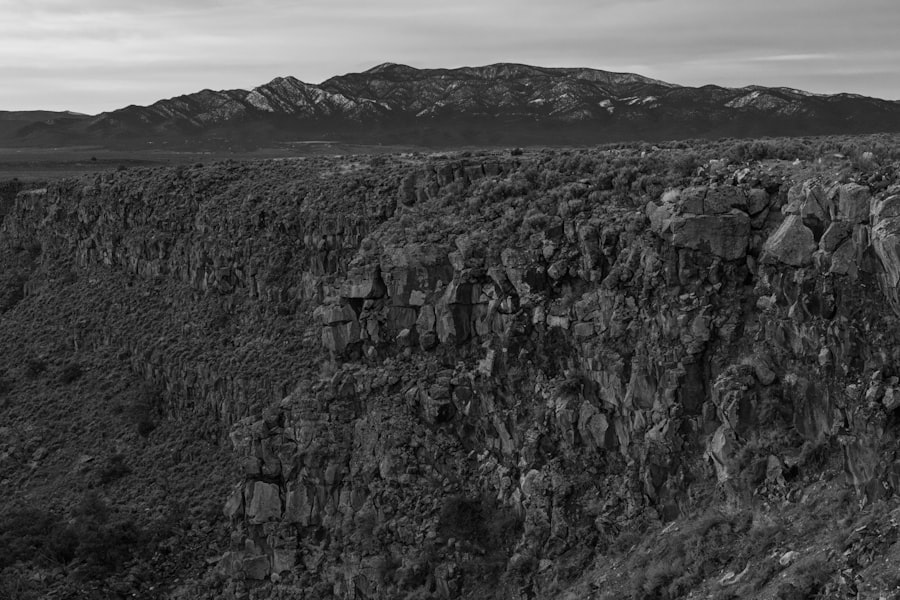
While the White Sands footprints garnered international attention, they were not the sole source of groundbreaking discoveries in Ice Age New Mexico. Across the state, other sites have yielded crucial evidence, piecing together a more complete narrative of early human occupation. These sites, often discovered through dedicated archaeological surveys and the diligent work of researchers, have reinforced and expanded upon the implications of the White Sands findings.
The Archeological Significance of Northeastern New Mexico
Northeastern New Mexico, with its varied topography and historical water sources, has proven to be a rich hunting ground for archaeologists. Sites in this region have yielded a wealth of lithic artifacts, often associated with extinct megafauna like mammoths and mastodons. The meticulous excavation and analysis of these sites have provided crucial chronological data and insights into the subsistence strategies of early New Mexicans.
Paleoindian Hunting Landscapes
These northeastern sites often reveal evidence of carefully planned hunting strategies. The presence of specialized projectile points, designed for piercing the thick hides of large game, along with butchered animal bones, demonstrates a deep understanding of the local fauna and their behaviors. The distribution of these sites often correlates with ancient riverbeds and watering holes, indicating that early humans strategically utilized the landscape to their advantage.
The Role of Southwestern Caves and Rock Shelters
The arid climate of New Mexico has also contributed to the remarkable preservation of organic materials within caves and rock shelters. These sheltered locations have provided invaluable insights into the diet, tools, and even the artistic expressions of ancient peoples. Artifacts found within these protected environments often survive millennia intact, offering a more intimate connection to the past.
Preserving the Ephemeral: Organic Remains and Artifacts
Within these shelters, archaeologists have unearthed discarded tools, remnants of campfires, and even fragments of woven materials. The analysis of these organic remains, such as plant fibers and animal hides, provides crucial information about diet, clothing, and craft production. The discovery of charcoal from ancient hearths allows for precise radiocarbon dating, anchoring these finds within a chronological framework.
Reconstructing the Ice Age Landscape and Lifestyle
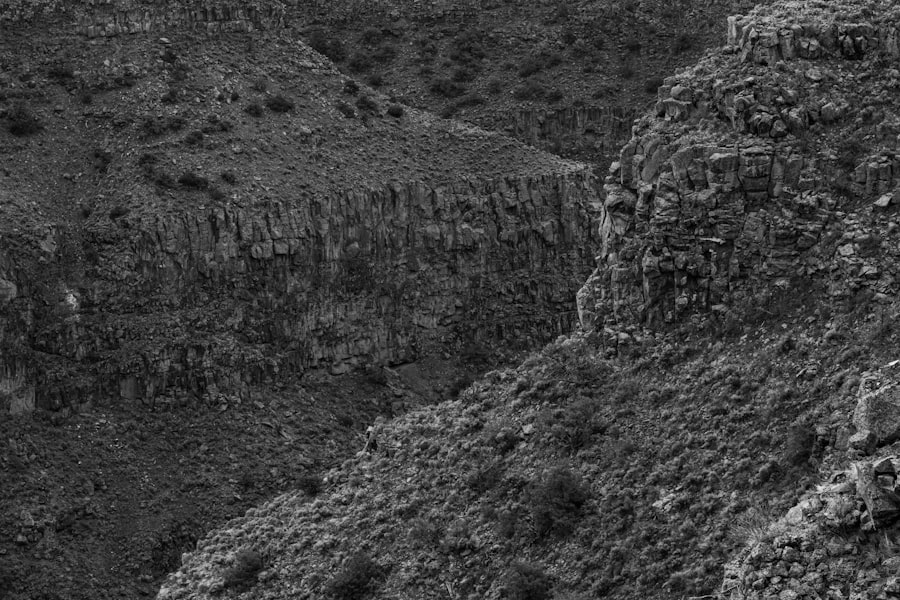
Understanding the presence of ancient humans in New Mexico necessitates a deep dive into the environment they inhabited. The Pleistocene was a world dramatically different from today, and the adaptations required to survive in this dynamic landscape are a testament to human resilience and ingenuity.
Paleoenvironmental Reconstruction: A World Transformed
The climate of Ice Age New Mexico was characterized by cooler temperatures and higher precipitation. This supported a richer biodiversity, including large herbivores like mammoths, mastodons, and ancient horses, as well as predators like dire wolves and saber-toothed cats. Ancient lakes and rivers would have dotted the landscape, providing vital water sources for both humans and animals.
The Megafauna Connection
The co-existence of humans and megafauna is a central theme in the study of Ice Age New Mexico. The presence of projectile points and butchering marks on the bones of these extinct animals is undeniable evidence of their role as a crucial food source. The hunting of such large and formidable creatures would have required significant skill, cooperation, and knowledge of animal behavior.
Subsistence Strategies: Surviving and Thriving
The subsistence strategies of these early New Mexicans were undoubtedly complex and varied, dictated by the available resources and the ever-changing environment. Their lives revolved around hunting, gathering, and the careful management of their surroundings.
Hunting Large Game and Smaller Prey
While the hunting of megafauna was likely a significant undertaking, it’s also probable that these early populations supplemented their diet with smaller game, fish, and a variety of edible plants, nuts, and roots. The archaeological record, particularly from sites with preserved organic materials, provides clues about the diversity of their diet.
Gathering and Resource Management
The gathering of plant resources would have been essential for survival, providing carbohydrates, vitamins, and minerals. Understanding which plants were utilized, how they were processed, and when they were available would have been critical knowledge passed down through generations. The careful management of these resources would have ensured long-term sustainability.
Recent discoveries in Ice Age New Mexico have shed light on the lives of ancient humans who inhabited the region, revealing their sophisticated adaptations to a changing environment. These findings are part of a broader exploration of early human ingenuity, which includes insights into ancient water management systems that were crucial for survival. For a deeper understanding of how these early communities thrived, you can read more about these innovative practices in this related article on ancient water management systems.
The Global Context: Rethinking Human Migration to the Americas
| Time Period | Location | Artifacts | Tools |
|---|---|---|---|
| Ice Age | New Mexico | Paleoindian projectile points, Clovis points | Stone tools, bone tools |
The discoveries in Ice Age New Mexico have had profound implications for our understanding of the broader story of human migration to the Americas. The established Clovis-First model has been definitively challenged, opening new avenues of research and debate.
Revisiting Migration Routes and Timing
The evidence for pre-Clovis occupation in New Mexico suggests that humans arrived in the Americas much earlier than previously believed, and likely through multiple migration waves and potentially diverse routes. The “ice-free corridor” theory, which proposed a path opening between glaciers, is no longer the sole explanation.
The Coastal Migration Hypothesis
The coastal migration hypothesis, which suggests that early humans traveled along the Pacific coast, potentially using boats, has gained significant traction. This route would have been accessible even when much of the continent was covered in ice. The timing of the White Sands footprints aligns with periods when coastal routes would have been viable.
Implications for Human Evolution and Adaptation
The presence of humans in the Americas during the Last Glacial Maximum raises fascinating questions about their capacity for adaptation to diverse and challenging environments. These early populations demonstrate a remarkable ability to thrive in a world shaped by ice and megafauna.
Technological Innovation and Behavioral Flexibility
The sophisticated lithic technology found at various sites, along with evidence of complex hunting strategies, points to a high degree of technological innovation and behavioral flexibility. These early humans were not simply surviving; they were actively shaping their environment and developing intricate social structures.
The Enduring Mystery and Future Research
Despite the monumental discoveries, the story of Ice Age New Mexico’s earliest inhabitants is far from complete. Many questions remain unanswered, and the ongoing research promises to unveil even more astonishing revelations. The arid landscapes of New Mexico continue to hold secrets, waiting for the right conditions and the keen eyes of dedicated researchers to bring them to light. The whispers of the Ice Age are growing louder, and they are telling a story of a resilient, adaptable, and far older human presence in the Americas than we ever imagined.

These Footprints Could Rewrite the Story of the First Americans
FAQs
What evidence of ancient humans has been found in Ice Age New Mexico?
Archaeologists have found evidence of ancient human presence in Ice Age New Mexico in the form of stone tools, hearths, and butchered animal bones. These artifacts suggest that humans were present in the region as early as 13,000 years ago.
What is the significance of the ancient human presence in Ice Age New Mexico?
The presence of ancient humans in Ice Age New Mexico is significant because it provides insights into the peopling of the Americas. It helps researchers understand the migration patterns and lifestyles of early human populations in North America.
What do we know about the culture and lifestyle of ancient humans in Ice Age New Mexico?
Based on the artifacts found, it is believed that ancient humans in Ice Age New Mexico were hunter-gatherers who relied on hunting large game animals such as mammoths and bison for food and other resources. They likely lived in small, mobile groups and adapted to the changing environmental conditions of the Ice Age.
How did ancient humans in Ice Age New Mexico adapt to the harsh environmental conditions?
Ancient humans in Ice Age New Mexico adapted to the harsh environmental conditions by utilizing their knowledge of the landscape and resources available to them. They likely followed the migration patterns of large game animals and used fire to manage their surroundings and stay warm.
What can the study of ancient humans in Ice Age New Mexico tell us about human history?
Studying ancient humans in Ice Age New Mexico can provide valuable information about the early peopling of the Americas, human migration patterns, and the ways in which early human populations adapted to and interacted with their environments. This knowledge contributes to our understanding of human history and the development of human societies.