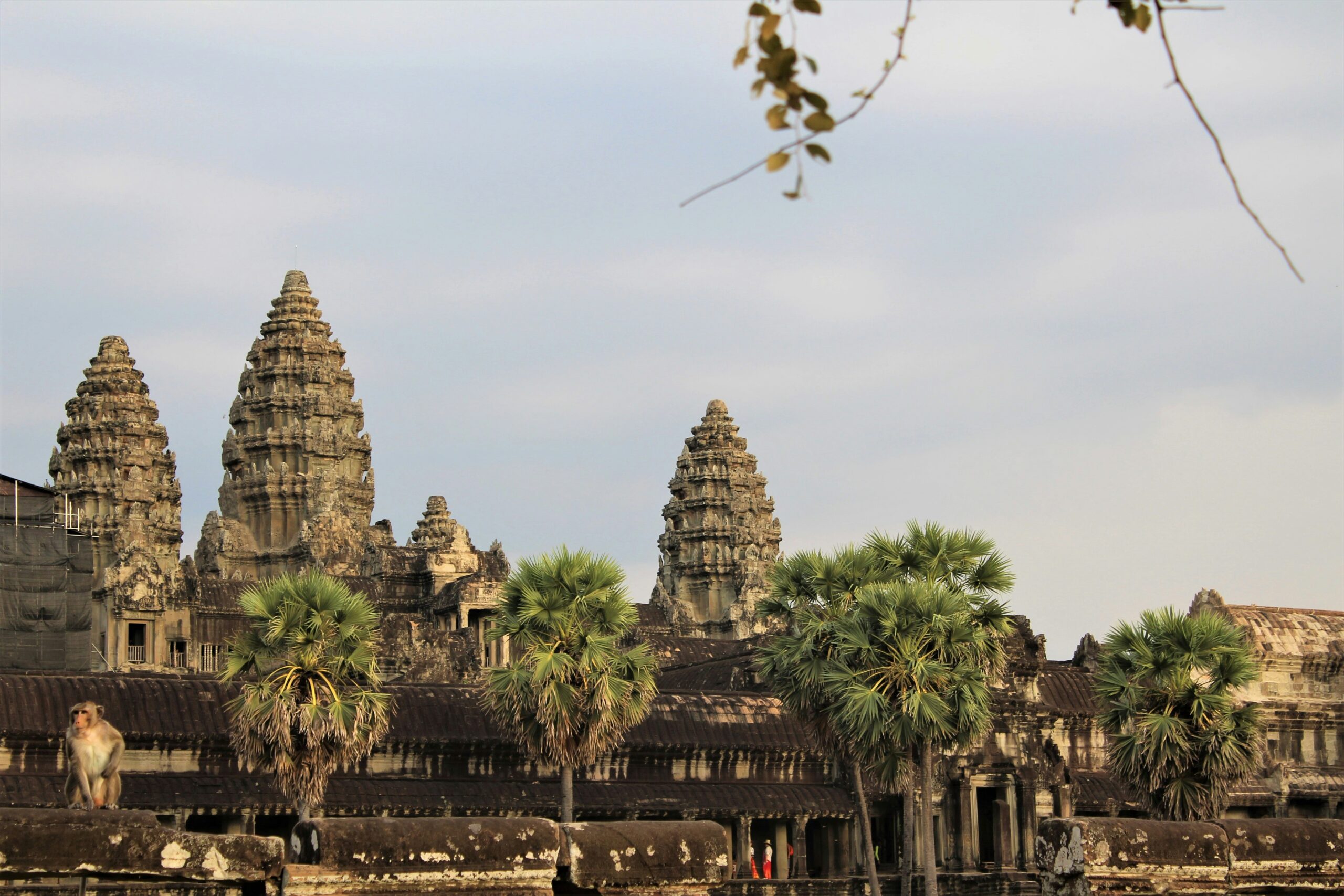
The year is 2026. The ancient stones of Angkor Wat, bathed in the warm glow of the Cambodian sun, have long captivated imaginations. Yet, beneath the surface of well-trodden paths and familiar postcard vistas, lies a tapestry of untold stories, a chronicle of human ingenuity, spiritual devotion, and the enduring whispers of a lost civilization. It is within this rich and complex narrative that the upcoming documentary, Discovering Angkor Wat, aims to delve, offering audiences a fresh and profound perspective on the world’s largest religious monument. This ambitious cinematic endeavor promises to transcend the conventional, utilizing groundbreaking technology and illuminating new research to unlock secrets that have remained hidden for centuries.
The Genesis of a Vision
The idea for Discovering Angkor Wat was not born in a vacuum. It emerged from a collective yearning to go beyond the surface-level appreciation of Angkor Wat, a desire to understand the “why” behind its monumental scale, its intricate artistry, and its profound spiritual significance. The documentary’s directing team, comprised of archaeologists, historians, and seasoned filmmakers, recognized the potential for a compelling narrative that would resonate with both seasoned Angkor enthusiasts and those encountering its wonders for the first time.
The project’s inception can be traced back to a series of archaeological conferences and research expeditions in the early 2020s. Emerging findings, particularly those utilizing advanced remote sensing techniques, began to paint a more nuanced picture of the Khmer Empire’s urban planning, agricultural systems, and the sheer logistical feat of constructing such a sprawling complex. This wealth of new information, coupled with a growing public interest in ancient civilizations and sustainable tourism, created the fertile ground for Discovering Angkor Wat.
From Concept to Script
The initial conceptualization involved extensive brainstorming sessions, identifying key themes that would form the documentary’s narrative spine. The sheer scale of Angkor Wat, its astronomical alignments, its biodiversity, and the lives of the people who built and inhabited it, all presented compelling avenues for exploration. The challenge lay in weaving these threads into a cohesive and engaging story.
The script development process was a meticulous undertaking. It involved collaborating with leading Khmer scholars, archeologists from institutions worldwide, and local historians who possess invaluable oral traditions. The aim was to ensure historical accuracy while also infusing the narrative with a sense of wonder and discovery, making the ancient world feel immediate and relevant to a modern audience.
The Power of Storytelling
The documentary’s creators understood that simply presenting facts and figures would not be enough. The narrative needed to be driven by compelling human stories, even if those stories were pieced together from the scant evidence left behind. The script was therefore crafted to bring to life the architects, the artisans, the laborers, and the religious figures who were instrumental in the creation and life of Angkor Wat.
The upcoming 2026 documentary on Angkor Wat promises to explore the intricate history and cultural significance of this iconic temple complex, shedding light on its architectural marvels and the civilization that built it. For those interested in understanding the broader implications of historical sites on society, a related article titled “The Rise of Artificial Intelligence and Societal Collapse” delves into how technological advancements can impact cultural heritage and societal structures. You can read more about this thought-provoking topic by visiting this link.
Unveiling the Hidden Layers
One of the most significant contributions of Discovering Angkor Wat lies in its innovative approach to revealing the less-seen aspects of this colossal site. While the central temple of Angkor Wat itself is the undeniable focal point, the documentary argues that understanding its grandeur requires examining its surrounding landscape, its complex infrastructure, and the vast extent of the Khmer Empire it served.
The Metropolis of Angkor
The popular perception of Angkor Wat often focuses solely on the iconic temple. However, this documentary will emphasize that Angkor Wat was merely the heart of a vast and sophisticated urban center, a sprawling metropolis that supported a population potentially numbering in the millions. Geographical Information Systems (GIS) and Light Detection and Ranging (LiDAR) data have revolutionized our understanding of this ancient city, revealing a network of canals, reservoirs, agricultural fields, and satellite temples that stretched for hundreds of square kilometers.
The Hydraulic Engineering Marvel
The documentary will dedicate significant segments to exploring the ingenious water management systems that sustained the Angkorian civilization. The Barays, immense reservoirs like the West Baray and East Baray, were not just decorative features; they were vital arteries of the empire, providing water for irrigation during the dry season, supporting a complex rice cultivation system, and even playing a role in the defense of the capital. Experts will explain the sophisticated engineering principles employed by the Khmers, from the construction of massive earthen dams to the intricate network of canals that distributed water.
Beyond the Temple Walls
Discovering Angkor Wat will guide viewers beyond the familiar towers and bas-reliefs of the main temple to explore other significant structures within the Angkor Archaeological Park. Ta Prohm, with its embrace of tree roots, will be examined not just for its cinematic appeal, but for its insights into the Khmer relationship with nature and its eventual decline into ruin. Bayon, with its enigmatic smiling faces, will be a focus for discussions on the philosophical and religious shifts that occurred during its construction.
The Science of Discovery
The 2026 documentary will distinguish itself through its embrace of cutting-edge scientific techniques, transforming the way audiences can visualize and comprehend the archaeological complexities of Angkor Wat. These technologies not only uncover hidden structures but also provide new insights into the lives and practices of the people who built them.
LiDAR: Peering Beneath the Canopy
One of the most transformative technologies employed in recent years has been LiDAR (Light Detection and Ranging). This aerial laser scanning technology can penetrate dense forest canopy, revealing the ground beneath and mapping subtle topographical features that would otherwise remain hidden. Discovering Angkor Wat will showcase stunning LiDAR-generated visualizations of the Angkorian landscape, highlighting previously unknown urban structures, agricultural terraces, and water management systems.
Mapping the Lost City
The documentary will feature interviews with the scientists and archaeologists who spearheaded these LiDAR surveys. They will explain how this technology has fundamentally altered our understanding of the scale and complexity of the Angkorian empire, revealing a far more densely populated and intricately organized society than previously imagined. The sheer extent of human modification of the landscape, from elaborate canal systems to planned urban grids, will be a key revelation.
3D Scanning and Reconstruction
Beyond remote sensing, the documentary will employ advanced 3D scanning techniques to meticulously document the intricate carvings and architectural details of Angkor Wat. This allows for digital reconstruction and analysis, providing insights into construction methods, artistic techniques, and even the original colors that once adorned these stone structures.
Bringing the Past to Life Digitally
Viewers will witness the digital recreation of the temple’s original splendor, incorporating elements that have long since faded or been lost to time. This process of digital reconstruction can help to understand the intended aesthetic and symbolic meanings of the various architectural features and decorative elements. The documentary will also explore how 3D scanning allows for non-invasive study of delicate carvings, preserving them for future generations.
Archaeological Imaging and Analysis
The film will also delve into other less visible scientific methods, such as ground-penetrating radar to identify buried structures and advanced material analysis to understand the sources of stone and the techniques used in its quarrying and transport. These scientific explorations will be presented in an accessible and engaging manner, demystifying complex processes for the general audience.
The Spiritual and Cultural Heartbeat
Angkor Wat is not merely an architectural marvel; it is a testament to the profound spiritual beliefs and cultural practices of the Khmer people. Discovering Angkor Wat will endeavor to capture the essence of this spiritual dimension, exploring the layers of religious significance that have shaped and sustained the monument throughout its history.
From Hindu Pantheon to Buddhist Sanctuary
The documentary will trace the evolution of Angkor Wat’s religious identity. Initially conceived as a Hindu temple dedicated to Vishnu by King Suryavarman II, it later transitioned into a prominent Buddhist temple, a transformation that reflects the dynamic religious landscape of the Khmer Empire. Experts will discuss the iconography and symbolism that speak to both Hindu and Buddhist traditions.
Examining the Iconography
The intricate bas-reliefs that adorn the temple’s galleries are a treasure trove of ancient Khmer mythology and history. Discovering Angkor Wat will offer detailed explorations of key scenes, such as the Churning of the Ocean of Milk and the Battle of Kurukshetra, interpreting their symbolic meanings and their importance in Khmer cosmology. The transition from Hindu deities to Buddhist figures will also be meticulously examined.
The Role of the Monks
The ongoing presence of Buddhist monks at Angkor Wat is a living link to its spiritual heritage. The documentary will feature interviews with contemporary monks, sharing their perspectives on the sanctity of the site, their daily rituals, and their role in preserving its spiritual legacy. This will offer a human dimension to the ancient religious practices.
The upcoming Angkor Wat documentary set to release in 2026 promises to delve deep into the mysteries surrounding this iconic temple complex, exploring its architectural grandeur and the cultural significance it held in the Khmer Empire. For those interested in understanding the broader context of ancient civilizations and their eventual decline, a related article discusses the trends of city abandonment in history, shedding light on factors that contribute to such phenomena. You can read more about this intriguing topic in the article on uncovering ancient city abandonment trends.
The Legacy and the Future
The story of Angkor Wat is not confined to its past. The monument continues to inspire, to educate, and to pose challenges for its preservation and its future. Discovering Angkor Wat will conclude by reflecting on the enduring legacy of this incredible site and the critical importance of its protection for generations to come.
Preservation Challenges and Innovations
The sheer scale and age of Angkor Wat present significant preservation challenges. The documentary will highlight the ongoing efforts of international organizations and the Cambodian government to protect the monument from environmental factors, natural erosion, and the impact of tourism. Innovative conservation techniques, from sophisticated structural reinforcement to advanced climate monitoring, will be showcased.
Sustainable Tourism and Community Engagement
The growing popularity of Angkor Wat as a tourist destination brings both economic benefits and potential threats. Discovering Angkor Wat will explore the delicate balance between promoting tourism and ensuring the long-term preservation of the site. The importance of engaging local communities in conservation efforts and benefiting from the tourism economy will also be a key theme.
An Enduring Wonder
As the final credits roll on Discovering Angkor Wat in 2026, audiences will be left with a profound appreciation for the ingenuity, artistry, and spirituality of the Khmer civilization. The documentary aims to be more than just a historical account; it seeks to evoke a sense of awe, to inspire curiosity, and to underscore the universal human drive to create something enduring and meaningful, a testament etched in stone that continues to whisper its stories across the ages. The journey into the heart of Angkor Wat, armed with new knowledge and a deeper understanding, will be an unforgettable cinematic experience.

The Machine That Kept Angkor Alive
FAQs
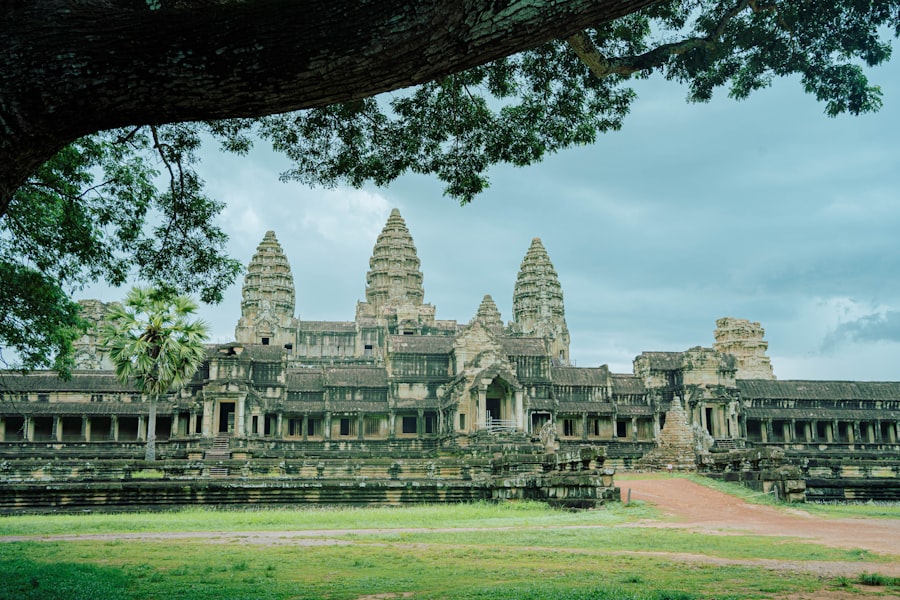
What is the Angkor Wat documentary 2026 about?
The Angkor Wat documentary 2026 is a film that explores the history, architecture, and cultural significance of the ancient Angkor Wat temple complex in Cambodia.
Who produced the Angkor Wat documentary 2026?
The documentary was produced by a team of filmmakers and historians who collaborated to create a comprehensive and informative portrayal of Angkor Wat.
Where can I watch the Angkor Wat documentary 2026?
The documentary may be available for viewing on various streaming platforms, as well as through special screenings at film festivals, museums, and cultural institutions.
What makes the Angkor Wat documentary 2026 unique?
The documentary stands out for its in-depth exploration of Angkor Wat, featuring interviews with experts, stunning visuals, and historical insights that provide a rich understanding of the temple complex.
How long is the Angkor Wat documentary 2026?
The length of the documentary may vary, but it typically runs for approximately 60 to 90 minutes, allowing for a comprehensive exploration of Angkor Wat’s history and significance.