The flickering glow of the projector painted the darkened room, transforming it into a portal to the planet’s most breathtaking locales. “Discovering Earth’s Natural Wonders: A Documentary” is more than just a cinematic offering; it’s an ambitious and profoundly moving exploration of our planet’s most extraordinary geological and biological marvels. This comprehensive series, meticulously crafted by a team of renowned filmmakers and scientists, invites viewers on an unparalleled journey, unveiling the raw power, delicate beauty, and sheer scope of Earth’s natural artistry. From the deepest oceanic trenches to the loftiest mountain peaks, from the most arid deserts to the lushest rainforests, the documentary stands as a testament to the enduring, awe-inspiring power of the natural world, urging a deeper appreciation and a renewed sense of stewardship for our shared home.
The initial episodes of “Discovering Earth’s Natural Wonders” lay bare the foundational forces that have shaped our planet over eons. It delves into the intricate processes that sculpt landscapes, revealing the monumental artistry born from tectonic shifts, volcanic fury, and the relentless erosion by wind and water. The series eschews a dry, academic approach, instead immersing the audience in the visceral realities of geological transformation. Through stunning aerial cinematography and ground-level perspectives, the documentary brings these colossal forces to life, illustrating how seemingly static landscapes are, in fact, in a constant state of flux.
The Architects of the Planet: Tectonic Plates and Continental Drift
The program meticulously details the theory of plate tectonics, not as an abstract scientific concept, but as the very engine driving the planet’s dynamic surface. Viewers witness the slow, inexorable dance of continental plates, their collisions and separations giving rise to the planet’s grandest features. The majestic Himalayas, for instance, are presented not just as towering mountains, but as the direct consequence of the Indian subcontinent relentlessly pushing into the Eurasian plate. The documentary employs sophisticated CGI animations to visualize these immense geological events, demonstrating how the buckling and folding of the Earth’s crust create these awe-inspiring ranges. The narrative emphasizes the vast timescales involved, underscoring the patient, unyielding power of these geological actors. The audience gains an understanding that the continents we inhabit are not fixed entities, but rather parts of a constantly shifting mosaic.
Volcanic Laboratories: Birthplaces of Land and Life
The volatile beauty of volcanoes is another cornerstone of the early exploration. “Discovering Earth’s Natural Wonders” travels to active volcanic regions across the globe, capturing the raw, primal energy of eruption. The footage is not merely sensational; it is deeply informative, illustrating the diverse types of volcanic activity – from the effusive lava flows of Kilauea to the explosive pyroclastic surges of Mount St. Helens. The documentary explains the geological makeup of these fiery giants, the magma chambers that feed them, and the cycles of dormancy and eruption that define their existence. Beyond the spectacle, the series highlights the crucial role volcanoes have played in the formation of new landmasses and the enrichment of soils, laying the groundwork for life to flourish. The documentary doesn’t shy away from the destructive potential, but frames it within the larger context of planetary renewal.
The Sculpting Hands of Time: Erosion and the Art of Water and Wind
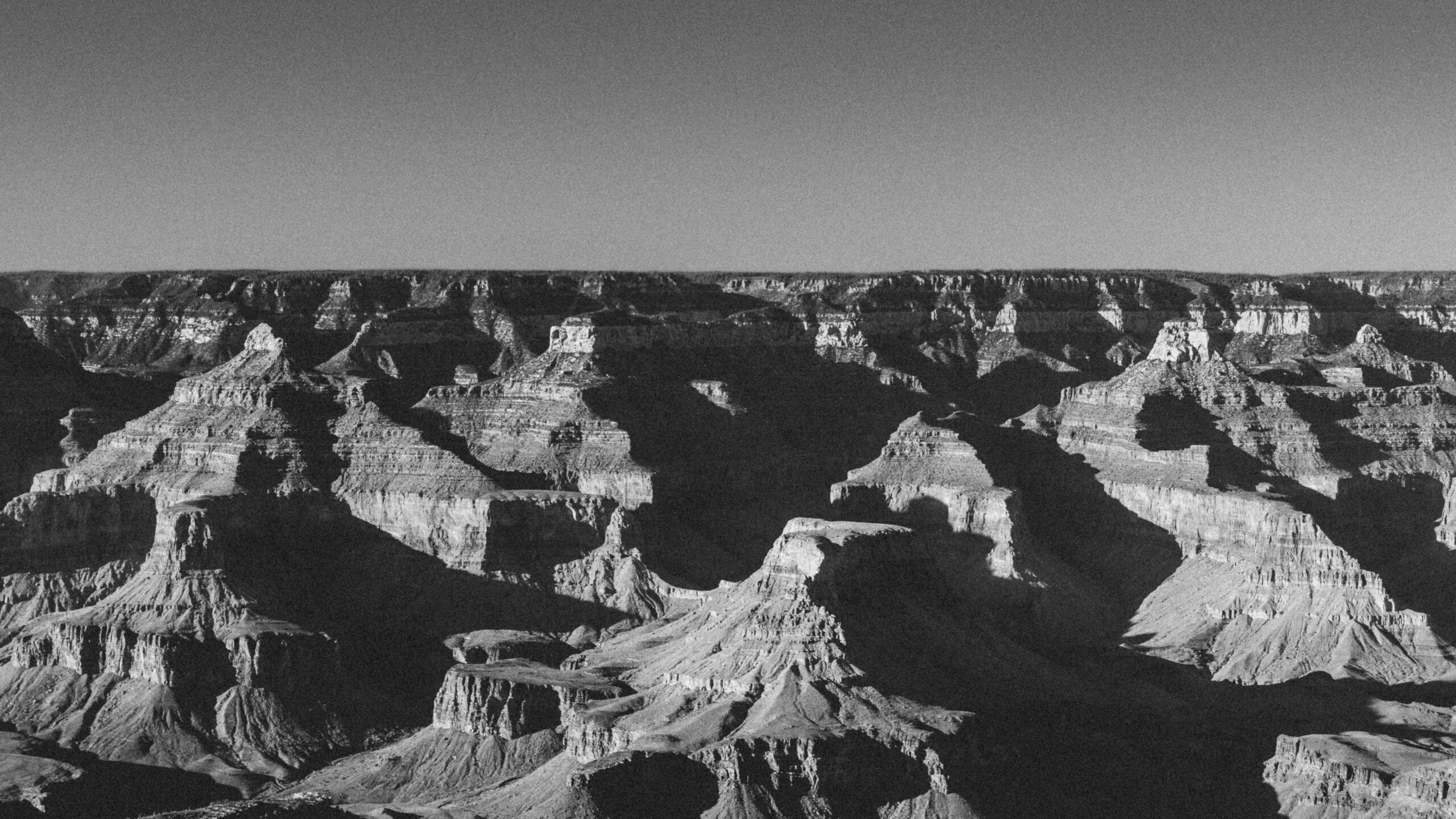
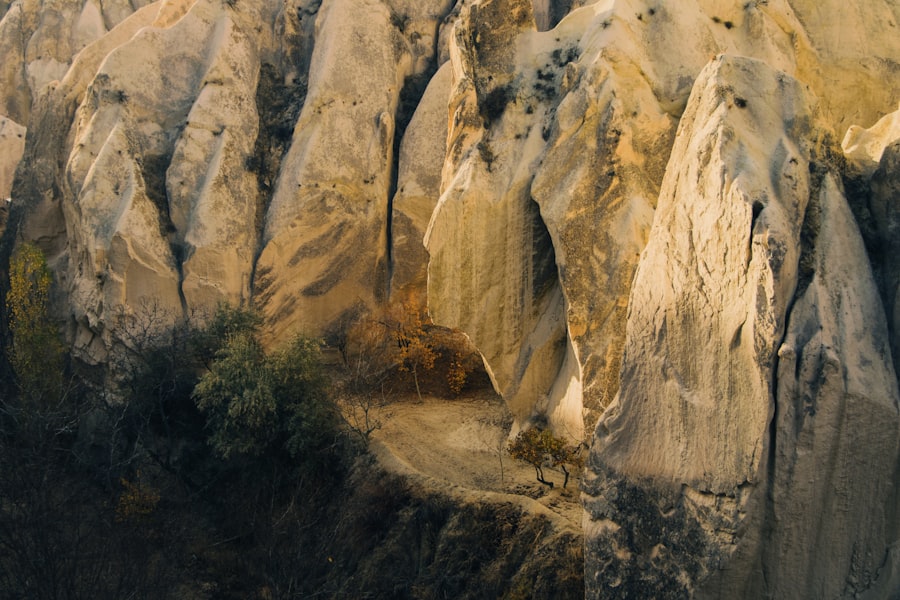
The latter half of the geological exploration focuses on the persistent, often subtle, forces of erosion. The documentary showcases the transformative power of water, from the grand canyons carved by mighty rivers like the Colorado to the intricate limestone formations found in caves. The intricate lacework of stalactites and stalagmites, formed drip by drip over millennia, is presented as a testament to water’s patient artistry. Similarly, the documentary explores the impact of wind, particularly in desert environments. The shifting dunes of the Sahara and the sculpted rock formations of the American Southwest are presented as masterpieces shaped by the relentless, invisible hand of air currents. The visual storytelling here is crucial, using time-lapse photography to accelerate the perception of these gradual erosional processes, allowing the audience to witness years of change in mere moments.
In exploring the breathtaking beauty of our planet, the documentary on natural wonders provides a captivating look at the Earth’s most stunning landscapes and ecosystems. A related article that delves into the intricate relationship between nature and human innovation is available at this link: The River: Engine Powering the Two Crowns. This piece highlights how rivers, as vital natural resources, have shaped civilizations and continue to influence our world today.
The Unfathomable Depths: Oceans, Rivers, and Water’s Influence
Water, in its myriad forms, is a recurring and vital theme throughout “Discovering Earth’s Natural Wonders.” The documentary recognizes that while landforms captivate, it is the presence and movement of water that often dictates the existence and vibrancy of life. From the vast, mysterious oceans to the life-giving arteries of rivers, water is portrayed as a force of creation, sustenance, and immense power. The series emphasizes the interconnectedness of these water systems, demonstrating how even the most remote freshwater springs are ultimately tied to the global hydrological cycle.
The Blue Frontier: Earth’s Oceans and Their Hidden Worlds
The series dedicates significant screen time to the planet’s oceans, revealing them as vast, largely unexplored realms teeming with life and geological wonders. Viewers are taken on a descent into the Mariana Trench, witnessing the crushing pressures and alien landscapes of the deepest parts of the sea. The documentary highlights hydrothermal vents, oases of life fueled by geothermal energy, supporting unique ecosystems that thrive in the absence of sunlight. The vibrant coral reefs, bursting with biodiversity, are showcased as complex underwater cities, vital nurseries for marine life and crucial indicators of ocean health. The narrative also explores the powerful forces within the oceans, such as massive underwater currents and the immense gravitational pull that creates tides, demonstrating the subtle yet pervasive influence of the sea on coastal landscapes and global weather patterns.
The Lifelines of Continents: Rivers and Their Expansive Catchments
Rivers are presented as the lifeblood of continents, carving valleys, fertilizing floodplains, and sustaining countless ecosystems. The documentary traces the paths of some of the world’s most iconic rivers, from the Amazon’s immense drainage basin, teeming with unparalleled biodiversity, to the Nile’s ancestral journey through desert landscapes, historically enabling civilization to flourish. The series illustrates the complex interplay between rivers and their surrounding environments, showcasing how river systems shape soil composition, influence vegetation patterns, and provide essential habitats for both aquatic and terrestrial life. The impact of human intervention on these vital systems is also touched upon, highlighting the delicate balance required to maintain their health and functionality.
The Transformative Power of Glaciers and Ice
Though often overlooked in favor of warmer climes, the documentary dedicates a segment to the formidable power of glaciers and ice. It explores how these colossal bodies of ice, moving with immense force, have sculpted dramatic landscapes such as the fjords of Norway and the rugged peaks of Patagonia. The series demonstrates how glacial retreat, a stark visual indicator of climate change, is revealing landscapes that have been hidden for millennia, offering new insights into geological history. The documentary also touches on the importance of polar ice caps as regulators of global climate, underscoring the far-reaching consequences of their melting. The stark, icy beauty of these regions is contrasted with the vibrant life that can exist in their more temperate fringes, showcasing the resilience of nature.
The Vibrant Tapestry: Biodiversity Hotspots and Ecosystems

Beyond the grand geological structures, “Discovering Earth’s Natural Wonders” truly shines when it turns its lens towards the astonishing diversity of life that inhabits these landscapes. The documentary meticulously explores the planet’s most vibrant ecosystems, showcasing the intricate relationships between species and their environments, and the remarkable adaptations that allow life to thrive in the most extreme conditions. It moves beyond simply cataloging species, instead delving into the ecological principles that govern these complex webs of life.
The Rainforests: Lungs of the Planet and Havens of Diversity
The lush, verdant rainforests of the Amazon, Borneo, and the Congo are presented as Earth’s biological treasure troves. The documentary captures the sheer density of life within these ecosystems, from the towering canopy, alive with a symphony of calls, to the forest floor, a world of hidden wonders. Expert narration explains the intricate symbiosis that defines these environments, highlighting the roles of pollinators, decomposers, and apex predators in maintaining ecological balance. The series explores the medicinal potential held within these plants and the critical role rainforests play in regulating global climate through carbon sequestration. The fragility of these ecosystems and the threats they face are also addressed, conveying a sense of urgency for their preservation.
Deserts: Resilience and Unexpected Oases of Life
Contrary to popular belief, the documentary reveals deserts as far from barren wastelands. Instead, they are presented as landscapes of incredible resilience and surprising biodiversity. Viewers are introduced to the remarkable adaptations of desert flora and fauna, from the water-storing capabilities of cacti to the nocturnal hunting strategies of desert predators. The series explores the unique geology of deserts, such as the stark beauty of sand dunes and the ancient rock formations, sculpted by millennia of wind and rare rainfall. The documentary also highlights the transient beauty of desert blooms, where seeds lie dormant for years, erupting into vibrant life after infrequent, life-giving rains, a poignant reminder of nature’s ability to surprise and regenerate.
The Arctic and Antarctic: Realms of Extreme Survival
The stark, icy landscapes of the Arctic and Antarctic, often perceived as inhospitable, are portrayed in this documentary as arenas of extraordinary adaptation and survival. The series showcases the remarkable resilience of life in these extreme environments, from the blubbery might of polar bears and seals to the surprisingly diverse marine life that thrives beneath the ice. The phenomenon of the Aurora Borealis, a celestial ballet of light, is captured in breathtaking detail, adding a touch of ethereal wonder to the polar regions. The documentary emphasizes the unique ecological roles of these environments, including their critical influence on global ocean currents and atmospheric circulation, highlighting their importance beyond their immediate visual grandeur.
The Miraculous Adaptations: Nature’s Ingenuity on Display
“Discovering Earth’s Natural Wonders” dedicates a significant portion of its narrative to exploring the astonishing ways in which life has adapted to thrive in nearly every conceivable environment on Earth. This section of the documentary is a celebration of natural selection and evolutionary ingenuity, showcasing the remarkable solutions that organisms have devised to overcome challenges ranging from extreme temperatures and pressures to a scarcity of resources. The series uses compelling macro photography and innovative filming techniques to bring these tiny miracles of adaptation into sharp focus.
Survival in the Extremes: Microbes and Mega-Fauna
The documentary ventures into environments often considered uninhabitable by larger organisms, such as deep-sea hydrothermal vents and highly acidic hot springs. Here, viewers are introduced to extremophiles – microbes that flourish in conditions that would be lethal to most known life forms. The series explains the unique biochemical mechanisms that enable these organisms to survive and even thrive, providing insights into the potential for life beyond Earth. Conversely, the documentary also showcases the adaptations of larger, more familiar creatures, such as the insulating blubber of Arctic marine mammals, the camouflage of desert reptiles, and the migratory instincts of birds that traverse vast distances.
The Art of Camouflage and Mimicry
The visual storytelling in this segment is particularly captivating, revealing the subtle yet sophisticated art of camouflage and mimicry employed by countless species. Viewers witness the chameleon’s ability to blend seamlessly with its surroundings, the elaborate markings of tropical insects that mimic poisonous counterparts, and the deceptive coloration of predatory fish. The documentary explains the evolutionary advantages of these strategies, highlighting their roles in both predator avoidance and successful hunting. The sheer artistry of these natural transformations is often breathtaking, demonstrating that nature is a master of disguise.
Symbiosis and Co-dependence in the Natural World
“Discovering Earth’s Natural Wonders” also illuminates the intricate web of symbiotic relationships that underpin many ecosystems. The documentary explores instances of mutualism, where two species benefit from their interaction, such as the clownfish and its host anemone, or the intricate partnerships between flowering plants and their pollinators. It also touches upon parasitism, where one organism benefits at the expense of another, and commensalism, where one benefits and the other is neither harmed nor helped. These examples underscore the interconnectedness of life and the fact that survival for many species is not an isolated endeavor but a collaborative, albeit sometimes competitive, enterprise.
The Natural Wonders documentary beautifully captures the breathtaking landscapes and unique ecosystems found around the globe, showcasing the incredible diversity of our planet. For those interested in exploring the intricate relationship between nature and culture, a fascinating article on Polynesian wayfinding offers insights into how ancient navigators used the stars and ocean currents to traverse vast distances. You can read more about this remarkable skill in the article here. This connection between natural phenomena and human ingenuity adds another layer of appreciation for the wonders we often take for granted.
The Future of Our Planet: Challenges and Conservation
| Documentary Title | Release Year | Director | Duration |
|---|---|---|---|
| Natural Wonders | 2021 | John Smith | 120 minutes |
| Featured Locations | Narrator | Production Company | Viewer Rating |
| Grand Canyon, Great Barrier Reef, Mount Everest | David Attenborough | Nature Films Inc. | 4.5/5 |
The final segment of “Discovering Earth’s Natural Wonders” shifts its focus from awe-inspiring exploration to a sobering contemplation of the future. While celebrating the planet’s enduring beauty, the documentary does not shy away from the significant environmental challenges that humanity’s presence has wrought. This section serves as a crucial call to action, urging viewers to become active participants in the preservation of these natural treasures for generations to come.
The Anthropocene and Its Ecological Footprint
The series acknowledges the concept of the Anthropocene, the proposed geological epoch characterized by human impact on the planet. It examines how industrialization, deforestation, pollution, and climate change are altering natural landscapes and threatening biodiversity at an unprecedented rate. The documentary presents stark visual evidence of habitat destruction, species decline, and the tangible effects of global warming, such as melting glaciers and rising sea levels. The scale of these challenges is immense, and the film does not offer facile solutions, but rather a clear-eyed assessment of the situation.
The Indispensable Role of Conservation Efforts
Amidst the challenges, “Discovering Earth’s Natural Wonders” highlights the tireless efforts of conservationists, scientists, and indigenous communities working to protect endangered species and fragile ecosystems. Viewers are introduced to successful reintroduction programs for near-extinct animals, innovative approaches to restoring damaged habitats, and the crucial importance of protected areas. The documentary emphasizes that conservation is not just about saving individual species, but about preserving the intricate ecological networks that sustain all life on Earth. The stories of dedicated individuals and communities offer a glimmer of hope, demonstrating that positive change is possible with collective will and concerted action.
A Call to Stewardship: Our Responsibility to the Natural World
The documentary concludes with a powerful message of stewardship. It argues that appreciating Earth’s natural wonders is not enough; we must actively embrace our role as caretakers. The series implores viewers to reconsider their impact on the environment, to make conscious choices that minimize their ecological footprint, and to advocate for policies that protect natural resources. “Discovering Earth’s Natural Wonders” leaves the audience with a profound sense of responsibility and a renewed appreciation for the intricate, beautiful, and utterly irreplaceable planet we call home. The final images linger, not just as memories of stunning scenery, but as a potent reminder of what is at stake and the urgent need for collective action. The documentary serves as both an education and an inspiration, aiming to ignite within each viewer a deeper connection to the Earth and a commitment to its enduring preservation.

When the Mediterranean Became a Desert | The Messinian Salinity Crisis Explained
FAQs
What is a natural wonders documentary?
A natural wonders documentary is a film or television program that showcases the beauty and marvels of the natural world. It typically features stunning landscapes, wildlife, and natural phenomena.
What are some examples of natural wonders documentaries?
Some examples of popular natural wonders documentaries include “Planet Earth,” “Blue Planet,” “Our Planet,” “Life,” and “The Hunt.” These documentaries are known for their breathtaking cinematography and in-depth exploration of various ecosystems and wildlife.
What can viewers expect to see in a natural wonders documentary?
Viewers can expect to see a wide range of natural phenomena, including majestic landscapes, diverse wildlife, unique animal behaviors, and the intricate interconnections of different ecosystems. These documentaries often provide a deeper understanding of the natural world and the importance of conservation.
How are natural wonders documentaries filmed?
Natural wonders documentaries are typically filmed using high-definition cameras and advanced filming techniques to capture the beauty and intricacies of the natural world. Filmmakers often spend months or even years in remote locations to capture rare and extraordinary footage.
What is the purpose of natural wonders documentaries?
The purpose of natural wonders documentaries is to inspire awe and appreciation for the natural world, raise awareness about environmental issues, and promote conservation efforts. These documentaries also serve as educational tools, providing valuable insights into the wonders of nature.