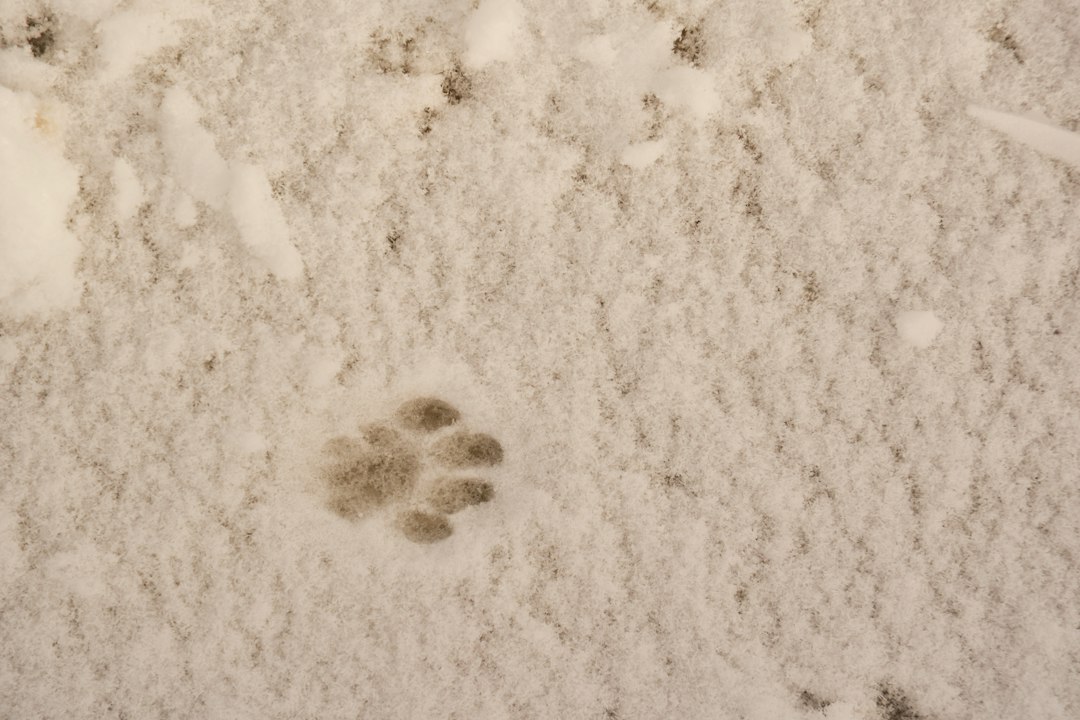
You can absolutely discover a whole other world of animal activity just by looking at their footprints in the snow. It’s not just about identifying a deer or a squirrel; it’s about piecing together their daily lives, their routines, and even their survival strategies. Even in urban environments, if you’ve got a patch of snow, you’ve got a potential nature documentary unfolding.
Reading the Canvas: Why Fresh Snow is Your Best Friend
Think of a fresh snowfall as a blank slate, specifically painted for tracking. It smooths out all the old trails and makes new prints stand out in sharp relief. This is when your chances of a clear identification skyrocket. Older snow, especially if it’s been melting and refreezing, can distort prints so much that they become confusing or downright impossible to read accurately.
The Importance of a Good Storm
After a significant snowfall, especially one that’s light and fluffy, it’s the prime time to head out. You’re not looking for packed-down snow where animals have already churned things up. Instead, you want that untouched layer that captures the detail of each step. It’s like seeing a photograph versus a smudged sketch. The more recent the snow, the clearer the picture.
Snowmelt’s Deceptive Nature
As the sun comes out or temperatures rise, snow begins to melt. This process can make a perfectly clear track expand, blur, and lose its defining features. A small print can look large and misshapen, and a distinct toe pattern can become a vague smudge. This is where distinguishing a true track from a snowmelt artifact becomes crucial. You’ll often see rounded edges, sinkholes, or irregular shapes that are the result of melting rather than an animal’s foot.
If you’re interested in uncovering the secrets of wildlife during winter, you might find the article on finding hidden animal tracks below the snow particularly enlightening. This resource provides valuable insights into identifying various animal tracks and understanding their behavior in snowy environments. For more information on related topics, you can check out this article on asset freezing powers, which, while not directly related, offers intriguing perspectives on the importance of tracking and monitoring in different contexts. You can read it here: Understanding Asset Freezing Powers.
Decoding the Imprint: What to Look For
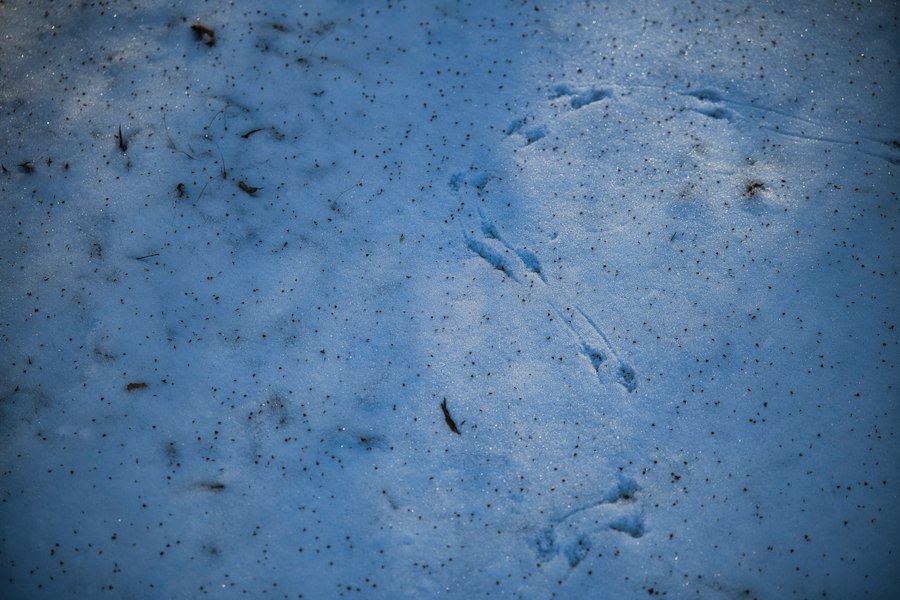
Once you’ve found some promising prints, the real detective work begins. It’s not just about the overall shape; it’s the details that tell the story. Paying attention to things like toe counts, claw marks, and the spacing between prints will help you narrow down the possibilities.
The Magic of Toe Counts
One of the most fundamental clues is the number of toes that register in the snow. Most animals have a specific number of toes on their front and hind feet, and this number often leaves an impression. For instance, a squirrel might show four toes in the front and five in the back, though the fifth hind toe is often less visible. A deer, on the other hand, typically shows two distinct hoof prints, which are actually the two middle toes. Knowing these basic counts can quickly eliminate a lot of guesswork.
Claw Marks: A Tell-Tale Sign
Whether or not you see claw marks is another vital piece of information. Animals that are primarily predators or that use their claws for digging or climbing will often leave clear claw impressions in front of their toe pads. For example, a canid like a coyote or fox will almost always show sharp claw marks. Ungulates like deer and moose, however, have hooves that are hard and don’t typically leave claw marks in the snow. The shape and depth of these claw marks can also offer clues about the animal’s size and how it was moving.
Track Shape and Size: Beyond the Basics
Beyond the number of toes and claws, the overall shape and size of the track are critical. Is it round? Oval? Does it have a distinct heel pad? Compare the width and length to known track dimensions. For example, the distinctive “X” shape of a snowshoe hare track, formed by its large hind feet landing ahead of its front feet, is a classic example of a uniquely shaped print. Comparing your findings to a field guide or online resources with actual-sized track diagrams can be incredibly helpful.
Understanding Gait: The Animal’s Walk
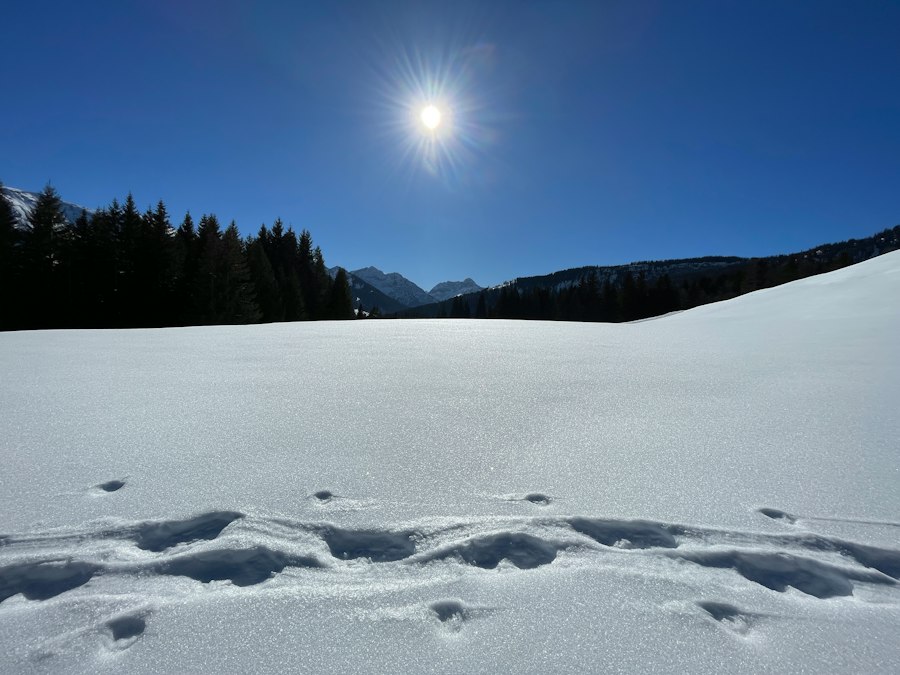
How an animal moves across the snow is just as important as what its individual footprints look like. The pattern of tracks, the distance between them, and how the feet are placed all contribute to understanding the animal’s gait. This is where you start to see the narrative of their journey.
Direct Registering vs. Non-Direct Registering
Some animals, like canids (dogs, foxes, coyotes) and felines (cats, bobcats), tend to be “direct registerers.” This means their hind feet land almost exactly in the spots where their front feet have just been. This creates a very neat, efficient stride. Other animals, like deer or rabbits, are “non-direct registerers,” where their hind feet land outside or beside their front footprints. Observing this difference can help you distinguish between, say, a coyote and a fox, or a domestic dog.
Stride Length and Width: Clues to Size and Speed
The distance between consecutive tracks (the stride) and the distance between the left and right sides of the trail (the width) can give you a good sense of the animal’s size and how fast it was moving. A longer stride generally indicates a larger animal or one that was traveling at a brisk pace. A wider trail might suggest a heavier animal or one that is moving with a bounding motion. For instance, a bounding rabbit or a leaping squirrel will have a very different track pattern than a wolf trotting along.
Trail Patterns: Wanderings and Wanderings
Look at the overall path the animal took. Was it a straight line, indicating purposeful travel? Was it meandering, suggesting foraging or exploration? Were there sudden turns or leaps? These patterns can tell you if the animal was hunting, escaping, looking for food, or simply moving from point A to point B. A trail that suddenly ends at a tree might indicate a squirrel or a cat that climbed for safety.
Beyond the Visible: When Science Reveals Secrets
While visual identification is the most common way to discover animal tracks, science is opening up new frontiers. You might not be extracting DNA yourself, but understanding that it’s possible adds another layer to the story of what’s happening beneath the snow.
Environmental DNA (eDNA) in Snow
Recent advancements in genetics have shown that it’s possible to collect environmental DNA (eDNA) directly from footprints in the snow. This is a game-changer for identifying elusive animals, especially rare carnivores like lynx or wolverines. The DNA shed from an animal’s paws or feces within the footprint can be analyzed to confirm its species. This technology is proving incredibly valuable for wildlife monitoring and research, offering a way to gather information without directly observing the animal.
Historic DNA Discoveries
Early work, even going back to the 2010s, demonstrated the potential of snow tracks for DNA analysis. Studies involving polar bear tracks, for example, showed that a single print could contain enough DNA to identify not only the bear but also its recent prey. This pioneering research laid the groundwork for understanding that snow is not just a surface for tracks, but a potential archive of biological information, preserving traces of DNA that can be recovered and studied.
The Subnivium: A World Beneath Our Feet
It’s important to remember that what we see on the surface—the tracks—is often just a glimpse into a much larger, hidden ecosystem. The layer of space between the ground and the snowpack, known as the “subnivium,” is a surprisingly active habitat for many small creatures. Mice, voles, insects, and even some bacteria thrive in this insulated environment, protected from the harshest winter conditions. The tracks we see on top are often the only visible sign of this bustling, hidden world, revealing their movements as they forage or travel between their shelters.
Exploring the wilderness during winter can reveal fascinating secrets, such as the hidden animal tracks that lie beneath the snow. These tracks provide valuable insights into the behaviors and movements of wildlife, allowing nature enthusiasts to connect with the ecosystem in a unique way. For those interested in understanding more about the intricate relationships within nature, a related article discusses the importance of political geography in shaping global interactions, which can also reflect how human activities influence wildlife habitats. You can read more about this intriguing topic here.
Practical Tips for Your Winter Tracking Adventures
| Metric | Description | Typical Values | Importance |
|---|---|---|---|
| Track Depth | Depth of animal tracks beneath the snow surface | 1-5 cm | Helps determine animal weight and snow conditions |
| Track Length | Length of individual paw or hoof prints | 3-15 cm depending on species | Used to identify animal species |
| Stride Length | Distance between consecutive tracks of the same foot | 20-80 cm | Indicates animal size and gait |
| Snow Temperature | Temperature of snow where tracks are found | -15°C to 0°C | Affects track preservation and visibility |
| Snow Density | Density of snow layer covering tracks | 0.1-0.5 g/cm³ | Impacts track visibility and depth |
| Time Since Snowfall | Duration since last snowfall covering tracks | Hours to days | Older snow may obscure or distort tracks |
| Track Clarity | Visibility and definition of tracks under snow | Low, Medium, High | Determines ease of identification |
You don’t need to be a seasoned naturalist to start reading tracks. A few simple tips and a bit of practice can make you a capable winter tracker. It’s about being observant and enjoying the process of discovery.
Where and When to Look
After a fresh snowfall is the most opportune time. Aim for areas where you’re likely to find wildlife: edges of forests, near water sources, along field boundaries, and even in city parks where animals like squirrels, raccoons, and birds are common. Trails and paths can be useful, but look for them where they meet less disturbed areas, as these are often travel corridors.
What to Carry
A good pair of binoculars can help you spot tracks from a distance or observe animals without disturbing them. A field guide with clear illustrations and descriptions of common animal tracks in your region is invaluable. A notebook and pencil for sketching or jotting down observations can also be helpful. If you’re feeling ambitious, a camera can capture images for later identification or for your own record.
Practice Makes Perfect
Don’t get discouraged if you can’t identify every track you see, especially at first. The more you get out and look, the more familiar you’ll become with different patterns and shapes. Focus on common animals first, like squirrels, rabbits, and birds, and gradually expand your knowledge. Even recognizing that a track is not from a particular animal is a step forward in the learning process. Enjoy the journey of discovery and the connection it brings to the natural world around you.

Life 20,000 Years Ago | When Your Ice Age Family Can’t Feed the Dog
FAQs
What are some common animal tracks that can be found under the snow?
Common animal tracks that can be found under the snow include those of deer, rabbits, foxes, and various birds. Each species leaves distinct patterns based on their size, gait, and the shape of their feet, making it easier to identify them even when covered by snow.
How can I identify animal tracks in the snow?
To identify animal tracks in the snow, look for the shape, size, and pattern of the footprints. Note the number of toes, the presence of claws, and the spacing between tracks. Additionally, consider the surrounding environment and any signs of movement, such as scuff marks or disturbed snow.
What tools can help in finding hidden animal tracks?
Tools that can assist in finding hidden animal tracks include a good pair of binoculars for spotting tracks from a distance, a camera for documenting findings, and a field guide for identifying animal tracks. A small shovel or probe can also help uncover tracks buried under deeper snow.
When is the best time to look for animal tracks in the snow?
The best time to look for animal tracks in the snow is early in the morning or after a fresh snowfall. These times often provide the clearest impressions of tracks, as the snow is less likely to be disturbed and the light conditions are optimal for visibility.
Why is tracking animals in the snow important?
Tracking animals in the snow is important for several reasons, including wildlife observation, understanding animal behavior, and studying ecosystems. It can also aid in conservation efforts by providing insights into animal movements and habitat use during winter months.