
A Glimpse into the Past: The Oued Beht Archaeological Site Unveiled
The sands of time often conceal profound stories, whispering tales of forgotten civilizations and their enduring legacies. In Morocco, a recent discovery has begun to peel back these layers of history, offering a tantalizing glimpse into a past that has long been obscured. The Oued Beht archaeological site, nestled within a region rich with historical potential, is emerging as a significant locus for understanding ancient Moroccan life, trade, and cultural exchange. This unveiling is not merely the excavation of artifacts; it is the reawakening of a narrative, an invitation to comprehend the intricate tapestry of human existence that unfolded centuries ago on this very land. The ongoing work at Oued Beht promises to rewrite chapters of North African history, challenging existing paradigms and illuminating the complexity of societies that predated the modern era.
The Oued Beht archaeological site in Morocco has garnered significant attention due to its rich historical context and the artifacts uncovered there, which provide insights into ancient civilizations. For those interested in exploring the broader implications of historical events and their impact on society, a related article discusses the ramifications of Executive Order 6102, which mandated the confiscation of gold in the United States during the Great Depression. This article can be found at The Impact of Executive Order 6102: Gold Confiscation.
Echoes of Antiquity: Unearthing the Foundations of Oued Beht
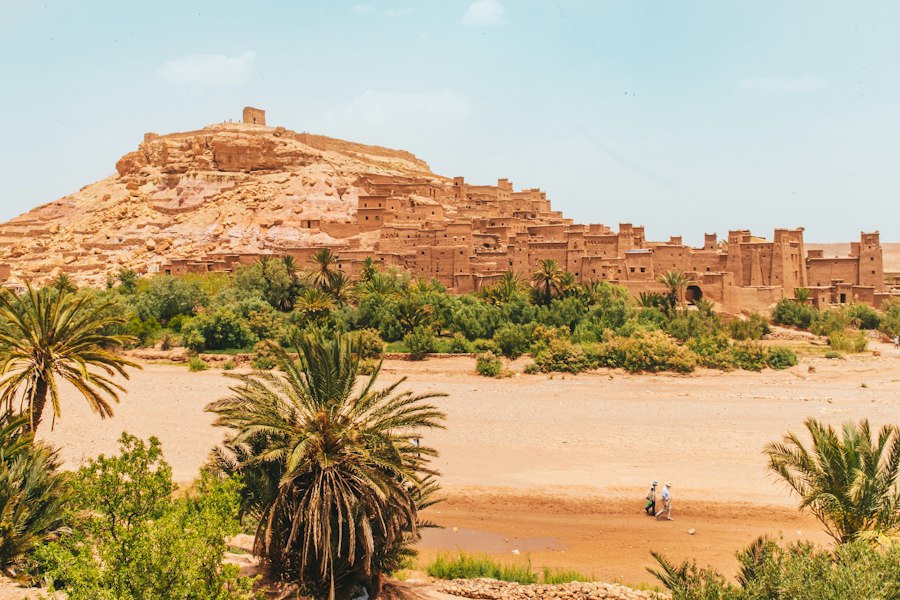
The Oued Beht archaeological site, located in a region characterized by its arid landscapes and the presence of ancient waterways, has been the subject of increasing scholarly attention in recent years. The site’s strategic position, likely determined by access to water resources and routes for communication and trade, suggests its importance in the ancient world. Initial explorations have revealed a multi-layered stratigraphy, indicating a long period of human occupation and activity. The very earth at Oued Beht seems to hold a silent chronicle, waiting for patient hands to coax its secrets to the surface. The painstaking process of excavation, guided by scientific methodologies and a deep respect for the past, is slowly bringing to light the physical manifestations of this ancient presence.
The Genesis of Discovery: From Surface Finds to Subterranean Secrets
The journey to unveiling Oued Beht began not with a dramatic revelation, but with a series of subtle clues. Surface surveys, often conducted by local communities or amateur archaeologists, first hinted at the site’s potential. The discovery of scattered pottery shards, worked stone tools, and other lithic materials, often weathered and worn by the elements, ignited curiosity. These surface finds, while seemingly disparate, served as breadcrumbs, leading archaeologists to believe that a more substantial settlement lay hidden beneath the soil. This initial phase of discovery is crucial; it is the spark that ignites the larger investigative fire, prompting more systematic and extensive research. The transition from observing scattered remnants to planning a full-scale excavation is a testament to the compelling evidence gathered during these preliminary stages.
The Art of Excavation: Methodologies and Innovations at Oued Beht
The excavation process at Oued Beht is a meticulous and scientifically rigorous undertaking. Archaeologists employ a range of techniques, from systematic grid surveys to careful stratigraphic excavation, to ensure that every artifact and feature is documented and understood in its original context. The site is divided into manageable sections, and trenches are dug with precision, layers of soil removed with trowels and brushes to avoid damaging delicate finds. Each layer, or stratum, represents a distinct period of time, and the order in which they are found provides a chronological framework for the site’s history. Furthermore, modern archaeological technologies, such as ground-penetrating radar and drone imagery, are increasingly being integrated into the fieldwork, allowing for non-invasive subsurface exploration and detailed site mapping, thereby enhancing the efficiency and accuracy of the excavation.
A Tapestry of Artifacts: Weaving the Narrative of Daily Life
The artifacts unearthed at Oued Beht are the tangible pieces of a long-lost puzzle. Each shard of pottery, each fragment of metal, each preserved bone offers a unique insight into the lives of the people who once inhabited this place. These objects are not merely inanimate relics; they are imbued with the stories of their creators and users, providing invaluable data for reconstructing the social, economic, and cultural fabric of ancient Oued Beht. The sheer diversity and quality of the finds underscore the site’s historical significance, suggesting a community that was both industrious and connected to wider networks.
Ceramic Chronicles: Tracing Trade and Technology Through Pottery
Pottery is often the most abundant and informative artifact found at archaeological sites, and Oued Beht is no exception. The excavation has yielded a rich collection of ceramic fragments, ranging from simple, utilitarian wares to more elaborately decorated pieces. The styles, materials, and manufacturing techniques evident in these ceramics offer crucial clues about the inhabitants’ technological capabilities and their connections to other regions. Analysis of the clay composition can reveal whether the pottery was locally produced or imported, providing direct evidence of trade routes and economic exchange. The decorative motifs, when present, can shed light on artistic sensibilities, religious beliefs, or social hierarchies. The study of these ceramic chronicles is fundamental to understanding the daily lives and external relationships of the Oued Beht community.
Lithic Legacies: Tools and Traditions of the Ancient Inhabitants
Beyond ceramics, the Oued Beht site has also produced a significant array of lithic artifacts. These include stone tools, such as arrowheads, scrapers, hand axes, and grinding stones, which were essential for survival and daily tasks. The types of stone used and the techniques employed in their manufacture speak volumes about the technological knowledge and resourcefulness of the ancient inhabitants. The presence of specific types of tools can indicate particular activities, such as hunting, farming, or food processing. Furthermore, the distribution of these lithic finds across the site can help archaeologists delineate activity areas and understand how the settlement was organized. The study of these lithic legacies provides a direct link to the practical aspects of life in ancient Oued Beht.
Metallurgy’s Murmurings: Evidence of Early Craftsmanship
The discovery of metallic objects at Oued Beht, though perhaps less numerous than ceramics or lithics, carries immense significance. The presence of worked metal, whether it be bronze, iron, or even earlier copper artifacts, points to a level of technological sophistication and access to resources. The analysis of these metallic items can reveal details about smelting techniques, alloy compositions, and the types of objects being produced – jewelry, weapons, tools, or decorative items. The metallurgical finds are particularly important for dating the site and understanding its position within broader technological trajectories of the ancient world. They speak of skilled craftsmanship and the ability to harness and transform raw materials into objects of utility and perhaps even prestige.
Tracing the Footprints: Understanding Society and Economy
The systematic unearthing of artifacts at Oued Beht is more than an act of collection; it is an endeavor to reconstruct the social organization, economic activities, and daily routines of the people who lived there. By meticulously examining the context and nature of the finds, archaeologists can begin to paint a picture of a vibrant community, its customs, and its place within the wider ancient world. This interpretive phase is where the raw data of excavation transforms into a compelling historical narrative.
Settlement Patterns: Mapping the Architecture of Ancient Life
The spatial distribution of structures, hearths, and artifact concentrations at Oued Beht provides crucial insights into the settlement patterns of its inhabitants. Archaeologists can delineate the layout of dwellings, public spaces, and specialized work areas, allowing for a reconstruction of how the community was organized. The size and complexity of these structures can suggest social stratification and the presence of different social groups within the settlement. Understanding how the inhabitants arranged their living and working spaces offers a tangible glimpse into their daily lives, their family structures, and their communal interactions. Mapping these settlement patterns is akin to charting the physical embodiment of their society.
Trade Networks: Connecting Oued Beht to the Wider World
The presence of non-local materials, such as specific types of stone, metal ores, or exotic pottery styles, is a powerful indicator of Oued Beht’s involvement in ancient trade networks. By identifying the origin of these imported goods, archaeologists can begin to map the extent of the site’s economic connections, revealing trade routes and spheres of influence. This evidence helps to place Oued Beht within a larger regional and even intercontinental context, demonstrating that it was not an isolated community but one that engaged in exchange with distant peoples. The study of these trade networks is vital for understanding the flow of goods, ideas, and technologies across ancient landscapes.
Subsistence Strategies: The Foundation of Daily Sustenance
The investigation into the dietary habits and resource utilization of the Oued Beht inhabitants is a critical component of understanding their subsistence strategies. Analysis of faunal remains (animal bones) and floral remains (plant seeds and pollen) can reveal what the people ate, how they acquired their food (hunting, gathering, or agriculture), and what resources they exploited from their environment. Evidence of farming implements, such as grinding stones, or the remains of cultivated plants can indicate the development of agricultural practices, which would have had a profound impact on settlement stability and population growth. Understanding their subsistence strategies is fundamental to grasping the fundamental basis of their existence.
The Oued Beht archaeological site in Morocco has garnered significant attention for its rich historical context and the artifacts unearthed there, shedding light on ancient civilizations. For those interested in exploring the broader implications of early human exploration, a fascinating article discusses the journeys of explorers in Antarctica before 1820, which can provide a unique perspective on human resilience and discovery. You can read more about these early expeditions in the article found here.
The Significance of Oued Beht: Illuminating North African History
| Metric | Details |
|---|---|
| Location | Oued Beht, Morocco |
| Type of Site | Archaeological, Prehistoric |
| Period | Middle Paleolithic |
| Key Findings | Stone tools, animal bones, evidence of early human activity |
| Excavation Start Year | 1990s |
| Significance | Insight into Neanderthal and early Homo sapiens presence in North Africa |
| Research Institutions | Various Moroccan and international archaeological teams |
The ongoing discoveries at Oued Beht are not merely filling in the blanks of a localized history; they are poised to significantly reshape our understanding of broader North African archaeological and historical narratives. The site’s potential to shed light on periods and cultures that are currently poorly understood makes it an invaluable asset for scholars and a source of pride for Morocco. The insights gained from Oued Beht contribute to a more nuanced and comprehensive picture of human development in the region.
Filling Historical Gaps: Unveiling Lesser-Known Eras
Many periods of North African history remain shrouded in mystery, with limited archaeological evidence to illuminate the lives of its ancient inhabitants. The Oued Beht site, with its potentially deep stratigraphy, offers a unique opportunity to explore these lesser-known eras. The artifacts and structures unearthed can provide crucial data for understanding the transition between different cultural phases, the impact of external influences, and the evolution of local traditions. By filling these historical gaps, Oued Beht contributes to a more complete and accurate chronology of human presence in the Maghreb.
Cultural Exchange and Identity: A Crossroads of Civilizations
The strategic location of Morocco has historically made it a nexus for cultural exchange between Africa, Europe, and the wider Mediterranean world. The evidence emerging from Oued Beht, particularly in the form of trade goods and stylistic influences, can help to unravel the complex patterns of cultural interaction that shaped the region. The site may reveal how different peoples shared ideas, technologies, and artistic expressions, and how these exchanges contributed to the formation of unique local identities. Oued Beht stands as a testament to the interconnectedness of ancient societies and the dynamic nature of cultural evolution.
Legacy and Future Research: A Beacon for Continued Exploration
The unveiling of the Oued Beht archaeological site is not an endpoint but a promising beginning. The discoveries made thus far have opened up new avenues of research and have highlighted the vast potential that still lies dormant beneath the Moroccan soil. Future excavations and analyses will undoubtedly yield further revelations, deepening our understanding of this important site and its place in the grand sweep of human history. Oued Beht serves as a beacon, guiding future generations of archaeologists and historians toward a richer and more complete appreciation of North Africa’s ancient past.

They Found a 4,000-Year-Old Defense Line in Morocco
FAQs
What is the significance of the Oued Beht archaeological site?
The Oued Beht archaeological site is significant for its well-preserved remains of a prehistoric settlement, providing valuable insights into the ancient human occupation of the region.
When was the Oued Beht archaeological site discovered?
The Oued Beht archaeological site was discovered in [year], during an excavation led by a team of archaeologists exploring the area.
What artifacts have been found at the Oued Beht archaeological site?
Artifacts found at the Oued Beht archaeological site include pottery fragments, tools, and evidence of ancient structures, all of which help researchers understand the daily life of the inhabitants.
Who inhabited the Oued Beht archaeological site in ancient times?
Ancient inhabitants of the Oued Beht archaeological site are believed to have been early human settlers, possibly from [specific ancient civilization or culture].
Is the Oued Beht archaeological site open to the public?
As of now, the Oued Beht archaeological site is not open to the public, as it is still an active excavation site and requires special permission to visit.