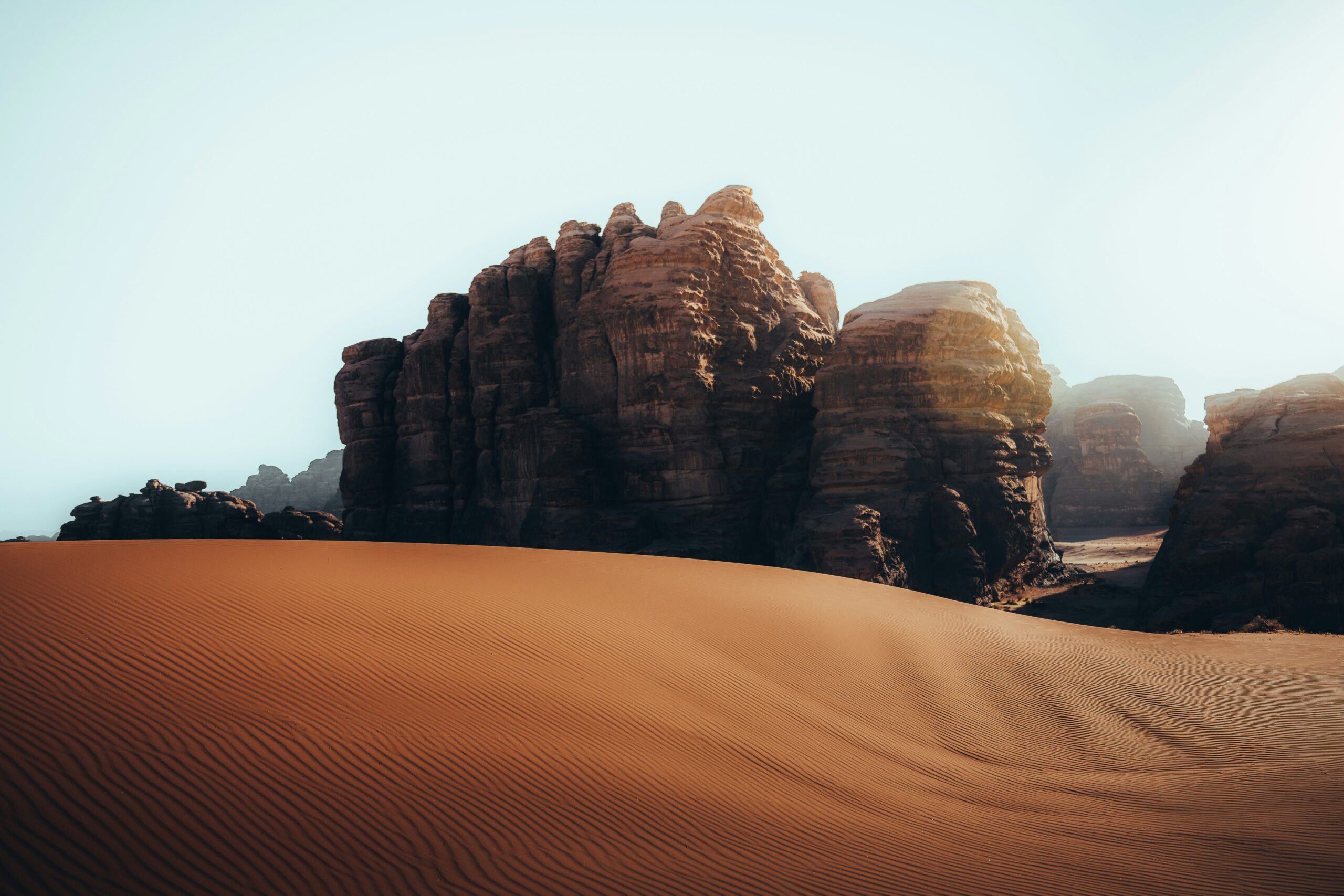
The desert winds of Arabia have long whispered secrets of ancient peoples. For millennia, these vast landscapes, often perceived as barren and desolate, have concealed a rich tapestry of human history. Among the most profound discoveries are the echoes of Stone Age artistry, a testament to the creativity and intellectual capacity of our distant ancestors who once roamed these lands. These ancient carvings and paintings, etched into the rock faces and scattered across archaeological sites, offer a rare and invaluable glimpse into the minds, beliefs, and daily lives of people who lived thousands of years ago, long before the rise of recorded history and the great civilizations that would later flourish in the region. Unveiling this prehistoric art is not merely an archaeological endeavor; it is an act of connecting with the very roots of human expression and understanding the universal impulse to create and communicate.
Echoes in Stone: The Genesis of Arabian Rock Art
The earliest forms of human expression in Arabia predate written records by an astonishing margin. These were not the elaborate cave paintings of Lascaux or Altamira, found in temperate climes, but rather a unique form of rock art adapted to the harsh yet historically more hospitable Arabian environment. The sheer scale and antiquity of these discoveries challenge previous assumptions about the intellectual and artistic development of early hominins in this part of the world. The transition from rudimentary tool-making to the complex symbolic representations found in rock art marks a significant cognitive leap, indicating a capacity for abstract thought, storytelling, and the development of cultural traditions. The materials and techniques employed, though seemingly simple, were remarkably effective in preserving these messages for posterity, allowing archaeologists to decipher fragments of a lost world.
The Discovery Landscape: Where Ancient Hands Left Their Mark
The discovery of Stone Age art in Arabia is a relatively recent phenomenon, spurred by advancements in archaeological methodology and the exploration of remote desert regions. What was once considered a land of only sand and sparse settlements has revealed itself as a treasure trove of prehistoric cultural heritage. Early explorers and Bedouin tribes often encountered these rock engravings and paintings, but their true significance was only recognized with systematic archaeological investigation. Sites are scattered across the Arabian Peninsula, with notable concentrations in Saudi Arabia, Yemen, Oman, and the United Arab Emirates. These locations are not randomly distributed; they often correspond to areas that would have been more verdant in prehistoric times, featuring water sources, game trails, and natural shelters. The careful selection of these sites suggests a deliberate choice by the ancient artists, perhaps imbuing them with special significance or using them as focal points for communal activities and storytelling. The sheer number of known sites, estimated to be in the tens of thousands, points to a widespread and deeply ingrained artistic tradition.
Chronological Layers: Dating the Dawn of Creativity
Establishing the precise age of these rock carvings and paintings is a critical and often challenging aspect of their study. Unlike paintings on portable surfaces, rock art is intrinsically linked to its geological context, making direct dating difficult. Archaeologists employ a variety of methods to infer the age of these artworks. These include stylistic analysis, comparing motifs and techniques to those found at dated archaeological sites; archaeological excavation at the base of rock faces, which can reveal associated artifacts; radiocarbon dating of organic materials found in the vicinity, such as charcoal from ancient hearths or residue within the pigments; and geomorphological studies of the rock surfaces themselves, observing erosion patterns and weathering that can indicate age. While precise dating for every panel remains elusive, evidence suggests a continuous tradition spanning tens of thousands of years, from the Late Pleistocene through the Holocene. This temporal depth allows for the observation of evolving artistic styles, changing subject matter, and the development of more sophisticated techniques, painting a dynamic picture of human presence and cultural evolution in Arabia.
Stone Age art in Arabia has garnered significant attention from researchers exploring the region’s prehistoric cultures. A related article that delves into the fascinating history of ancient cartography and its implications for understanding human civilization is available at this link: Uncovering Glacial History with the Piri Reis Map. This article highlights how ancient maps can provide insights into the environmental conditions and cultural exchanges that shaped early human societies, including those in Arabia during the Stone Age.
The Canvas of the Desert: Mediums and Masterpieces
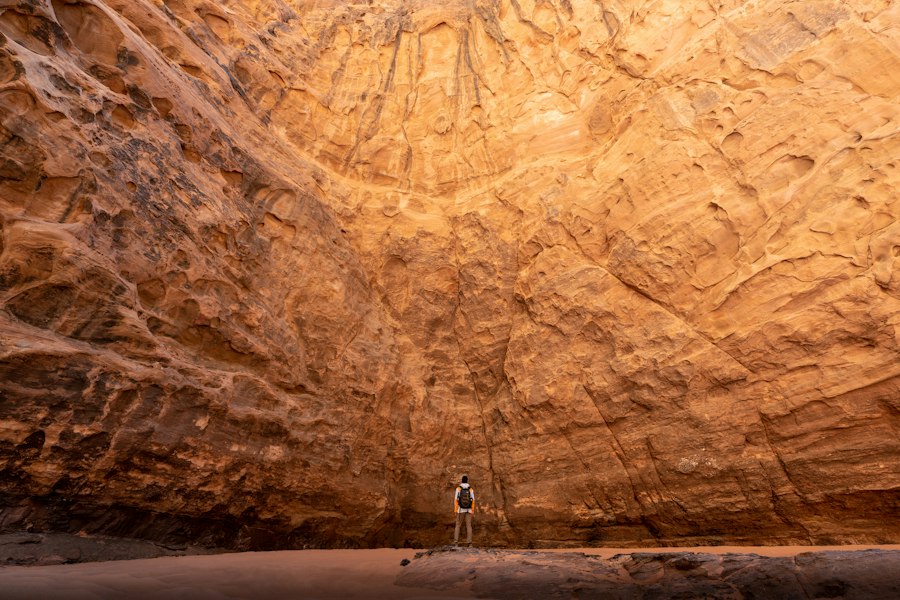
The artists of Stone Age Arabia utilized the natural environment as their primary canvas, transforming the stark rock faces into vibrant displays of their world. The choice of medium was dictated by the available resources and the enduring nature of the materials. These ancient artists were adept at working with what the desert offered, demonstrating an ingenuity that belies their presumed technological limitations. The art itself serves as a window into their understanding of the natural world, their social structures, and their spiritual beliefs, offering a rich narrative for modern interpreters. The sheer diversity of motifs and styles found across different regions and time periods highlights the regional variations and the evolution of artistic traditions within the broader Arabian context.
Engraved Narratives: Petroglyphs of the Past
Petroglyphs, or rock engravings, constitute a significant portion of Stone Age art in Arabia. These images were created by incising, pecking, or abrading the surface of the rock. The most common tools used would have been harder stones, carefully selected for their abrasive qualities. The artists would then meticulously chip away at the rock face to reveal the lighter layer beneath, creating outlines and infills that form recognizable figures. The subjects of these engravings are incredibly diverse. Prominent among them are depictions of animals, reflecting the rich fauna that once inhabited the region. These include ibex, gazelles, wild cattle, ostriches, and even larger predators like lions and hyenas. The precision and dynamism with which these animals are rendered are striking, suggesting a deep familiarity with their anatomy and behavior. Beyond fauna, human figures are also common, often depicted in scenes of hunting, dancing, or engaged in other activities. Abstract geometric patterns and symbols also feature prominently, their meanings often enigmatic but undoubtedly carrying significant cultural or spiritual weight. The scale of some of these petroglyphs, covering vast swathes of rock faces, suggests communal efforts or the creation of public markers of cultural importance.
Pigmented Stories: Pictographs Adorning the Rocks
While petroglyphs are more prevalent due to their durability, Stone Age Arabia also boasts a considerable collection of pictographs, or rock paintings. These artworks were created using pigments derived from natural mineral sources, such as ochre (for reds and yellows), charcoal (for blacks), and possibly other colored clays. These pigments were likely mixed with binders like animal fat, plant sap, or water to create a paint. The application techniques varied, with brushes made from animal hair or plant fibers, or even fingers, being used. The surviving pictographs, often found in sheltered rock overhangs or caves, are more vulnerable to the elements than engravings, making the preserved examples particularly precious. The subject matter of pictographs often overlaps with that of petroglyphs, featuring animals and human figures. However, pictographs sometimes allow for more intricate details and a greater range of colors, enabling the depiction of more nuanced scenes and possibly the representation of emotions or narratives. The vibrant colors, even after millennia, offer a vivid contrast to the desert landscape and a powerful connection to the artists who applied them. The rarity of certain pigments or colors could also indicate their cultural significance or the extensive trade networks that might have existed to procure them.
Unpacking the Symbolism: What Did They See, What Did They Say?

The enduring challenge and fascination of Stone Age art lie in deciphering its meaning. Without written records, interpreting these ancient images requires a multidisciplinary approach, drawing on comparative ethnography, the study of current cultural practices, and the ecological context of the time. While definitive interpretations are often elusive, patterns and recurring motifs offer compelling insights into the worldview of these early Arabians. The art was not merely decorative; it served vital functions within their societies, from storytelling and religious practice to social cohesion and the transmission of knowledge. The enduring power of these images lies in their ability to transcend time and culture, speaking to fundamental aspects of the human experience.
The Animal Kingdom: Reverence, Resource, and Reality
The abundance of animal depictions in Stone Age Arabian art underscores the profound relationship between humans and the natural world. These animals were not just food sources; they were integral to the ecology, mythology, and daily lives of these ancient communities. The detailed and often dynamic renderings suggest a deep understanding of animal behavior, anatomy, and migration patterns. This knowledge would have been crucial for survival, informing hunting strategies and resource management. Beyond their practical importance, animals likely held spiritual significance. Some depictions may represent totemic animals, clan symbols, or deities. The power and majesty of certain animals, such as the ibex with its impressive horns, might have been seen as embodying strength, fertility, or other desirable attributes. The inclusion of predators alongside prey could reflect a broader understanding of the natural order and the constant interplay of life and death. The way animals are depicted – whether alone, in herds, or interacting with humans – can also offer clues about their perceived role in the cosmos and their relationship to the human community.
Human Forms and Social Fabric: Glimpses of Daily Life and Ritual
The depiction of human figures, though often less detailed than their animal counterparts, provides invaluable insights into the social lives and rituals of Stone Age Arabians. These figures are frequently shown engaged in activities that offer glimpses into their daily routines. Hunting scenes are common, illustrating cooperative efforts and the challenges of acquiring sustenance. Depictions of dancing or communal gatherings suggest the importance of social cohesion, celebration, and the transmission of cultural traditions through performance. Some figures are adorned with what appear to be jewelry or headdresses, hinting at social stratification or ritualistic attire. The poses and gestures of the human figures can also convey a sense of emotion or narrative, inviting viewers to imagine the stories unfolding on the rock faces. The presence of abstract symbols and geometric patterns alongside human figures raises questions about their symbolic language, which might have represented concepts, spiritual forces, or cosmological beliefs. The interpretation of these human representations is crucial for understanding how these ancient societies organized themselves, how they interacted with their environment, and how they expressed their collective identity.
The Significance of Survival: Preserving Arabia’s Prehistoric Legacy
The remarkable preservation of Stone Age art in Arabia is a testament to both the resilience of the medium and the unique environmental conditions of the region. The arid climate, characterized by low rainfall and minimal vegetation, has helped to protect the delicate rock surfaces from rapid erosion and decay. However, this precious legacy faces new threats in the modern era, necessitating concerted efforts for its protection and study. The ongoing discovery and documentation of these ancient artworks are vital for understanding not only Arabia’s past but also the broader narrative of human cognitive and artistic evolution. The continued exploration and analysis of these sites promise to yield further revelations, deepening our appreciation for the ingenuity and cultural richness of our earliest ancestors.
Threats to the Ancient Canvas: Modern Challenges to Prehistoric Art
While the desert has been a benevolent guardian for millennia, modern human activities now pose significant risks to Stone Age rock art in Arabia. The rapid pace of development, including urban expansion, infrastructure projects, and tourism, can lead to direct physical damage. Construction activities can result in the accidental destruction of sites or the erosion of rock surfaces. Increased human traffic to previously remote locations can also contribute to wear and tear. Furthermore, the effects of climate change, while seemingly contradictory in an arid region, can also be detrimental. Changes in rainfall patterns, increased dust storms, and rising temperatures can accelerate the natural weathering processes that degrade rock art. Pollution from industrial activities and vehicle emissions can also leave harmful residues on the rock surfaces. Without adequate protection and management, these invaluable historical resources are vulnerable to irreversible damage, erasing crucial chapters of human history before they can be fully understood.
Guardians of the Past: Conservation and Future Exploration
Recognizing the immense cultural and scientific value of Arabian Stone Age art, concerted efforts are underway to ensure its preservation for future generations. Archaeological surveys and documentation projects are continuously identifying and recording new sites, creating invaluable databases for research and conservation planning. Many countries in the region are implementing policies to protect known rock art sites, establishing protected areas, and regulating development to minimize impact. Conservation initiatives involve a range of techniques, from the stabilization of fragile rock surfaces to the careful cleaning of harmful accretions. Education and public awareness campaigns are also crucial, fostering a sense of stewardship among local communities and visitors alike. Simultaneously, the scientific exploration of these sites continues. Advanced dating techniques, sophisticated imaging technologies, and interdisciplinary research are constantly pushing the boundaries of our understanding. Future exploration holds the promise of uncovering even more remarkable artworks, revealing new insights into the lives, beliefs, and artistic achievements of Arabia’s earliest inhabitants, further enriching our global understanding of human history.
Recent discoveries in Arabia have shed light on the fascinating world of Stone Age art, revealing intricate petroglyphs and carvings that offer insights into the lives of early humans in the region. These findings not only highlight the artistic capabilities of our ancestors but also suggest a complex social structure and cultural practices. For those interested in exploring the broader implications of ancient technologies and their impact on human development, a related article can be found here: The Lost Ancient Tech: What Did We Lose?. This resource delves into the technological advancements of early civilizations, providing a compelling context for understanding the significance of such artistic expressions.
A Tapestry of Time: The Enduring Relevance of Stone Age Art
| Metric | Details |
|---|---|
| Period | Upper Paleolithic to Neolithic (approx. 40,000 to 6,000 years ago) |
| Types of Art | Petroglyphs, rock engravings, carvings, and painted rock art |
| Common Themes | Animals (ibex, camels, horses), human figures, hunting scenes, symbolic motifs |
| Materials Used | Stone tools for engraving, natural pigments for painting |
| Notable Sites | Jubbah, Shuwaymis, Jebel Umm Sanman, and Jebel al-Manjor |
| Estimated Number of Artworks | Thousands of petroglyphs and rock art panels documented |
| Significance | Provides insight into prehistoric life, environment, and cultural practices in Arabia |
The discovery and ongoing study of Stone Age art in Arabia represent a profound intellectual and cultural journey. These ancient etchings and paintings are more than just historical artifacts; they are tangible links to our shared human past, offering a unique perspective on the universal human drive for expression, meaning-making, and the creation of cultural identity. The very act of creating art, even in the most challenging environments, speaks to the deep-seated cognitive abilities and the complex social dynamics of our Stone Age ancestors. As we continue to unveil these remarkable legacies, we not only enrich our understanding of a specific region but also contribute to a global narrative of human ingenuity and the enduring power of creativity. The whispers of the desert wind carry the stories of these ancient artists, inviting us to listen, to learn, and to marvel at the timeless impulse that connects us all across the vast expanse of millennia.
Connecting the Threads: Arabia’s Place in the Global Story of Art
The rock art of Stone Age Arabia is not an isolated phenomenon. It forms an integral part of a global narrative of early human artistic expression. While the specific styles, motifs, and environmental contexts differ, the underlying impulse to create and communicate through visual means is a universal human trait. Comparing Arabian rock art with similar discoveries in Africa, Asia, Australia, and Europe allows for a broader understanding of regional variations and shared developments in human cognitive and cultural evolution. The Arabian context, with its unique ecological history and the distinct adaptations of its early inhabitants, offers crucial data points in this global mosaic. The study of Arabian rock art helps to refine our understanding of how human societies developed artistic traditions in diverse environments, how they interacted with their surroundings, and how they formed complex belief systems. It challenges any notion of a singular, linear progression of human development, highlighting instead the rich diversity of early human cultures and their remarkable capacity for innovation and adaptation.
The Enduring Echo: Lessons for the Present and Future
The Stone Age art of Arabia holds profound lessons for the present and the future. It serves as a powerful reminder of the depth and richness of human history, often hidden beneath the surface of our modern world. The ingenuity and resourcefulness of these ancient artists, who created enduring works with rudimentary tools and natural materials, can inspire contemporary approaches to creativity and problem-solving. Furthermore, the careful preservation of these sites underscores the ethical responsibility we have to protect our shared cultural heritage for future generations. By studying and appreciating this ancient art, we gain a deeper understanding of our own humanity, recognizing the continuity of fundamental human impulses that have shaped our species for tens of thousands of years. The enduring echoes of Stone Age creativity in Arabia continue to resonate, offering a timeless connection to the earliest chapters of our collective story and reminding us of the enduring power of the human spirit to create, to communicate, and to leave a lasting mark upon the world.
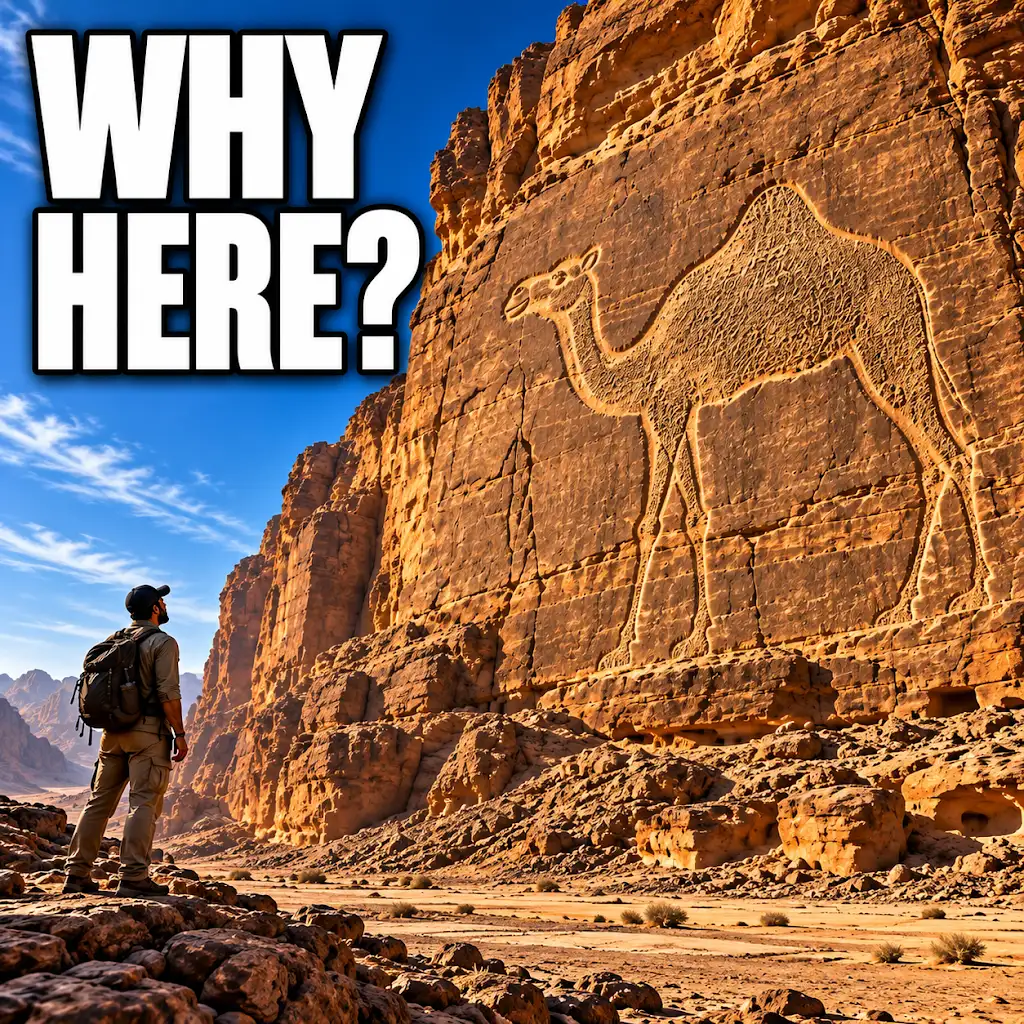
Why Were Giant Camels Carved Above the Desert?
FAQs
What is Stone Age art in Arabia?
Stone Age art in Arabia refers to the ancient artistic expressions found in the Arabian Peninsula dating back to prehistoric times. These artworks include rock engravings, petroglyphs, and cave paintings created by early human inhabitants of the region.
Where can Stone Age art in Arabia be found?
Stone Age art in Arabia can be found in various locations across the Arabian Peninsula, including in caves, rock shelters, and open-air sites. Some well-known sites with significant examples of this ancient art include Shuwaymis, Jubbah, and Najran in Saudi Arabia.
What themes are commonly depicted in Stone Age art in Arabia?
Common themes depicted in Stone Age art in Arabia include hunting scenes, wildlife, human figures, geometric patterns, and abstract symbols. These artworks provide insights into the daily lives, beliefs, and cultural practices of the ancient inhabitants of the region.
How old are the Stone Age artworks in Arabia?
The Stone Age artworks in Arabia can vary in age, with some dating back thousands of years. The oldest known rock art in the region is estimated to be over 10,000 years old, providing valuable evidence of early human creativity and expression in the area.
What significance do Stone Age art in Arabia hold?
Stone Age art in Arabia holds great significance as it offers valuable insights into the cultural, social, and artistic practices of ancient human societies in the region. These artworks provide a glimpse into the beliefs, rituals, and daily activities of early inhabitants of the Arabian Peninsula.