
Deep within the sun-baked hills of southeastern Turkey, a discovery of monumental significance has been steadily unfolding, offering a profound glimpse into the dawn of human civilization. Karahantepe, a site previously overshadowed by its more famous neighbor Göbeklitepe, is proving to be a treasure trove of enigmatic human sculptures, challenging long-held assumptions about the capabilities and beliefs of our Neolithic ancestors. These artfully crafted figures, unearthed with meticulous care by archaeologists, speak a silent but eloquent language of a complex society that flourished over 11,000 years ago. Their very existence raises more questions than answers, inviting us to reconsider the trajectory of human artistic, spiritual, and social development.
Karahantepe, situated in the Urfa province of Turkey, has been a subject of ongoing archaeological investigation for several years. While Göbeklitepe, with its colossal T-shaped pillars and intricate carvings, captured global attention for its age and sophistication, Karahantepe has emerged as a complementary, and in some ways, even more revealing, revelation. The site consists of a series of artificial mounds and excavation areas, where archaeologists have been painstakingly uncovering structures, artifacts, and, most notably, an astonishing array of human sculptures. Unlike the predominantly animal reliefs at Göbeklitepe, the focus at Karahantepe appears to have been on the human form, rendered with a remarkable degree of detail and emotional resonance.
Early Discoveries and Initial Impressions
The initial discoveries at Karahantepe were promising, hinting at a settlement of considerable age and importance. However, it was the systematic excavation of specific structures, particularly those with deeply carved relief elements, that brought the human sculptures to the forefront. Archaeologists, accustomed to the more abstract or stylized representations found at other Neolithic sites, were struck by the lifelike quality and distinct individuality of the Karahantepe figures. The sheer number and variety of these sculptures suggest a deeply ingrained practice of human representation, pointing towards a rich symbolic and possibly religious system.
The Landscape of Discovery
The geographical context of Karahantepe is as important as the artifacts themselves. Located in a region known as the “Fertile Crescent,” the site is surrounded by a landscape that would have supported early agricultural communities. The proximity to water sources and fertile land likely played a crucial role in the development of settled life and the subsequent cultural achievements observed at Karahantepe. The meticulous planning and construction of the settlement, evident in the layout of the unearthed structures, further underscores the organizational capabilities of these early peoples.
The discovery of the human sculptures at Karahantepe has sparked significant interest in the archaeological community, drawing parallels to other ancient civilizations and their artistic expressions. For those intrigued by the implications of such findings on our understanding of human history, an insightful article titled “The End of Peaceful Space Exploration: A New Era Begins” delves into the broader themes of exploration and discovery, albeit in a different context. You can read more about it by following this link: The End of Peaceful Space Exploration: A New Era Begins.
The Artistry of the Human Form
The human sculptures of Karahantepe are, without question, the defining feature of the site. They are not merely decorative elements but appear to be imbued with profound meaning, reflecting a deep understanding of human anatomy and an ability to convey emotion and narrative through stone. The craftsmanship is exceptional, showcasing a mastery of stone carving that belies the presumed technological limitations of the period.
Anatomical Precision and Expressive Features
Many of the sculptures depict human faces with striking realism. Eyes are often deeply carved, conveying a sense of presence and introspection. Noses are prominent, and mouths can be subtly downturned or rendered with a hint of expression. Some figures exhibit elaborate hairstyles or headdresses, suggesting social status or ritualistic significance. The musculature of the bodies is often detailed, hinting at strength and vitality. This level of anatomical understanding is unprecedented for a culture of this age, indicating a keen observation of the natural world and a sophisticated approach to artistic representation.
Diverse Representations and Individualization
What is particularly captivating about the Karahantepe sculptures is their diversity. While some figures appear generalized, many exhibit distinct characteristics that suggest individual portraits or representations of specific individuals. This level of individualization is a significant departure from the more generalized human figures found in much earlier art. It implies a society that valued and recognized individual identity, perhaps even celebrating or memorializing specific people.
The Materials and Techniques Employed
The primary material used for these sculptures is limestone, a readily available resource in the region. The sculptors employed a range of techniques, including chiseling, grinding, and polishing, to achieve the desired forms and textures. The scale of the sculptures varies, from life-sized figures to smaller, more intimate pieces. The dedication and skill required to work with such hard materials using rudimentary tools are a testament to the artists’ commitment and expertise.
Unraveling the Purpose: Beyond Mere Decoration
The purpose behind the creation of these numerous and elaborate human sculptures remains a central enigma of Karahantepe. While it is tempting to view them as purely aesthetic creations, their placement within specific architectural contexts and their consistent depiction of human forms suggest a deeper, more functional role. Their presence likely served multiple purposes, spanning religious devotion, social commemoration, and possibly even storytelling.
Ritualistic Significance and Religious Practices
Many of the sculptures are found within or associated with architectural structures that appear to have served communal purposes. The presence of large, central figures in what might have been ceremonial spaces strongly suggests a role in religious rituals or spiritual practices. These figures could have represented deities, ancestral spirits, or important figures within their belief system. The act of carving and placing these figures may have been a form of worship, appeasement, or a way to connect with the divine.
Memorialization and Ancestor Veneration
The apparent individualization of some sculptures leads to the hypothesis of memorialization. It is possible that these figures were created to commemorate important individuals, such as leaders, shamans, or esteemed members of the community. The practice of ancestor veneration, common in many ancient societies, could also be at play here. By creating enduring representations of their forebears, these early peoples might have sought to honor them, seek their guidance, or maintain a connection with their lineage.
Narrative and Mythological Depictions
While clear narrative scenes are not immediately evident, the poses and gestures of some figures could be interpreted as conveying stories or mythological events. The interaction between different sculptures, or the way they are positioned within the architectural space, might have been intended to depict aspects of their cosmology, creation myths, or historical accounts. Further research and comparative analysis with other ancient art forms may shed light on these potential narratives.
The Enigmatic Context: Architecture and Symbolism
The architectural settings in which the Karahantepe sculptures are found are crucial to understanding their meaning. The structures are not random collections of stone but appear to be deliberately designed and constructed spaces, suggesting a sophisticated understanding of planning and organization. The integration of sculpture within these architectural frameworks points towards a holistic approach to cultural expression.
Structures of Communal Gathering and Ritual
Excavations have revealed large, circular or semi-circular structures with central raised platforms and surrounding seating. These spaces were likely used for communal gatherings, ceremonies, and possibly feasts. The human sculptures, often found prominently placed within these areas, would have been central to the activities that took place there. Their presence would have lent gravitas and spiritual significance to these gatherings.
The Significance of Placement and Orientation
The precise placement and orientation of the sculptures within these structures are also noteworthy. Some figures are positioned to face specific directions, perhaps towards celestial bodies, natural landmarks, or other significant features of the landscape. This deliberate arrangement suggests a cosmological understanding and a desire to align human activities with the broader natural and spiritual world.
Symbolic Motifs and Iconography
Beyond the human figures themselves, other symbolic motifs and iconography may be present, though perhaps less obvious. Recurring patterns, geometric designs, or representations of other elements of their environment could hold further symbolic meaning. The interplay between these elements and the human sculptures could reveal a complex system of beliefs and cultural understanding.
The recent discoveries at Karahantepe, where remarkable human sculptures have been unearthed, have sparked significant interest in the study of ancient civilizations. These intricate carvings not only showcase the artistic skills of their creators but also raise questions about the societal structures of the time. For those intrigued by the technological advancements of ancient cultures, a related article explores the fascinating concept of advanced technology in prehistoric times. You can read more about it in this insightful piece on unbelievable ancient advanced technology.
Rethinking Neolithic Society: A Paradigm Shift
| Location | Number of sculptures | Material | Height |
|---|---|---|---|
| Karahantepe | Over 100 | Limestone | Varying heights |
The discoveries at Karahantepe, alongside those at Göbeklitepe, are fundamentally reshaping our understanding of Neolithic societies. They demonstrate that these early communities were not simply struggling for survival but were capable of complex social organization, abstract thought, and sophisticated artistic expression. The human sculptures, in particular, challenge the notion of Neolithic peoples as primitive and suggest a level of self-awareness and spiritual depth that was previously unimaginable for this era.
The Dawn of Complex Social Structures
The scale of the construction and the evident organization required to create and place these sculptures suggest well-established social hierarchies and cooperative labor. The ability to mobilize resources and labor for non-essential, yet culturally significant, projects like this points towards a society that had moved beyond mere subsistence and had developed more complex social structures.
Challenging the Agricultural Revolution Timeline
The sophistication of Karahantepe art predates many established timelines for the development of complex human societies. It suggests that artistic and symbolic expression, and perhaps even forms of organized religion, may have preceded or co-evolved with the advent of agriculture, rather than being a direct consequence of it. This challenges the traditional narrative that agricultural sedentism was the sole driver of cultural complexity.
The Enduring Mystery of the Karahantepe Mind
The human sculptures of Karahantepe are more than just ancient artifacts; they are windows into the minds of our distant ancestors. They invite us to contemplate their worldviews, their beliefs, and their understanding of themselves and their place in the cosmos. While much remains unknown, these silent stone figures offer a profound and humbling connection to the earliest chapters of human history, reminding us of the enduring human drive to create, to express, and to understand. The ongoing work at Karahantepe promises to continue unraveling these ancient mysteries, offering further insights into the remarkable achievements of humanity’s earliest artists and thinkers.
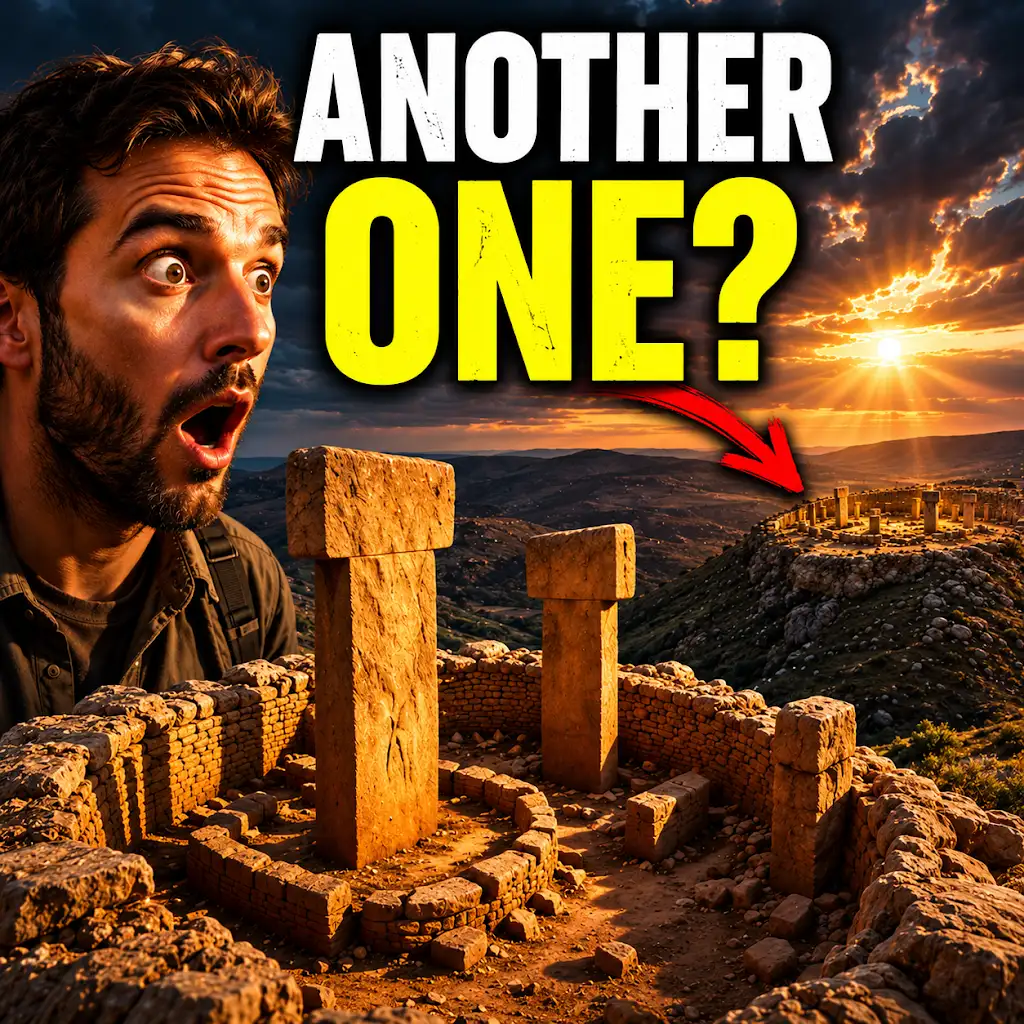
The World Beyond Göbekli Tepe Is Far Bigger Than We Thought
FAQs
What is Karahantepe?
Karahantepe is an archaeological site located in southeastern Turkey, near the city of Gaziantep. It is known for its ancient human sculptures and artifacts dating back to the Neolithic period.
What are the human sculptures found at Karahantepe?
The human sculptures found at Karahantepe are believed to be some of the oldest examples of figurative art in the world. They depict human figures in various poses and are thought to have been used for religious or ceremonial purposes.
When were the human sculptures at Karahantepe created?
The human sculptures at Karahantepe are estimated to have been created around 9,000 to 7,000 BCE, during the Neolithic period. This makes them some of the earliest known examples of figurative art in human history.
What is the significance of the human sculptures at Karahantepe?
The human sculptures at Karahantepe are significant because they provide valuable insights into the artistic and religious practices of early human societies. They also contribute to our understanding of the development of human culture and civilization.
Are the human sculptures at Karahantepe open to the public?
Yes, the archaeological site at Karahantepe is open to the public, and visitors can view the human sculptures and other artifacts on display. However, it is important to note that the site is a protected area, and visitors are expected to respect and preserve the historical significance of the site.