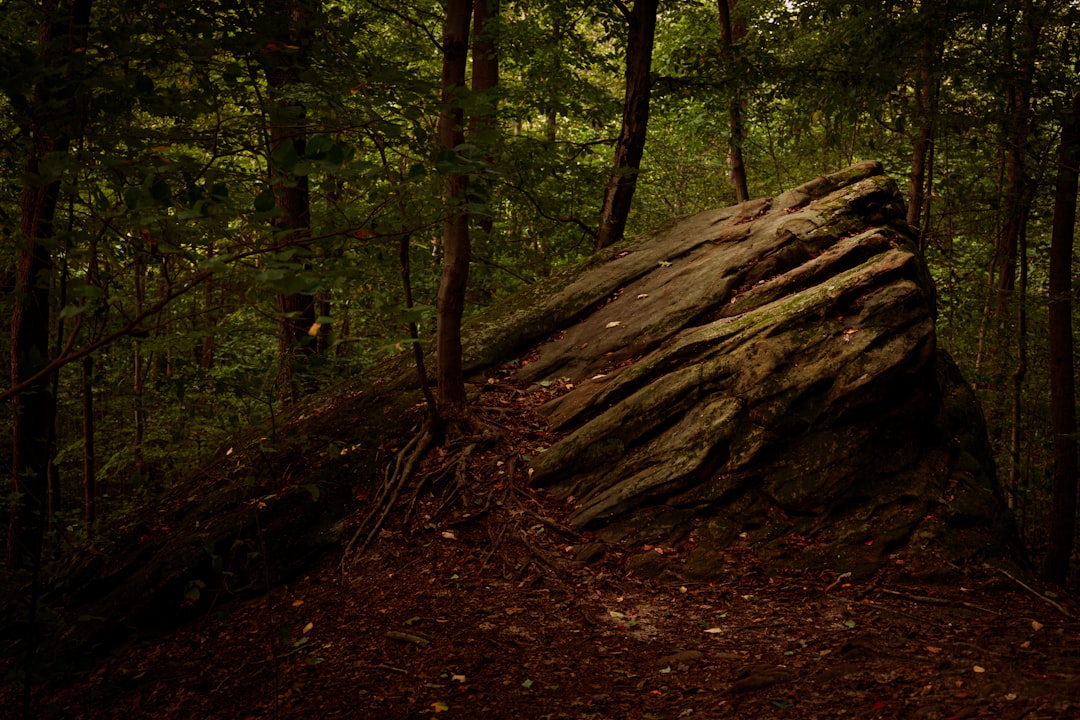
The air in the foothills of New Hampshire often carries the scent of pine and damp earth, a subtle invitation to explore the natural wonders that lie hidden within its verdant embrace. For those with a keen eye for geological curiosities, this region harbors a particularly stupendous secret: the Madison Boulder. Not just a large rock, but a behemoth, an undeniable testament to the raw power of glacial forces that sculpted the landscape eons ago. Discovering this colossal granite behemoth is not merely an encounter with a geological feature; it is a journey back in time, an immersion in the planet’s ancient history, and a profound appreciation for the monumental artistry of nature.
The story of the Madison Boulder is inextricably linked to the last Ice Age, a period of immense glacial activity that profoundly reshaped North America. During this epoch, massive ice sheets, thousands of feet thick, advanced and retreated across the continent, carrying with them colossal amounts of rock and debris. The Madison Boulder, a striking example of a glacial erratic, owes its existence to these prehistoric giants.
The Advance of the Ice Sheets
Approximately 10,000 to 20,000 years ago, during the Pleistocene epoch, vast continental glaciers covered much of North America. These immense rivers of ice, driven by their own weight, scraped and carved the underlying bedrock, picking up loose rocks, sediments, and even entire boulders. The journey of these rocks was dictated by the slow, inexorable movement of the ice.
The Journey from Canada
Scientists generally agree that the Madison Boulder was not formed in its current location. Its composition and the geological formations of the surrounding area strongly suggest a more northerly origin, specifically within the Canadian Shield. This region is characterized by ancient, hard igneous and metamorphic rocks, a description that perfectly matches the granite found in the Madison Boulder.
Tracing the Source: Petrographic Analysis
Detailed petrographic analysis of the Madison Boulder, examining its mineral composition and texture under a microscope, has provided crucial clues to its provenance. Geologists can identify specific mineral assemblages and structural features that are unique to certain geological formations. By comparing these microscopic fingerprints to known bedrock exposures in Canada, researchers have been able to pinpoint potential source regions with a high degree of confidence. The immense scale of the glacier and the time it took for the ice to melt and deposit the boulder make its journey a truly awe-inspiring feat of natural transport.
The Deposition: A Final Resting Place
As the glaciers receded, the ice began to melt, releasing the enormous burden of rock it had carried. The exact circumstances of the Madison Boulder’s deposition are, of course, impossible to witness directly. However, the prevailing theory suggests that as the ice melted, the boulder was simply dropped from its elevated position within or upon the ice. Its immense weight prevented it from being carried further by meltwater or smaller ice flows. The location it occupies today is therefore not a site of original formation, but a dramatic resting place, chosen by the whim of a retreating ice sheet.
The Significance of Glacial Erratics
The Madison Boulder is classified as a glacial erratic, a term used for rocks that are out of place with the surrounding geology. These erratics are invaluable to geologists as they provide tangible evidence of glacial activity and migration. The size of an erratic, like the Madison Boulder, can also offer insights into the thickness and erosive power of the ice sheet that transported it. The sheer displacement of such a massive object underscores the immense scale of geological forces at play.
Madison Boulder in New Hampshire is a fascinating geological site, known for its massive glacial boulder that has intrigued visitors and researchers alike. For those interested in exploring more about unique natural formations and their significance in the broader context of exploration, a related article can be found at this link. This article delves into the concept of the Moon as the ultimate high ground for exploration, drawing parallels to how natural landmarks on Earth, like Madison Boulder, serve as important sites for scientific inquiry and adventure.
Standing Before the Giant: The Physical Presence of the Madison Boulder
To truly grasp the significance of the Madison Boulder, one must stand beside it. Photographs and descriptions, while informative, struggle to convey the sheer visceral impact of encountering this geological colossus in person. It is a monument carved not by human hands, but by the patient, relentless power of nature.
A Monumental Scale
The Madison Boulder is nothing short of enormous. It measures approximately 25 feet in length, 14 feet in width, and stands about 10 feet above ground. When considering the portion that is likely buried beneath the soil, its total volume is truly staggering. Estimates place its weight in the range of 3,000 to 5,000 tons. To put this into perspective, this is heavier than many locomotives or even small buildings.
Visualizing the Size: Analogies and Comparisons
Confronting the boulder can be a humbling experience. To fully appreciate its scale, it is useful to draw comparisons. Imagine a large house, or a school bus, and then consider that the Madison Boulder dwarfs even these substantial structures. Standing at its base, one can circle it, tracing its contours, and feel a profound sense of insignificance in the face of such ancient power. The weathered granite surface tells a story of millennia of exposure to the elements, each crack and crevice a testament to time.
The Material: A Granitic Heart
The Madison Boulder is composed primarily of granite, a coarse-grained igneous rock composed mainly of quartz, feldspar, and mica. This particular type of granite is often characterized by its pinkish or grayish hue, depending on the proportions of its constituent minerals. The immense strength and durability of granite are largely responsible for the boulder’s survival and its relatively pristine condition after its long journey.
The Composition of Granite
Understanding the mineral makeup of the Madison Boulder offers a deeper appreciation for its resilience. Quartz, known for its hardness, and feldspar, which provides structural integrity, combine to create a rock that can withstand significant weathering and erosion. The presence of mica, often displaying a shimmering quality, adds to the visual texture of the boulder. Geologists can further refine its origin by identifying specific types of feldspar or quartz that are characteristic of particular Canadian geological provinces.
Weathering and Erosion: Nature’s Sculpting Hands
Despite its immense strength, the Madison Boulder has not been immune to the slow, persistent work of weathering and erosion. Over thousands of years, wind, rain, frost, and biological activity have all left their mark. These processes have contributed to the boulder’s current shape and texture, softening its edges and creating small crevices and depressions.
Frost Wedging and Chemical Weathering
One of the most significant weathering processes that would have affected the boulder is frost wedging. Water seeps into existing cracks in the granite. When temperatures drop below freezing, this water expands, exerting pressure that widens the cracks. Repeated freezing and thawing cycles can eventually break off pieces of rock. Chemical weathering also plays a role, with rain and atmospheric compounds slowly dissolving away certain minerals within the granite, further contributing to its erosion.
The Journey to Revelation: Discovering the Madison Boulder

The discovery of the Madison Boulder was not a single, grand event, but rather a gradual realization by the people of New Hampshire of the geological marvel within their midst. Its remote location and the sheer scale that dwarfs immediate surroundings contributed to its mystique and the time it took for its true significance to be widely recognized.
Early Accounts and Local Lore
Before the formal geological surveys, the Madison Boulder was undoubtedly known to local inhabitants. Stories and legends likely circulated among those who lived in its vicinity, attributing its presence to mythical forces or divine intervention. These early encounters, though perhaps lacking scientific explanation, underscore the immediate and profound impact of the boulder on the human imagination.
Indigenous Knowledge and Oral Traditions
While specific oral traditions detailing the Madison Boulder’s discovery by Indigenous peoples are not widely documented in readily accessible Western historical records, it is highly probable that they were aware of its presence. Indigenous communities across North America often held deep knowledge of their land, including significant natural landmarks. Their understanding of the natural world, passed down through generations, would have encompassed the remarkable features of their territories. The boulder’s sheer size and unusual placement would have undoubtedly made it a subject of attention and perhaps even spiritual significance within their cultural frameworks.
The Role of Geologists and Surveyors
The scientific understanding and characterization of the Madison Boulder began in earnest with the advent of geological surveys in New Hampshire. As geologists meticulously mapped the state’s bedrock and formations, they encountered this anomaly. Its placement in a geological context, far removed from similar rock types, immediately marked it as something extraordinary.
Formal Geological Surveys and Classification
The first formal descriptions of the Madison Boulder began to appear in geological literature during the 19th century. Early surveyors, faced with the immense size and alien composition of the rock, recognized it as a glacial erratic. The systematic classification of such features by scientists provided a framework for understanding its origins and the powerful forces that must have brought it to its current location. These surveys were foundational in establishing the scientific narrative of the boulder.
The “Discovery” in Context: From Local Landmark to Scientific Icon
The “discovery” of the Madison Boulder is less about its initial sighting and more about its recognition as a significant geological phenomenon. It transitioned from a curious local landmark to a subject of scientific study and a powerful symbol of glacial history. The ongoing interest and research surrounding the boulder contribute to its enduring status as an icon of New Hampshire’s natural heritage.
Public Access and Education
Over time, as knowledge of the Madison Boulder spread, efforts were made to make it accessible to the public. The designation of its location and the development of trails and interpretive signs were crucial in fostering a broader appreciation for its significance. This accessibility allows individuals to experience the boulder firsthand, fostering a personal connection to the geological past.
Navigating to the Boulder: Planning Your Visit
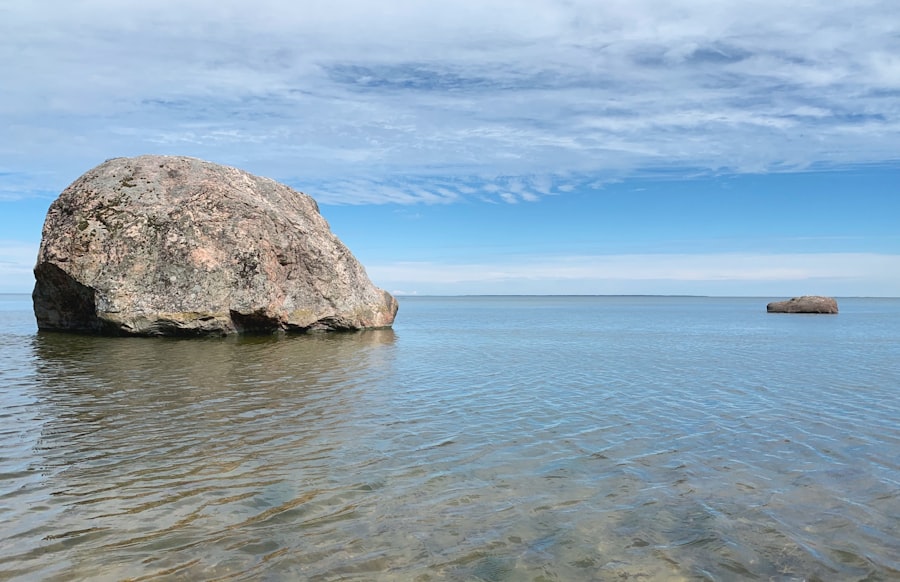
Reaching the Madison Boulder is an adventure in itself, a journey that rewards the effort with a profound encounter with a geological marvel. While not as remote as some backcountry destinations, a degree of planning is essential to ensure a safe and enjoyable experience.
Location and Accessibility
The Madison Boulder is located in the town of Madison, New Hampshire, nestled within the foothills of the White Mountains. Its precise location is on a small, unpaved access road off Route 113. While marked on most local maps, satellite navigation can be a helpful tool for pinpointing the exact turn-off. The final approach involves a short walk from the parking area to the boulder itself.
Directions and Road Conditions
Detailed directions are readily available through online mapping services and local tourism websites. It is important to note that the access road can be unpaved and may have some uneven terrain, especially after periods of heavy rain. A vehicle with reasonable ground clearance is recommended. During winter months, the access road may be impassable due to snow and ice, making it a seasonal destination.
Preparing for Your Expedition
Before embarking on your visit, it is advisable to prepare accordingly. The surrounding area is largely undeveloped, and amenities are limited.
What to Bring: Essentials for Your Trip
Essential items to pack include sturdy walking shoes or hiking boots, appropriate clothing for the weather (layers are recommended), water, and snacks. Insect repellent is also a good idea, especially during the warmer months. Sunscreen and a hat are advisable for protection from the sun.
Navigating the Trail: A Short and Rewarding Walk
The short walk from the parking area to the Madison Boulder is generally well-maintained and easy to navigate. While the terrain is not strenuous, it is still advisable to be mindful of your footing. The path winds through a wooded area, offering glimpses of the natural beauty of the region, and builds anticipation for the grand reveal of the boulder.
Madison Boulder in New Hampshire is a fascinating natural landmark, known for its impressive size and geological significance. This massive glacial erratic has intrigued visitors and researchers alike, sparking interest in the area’s history and natural phenomena. For those interested in exploring more about ancient secrets and hidden writings that reveal the mysteries of our past, you might find this article on ancient scribe secrets particularly enlightening. It offers a captivating look at how history is often concealed in unexpected places, much like the stories held within the stones of Madison Boulder.
Beyond the Boulder: The Broader Geological Significance of the Region
| Location | Madison Boulder New Hampshire |
|---|---|
| Size | 83 feet long, 23 feet high, and 37 feet wide |
| Weight | 5,000 tons |
| Composition | Granite |
| Age | Estimated to be over 12,000 years old |
The Madison Boulder is not an isolated wonder. Its presence is part of a larger geological narrative that defines the landscape of New Hampshire and the surrounding New England region. Understanding the context of the boulder enhances its significance and invites further exploration of the area’s natural history.
The White Mountains: A Glacial Tapestry
The White Mountains, home to the Madison Boulder, are themselves a product of tectonic activity and subsequent glacial sculpting. The ancient bedrock of the mountains was significantly reshaped by the grinding action of glaciers, leaving behind features such as U-shaped valleys, cirques, and countless smaller erratics.
Glacial Features in the Vicinity
Exploring the broader region around the Madison Boulder can reveal other evidence of glacial activity. Look for polished bedrock surfaces, erratics of various sizes scattered across the landscape, and the distinctive contours of hills and valleys carved by ice. The landscape here is a living testament to the transformative power of ice.
The Importance of Glacial Erratics in Understanding Ice Flow
The study of glacial erratics, like the Madison Boulder, is crucial for reconstructing the paths and extent of ancient ice sheets. By identifying the source of the erratic and its depositional location, geologists can infer the direction of ice flow and the dynamics of glacial movement. Each erratic acts as a marker, a breadcrumb trail left by the departing ice.
Reconstructing Ancient Ice Sheets
The collective data from numerous glacial erratics across a region allows geologists to create maps of ancient ice sheets, depicting their thickness, movement patterns, and ultimate retreat. The Madison Boulder, due to its immense size and distinctive origin, plays a significant role in these reconstructions, providing a particularly strong data point for understanding the ice flow that impacted southern New Hampshire.
Preserving a Piece of Earth’s History
The Madison Boulder stands as a reminder of the immense geological forces that have shaped our planet. Its preservation is essential not only for scientific study but also for allowing future generations to connect with this tangible piece of Earth’s history. It serves as an ambassador from a bygone era, a silent storyteller of a time when ice ruled the land.
Educational and Scientific Value
The ongoing scientific study of the Madison Boulder and similar glacial features continues to reveal new insights into paleoclimatology and landscape evolution. Furthermore, its prominent presence makes it an invaluable educational resource, providing a vivid and accessible example of geological processes for students and the public alike. Its discovery and continued appreciation underscore the importance of safeguarding these natural treasures for the enrichment of all.

The Boulder That Shouldn’t Exist
FAQs
What is the Madison Boulder in New Hampshire?
The Madison Boulder is a massive glacial erratic located in Madison, New Hampshire. It is one of the largest known glacial erratics in North America.
How big is the Madison Boulder?
The Madison Boulder measures about 83 feet in length, 23 feet in height, and 37 feet in width. It weighs an estimated 5,000 tons.
How did the Madison Boulder get to its current location?
The Madison Boulder was carried by a glacier during the last Ice Age, which ended about 12,000 years ago. The glacier deposited the boulder in its current location when it melted.
Is the Madison Boulder a popular tourist attraction?
Yes, the Madison Boulder is a popular tourist attraction in New Hampshire. Visitors can observe the massive boulder and learn about its geological significance.
Can visitors access the Madison Boulder?
Yes, there is a designated area for visitors to access and view the Madison Boulder. The site is managed by the New Hampshire Division of Forests and Lands and is open to the public.