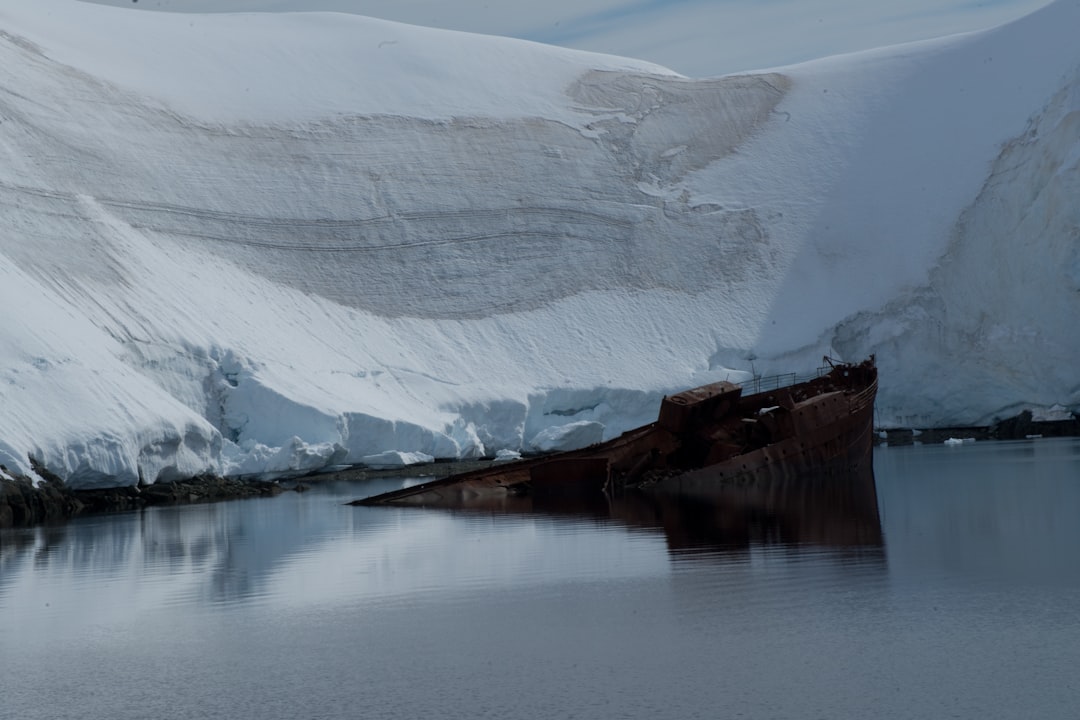
The Arctic, a realm of unparalleled beauty and unforgiving harshness, has long held its secrets close. For over a century, one of its most enduring mysteries was the fate of Sir John Franklin and his ill-fated expedition, a grand undertaking to chart the Northwest Passage that vanished into the icy abyss in 1845. The disappearance of HMS Erebus and HMS Terror, along with their 129 officers and crew, ignited a relentless pursuit, a saga of hope, desperation, and eventual discovery that spanned generations. The story of uncovering the Franklin expedition’s wreck locations is not merely a tale of maritime archaeology; it is a testament to human perseverance, the evolution of technology, and the profound desire to understand the final moments of those lost to the frozen north.
The search for the wrecks of the Franklin Expedition has captivated historians and explorers alike, as it offers a glimpse into the tragic fate of the ill-fated voyage. For those interested in understanding the logistical challenges faced during such expeditions, a related article discusses the advantages of manufacturing in Mexico, which highlights the importance of efficient planning and resource management in any exploratory endeavor. You can read more about it here: Maximizing Efficiency: Logistical Advantages of Manufacturing in Mexico.
The Echoes of a Vanished Fleet: Early Searches and Lingering Questions
From the moment news of the expedition’s silence reached Britain, a wave of concern and speculation rippled through the nation. The Royal Navy, along with private benefactors, launched an unprecedented series of search expeditions, driven by a mix of duty, national pride, and a gnawing fear for the lives of their kinsmen. These early forays, though ultimately unsuccessful in locating the ships, were instrumental in piecing together fragments of the puzzle, gathering oral histories from Inuit communities, and charting vast swathes of the Arctic.
The Royal Navy’s Persistent Efforts
The Admiralty, determined to ascertain the fate of Franklin and his men, dispatched numerous vessels into the Arctic. These expeditions, often undertaken during the short Arctic summer, faced treacherous ice conditions, relentless winds, and the sheer isolation of the northern frontier. While they found compelling clues – discarded tins of food, personal belongings, and the tragic remains of some of the crew – the exact whereabouts of the Erebus and Terror remained elusive. Each expedition, while valiant, only deepened the mystery and fueled the public’s fascination.
The Role of Inuit Oral Histories
Crucially, the search for Franklin’s lost ships was profoundly shaped by the knowledge and traditions of the Inuit people, who had inhabited the Arctic for millennia. Their oral histories, passed down through generations, contained vital information about the presence of a large ship trapped in the ice and the subsequent struggles and deaths of its crew. While initially met with skepticism by some European explorers, these accounts, when carefully considered and corroborated, proved invaluable in guiding the direction of later searches and ultimately leading to the identification of key areas of interest.
The Growing Body of Evidence: Clues and Contradictions
As the decades passed, the scattered clues grew into a significant body of evidence. Discoveries on King William Island, including the graves of crewmen and the poignant “Victory Point” message detailing the expedition’s desperate plight, painted a grim picture. Yet, the ultimate resting place of the ships, the vessels that carried the dreams and ambitions of the expedition, remained hidden beneath the unforgiving sea ice. This persistent lack of definitive proof for the ships themselves, despite the growing understanding of the crew’s fate, kept the mystery alive and the search alive.
Technological Leaps and the Dawn of Modern Exploration
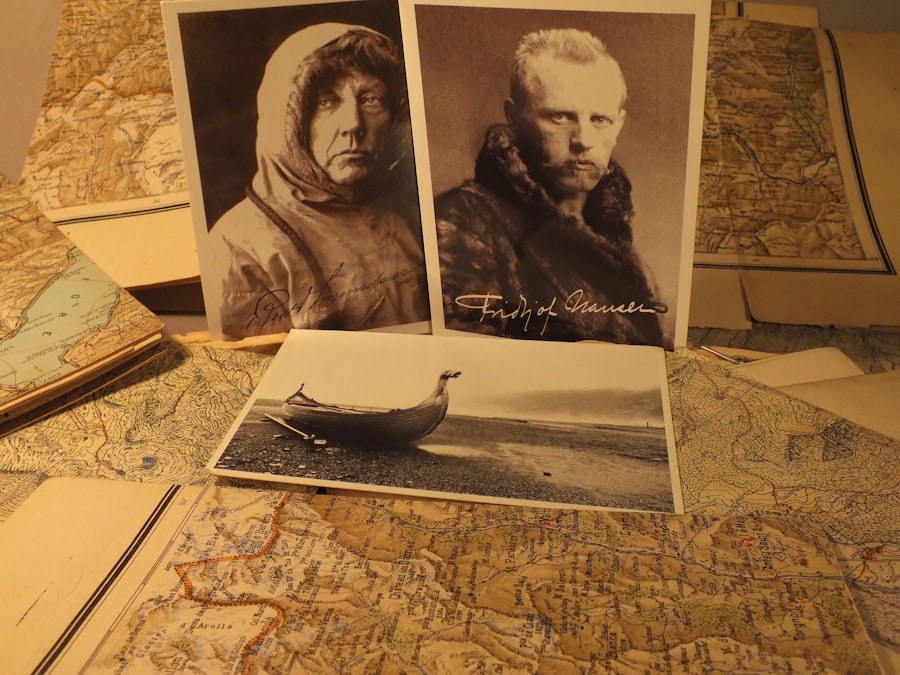
The latter half of the 20th century and the early 21st century witnessed a revolution in search and recovery technology. As sonar, satellite imagery, and remotely operated vehicles (ROVs) became more sophisticated, the prospect of locating submerged wrecks in the challenging Arctic environment began to shift from a distant dream to a tangible possibility. This technological renaissance breathed new life into the quest for the Franklin expedition’s lost ships.
The Advent of Side-Scan Sonar
Side-scan sonar, with its ability to create detailed acoustic images of the seafloor, proved to be a game-changer. This technology allowed researchers to systematically scan vast areas of the seabed, detecting anomalies that might indicate the presence of submerged vessels. The precision and coverage offered by side-scan sonar dramatically increased the efficiency of underwater surveys, making it possible to explore areas previously deemed too large or too difficult to search.
The Power of Satellite Imagery
Satellite imagery provided a broader, albeit less detailed, perspective. By analyzing changes in ice cover, identifying potential wreckage sites on shorelines, and even detecting unusual formations beneath the ice, satellites offered a valuable overhead view. This data helped to narrow down search areas and identify promising locations for more detailed investigation with sonar and ROVs.
Remotely Operated Vehicles (ROVs): Eyes Beneath the Waves
Remotely Operated Vehicles (ROVs) provided the crucial capability to explore the seafloor in detail. Equipped with high-definition cameras, lights, and manipulator arms, these underwater robots could navigate complex underwater terrain, capture stunning imagery, and even retrieve artifacts. The ability to conduct visual inspections and physical interactions at depths previously inaccessible to divers opened up a new frontier in underwater archaeology.
The Breakthrough: Locating HMS Erebus
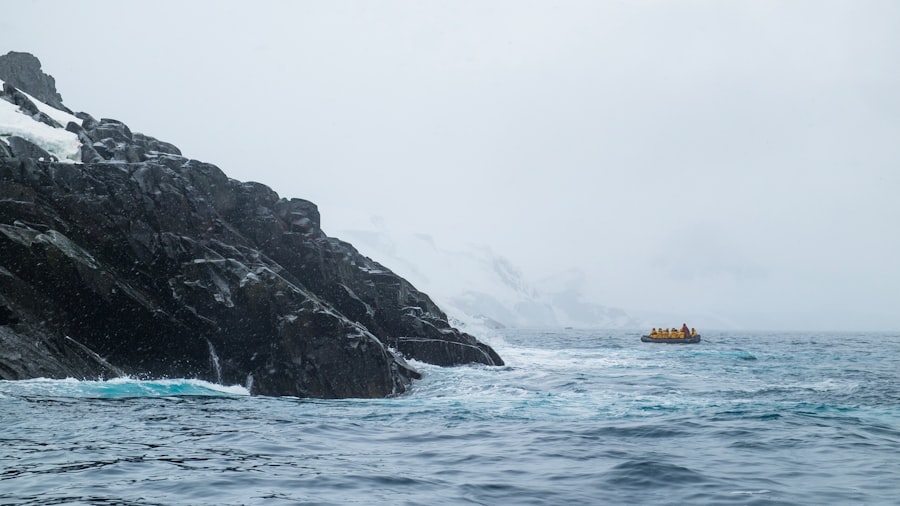
The pivotal moment in the search for the Franklin expedition’s wrecks arrived in 2014, a culmination of years of painstaking research, technological advancement, and collaborative effort. The Canadian government, in partnership with Parks Canada, the Royal Canadian Geographical Society, and various private organizations, launched a series of expeditions that finally brought the lost ships to light.
The Victoria Strait Expedition of 2014
The 2014 Victoria Strait Expedition, aboard the research vessel Martin Bergmann, employed advanced sonar technology and a dedicated team of researchers. Days of meticulous scanning of the seabed in the suspected location yielded tantalizing hints. Then, on September 7, 2014, the sonar detected a large, ship-shaped anomaly.
The Unveiling of HMS Erebus
Further investigation with an ROV confirmed the extraordinary discovery. The remains of HMS Erebus, remarkably intact and resting upright on the seabed at a depth of approximately 11 meters (36 feet), were finally brought into view. The discovery sent shockwaves around the world, marking the end of one of history’s most enduring maritime mysteries. The images captured by the ROV revealed the ship’s distinctive hull, its masts still standing, a poignant and silent testament to its final moments.
Initial Assessments and Future Research
The initial underwater surveys of HMS Erebus provided a wealth of information. Researchers observed the ship’s well-preserved timbers, its cannons still in place, and even personal effects scattered within the wreck. The discovery opened a new chapter in understanding the expedition’s demise, offering the potential for unprecedented insights into naval life in the Victorian era and the specific circumstances that led to the ships’ entrapment and eventual sinking.
Recent discoveries related to the Franklin Expedition have sparked renewed interest in the search for the wreck locations of the ill-fated ships, HMS Erebus and HMS Terror. Researchers have been utilizing advanced technology and historical records to pinpoint their exact resting places in the Arctic. For those interested in exploring how historical events can influence modern industries, a fascinating article discusses the growth of the Mexican auto industry and its implications for global markets. You can read more about it in this insightful piece here.
The Long-Awaited Discovery: HMS Terror Emerges
| Wreck Location | Latitude | Longitude |
|---|---|---|
| HM Erebus | 68° 53′ N | 98° 13′ W |
| HM Terror | 69° 15′ N | 98° 10′ W |
The discovery of HMS Erebus fueled renewed optimism and intensified efforts to locate its sister ship, HMS Terror. The search continued in the years that followed, building upon the knowledge gained from the initial discovery and the ongoing analysis of historical records and Inuit testimony.
The 2015 and Subsequent Expeditions
Subsequent expeditions in the following years, building on the successes of 2014, systematically explored the waters of Nunavut. The focus shifted to areas identified through historical research and local knowledge as potential locations for HMS Terror. The challenges remained immense, with the constant threat of shifting ice and the vastness of the Arctic seas.
The Landmark Find of 2016
On September 12, 2016, the Canadian Coast Guard Ship Sir Wilfrid Laurier, equipped with advanced sonar, located a second, significant shipwreck in Terror Bay, located off the southern coast of King William Island. This discovery, made at a depth of approximately 24 meters (79 feet), was quickly recognized as the lost HMS Terror.
The Unfolding Secrets of HMS Terror
Unlike HMS Erebus, HMS Terror was found to be resting on its starboard side, suggesting a different sequence of events leading to its sinking. The discovery of the ship’s bell, inscribed with the ship’s name, provided irrefutable proof of its identity. The remarkably preserved state of HMS Terror, with its masts still intact and its hull largely intact, offered a unique opportunity for further scientific investigation.
The search for the wreck locations of the Franklin Expedition has captivated historians and explorers alike, shedding light on the mysteries of Arctic exploration. Recent discoveries have provided valuable insights into the challenges faced by the crew, as well as the engineering marvels of their ships. For those interested in understanding more about historical engineering feats, a fascinating article can be found at this link, which explores ancient innovations that have stood the test of time.
The Legacy of Discovery: Understanding the Past, Inspiring the Future
The discovery of both HMS Erebus and HMS Terror represents a monumental achievement in maritime archaeology and Arctic exploration. These submerged time capsules are not just shipwrecks; they are windows into a pivotal moment in Canadian and British history, offering invaluable insights into the lives of the men who sailed them and the tragic circumstances of their final voyage.
Artifact Recovery and Analysis
The careful and systematic recovery of artifacts from both wrecks has yielded an astonishing array of objects. From personal belongings and scientific instruments to naval provisions and ship’s logs (though the latter remain elusive), each item provides a tangible link to the past. The analysis of these artifacts is ongoing, offering unprecedented detail about the expedition’s daily life, its scientific objectives, and the devastating impact of starvation, scurvy, and lead poisoning.
Insights into Naval History and Technology
The wrecks themselves offer invaluable data for historians and maritime archaeologists. The construction and engineering of HMS Erebus and HMS Terror, purpose-built for Arctic exploration, provide a unique insight into Victorian-era shipbuilding and naval technology. The condition of the ships, their rigging, and their armament offer a detailed snapshot of a naval vessel in the mid-19th century.
The Enduring Allure of the Arctic and the Franklin Legacy
The discovery of the Franklin expedition’s wrecks has not only solved a long-standing historical enigma but has also reignited public fascination with the Arctic and its often-harsh realities. The story of Sir John Franklin and his crew serves as a powerful reminder of the risks inherent in exploration, the resilience of the human spirit, and the profound respect that must be afforded to the unforgiving environment of the Far North. The discoveries continue to inspire new generations of researchers, explorers, and historians to delve into the mysteries that still lie beneath the ice, ensuring that the echoes of the Franklin expedition will resonate for years to come.
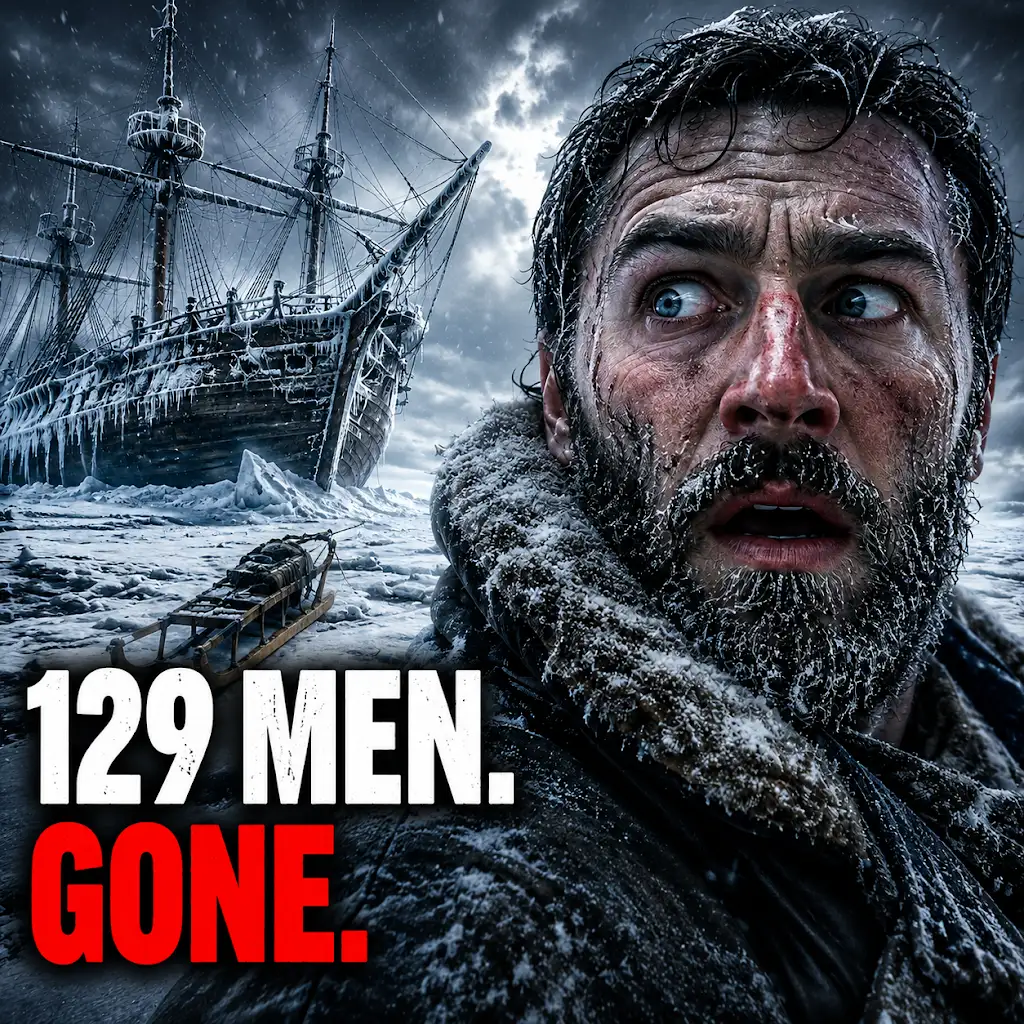
129 Men Vanished in the Arctic. Then We Found Their Ships.
FAQs
What is the Franklin Expedition?
The Franklin Expedition was a British voyage of exploration led by Captain Sir John Franklin in 1845. The expedition aimed to navigate the Northwest Passage, but both ships, HMS Erebus and HMS Terror, became trapped in ice and the entire crew perished.
Where were the wreck locations of the Franklin Expedition ships found?
The wreck of HMS Erebus was discovered in 2014 in the Queen Maud Gulf, and the wreck of HMS Terror was found in 2016 in Terror Bay, both located in the Canadian Arctic.
How were the wreck locations of the Franklin Expedition ships discovered?
The wreck locations were discovered using modern technology such as side-scan sonar, underwater drones, and other advanced equipment. The search efforts were led by Parks Canada in collaboration with Inuit organizations and other partners.
What significance do the wreck locations hold?
The wreck locations of the Franklin Expedition ships are of great historical and archaeological significance. They provide valuable insights into the fate of the expedition and the challenges faced by explorers in the Arctic.
Are the wreck locations of the Franklin Expedition ships protected?
Yes, the wreck locations are protected under Canadian law to preserve the historical and cultural significance of the sites. They are also designated as national historic sites and are subject to regulations to ensure their preservation.