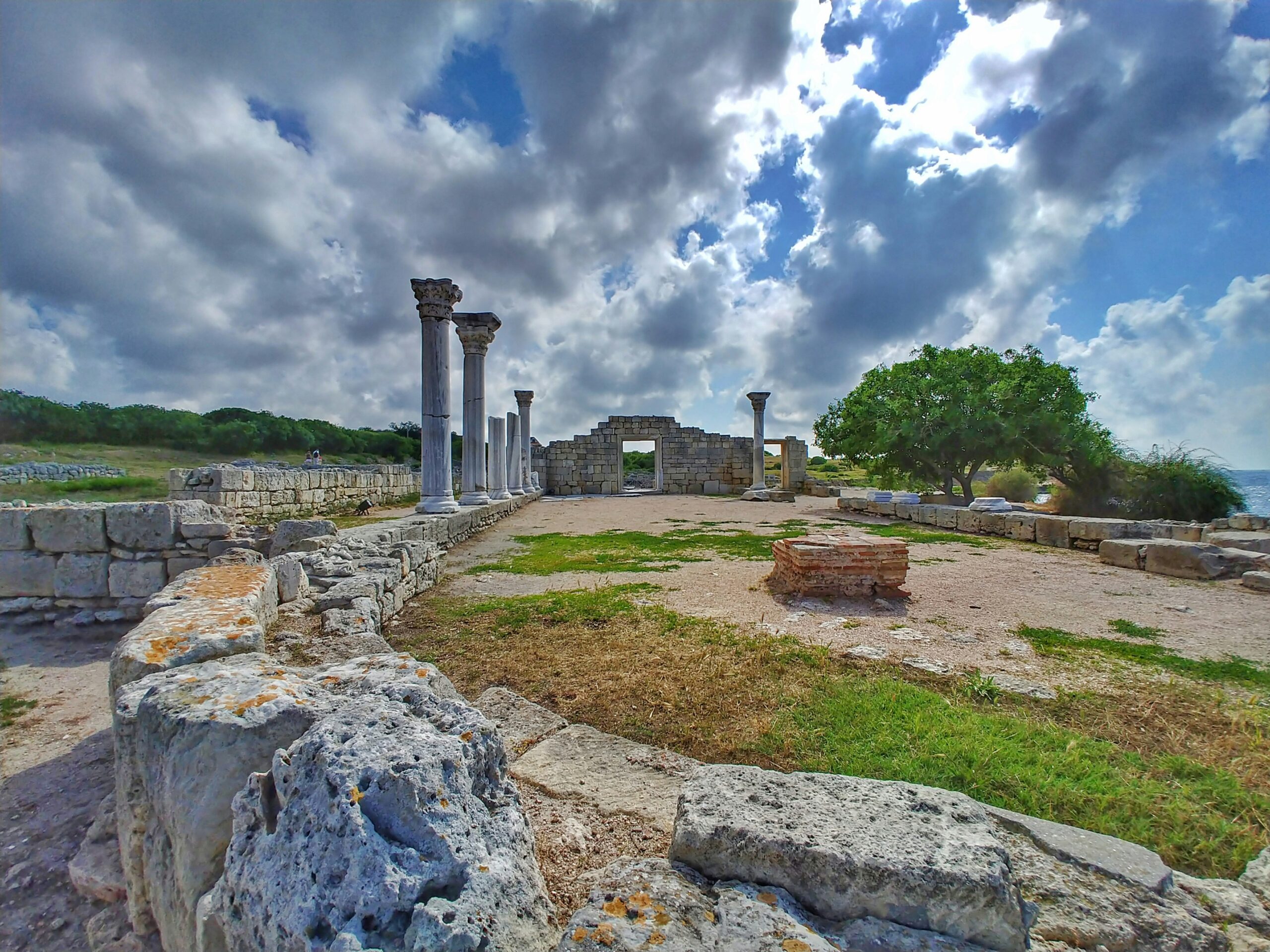
The Anatolian landscape, a cradle of ancient civilizations, has long held secrets whispered by the wind across its vast plains and rugged mountains. For millennia, these stories remained largely untold, buried beneath layers of earth and time. Yet, in recent decades, a remarkable series of discoveries has begun to peel back these layers, revealing a civilization that predates even the monumental structures of Göbeklitepe. This is the story of Taş Tepeler, a sprawling archaeological complex in southeastern Turkey, a testament to human ingenuity, spiritual depth, and social organization at the dawn of settled life.
For a long time, Göbeklitepe stood as the undisputed king of Neolithic wonders, a site that irrevocably altered our understanding of early human societies. Its massive T-shaped pillars, adorned with intricate carvings of animals, suggested a level of sophistication and ritualistic complexity previously unimaginable for hunter-gatherer communities. However, the excavation and ongoing research at Taş Tepeler, a vast network of interconnected sites spanning over 100 kilometers, are now painting an even grander and more nuanced picture of this transformative period in human history. The sheer scale of Taş Tepeler, encompassing numerous mounds and monumental structures, suggests a widespread cultural phenomenon, a complex societal structure, and a shared belief system that characterized this region millennia before the advent of agriculture as we traditionally understood it. The term “Taş Tepeler,” meaning “stone hills” in Turkish, aptly describes the landscape, where numerous prehistoric mounds (tepeler) rise from the plains, many of which have now been revealed to be repositories of extraordinary ancient architecture. This discovery is not merely adding to our knowledge; it is fundamentally reshaping our understanding of the Neolithic Revolution, suggesting it was not a singular, linear progression but a more intricate and diverse mosaic of human development.
Unearthing a Prehistoric Metropolis
Taş Tepeler is not a single site but a collection of around 200 mounds, each representing a distinct settlement or ceremonial center. The sheer geographical spread of these sites indicates a highly organized society capable of coordinating large-scale construction and social activities across a significant territory. The ongoing excavations are revealing that these are not mere scattered villages but rather integrated complexes, likely with specialized functions and interconnections. The presence of numerous monumental structures within this vast area suggests a level of centralized planning and cooperation that challenges previous assumptions about the social organization of early Neolithic communities.
The Significance of the Scale
The expansive nature of Taş Tepeler is a key factor in its revolutionary implications. While Göbeklitepe focused on a singular, albeit extraordinary, ceremonial site, Taş Tepeler presents a landscape dotted with similar, though not identical, monumental constructions. This suggests a shared cultural identity and a common worldview that permeated a large region, indicating a level of societal complexity far beyond what was previously attributed to hunter-gatherer groups or early agriculturalists. The interconnectedness of these sites, revealed through ongoing surveys and excavations, hints at a sophisticated network of communication, trade, and shared ritualistic practices.
The Taş Tepeler ancient sites, known for their remarkable archaeological significance, provide a fascinating glimpse into early human civilization. For those interested in exploring related topics, an insightful article titled “Unearthing Ancient Cities: The Pneumatic Foundations” delves into the innovative construction techniques used in ancient urban planning. This piece highlights how such methods contributed to the development of ancient societies, paralleling the discoveries at Taş Tepeler. To read more about these intriguing connections, visit Unearthing Ancient Cities: The Pneumatic Foundations.
Göbeklitepe’s Elder Siblings: The Emergence of Pre-Pottery Neolithic Monumentality
While Göbeklitepe has captured the world’s imagination, recent findings at sites within Taş Tepeler are pushing the timeline of monumental construction even further back, revealing structures that may have influenced or even preceded Göbeklitepe. The discoveries within Taş Tepeler are forcing a reevaluation of the chronological order of these significant sites and the development of human societal complexity. The commonalities in architectural styles, symbolic imagery, and ritualistic practices observed across these diverse sites point to a shared cultural heritage that flourished in this region.
Karahan Tepe: A Glimpse into Early Belief Systems
Karahan Tepe, one of the most extensively studied sites within Taş Tepeler, has yielded evidence of ritualistic activities and monumental architecture that rivals Göbeklitepe in its significance. The discovery of large, carved stone slabs and enclosures, along with evidence of feasting and communal gatherings, suggests a highly developed spiritual and social life. The intricate carvings found at Karahan Tepe, depicting animals and abstract symbols, offer crucial insights into the symbolic language and belief systems of these early peoples. The presence of what appear to be communal hearths and storage areas further hints at the organization of these early communities and their capacity for sustained group living.
Sipil Tepe and the Expanding Narrative
Other sites like Sipil Tepe are adding further layers to the Taş Tepeler narrative. Each excavation, however small, contributes to the growing mosaic, revealing regional variations within the broader cultural phenomenon. These variations suggest a degree of local adaptation and development while still adhering to overarching cultural norms. The ongoing analysis of artifacts and architectural styles from these various locations is allowing archaeologists to build a more comprehensive picture of the socio-cultural landscape of the Pre-Pottery Neolithic period.
Architectural Marvels in Stone: Unveiling Monumental Structures

The structures unearthed at Taş Tepeler are breathtaking in their scale and sophistication. Unlike the later, more familiar Mesopotamian ziggurats or Egyptian pyramids, these Neolithic monuments are characterized by their unique T-shaped pillars, often arranged in circular or oval enclosures. These pillars, some weighing many tons, were quarried, transported, and erected by communities who are traditionally thought to have lacked the technological advancements of later civilizations. The sheer effort involved in their construction points to a highly organized society with a shared purpose and a deep understanding of engineering principles.
The Enigmatic T-Shaped Pillars
The iconic T-shaped pillars are the defining feature of Taş Tepeler. These massive monoliths, carved from limestone, are often depicted as stylized human forms, with hands carved on the sides and tails at the base. The interpretation of these pillars varies, with many scholars suggesting they represent anthropomorphic deities or ancestral figures, central to the spiritual beliefs of these communities. Their placement in circular enclosures further reinforces the idea of ritualistic gatherings and communal ceremonies. The precision with which these pillars were shaped and erected, often weighing tens of tons, is a testament to the advanced stoneworking skills of these early humans.
Circular Enclosures and Ritual Spaces
The most striking architectural elements are the large circular or oval enclosures formed by these T-shaped pillars. These spaces, often with a central, larger pillar, are believed to have served as communal gathering places for religious ceremonies, social events, and perhaps even political decision-making. The deliberate design of these enclosures, with their specific orientations and arrangements of pillars, suggests a profound understanding of cosmology and symbolism. The presence of animal carvings on many of the pillars, depicting creatures such as wild boars, bulls, foxes, and birds, likely held significant symbolic meaning within their belief systems.
Decoding the Symbolism: Art, Belief, and Social Organization
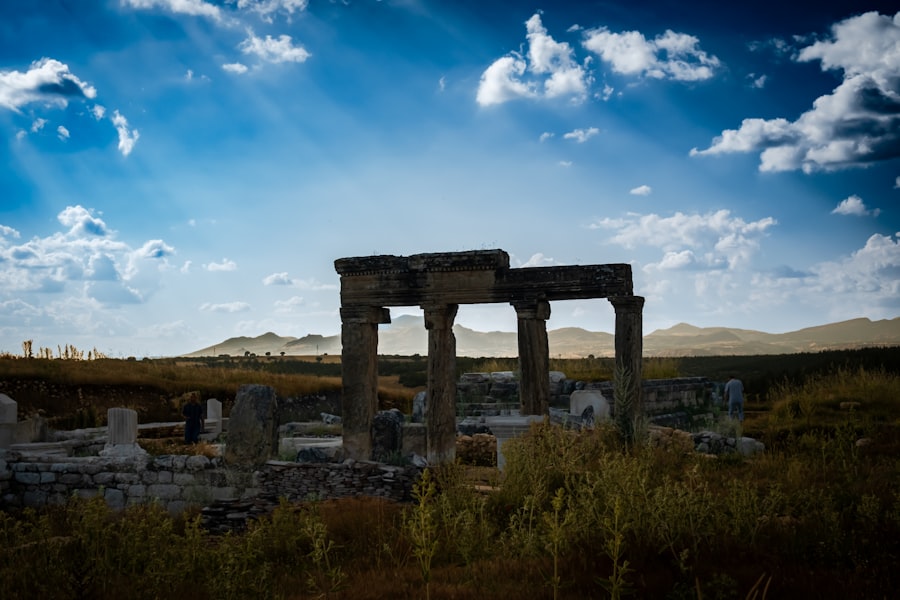
The intricate carvings that adorn the pillars of Taş Tepeler are not mere decorations; they are a rich tapestry of symbols that offer profound insights into the spiritual beliefs, social structures, and daily lives of these ancient people. The recurring motifs and their contextual placement provide clues to a complex worldview that likely revolved around the natural world and the forces that governed it. The meticulous artistry involved suggests a society that valued symbolic representation and the transmission of knowledge through visual means.
Animal Motifs: Guardians and Totems
The abundance of animal carvings is a striking feature of Taş Tepeler. These depictions are not random; they are carefully chosen and often rendered with remarkable realism. Scholars interpret these animals as potentially representing totems, ancestral spirits, or deities associated with specific natural forces. The recurring presence of powerful animals like bulls and boars might symbolize strength and fertility, while birds could represent the sky and the spiritual realm. The stylized representations, with their emphasis on key features, suggest a symbolic language understood by the community.
Abstract Symbols and Cosmic Narratives
Beyond the animal figures, numerous abstract symbols are found carved into the pillars. These enigmatic forms, including geometric patterns, serpents, and human-like figures, likely represent more complex cosmological concepts or mythological narratives. The interpretation of these symbols is an ongoing challenge, but their consistent appearance across different sites suggests a shared visual vocabulary and a common understanding of their meaning. The careful placement of these symbols within the overall design of the enclosures further implies a deliberate construction of meaning and a desire to communicate important cultural or religious ideas.
The Taş Tepeler ancient sites, known for their remarkable archaeological significance, offer a fascinating glimpse into early human civilization. Researchers have drawn parallels between these sites and other historical locations that showcase the ingenuity of ancient cultures. For instance, a recent article discusses the potential of private sector investment in building lunar infrastructure, which highlights how innovation and exploration have always been at the forefront of human progress. You can read more about this intriguing topic in the article here.
The Societal Revolution: Redefining the Neolithic Transition
| Site Name | Location | Excavation Period | Significance |
|---|---|---|---|
| Taş Tepeler | Central Anatolia, Turkey | 1961-1978 | Early Bronze Age settlement with evidence of advanced metallurgy and trade |
The discoveries at Taş Tepeler are fundamentally challenging the traditional narrative of the Neolithic Revolution, which emphasized the gradual shift from hunting and gathering to settled agriculture as the primary driver of societal change. Taş Tepeler suggests that complex social organization, monumental construction, and sophisticated spiritual practices may have preceded widespread agriculture, or at least developed in parallel with it. This necessitates a rethinking of the catalysts for human civilization and the factors that led to the rise of complex societies.
Hunter-Gatherers as Architects of the Monumental
One of the most profound implications of Taş Tepeler is the evidence that hunter-gatherer societies, or at least societies in the very early stages of food production, were capable of organizing and executing large-scale monumental construction projects. This contradicts the long-held assumption that such achievements required settled agricultural communities with surplus resources and a developed social hierarchy. The sheer manpower and coordination required to quarry, transport, and erect these massive stone structures point to a highly organized society with a strong sense of collective purpose, even before the widespread adoption of farming.
A New Perspective on Social Complexity
Taş Tepeler suggests that social complexity may have emerged not solely from the demands of agriculture but also from the need to manage and conduct elaborate ritualistic practices. The construction and maintenance of these monumental sites would have required specialized labor, leadership, and a shared belief system to motivate and sustain these efforts. This offers an alternative pathway to societal complexity, where shared spiritual endeavors played a crucial role in shaping human societies and fostering cooperation. The discovery of communal feasting areas and evidence of resource sharing further supports the idea of sophisticated social structures and interdependency within these early communities.
The Enduring Legacy of Stone Hills
The Taş Tepeler complex stands as a monumental testament to the ingenuity, spirituality, and social complexity of our ancient ancestors. These “stone hills” are not just archaeological sites; they are windows into a transformative period of human history, a time when humanity began to shape its environment and its destiny through monumental architecture and shared belief systems. As research continues to unveil the secrets of these ancient sites, our understanding of the human journey will undoubtedly continue to evolve, forever changed by the whispers from Taş Tepeler. The ongoing excavation and research at Taş Tepeler are a vital endeavor, promising to further illuminate the lives and achievements of the people who built these extraordinary landscapes, pushing the boundaries of our knowledge about the very foundations of human civilization.
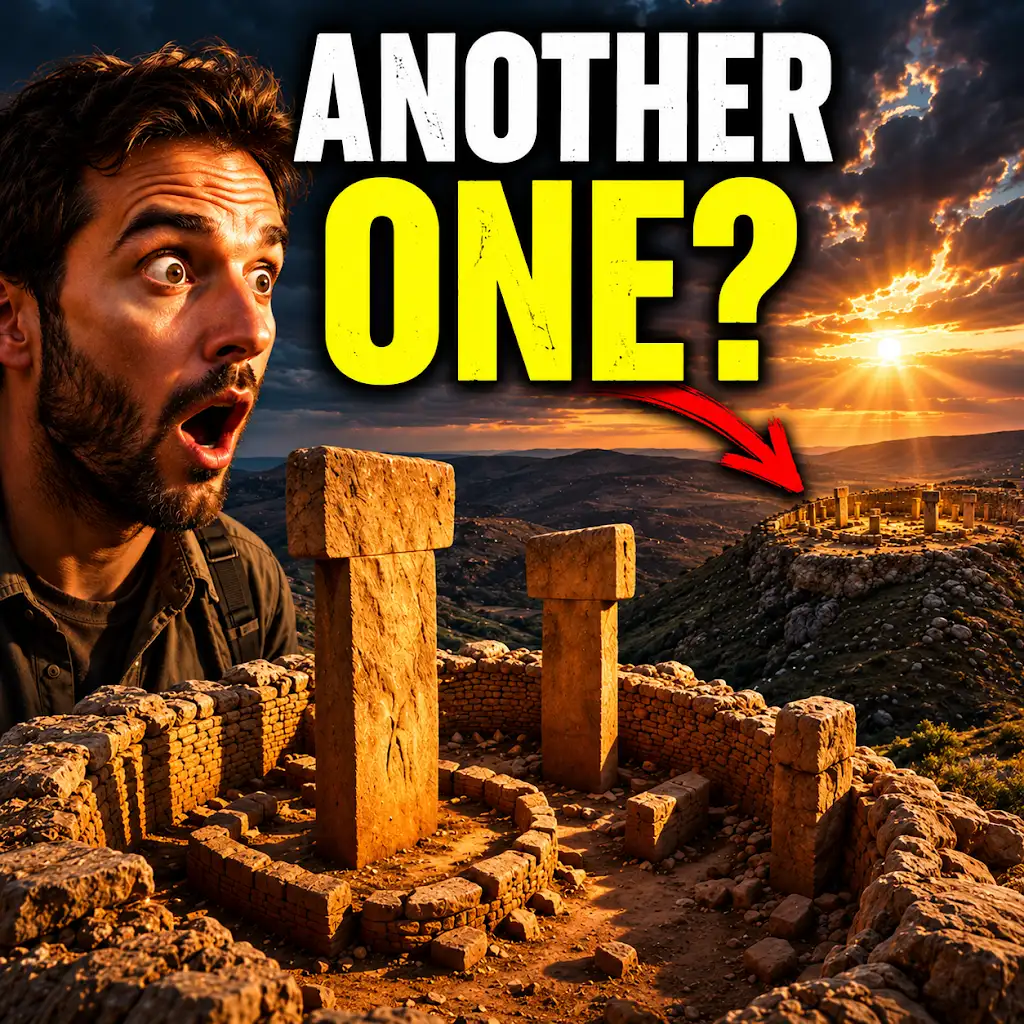
The World Beyond Göbekli Tepe Is Far Bigger Than We Thought
FAQs
What is Taş Tepeler ancient site?
Taş Tepeler ancient site is a historical site located in Turkey, known for its unique rock formations and ancient ruins.
When was Taş Tepeler ancient site discovered?
The ancient site of Taş Tepeler was discovered in the 1960s during archaeological surveys in the region.
What can visitors see at Taş Tepeler ancient site?
Visitors to Taş Tepeler ancient site can see ancient rock-cut tombs, cave dwellings, and other archaeological remains dating back to different periods of history.
What is the significance of Taş Tepeler ancient site?
Taş Tepeler ancient site is significant for its historical and archaeological value, providing insights into the ancient civilizations that once inhabited the region.
Is Taş Tepeler ancient site open to the public?
Yes, Taş Tepeler ancient site is open to the public, and visitors can explore the site and learn about its history through guided tours and informational signage.