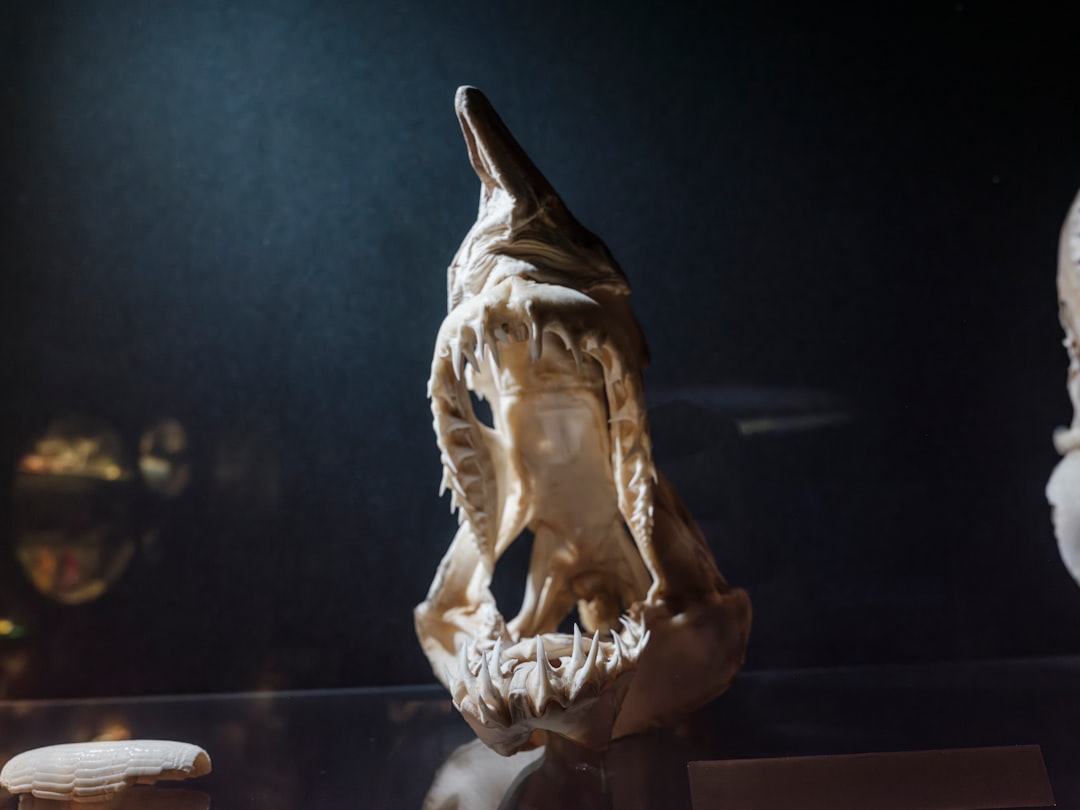
The arid expanse of the Egyptian desert, a landscape sculpted by millennia of wind and sun, has long held secrets buried beneath its sands. For centuries, archaeologists and paleontologists have meticulously sifted through this ancient earth, unearthing remnants of forgotten civilizations and the creatures that once roamed this land. Recently, this ongoing quest for knowledge has yielded a remarkable discovery: a substantial collection of shark fossils, offering a breathtaking glimpse into Egypt’s prehistoric marine past.
The discovery of shark fossils in the Egyptian desert is not an entirely novel phenomenon, yet the scale and significance of this recent find have captivated the scientific community. These fossilized remains are far more than mere curiosities; they are silent witnesses to a dramatically different Earth, a testament to periods when the very land now baked by the desert sun was submerged beneath vast, teeming oceans. The implications of these discoveries are profound, reshaping our understanding of ancient ecosystems and the evolutionary journey of these apex predators.
The Geological Canvas: Unveiling the Sites
The primary locations yielding these extraordinary fossils are situated within specific geological formations known for their rich paleontological deposits. These regions, often remote and challenging to access, have proven to be treasure troves for researchers. The careful selection and surveying of these sites are crucial first steps in any paleontological expedition.
Identifying Promising Strata
Geologists play a vital role in identifying rock layers, or strata, that are likely to contain fossilized remains. The age and composition of these strata are key indicators of the environments that existed millions of years ago. For shark fossils, researchers look for sedimentary rocks formed in marine or coastal environments.
The Eocene Epoch and its Significance
A significant portion of the newly discovered shark fossils are attributed to the Eocene epoch, a period spanning roughly 56 to 33.9 million years ago. This era was characterized by a much warmer global climate and significantly higher sea levels, meaning large swathes of what is now continental Egypt were submerged under the ancient Tethys Sea. The geological formations from this epoch in Egypt, such as the Gebel el-Mokattam Formation, are particularly rich in marine fossils.
Paleogene Formations as Fossil Reservoirs
Beyond the Eocene, other Paleogene formations in Egypt have also contributed to the growing collection of shark fossils. These layers provide a broader chronological framework, allowing scientists to trace the evolution of shark species over tens of millions of years.
The Art of Excavation: A Delicate and Meticulous Process
Unearthing these ancient specimens requires a specialized approach, blending scientific rigor with immense patience and care. The fossilized remains, often fragile and embedded within hard rock, must be extracted without causing damage.
Initial Survey and Prospecting
The process begins with extensive field surveys. Paleontologists employ various techniques to identify potential fossil-bearing areas, including visual inspection of rock outcrops, the use of specialized equipment like ground-penetrating radar, and the analysis of satellite imagery.
Identifying Fossiliferous Outcrops
Outcrops are exposed sections of rock that provide direct access to geological strata. Researchers meticulously examine these exposed faces for any signs of fossilized material, such as bone fragments or distinct shapes that hint at the presence of ancient life.
Utilizing Geophysical Tools
In areas where outcrops are scarce or deeply buried, geophysical tools can be employed. These technologies help researchers understand the subsurface geology and identify promising rock layers that may contain fossils, even if they are not immediately visible.
The Excavation Process: From Specimen to Lab
Once a potential fossil is identified, the painstaking process of extraction begins. This involves carefully removing the surrounding rock to expose the specimen.
Gentle Brushing and Chiseling
Using specialized tools like brushes, dental picks, and small chisels, paleontologists gently clear away the matrix (the rock surrounding the fossil). This requires a delicate touch to avoid fracturing the fossilized material.
Jacketing and Stabilization
Larger or more fragile fossils are often encased in a protective jacket using plaster and burlap. This process stabilizes the specimen and prevents it from breaking during transport to the laboratory.
Documentation and Mapping
Throughout the excavation, meticulous documentation is paramount. The exact location, depth, and geological context of each fossil are recorded. This information is crucial for understanding the paleoenvironment and the life of the creature.
Recent discoveries of shark fossils in the Egyptian desert have shed light on the ancient marine ecosystems that once thrived in the region. These fossils, which date back millions of years, provide valuable insights into the evolution of sharks and their habitats. For a deeper understanding of how environmental changes can impact ecosystems, you may find it interesting to read a related article on financial systems and their vulnerabilities, which can be found at this link.
A Glimpse into a Prehistoric World: The Diversity of Discovered Species
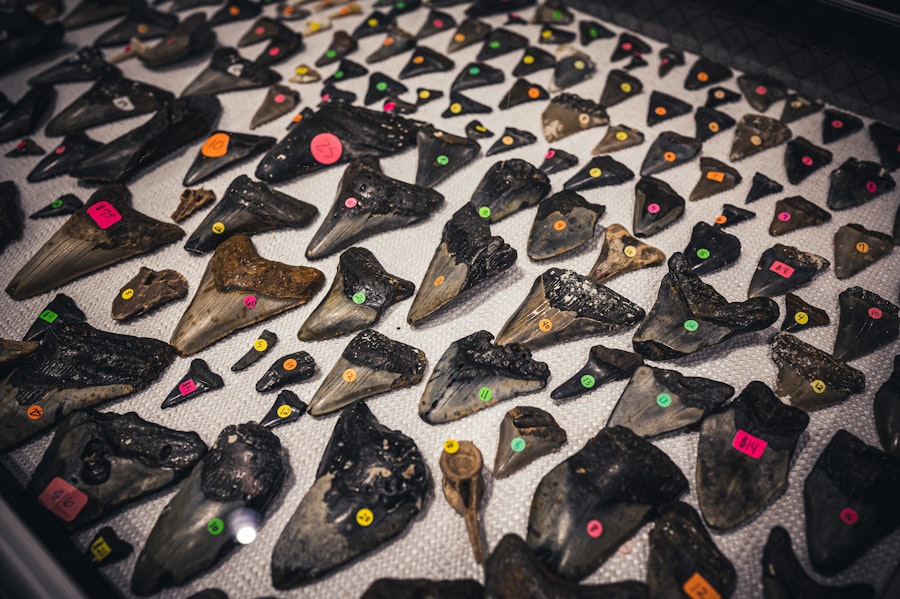
The most exciting aspect of this discovery lies in the sheer diversity of shark species represented by the unearthed fossils. These ancient predators, some familiar and others long extinct, paint a vivid picture of the marine ecosystems that once thrived in this region. The vast majority of these fossils consist of teeth, as shark skeletons are primarily cartilaginous and do not fossilize as readily as bone. However, shark teeth are incredibly robust and are the most common trace of these ancient marine inhabitants.
Dominant Predators of Ancient Seas
The recovered teeth reveal the presence of a wide array of shark species, from formidable hunters to more specialized feeders. Their presence indicates a healthy and complex food web within the ancient Tethys Sea.
The Reign of the Megalodon’s Ancestors
While the iconic Otodus megalodon itself might not be the primary focus of this specific discovery, the fossils offer insights into its direct ancestors and related lineages. The presence of large lamniform shark teeth, belonging to families like the Otodontidae, strongly suggests the existence of powerful predators that shared ecological niches with the lineage that would eventually give rise to megalodon.
Lamniform Sharks: The Great Hunters
Lamniform sharks, a group that includes modern great white sharks and mako sharks, were well-represented in the ancient seas. The discovery of large, serrated teeth belonging to this order is a significant indicator of their predatory prowess. These teeth were designed for shearing flesh and bone, enabling them to hunt large prey.
Otodontidae: A Lineage of Giants
The Otodontidae family is particularly noteworthy for its massive members, including the aforementioned Otodus megalodon. While megalodon fossils are more commonly found in later geological periods and different regions, the Egyptian desert has yielded teeth from earlier, albeit still substantial, members of this lineage, providing crucial data points for understanding their evolutionary trajectory.
Requiem for the Sand Tiger Sharks
The discovery also includes fossilized teeth of species closely related to modern sand tiger sharks. These were likely more coastal or reef-associated predators, indicating a varied habitat within the ancient seas.
Carchariidae: Coastal Hunters
The Carchariidae family, which includes the modern sand tiger shark (Carcharias taurus), is represented by teeth that suggest these sharks were also a significant component of the ancient Egyptian marine environment. Their presence suggests the existence of shallower, perhaps more sheltered, marine areas where they would have hunted.
Beyond the Apex: Other Marine Inhabitants
The fossil record isn’t exclusively about the largest predators. The Egyptian desert also yields evidence of other marine life, providing context for the sharks’ existence and their place in the ecosystem.
Rays and Chimaeras: Diverse Elasmobranchs
The collection often includes fossilized teeth and dermal denticles (tooth-like scales) of rays and chimaeras. These cartilaginous fish, closely related to sharks, would have occupied different ecological niches and preyed on different organisms.
Rays: Bottom Dwellers and Filter Feeders
The discovery of ray fossils, such as those from the Myliobatidae family (eagle rays), indicates the presence of benthic (bottom-dwelling) environments within the ancient seas. Their flattened teeth suggest a diet of mollusks and crustaceans.
Chimaeras: Ghost Sharks of the Deep
Fossilized remains of chimaeras, also known as ghost sharks or ratfish, further diversify the picture of ancient marine life. These deep-sea dwelling cartilaginous fish had specialized diets and represented a different branch of the elasmobranch evolutionary tree.
Decoding the Past: What the Fossils Tell Us About Ancient Egypt
These fossil discoveries are not merely about ancient sharks; they are profound revelations about the Earth’s past and the dynamic history of the region now known as Egypt. They provide irrefutable evidence of a dramatically different climate and geography.
Paleoenvironmental Reconstruction: A Sea in the Sand
The presence of marine fossils in the desert is the most striking testament to the dramatic changes the Earth has undergone. These discoveries allow scientists to reconstruct the paleoenvironment with remarkable detail.
Evidence of the Tethys Sea
The extensive marine fossils, including sharks, point to the existence of the Tethys Sea, a vast ocean that once separated the supercontinents of Laurasia and Gondwana. This ancient sea covered large parts of what is now North Africa and the Middle East.
Depth and Salinity Indicators
The types of marine organisms found, including specific species of sharks and other invertebrates, can provide clues about the depth, salinity, and temperature of the water. For instance, the presence of certain reef-associated shark species would indicate shallower, warmer waters.
Coastal Plains and Continental Shelves
The distribution of fossils within different geological formations suggests the presence of diverse marine habitats, from open ocean environments to shallower coastal plains and continental shelves.
Understanding Evolutionary Trajectories
The discovery of shark fossils from different geological periods within the Egyptian desert allows paleontologists to trace the evolutionary paths of various shark lineages. This provides valuable insights into adaptation and diversification over millions of years.
Tracking the Evolution of Shark Teeth
Shark teeth are highly informative. Their shape, size, and serration patterns can indicate the species, diet, and evolutionary relationships of the shark. By studying teeth from different epochs, researchers can observe how these features have changed over time.
From Early Forms to Modern Representatives
The Egyptian fossil record can reveal transitional forms, showing how ancient shark species evolved into their more modern counterparts. This is crucial for understanding the broader evolutionary history of cartilaginous fishes.
Insights into Extinction Events and Recovery
By examining the fossil record in chronological order, scientists can also gain insights into extinction events and the subsequent recovery of marine ecosystems. The disappearance of certain species and the emergence of new ones can be correlated with major geological or climatic shifts.
Technological Advancements: Enhancing Discovery and Analysis
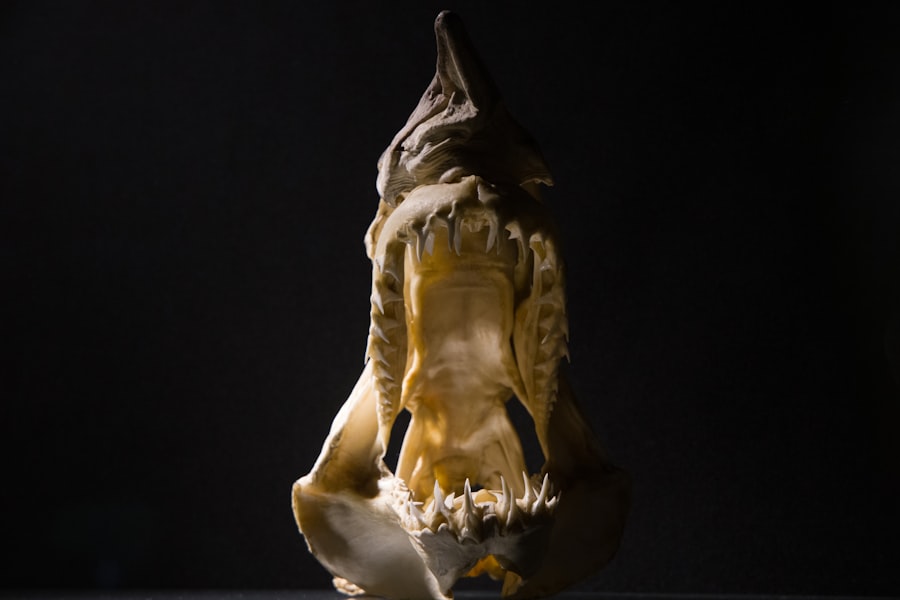
Modern scientific techniques are revolutionizing how shark fossils are discovered, excavated, and analyzed. These advancements are allowing for unprecedented levels of detail and insight.
Advanced Imaging and Dating Techniques
Sophisticated technologies are now employed to study the fossils and their surrounding geological context.
CT Scanning for Internal Structures
Computed Tomography (CT) scanning allows paleontologists to create detailed 3D models of fossils without physically damaging them. This is particularly useful for examining the internal structures of teeth, such as the pulp cavity and root morphology, which can provide crucial taxonomic information.
Non-Destructive Examination
CT scanning offers a non-destructive way to study delicate or encased fossils, preserving them for future research while extracting valuable data.
Radiometric Dating for Precise Chronology
Radiometric dating techniques, such as uranium-lead dating or potassium-argon dating, are used on the surrounding rock layers to establish precise timelines for the fossil discoveries. This allows for accurate placement of the fossils within the geological timescale.
Establishing Geological Context
Precise dating is essential for understanding the evolutionary relationships between different species and for correlating the Egyptian fossil record with discoveries made elsewhere in the world.
Paleontological Software and Databases
The digital age has also transformed paleontological research through the development of specialized software and extensive databases.
3D Modeling and Reconstruction
3D modeling software allows researchers to create digital reconstructions of fossilized sharks and their environments. This facilitates visualization and educational outreach.
Virtual Excavation and Reconstruction
These tools enable virtual excavation and the reconstruction of entire skeletons from fragmented remains, offering a comprehensive understanding of the animal’s anatomy.
Global Databases for Comparative Analysis
The creation and accessibility of global paleontological databases allow researchers to compare their findings with specimens from other regions. This facilitates the identification of new species, the understanding of migration patterns, and the broader study of evolutionary biogeography.
Recent discoveries of shark fossils in the Egyptian desert have provided fascinating insights into the ancient marine ecosystems that once thrived in the region. These fossils, which date back millions of years, highlight the diverse species that inhabited the waters of prehistoric Egypt. For those interested in exploring how ancient life forms relate to modern scientific endeavors, a related article discusses innovative strategies for securing lunar bases, which can be found here. This connection between past and future underscores the importance of understanding our planet’s history as we venture into new frontiers.
The Future of Discovery: Unlocking More Secrets of the Sands
| Location | Year | Species | Size |
|---|---|---|---|
| Wadi El-Hitan | 2012 | Phosphate | Up to 15 meters |
| Wadi El-Rayan | 2015 | Whale shark | Unknown |
| Wadi El-Hitan | 2018 | Hammerhead | Unknown |
The recent discoveries of shark fossils in the Egyptian desert are a testament to the vast potential that still lies hidden beneath the sands. As technology advances and research continues, the secrets of this ancient marine world are likely to be revealed in even greater detail.
Continued Exploration and Research
The ongoing exploration of Egypt’s rich paleontological sites promises further significant discoveries.
Targeting Underexplored Regions
While certain areas have been extensively studied, many remote and geologically promising regions of the Egyptian desert remain underexplored. Future expeditions will likely focus on these areas.
Expanding the Paleontological Map
Each new discovery helps to expand our understanding of the geographical distribution of ancient marine life and the extent of past oceans.
International Collaboration and Knowledge Sharing
The scientific community thrives on collaboration. Increased international partnerships will undoubtedly accelerate the pace of discovery and analysis.
Pooling Resources and Expertise
By pooling resources, expertise, and data, researchers can tackle more complex questions and achieve breakthroughs that might be unattainable individually.
Educational and Public Engagement
The captivating nature of shark fossils makes them ideal tools for educating the public about paleontology, evolution, and Earth’s history.
Inspiring the Next Generation of Scientists
These discoveries have the power to ignite curiosity and inspire young minds to pursue careers in science, technology, engineering, and mathematics (STEM).
Museum Exhibitions and Outreach Programs
The display of these ancient treasures in museums and the development of engaging outreach programs will make the wonders of prehistoric Egypt accessible to a wider audience.
The discovery of shark fossils in the Egyptian desert is more than just an archaeological event; it is a profound reminder of the planet’s dynamic past and the incredible stories that lie waiting to be unearthed. Each tooth, each fragment, adds another piece to the colossal puzzle of life on Earth, reminding us that even in the most seemingly barren landscapes, echoes of a vibrant and ancient world can still be found.

They Found a Shark Graveyard in the Egyptian Desert
FAQs
1. What were the shark fossils found in the Egyptian desert?
The shark fossils found in the Egyptian desert are believed to be from the Late Cretaceous period, approximately 95 million years ago. They include teeth and vertebrae from various species of sharks.
2. Where exactly were the shark fossils discovered in the Egyptian desert?
The shark fossils were discovered in the Western Desert of Egypt, specifically in the Dakhla Oasis region. This area is known for its rich fossil deposits and has yielded many important paleontological finds.
3. What significance do these shark fossils hold in the field of paleontology?
The discovery of shark fossils in the Egyptian desert provides valuable insights into the ancient marine ecosystems that existed in the region during the Late Cretaceous period. It also contributes to our understanding of the evolution and diversity of sharks over millions of years.
4. What do the shark fossils tell us about the ancient environment of the Egyptian desert?
The presence of shark fossils in the Egyptian desert suggests that the region was once covered by a shallow sea or coastal waters during the Late Cretaceous period. This indicates a vastly different environment compared to the arid desert landscape we see today.
5. How are the shark fossils being studied and preserved after their discovery?
After their discovery, the shark fossils are carefully excavated, cleaned, and studied by paleontologists. They are then preserved and curated in museums or research institutions, where they can be further analyzed and used for scientific research and education.