
The popular image of the Paleolithic diet often conjures visions of burly hunters wielding spears, their meals consisting solely of massive mammoths and other game. While meat undoubtedly played a significant role, a more nuanced understanding reveals a far more diverse dietary landscape, shaped by regional availability, seasonality, and the ingenuity of our ancient ancestors. This era, spanning from approximately 2.6 million to 10,000 years ago, witnessed a spectrum of food choices encompassing a rich variety of plant matter, an often-overlooked abundance of seafood, and a dynamic interplay between these components. The success and survival of early human populations were intrinsically linked to their ability to exploit a wide range of edible resources, demonstrating a remarkable adaptability in their foraging and hunting strategies.
Unpacking the Predominant Protein: The Carnivorous Component
The evidence for meat consumption during the Paleolithic is substantial and multifaceted. Archaeological sites frequently yield animal bones bearing cut marks from stone tools, indicating butchery and consumption. These finds represent not only large game but also smaller animals, birds, and even insects. The nutritional benefits of meat – a readily available source of protein, fats, and essential micronutrients like iron and B vitamins – would have been crucial for brain development and the energetic demands of a mobile lifestyle. However, the notion of a purely meat-based diet is an oversimplification. The success of obtaining animal protein was inherently variable and dependent on numerous factors.
The Art of the Hunt: Strategies for Securing Game
The methods employed by Paleolithic humans to acquire animal protein varied considerably. While the romanticized image of the lone hunter facing down a mammoth holds some truth, it is more likely that cooperative hunting strategies were the norm for larger prey. These strategies would have involved intricate planning, understanding animal behavior, and utilizing specialized tools like spears, atlatls (spear-throwers), and potentially traps. The exploitation of different animal sizes and species would have been key to ensuring a consistent food supply.
Small Game and Opportunistic Exploitation
Beyond the pursuit of megafauna, smaller animals likely formed a more regular part of the diet for many Paleolithic groups. Rodents, rabbits, birds, and their eggs would have been more accessible and less risky to hunt. Evidence for the consumption of these smaller creatures, such as fragmented bones in hearths or middens, points to a pragmatic approach to food acquisition. Furthermore, scavenging from predator kills, while perhaps less glamorous, would have also provided a valuable source of protein and fat when opportunities arose. This opportunistic approach highlights the adaptability and resourcefulness of Paleolithic peoples.
The Role of Fat in the Paleolithic Diet
It is crucial to emphasize the importance of fat in the Paleolithic diet, especially from animal sources. Fat is a dense energy source, vital for survival in colder climates and for supporting energetically demanding activities like hunting and migration. Many animals store fat in specific organs, in the marrow of bones, and beneath the skin. Paleolithic hunters would have likely sought out these fattier parts, understanding their caloric and nutritional significance. The fat content of meat, as well as organ meats, would have provided essential fatty acids that are critical for human health. The assumption that all Paleolithic diets were lean is a misconception; fat was a highly prized and sought-after nutrient.
Beyond Muscle Meat: The Nutritional Powerhouse of Organ Meats
While muscle meat is often the focus, organ meats, including liver, heart, kidneys, and lungs, were likely a significant and highly nutritious component of the Paleolithic diet. These organs are packed with vitamins and minerals that are not as abundant in muscle tissue. For instance, liver is an exceptionally rich source of vitamin A, iron, zinc, and B vitamins, including vitamin B12, which is essential for nerve function and red blood cell formation. Kidneys also provide valuable micronutrients. Consuming whole animals, including organs, would have ensured a more complete nutrient profile, a practice common in many traditional hunter-gatherer societies.
The Paleolithic era, often referred to as the Old Stone Age, was characterized by a diverse diet that included a wide variety of plants and animals, reflecting the hunter-gatherer lifestyle of early humans. This adaptability in diet not only provided essential nutrients but also played a crucial role in the development of human societies. For a deeper exploration of ancient practices and their implications on human civilization, you can read the article on megalithic engineering at Unlocking the Secrets of Ancient Megalithic Engineering.
The Greens and Roots: A Vital Plant-Based Contribution

The perception of the Paleolithic diet as predominantly carnivorous significantly underestimates the role of plant foods. Botanical remains, such as seeds, nuts, roots, tubers, fruits, and leafy greens, are frequently discovered at Paleolithic sites, albeit often in less preserved states than bone. These plant resources provided essential carbohydrates, fiber, vitamins, minerals, and phytonutrients, complementing the nutritional profile of meat and offering a crucial buffer against the uncertainties of the hunt. The seasonal availability of plant foods would have dictated dietary shifts and influenced migratory patterns.
Foraging for Variety: Wild Fruits, Berries, and Vegetables
Wild fruits and berries, though seasonal, would have offered a source of sugars, vitamins, and antioxidants. Depending on the geographic location, these could have included a wide array of edible species. Similarly, numerous wild leafy greens and vegetables, rich in vitamins, minerals, and fiber, would have been accessible. These plants provided carbohydrates, though likely in a less concentrated form than modern cultivated grains. The ability to identify and safely consume a wide variety of these plant resources would have been a critical survival skill for Paleolithic peoples.
Nuts and Seeds: Calorie-Dense Powerhouses
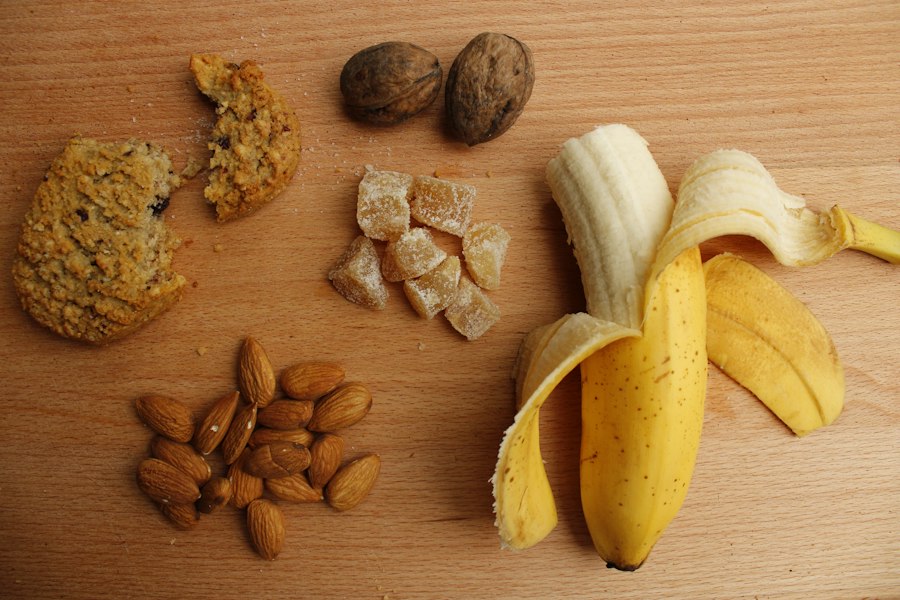
Nuts and seeds represent a particularly valuable category of plant food for the Paleolithic diet. They are dense in calories, healthy fats, proteins, and various micronutrients. Species like acorns, walnuts, hazelnuts, and various seeds would have been important sources of energy and nutrients, especially during periods when other food sources were scarce. Processing techniques, such as grinding or soaking, may have been employed to improve digestibility and reduce tannins in some nuts and seeds, showcasing early human ingenuity in food preparation.
Underground Treasures: Roots and Tubers
Roots and tubers, found underground, represent another vital carbohydrate source in the Paleolithic diet. These starchy foods, like wild yams, potatoes, and various roots, provided sustained energy. Their availability throughout much of the year, even when above-ground vegetation was scarce, would have made them a reliable food source. Evidence suggests that Paleolithic peoples possessed the knowledge to identify edible roots and tubers and may have employed cooking methods, such as roasting in embers or pit cooking, to make them more palatable and digestible.
The Bounty of the Water: Embracing Seafood Choices
The contribution of seafood to the Paleolithic diet is increasingly recognized and offers a compelling counterpoint to the land-based focus. Coastal, riverine, and lacustrine (lake-dwelling) populations would have had access to a rich and diverse array of marine and freshwater resources. Fish, shellfish, and marine mammals provided high-quality protein, omega-3 fatty acids, and essential minerals. The exploitation of these aquatic resources likely played a significant role in human evolution, particularly in coastal regions where resources were abundant and predictable.
Coastal Cuisine: The Richness of Marine Life
Coastal Paleolithic communities would have enjoyed access to a vast larder of marine life. Fish, caught using spears, nets, or traps, would have been a staple. Shellfish, such as mussels, oysters, clams, and limpets, were particularly valuable as they were often readily available in intertidal zones and could be harvested with relative ease. These mollusks provided protein, iodine, and other essential minerals. Evidence for shellfish consumption includes large shell middens found at coastal archaeological sites, some dating back hundreds of thousands of years.
Fishing Technologies and Techniques
The development of fishing technologies would have been crucial for exploiting aquatic resources. While direct evidence for early fishing gear is scarce, the indirect evidence of fish consumption at numerous sites suggests the use of rudimentary tools. These could have included sharpened sticks used as spears, bone or stone hooks, and potentially woven nets or baskets. The observation of fish behavior and migratory patterns would have been essential for successful fishing. The ability to fish efficiently would have provided a reliable and often abundant food source, reducing reliance on the more unpredictable land-based hunts.
Inland Waters: Rivers and Lakes as Food Sources
Beyond coastal areas, inland populations also benefited from the bounty of freshwater ecosystems. Rivers and lakes would have supported populations of fish, mollusks, and waterfowl, providing a valuable food source. The seasonal availability of these resources would have influenced human settlement patterns and migratory routes. For populations living far from the coast, these freshwater sources could have been a primary provider of animal protein and essential nutrients. Evidence from inland sites often includes fish bones and shells, indicating consistent exploitation of these aquatic environments.
Regional Variations and Seasonal Adaptations
The Paleolithic era was characterized by vast geographical expanses and significant climatic fluctuations. Consequently, the dietary landscape was far from uniform. What was readily available and a staple for a group living in a temperate forest would have been vastly different from the diet of a population inhabiting a frigid steppe or a tropical coastal region. This inherent diversity in resources necessitated equally diverse dietary strategies and a keen understanding of seasonal changes.
Adapting to the Landscape: Geographic Influences on Diet
The specific flora and fauna of a region would have dictated the primary food sources. In areas rich in large herbivores, such as the Eurasian mammoth steppe, hunting would have been a dominant strategy. Conversely, in regions with abundant marine life, seafood would have played a more central role. Areas with diverse plant life would have seen a greater reliance on foraging. Human populations demonstrated an extraordinary ability to adapt their diets to the available resources, a testament to their cognitive flexibility and problem-solving skills. This geographical influence is a key factor in understanding the varied diets of the Paleolithic era.
The Importance of Mobility and Resource Tracking
Paleolithic humans were often nomadic or semi-nomadic, following animal herds and tracking the seasonal availability of plant foods. This mobility was not simply a matter of wandering; it was a strategic imperative for survival. Understanding migratory routes of game, the fruiting seasons of plants, and the spawning times of fish would have been crucial knowledge passed down through generations. This dynamic relationship with the environment ensured access to a diverse range of nutrients throughout the year, mitigating the risks associated with relying on a single food source.
The Rhythms of Nature: Seasonal Dietary Shifts
Seasonality profoundly influenced the Paleolithic diet. Summer and autumn typically offered an abundance of fruits, berries, nuts, and migratory game, leading to periods of relative plenty. Winter, however, presented a significant challenge. With plant food sources scarce, populations would have relied more heavily on stored foods, the fat reserves of hunted animals, and perhaps more intensive hunting of hibernating animals or animals adapted to colder climates. The ability to preserve food, perhaps through drying or smoking, would have been a significant advantage during lean seasons. This cyclical dietary pattern highlights the deep connection Paleolithic peoples had with the natural world.
The Paleolithic era is often celebrated for its diverse diet, which included a wide range of foods from fruits and vegetables to meats and nuts, reflecting the adaptability of early humans to their environments. This variety not only contributed to their nutritional needs but also played a significant role in their survival and development. For a deeper understanding of how ancient lifestyles influenced other aspects of human history, you might find it interesting to explore the article on the acoustic properties of Stonehenge, which sheds light on the cultural practices of prehistoric societies. You can read more about it here.
Beyond Nutrition: The Social and Cultural Dimensions of Food
| Food Category | Estimated Percentage of Diet | Examples | Notes |
|---|---|---|---|
| Meat and Fish | 30-50% | Wild game, fish, shellfish | Primary protein source, varied by region |
| Fruits | 20-30% | Berries, wild apples, figs | Seasonal availability influenced intake |
| Vegetables and Roots | 20-30% | Leafy greens, tubers, bulbs | Important source of fiber and nutrients |
| Nuts and Seeds | 5-15% | Walnuts, acorns, sunflower seeds | Provided fats and calories |
| Eggs | Variable | Bird and reptile eggs | Occasional supplement to diet |
| Honey | Rare | Wild honey | High-energy sweetener, seasonal |
The act of obtaining and consuming food in the Paleolithic era extended far beyond mere biological necessity. Food played a central role in social organization, cultural practices, and the transmission of knowledge. The sharing of resources, the division of labor in hunting and gathering, and the communal meals likely fostered strong social bonds and contributed to the development of complex social structures.
Communal Feasts and Social Cohesion
The sharing of large game carcasses, a significant undertaking requiring cooperative effort, would have undoubtedly fostered a sense of community and interdependence. Feasting on such successful hunts would have been important social events, reinforcing group identity and strengthening social ties. The distribution of meat and other resources would have been governed by social norms and hierarchies, contributing to the organization of Paleolithic societies. These communal meals served not only to nourish but also to bind individuals together.
The Transmission of Knowledge and Skills
The skills required for successful hunting, foraging, and food processing were complex and vital for survival. These skills were not innate; they were learned through observation, practice, and instruction, primarily within family and kin groups. The process of teaching younger generations how to identify edible plants, track animals, make tools, and prepare food was a crucial aspect of Paleolithic cultural transmission. Food procurement and preparation were therefore not just about sustenance but also about the passing on of essential knowledge and cultural heritage.
Dietary Practices and Symbolic Meaning
While direct evidence for symbolic food practices in the Paleolithic is challenging to decipher, it is likely that certain foods held symbolic or ritualistic significance. The reverence for certain animals, the practices surrounding the consumption of specific organs, or the association of particular foods with life events or spiritual beliefs are all possibilities. The careful disposal of animal bones, sometimes found arranged in specific patterns, suggests that consumption was not always purely utilitarian. These practices hint at a deeper cultural relationship with the food that sustained them, intertwining the mundane act of eating with the complex tapestry of human belief and ritual. The diverse diets of the Paleolithic era were not just about survival; they were integral to the social, cultural, and cognitive development of our ancestors.

Life 20,000 Years Ago: The Ultimate Ice Age Fight to Survive
FAQs
What types of foods were included in the Paleolithic diet?
The Paleolithic diet consisted mainly of lean meats, fish, fruits, vegetables, nuts, and seeds. Dairy products, grains, and processed foods were not part of the diet.
Did the Paleolithic diet include carbohydrates?
Carbohydrates in the Paleolithic diet came from fruits and vegetables, which provided essential nutrients and energy for our ancestors.
Were legumes and grains part of the Paleolithic diet?
No, legumes and grains were not part of the Paleolithic diet as they were not cultivated during that era. Our ancestors relied on wild plants and animals for sustenance.
How did the variety of foods in the Paleolithic diet contribute to health?
The diverse range of foods in the Paleolithic diet provided a wide array of nutrients, vitamins, and minerals, which supported overall health and well-being.
Were there regional variations in the Paleolithic diet?
Yes, there were regional variations in the Paleolithic diet based on the availability of local plants and animals. Different regions had their own unique mix of foods that influenced the diet of our ancestors.