
The meticulous pursuit of family history, often a tapestry woven from fading photographs, hushed anecdotes, and dusty documents, has undergone a profound transformation with the advent of DNA confirmation. Once a journey reliant on diligent genealogical research, piecing together ancestral lines through census records, birth certificates, and land deeds, this endeavor now benefits from an irrefutable scientific anchor. DNA testing, specifically autosomal DNA testing for genealogical purposes, offers a powerful corroboration, not only strengthening the accuracy of existing family trees but also unlocking entirely new avenues of insight into our ancestral past. It provides a tangible, biological link to our forebears, moving beyond inference and towards certainty.
Unveiling Biological Connections Through Genetic Markers
At its core, DNA confirmation in genealogy leverages the inherent biological inheritance passed down through generations. Autosomal DNA, which constitutes the vast majority of our genetic material, is inherited equally from both parents, and consequently, from all our ancestors. Each individual possesses a unique genetic blueprint, a combination of DNA segments inherited from a multitude of relatives across time. Genealogical DNA tests analyze specific markers within this autosomal DNA, comparing an individual’s genetic profile with those of others in a vast database. The fundamental principle is simple: individuals who share a common ancestor will also share segments of DNA inherited from that ancestor. The longer the shared DNA segment and the more segments shared, the closer the biological relationship.
The Science Behind the Shared Segments
The science underpinning these comparisons is sophisticated. Geneticists identify specific locations on chromosomes, known as Single Nucleotide Polymorphisms (SNPs), which are single points in the DNA sequence that can vary between individuals. While millions of SNPs exist, genealogical DNA tests focus on a curated set of SNPs that are known to be passed down through generations and are sufficiently variable to distinguish relationships. Algorithms then analyze the patterns of shared SNPs and the lengths of shared DNA segments (measured in centimorgans, or cM) to estimate the degree of kinship. A higher cM count generally indicates a closer ancestral link. Databases, populated by millions of users who have submitted their DNA for analysis, act as the crucial bridge, allowing for comparisons between individuals and the identification of potential relatives, both known and unknown. These algorithms are constantly refined by researchers, improving the accuracy of relationship predictions and the ability to pinpoint common ancestors. The science is not a static field; it is continuously evolving with new discoveries and analytical techniques.
Differentiating Types of DNA Tests
It is imperative to understand the nuances of different DNA testing types to effectively utilize them for genealogical purposes. Autosomal DNA testing is the most commonly used for broad genealogical research, as it traces ancestry from all sides of the family tree for approximately the last five to seven generations. This makes it ideal for identifying cousins, siblings, half-siblings, and more distant relatives across multiple branches of one’s family.
In contrast, Y-DNA testing follows the paternal lineage, as only males inherit the Y chromosome. This test is useful for tracing a direct paternal line, identifying individuals with the same surname or ancestral father. Similarly, mitochondrial DNA (mtDNA) testing traces the maternal lineage, as mtDNA is inherited from the mother. It follows the direct maternal line through all generations. While Y-DNA and mtDNA tests are valuable for specific genealogical questions, autosomal DNA testing remains the cornerstone for comprehensive family history confirmation and the discovery of a wider network of ancestral connections. The choice of test depends entirely on the specific research questions being asked.
Understanding the complexities of family history can often lead individuals to explore DNA confirmation as a means of uncovering their ancestral roots. For those interested in the intersection of personal identity and broader societal issues, an insightful article titled “Protecting National Security: The Role of Eminent Domain” delves into how governmental powers can impact communities and individuals alike. You can read more about this topic by visiting the following link: Protecting National Security: The Role of Eminent Domain.
Corroborating and Expanding Existing Family Trees

The most immediate and perhaps most impactful contribution of DNA confirmation to family history is its ability to validate or challenge meticulously constructed family trees. For decades, genealogists have painstakingly gathered evidence, cross-referencing documents and piecing together narratives. DNA testing offers a biological “stamp of approval,” providing a level of certainty that documentary evidence alone can sometimes lack. This confirmation can be deeply satisfying, providing peace of mind that the family stories passed down through generations are indeed rooted in biological truth.
Validating Documented Ancestral Lines
When DNA matches align with documented relationships, it serves as a powerful confirmation. If an individual’s DNA test indicates a strong match with someone who is already identified as a distant cousin on their family tree, it validates the research that led to that connection. This is particularly true for more distant relationships where documentary evidence can be scarce or ambiguous. For example, if census records suggest a particular family lived in a certain area and a DNA match reveals a strong connection to individuals whose known ancestry also traces back to that same area, it lends significant weight to the documentary evidence. The shared cM values provide a quantitative measure of the genetic link, offering an objective corroboration that transcends subjective interpretation of historical records. This validation can encourage continued research on those specific lines, knowing that the foundation is solid.
Uncovering Hidden Branches and Unknown Relatives
Beyond mere validation, DNA testing excels at illuminating the “unknowns” within a family tree. It frequently reveals individuals who are biologically related but whose connection was lost to history, or perhaps never documented due to societal factors, family secrets, or simple oversight. These “mystery matches” can be the catalyst for significant genealogical breakthroughs. They might represent an undocumented adoption, a child born outside of marriage, or even an entirely unknown branch of the family that emigrated to a different region or country. For instance, a large cluster of DNA matches with no readily apparent connection to the documented family tree can suggest a previously unknown maternal or paternal line that requires further investigation. This aspect of DNA confirmation transforms family history from a closed book into a dynamic, ever-expanding narrative, inviting the explorer to uncover its most surprising chapters.
Resolving Genealogica Mysteries and Discrepancies
Genealogical research is rarely a perfectly smooth path. Discrepancies in records, conflicting accounts, or dead ends are common. DNA confirmation can act as a powerful tool for resolving these genealogical mysteries. If two documents present conflicting birth dates for an ancestor, but DNA matches with known descendants of both potential parents solidify one lineage over the other, it can provide the necessary clue to move forward. Similarly, if a family story suggests a particular origin or migration pattern, but documentary evidence is lacking, DNA ethnicity estimates can offer directional clues. For example, if DNA ethnicity results consistently show a significant percentage of a specific European heritage, it can prompt a deeper dive into records from that particular region, even if oral history was vague. The ability of DNA to provide objective biological data offers a crucial third party in disputes or uncertainties that arise from the interpretation of historical documents.
Enhancing Ancestral Migration Patterns and Ethnic Origins

The insights gleaned from DNA confirmation extend beyond individual family lines to broader demographic trends and ancestral origins. Ethnicity estimates provided by DNA testing companies offer a fascinating glimpse into the geographical regions from which an individual’s ancestors likely hailed. While these estimates are not exact, they are based on comparisons with reference populations whose DNA profiles are known to represent specific ethnic groups. This information can be incredibly valuable for guiding genealogical research, especially when traditional records are sparse.
Interpreting Ethnicity Estimates for Ancestral Origins
Ethnicity estimates are presented as percentages of ancestry attributed to various regions or broad ethnic categories, such as Western European, Scandinavian, Eastern European, Iberian, and so on. It is important to understand that these are estimations, not definitive pronouncements. The databases used by testing companies are constantly growing and refining their reference populations. Therefore, ethnicity estimates can change slightly over time as new data becomes available. For a genealogist, these estimates serve as powerful clues, suggesting areas to focus research efforts. If an individual discovers a significant percentage of Scandinavian ancestry, it directs their attention to historical records and potential relatives in Sweden, Norway, or Denmark. It can also explain anecdotal family stories about seafaring ancestors or a particular physical resemblance to people from those regions.
Connecting DNA Findings to Historical Migration Theories
The historical migration patterns of human populations are a complex and fascinating field, and DNA confirmation can provide tangible evidence to support or challenge these theories. When a significant number of individuals with a shared ancestry test reveal similar ethnicity estimates and DNA matches within a particular geographical region, it can offer a genetic perspective on historical population movements. For example, if many individuals with ancestors from the British Isles also show strong Germanic or Scandinavian heritage, it aligns with historical evidence of Anglo-Saxon and Viking migrations. Similarly, DNA findings can help researchers trace the routes of more recent migrations, such as the movement of people from Eastern Europe to North America in the late 19th and early 20th centuries. By analyzing the distribution of genetic markers across different populations, DNA confirmation contributes to a deeper understanding of how our ancestors spread across the globe.
Illuminating the “Great Migration” and Other Population Movements
The concept of the “Great Migration,” the movement of millions of African Americans from the rural Southern United States to the urban Northeast, Midwest, and West Coast between 1910 and 1970, can be illuminated by DNA confirmation. For individuals of African descent, DNA testing can reveal genetic links to specific regions within West Africa, shedding light on the ancestral homelands of those brought to the Americas during the transatlantic slave trade. Furthermore, by comparing DNA profiles of African Americans with those of individuals in different parts of the United States, researchers can gain insights into the intra-American migration patterns that occurred during and after the Great Migration. This can help individuals connect with living relatives who may have remained in the South or moved to different urban centers. The genetic footprint left by these monumental population shifts offers a powerful, personal connection to historical events.
The Social and Emotional Impact of DNA Confirmation
Beyond the purely scientific and genealogical aspects, DNA confirmation carries significant social and emotional weight. Discovering biological relatives, whether they are known or unknown, can be a profoundly moving experience. It can lead to the formation of new family connections, the healing of old wounds, and a deeper sense of belonging and identity. The ability to connect with individuals who share a biological heritage can be incredibly validating and enriching, transforming the solitary pursuit of family history into a shared journey of discovery.
Reconnecting with Lost Family Members and Cousins
One of the most rewarding aspects of DNA confirmation is the opportunity to reconnect with lost family members or to discover entirely new branches of cousins. For individuals who were separated from family due to adoption, divorce, or other circumstances, DNA testing can be the key to finding their biological parents, siblings, or extended family. Similarly, it can unearth a multitude of cousins who may have had no idea of their shared ancestry. These reunions can be emotionally charged, bringing closure, a sense of belonging, and the chance to build new relationships. The shared genetic heritage provides an immediate and undeniable bond, often bridging generational gaps and geographical distances with surprising ease. This ability to forge connections that might otherwise have remained impossible is a testament to the power of modern genetic technology.
Understanding Complex Family Dynamics and Heritage
DNA confirmation can also offer valuable insights into complex family dynamics and the intricate tapestry of one’s heritage. It can help clarify biological relationships in cases of blended families, half-siblings, or individuals with unknown parentage. Understanding these biological connections can be crucial for personal identity and for navigating family relationships. Furthermore, the revelation of unexpected ethnic origins or ancestral ties can prompt individuals to explore different cultural traditions, historical narratives, and even develop a broader understanding and appreciation for their multifaceted heritage. It encourages a more nuanced and inclusive view of one’s ancestral past, moving beyond simplistic narratives.
Addressing Ethical Considerations and Privacy Concerns
While the benefits of DNA confirmation are undeniable, it is crucial to acknowledge the ethical considerations and privacy concerns associated with genetic testing. The vast databases of DNA profiles raise questions about data security, ownership, and how this information might be used in the future. Individuals must carefully consider the privacy policies of DNA testing companies and be aware of the potential implications of sharing their genetic information. Furthermore, the revelation of unexpected family relationships through DNA can sometimes be emotionally challenging, potentially disrupting existing family structures or uncovering sensitive information. Open communication, responsible use of information, and a thoughtful approach to the implications of genetic discoveries are paramount to ensuring that DNA confirmation serves as a positive force in family history research.
Exploring the intricacies of family history can be greatly enhanced by understanding the role of DNA confirmation, which provides a scientific basis for tracing lineage. For those interested in how different cultures and communities navigate their heritage, a related article discusses the future challenges and opportunities facing Tuvalu, shedding light on the importance of preserving cultural identity in a changing world. You can read more about this topic in the article found here.
The Future of DNA Confirmation in Genealogy
| Metric | Description | Typical Value/Range | Relevance to DNA Confirmation |
|---|---|---|---|
| Percentage of Shared DNA | Proportion of DNA segments shared between two individuals | 50% (Parent-Child), 25% (Grandparent-Grandchild), 12.5% (First Cousins) | Helps confirm biological relationships within family history |
| Number of Shared Centimorgans (cM) | Measurement of genetic linkage used to estimate relatedness | Approximately 3400 cM (Parent-Child), 1700 cM (Grandparent-Grandchild) | Quantifies genetic relatedness to verify family connections |
| Match Confidence Level | Statistical probability that two individuals share a specific relationship | High (>99%) for close relatives, Lower for distant relatives | Indicates reliability of DNA confirmation in family history |
| Number of Shared Segments | Count of continuous DNA segments shared between individuals | Varies; typically 20-40 for first-degree relatives | Supports identification of familial relationships |
| Mutation Rate | Frequency of genetic mutations per generation | Approximately 1 x 10^-8 mutations per base pair per generation | Important for understanding genetic variation in family history |
| Y-DNA Haplogroup Consistency | Matching paternal lineage markers in male relatives | Consistent within paternal lineages | Confirms paternal ancestry in family history |
| mtDNA Haplogroup Consistency | Matching maternal lineage markers | Consistent within maternal lineages | Confirms maternal ancestry in family history |
The field of DNA confirmation in genealogy is far from static; it is a rapidly evolving area with immense potential for further advancements. As technology progresses and the scientific understanding of genetics deepens, the accuracy, scope, and utility of DNA testing for genealogical purposes will undoubtedly continue to expand, offering even more profound insights into our ancestral past.
Advancements in Genetic Genealogy Technologies
Future advancements in genetic genealogy technologies promise even greater precision and depth of understanding. Researchers are continually developing more sophisticated algorithms for analyzing DNA data, improving the accuracy of relationship predictions and the ability to pinpoint common ancestors further back in time. The development of new types of genetic markers and the expansion of reference populations will likely lead to more granular and accurate ethnicity estimates. Furthermore, innovations in data analysis and visualization tools will make it easier for individuals to interpret their DNA results and integrate them with traditional genealogical research. The integration of AI and machine learning will likely revolutionize how DNA data is processed and interpreted, unlocking new patterns and connections previously unseen.
Integration with Traditional Genealogical Research Methods
The true power of DNA confirmation lies not in its ability to replace traditional genealogical research but in its capacity to complement and enhance it. The future will likely see an even greater integration of DNA data with historical documents, family trees, and other genealogical resources. This synergistic approach will allow researchers to combine the objective biological evidence from DNA with the rich narrative context provided by historical records, leading to a more comprehensive and nuanced understanding of family history. The ability to directly link DNA matches to specific branches of a documented family tree will become increasingly streamlined, making the process of discovery more efficient and rewarding. This fusion of science and history promises a richer and more complete picture of our ancestral journeys.
The Evolving Landscape of Genetic Ancestry Databases
The landscape of genetic ancestry databases is continually expanding, both in terms of the number of participants and the geographical diversity of their origins. As more individuals from all corners of the globe submit their DNA, the ability to identify distant relatives and gain insights into a wider range of ancestral populations will increase exponentially. This growth is crucial for improving the accuracy of ethnicity estimates and for connecting individuals with their ancestral homelands. The ongoing efforts to create more inclusive and representative reference populations will be vital for ensuring that DNA testing is relevant and accurate for people of all backgrounds and ethnicities, further solidifying its role as a transformative tool in understanding human history and individual identity.
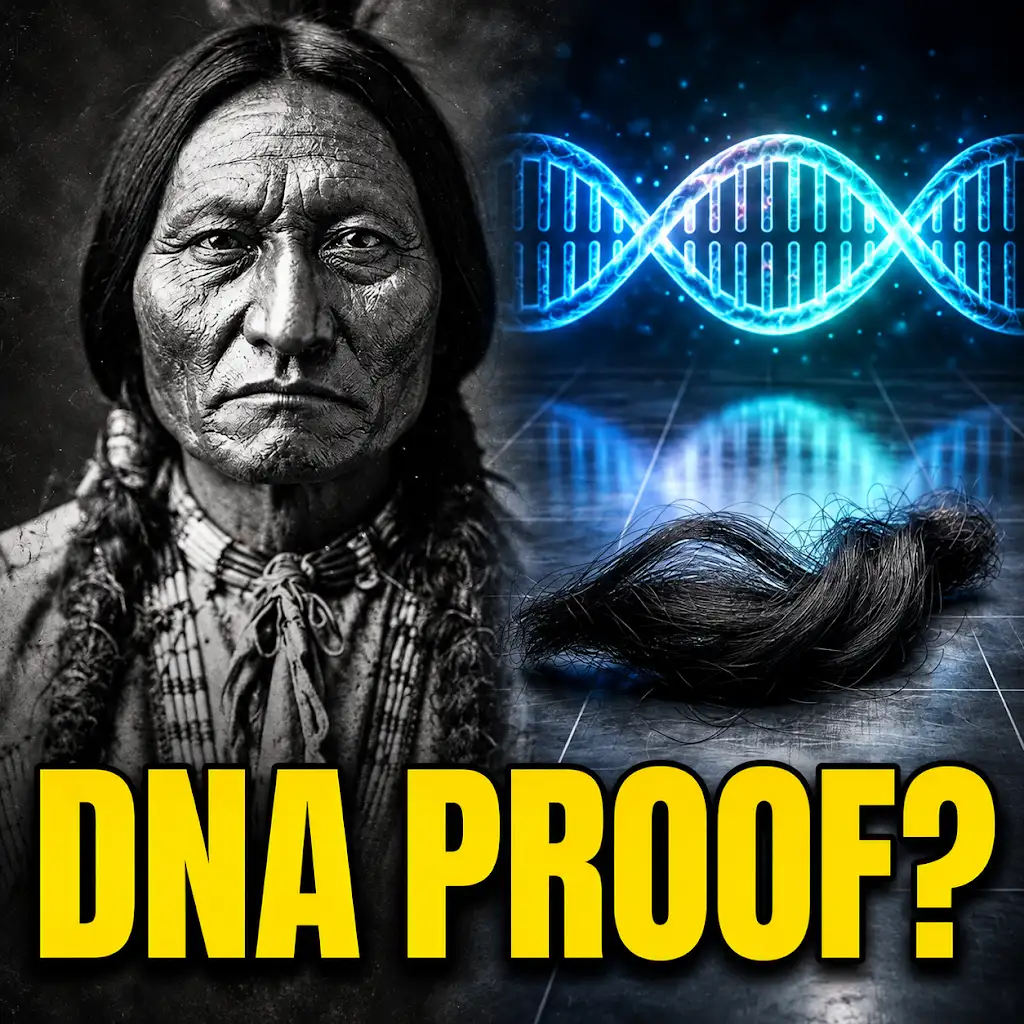
The Sitting Bull DNA Test: What Did It Actually Prove?
FAQs
What is DNA confirmation in family history research?
DNA confirmation in family history research involves using genetic testing to verify relationships between individuals and confirm genealogical connections.
How can DNA confirmation help in tracing family history?
DNA confirmation can help in tracing family history by providing evidence to support or refute relationships, identifying unknown relatives, and breaking through genealogical brick walls.
What types of DNA tests are commonly used for DNA confirmation in family history?
The most common types of DNA tests used for DNA confirmation in family history are autosomal DNA tests, Y-DNA tests, and mitochondrial DNA tests.
How accurate is DNA confirmation in family history research?
DNA confirmation is generally considered to be highly accurate in verifying relationships between individuals, although the interpretation of results and identification of relationships may vary depending on the testing company and the expertise of the researcher.
What are some common challenges associated with DNA confirmation in family history research?
Some common challenges associated with DNA confirmation in family history research include the complexity of genetic genealogy, the need for collaboration with genetic matches, the presence of unexpected or misattributed parentage, and the limitations of genetic testing in identifying specific ancestors.