The quiet earth beneath the ruins of Jamestown Church has yielded a secret, a tangible link to the very first English settlers who braved the Atlantic to forge a new life in the New World. Recent archaeological investigations at Historic Jamestowne have unearthed skeletal remains, whose subsequent DNA analysis has provided an unprecedented glimpse into the lives and identities of individuals who walked these grounds centuries ago. This groundbreaking discovery, nestled within the sacred space of the church, represents a profound intersection of historical inquiry and cutting-edge scientific technique, promising to rewrite chapters of early American history.
For years, archaeologists at Historic Jamestowne, the original site of the Jamestown settlement, have painstakingly excavated the area surrounding the church. This location, central to the daily lives of the colonists and a place of both solace and solemnity, has always been a prime focus for understanding the earliest days of English presence in North America. The discovery of a burial shaft, particularly one exhibiting characteristics consistent with colonial-era burials, immediately sparked intense interest. The careful uncovering of the skeletal remains within this shaft was a process steeped in reverence, acknowledging the human lives represented by the fragile bones. Each shovel of earth, each carefully brushed artifact, contributed to a mosaic of the past, slowly revealing the contours of this pivotal historical site.
The Significance of the Jamestown Church Site
The Jamestown Church, built and rebuilt over the early decades of the colony, served as the spiritual heart of the nascent English settlement. It was here that prayers were offered for survival, where marriages were blessed, and where the dead were laid to rest. The very ground beneath its foundations is therefore imbued with immense historical significance, holding the stories of the colonists’ triumphs and tribulations. The church’s location within the original James Fort further amplifies its importance, placing it at the nexus of the colony’s earliest social, political, and religious life. Understanding who was buried here, and under what circumstances, is crucial to understanding the fabric of early colonial society.
The Process of Archaeological Excavation
The excavation of the Jamestown Church burial shaft was a meticulous undertaking. Archaeologists employed a range of techniques to ensure the preservation of the delicate remains and any associated artifacts. Layers of soil were carefully removed, often with the use of specialized tools like trowels and brushes, allowing for the precise recording of stratigraphy – the layering of earth that indicates the passage of time. Every fragment, from pottery shards to personal belongings, was documented, photographed, and cataloged. The careful mapping of the burial shaft and the position of the skeletal remains provided invaluable contextual information for subsequent analysis. This detailed process is akin to piecing together a three-dimensional puzzle, where each discovery offers a clue to the larger narrative.
Recent discoveries at the historic Jamestown church have unveiled DNA evidence that could shed light on the lives of early settlers in America. This groundbreaking finding not only enhances our understanding of the colonial period but also raises questions about the interactions between different cultures during that time. For further insights into ancient civilizations and their connections to modern history, you can read a related article at Uncovering Evidence of Ancient Advanced Civilizations.
The Revelation of Identity: DNA Analysis
The true breakthrough came with the application of advanced DNA analysis to the unearthed skeletal remains. For centuries, the individuals interred beneath the church remained anonymous figures, their stories lost to the mists of time. DNA, the blueprint of life, offered a remarkable opportunity to breathe life back into these forgotten identities, to connect names and faces to the skeletal fragments. This scientific endeavor transformed the archaeological findings from intriguing historical artifacts into deeply personal revelations.
The Science Behind Ancient DNA Extraction
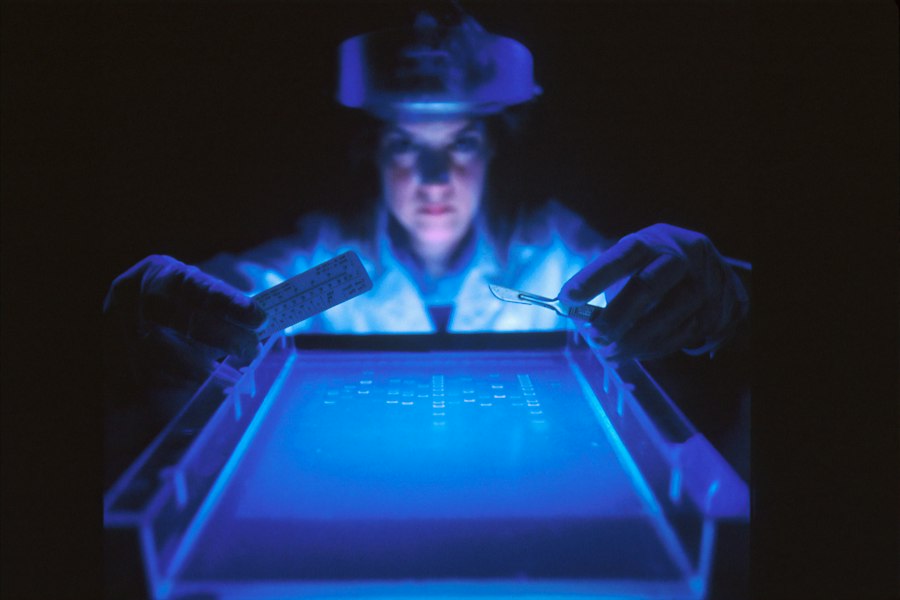
Extracting viable DNA from ancient skeletal remains is a complex and sensitive process. The conditions of burial, the passage of time, and environmental factors can all degrade DNA. Specialized laboratories, equipped with sterile environments and advanced extraction techniques, are required to minimize contamination and maximize the chances of recovering usable genetic material. The process typically involves carefully drilling into dense bone, such as the petrous portion of the temporal bone or the tooth root, where DNA is more protected. Chemical solutions are then used to break down the bone matrix and release the DNA. The subsequent purification and amplification steps are crucial for generating enough genetic material for sequencing.
Mitochondrial DNA and Nuclear DNA Analysis
Two primary types of DNA analysis are employed in such cases: mitochondrial DNA (mtDNA) and nuclear DNA. mtDNA, inherited solely from the mother, is present in high copy numbers and is therefore more likely to be preserved in ancient samples. It provides information about maternal lineage. Nuclear DNA, inherited from both parents, offers a more comprehensive picture, allowing for the identification of sex, estimation of ancestry, and even the potential to link individuals to specific historical figures through comparison with known genealogical records or the DNA of their living descendants. The combined analysis of both mtDNA and nuclear DNA provides a richer and more robust understanding of the individual.
The Challenge of Contamination
One of the greatest challenges in ancient DNA analysis is preventing contamination. Modern DNA from researchers, environmental sources, or even insects can easily overwhelm the degraded ancient DNA. Strict protocols are therefore implemented, including working in dedicated cleanrooms, using sterile equipment, and employing rigorous quality control measures throughout the process. The authenticity of the ancient DNA results is often verified through independent replication and by comparing findings with established genetic databases.
The First Governor’s Shadow: Reconstructing Identity
Among the most significant discoveries was the identification of what is believed to be the remains of Governor George Yeardley. This remarkable achievement, confirmed through a combination of archaeological context and DNA analysis, provides a tangible link to one of the most influential figures in early colonial history. The ability to place a name and face, however skeletal, to such a pivotal individual offers a profound connection to the human experience of founding a new nation.
Archaeological Clues to Governor Yeardley’s Burial
The archaeological context surrounding one particular set of remains offered initial clues. The location within the church, the depth of the burial, and the presence of certain grave goods, though sparse, suggested the burial of an individual of high status. The orientation of the burial and the craftsmanship of any coffin fragments found also contributed to this assessment. While these clues are important, they are often insufficient for definitive identification on their own, highlighting the critical role of DNA.
The Genealogical Connection: Comparing DNA
The crucial step in identifying Governor Yeardley involved comparing the DNA extracted from the remains with the DNA of his known descendants. Through meticulous genealogical research, living individuals who could trace their lineage directly back to Governor Yeardley were identified. Samples were then collected from these descendants, and their DNA was analyzed. The comparison of the ancient DNA with the modern DNA, looking for specific genetic markers and patterns, allowed scientists to establish a high probability that the unearthed remains belonged to the governor. This process is akin to solving a centuries-old mystery by cross-referencing ancient clues with modern evidence.
The Significance of Identifying a Colonial Leader
The identification of Governor Yeardley is not merely an academic exercise; it is a significant historical event. Yeardley served as governor multiple times and played a key role in the establishment of the House of Burgesses, the first representative assembly in North America. His presence and influence shaped the political landscape of early Virginia. To have his physical remains discovered and identified provides an unparalleled opportunity to study his physical characteristics, potential health issues, and even his familial relationships, offering a more nuanced understanding of his life and impact.
More Than Just a Governor: Unveiling Other Lives
The DNA discoveries at Jamestown Church extend beyond the identification of a single prominent figure. The analysis of other skeletal remains has begun to illuminate the lives of other individuals, revealing their sex, ancestry, and familial connections, thereby enriching our understanding of the diverse population that constituted the early colony. These revelations challenge previous assumptions and paint a more complex picture of life at Jamestown.
The Lives of Ordinary Colonists
While the identification of a governor is captivating, the DNA analysis of other individuals provides crucial insights into the lives of the ordinary colonists. These were the men, women, and children who toiled, suffered, and ultimately shaped the beginnings of America. Their genetic profiles can reveal their origins, suggesting the regions of England or even other parts of Europe from which they came. This can help historians understand migration patterns and the diverse origins of the early settler population.
Tracing Family Ties and Social Structures
The ability to trace familial ties through DNA analysis is a powerful tool for understanding the social structures of early Jamestown. Were families who arrived together buried in proximity? Did kinship play a significant role in the colony’s social hierarchy? By identifying potential parent-child or sibling relationships, archaeologists and historians can begin to reconstruct family units and understand how they functioned within the challenging environment of the colony. This can shed light on concepts of inheritance, land ownership, and the passing down of trades and skills.
The Presence of Diverse Ancestry
The DNA analysis has also begun to reveal the presence of individuals with ancestry from beyond England. This further complicates the traditional narrative of early Jamestown as solely English. The presence of individuals with genetic markers suggesting origins in other parts of Europe or even Africa before the established narrative of enslaved peoples from Africa arriving later in the colonial period, could force a reevaluation of the colony’s early demographic makeup and its connections to broader European networks.
Recent discoveries of DNA found under a church in Jamestown have sparked significant interest among historians and archaeologists, shedding light on the early settlers of America. This intriguing find not only offers insights into the lives of those who inhabited the area but also raises questions about the broader implications of such genetic evidence in understanding historical populations. For a deeper exploration of how scientific methods can unravel historical mysteries, you might find this article on geomorphology particularly enlightening. To read more about it, visit this link.
A Window into the Past: Future Implications of the Discoveries
| Metric | Data |
|---|---|
| Location | Jamestown Church, Virginia |
| Type of DNA | Ancient human DNA |
| Estimated Age | Early 1600s (circa 1607) |
| Number of Samples Analyzed | Multiple bone fragments (exact number varies) |
| Purpose of Analysis | Identification of early settlers and indigenous peoples |
| Significance | Provides insight into early colonial and Native American interactions |
| Methodology | Ancient DNA extraction and sequencing |
| Findings | Genetic links to early English settlers and local tribes |
The DNA discoveries under Jamestown Church are not merely historical footnotes; they are powerful catalysts for future research and a profound testament to the enduring power of scientific inquiry. These findings open new avenues of investigation, promising to deepen our understanding of early America and the lives of those who first settled it. The lessons learned here will undoubtedly inform future archaeological and genetic studies of historical sites worldwide.
Rewriting Colonial Narratives
These discoveries have the potential to significantly rewrite established colonial narratives. The ability to definitively identify individuals and understand their familial connections, origins, and even potential health conditions provides a more humanistic and nuanced perspective on the past. It moves beyond broad generalizations to explore the individual experiences that collectively shaped the trajectory of American history. This nuanced understanding is crucial for a comprehensive and accurate interpretation of our heritage.
Advancing Forensic Anthropology and Archaeology
The success of the DNA analysis at Jamestown Church serves as a powerful validation for the integration of genetic science into archaeological investigations. It demonstrates the immense value of this interdisciplinary approach for unlocking the secrets held within skeletal remains. The techniques and protocols developed and refined here will undoubtedly influence best practices in forensic anthropology and historical archaeology, leading to more profound discoveries at other sites.
Preserving and Commemorating Legacy
Ultimately, these discoveries are about preserving and commemorating the legacy of the individuals who lived and died at Jamestown. By giving them names, connecting them to their families, and understanding their place in the historical tapestry, we honor their sacrifices and their contributions. The silent witnesses beneath the church have finally found their voice, allowing us to connect with them on a deeply human level, a testament to the enduring power of the past to speak to the present. The ongoing research at Historic Jamestowne, fueled by these groundbreaking DNA findings, promises to continue to illuminate the complex and compelling story of America’s beginnings.
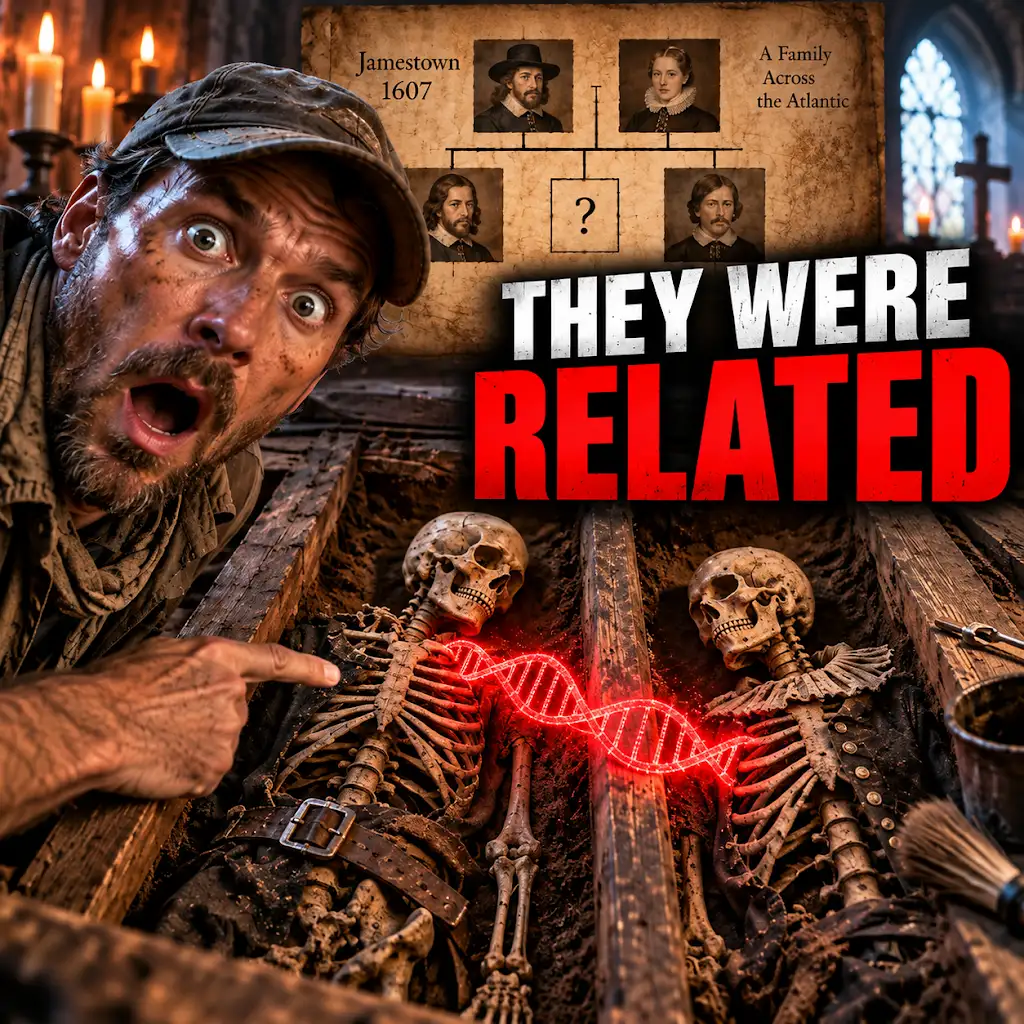
Jamestown DNA Revealed a Family Secret Hidden for 400 Years
FAQs
What was the significance of the DNA found under Jamestown church?
The DNA found under Jamestown church belonged to four men who were crucial figures in the early history of America – including a colonial governor, a captain, and a prominent settler.
How was the DNA discovered under Jamestown church?
The DNA was discovered during an archaeological dig at the site of the historic Jamestown church in Virginia. Researchers used ground-penetrating radar to locate the burial site and then carefully excavated the remains.
What technology was used to analyze the DNA found under Jamestown church?
Scientists used advanced DNA sequencing technology to analyze the genetic material found under Jamestown church. This technology allowed them to identify the individuals and their relationships to each other.
What did the DNA reveal about the individuals buried under Jamestown church?
The DNA revealed that the individuals buried under Jamestown church were related to each other, with one likely being the father of another. This information provided valuable insights into the early colonial history of America.
How does the discovery of DNA under Jamestown church contribute to our understanding of American history?
The discovery of DNA under Jamestown church helps to fill in gaps in our knowledge of the early settlers of America and their relationships. It provides a more complete picture of the people who played a significant role in shaping the history of the United States.