
The allure of uncovering one’s ancestral past has captivated individuals for generations. For centuries, the primary tools for this genealogical quest were family trees, meticulously constructed through interviews, historical records, and sometimes, sheer genealogical detective work. However, the dawn of the genetic era has introduced a powerful new dimension: DNA evidence. This article will delve into the distinct strengths and limitations of both DNA and traditional family tree research, exploring how they can be used in tandem to unravel the deepest ancestral mysteries.
Tracing the Roots: The Art of Genealogical Documentation
The creation of a family tree is a journey of discovery, often beginning with oral histories passed down through generations. Grandparents recount stories of their parents, aunts, and uncles, providing the initial threads to pull. This anecdotal information is then meticulously cross-referenced with tangible evidence. Birth, marriage, and death certificates form the bedrock of this research, offering concrete dates, locations, and relationships. Census records, military enlistment papers, land deeds, and immigration manifests
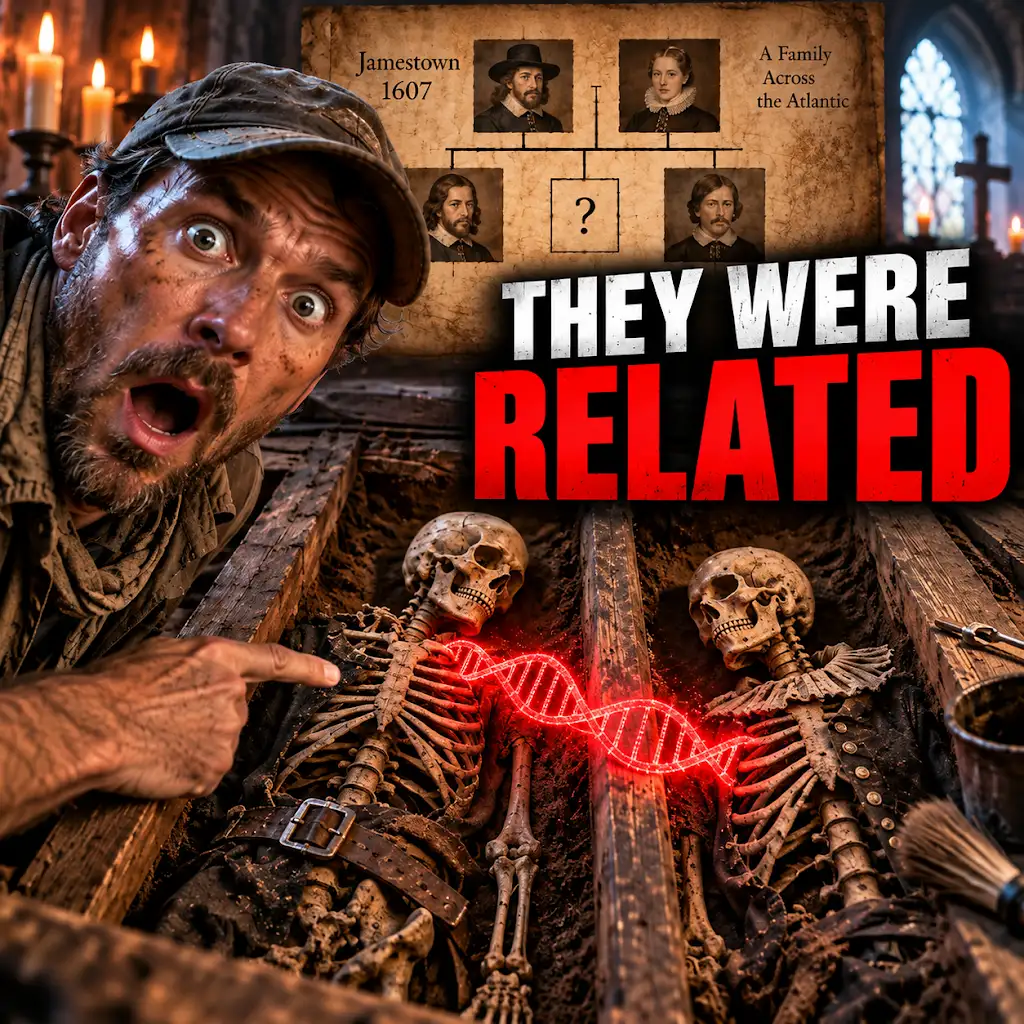
Jamestown DNA Revealed a Family Secret Hidden for 400 Years
FAQs

What is DNA evidence?
DNA evidence is genetic material that is collected from a crime scene or individual and analyzed to identify a person or their relationship to others.
How is DNA evidence used in criminal investigations?
DNA evidence is used in criminal investigations to link a suspect to a crime scene, identify victims, exonerate the innocent, and establish familial relationships.
What is a family tree?
A family tree is a diagram that shows the relationships between individuals in a family, typically going back several generations.
How is a family tree used in genealogy?
A family tree is used in genealogy to trace a person’s ancestry, identify relatives, and understand the genetic inheritance of traits within a family.
What are the differences between DNA evidence and a family tree?
DNA evidence is a scientific method used to identify individuals and their relationships based on genetic material, while a family tree is a visual representation of familial relationships based on genealogical research and historical records.